


doi: 10.1039/C0SC00107D.
Diamine Ligands in Copper-Catalyzed Reactions
Affiliations
- PMID: 22384310
- PMCID: PMC3289286
- DOI: 10.1039/C0SC00107D
Item in Clipboard
Diamine Ligands in Copper-Catalyzed Reactions
Chem Sci.
2010.
Abstract
The utility of copper-mediated cross-coupling reactions has been significantly increased by the development of mild reaction conditions and the ability to employ catalytic amounts of copper. The use of diamine-based ligands has been important in these advances and in this review we discuss these systems, including the choice of reaction conditions and applications in the synthesis of pharmaceuticals, natural products and designed materials.
Figures
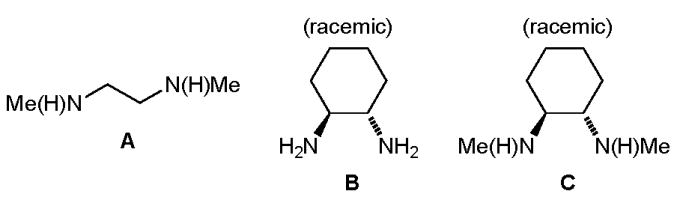
Commercially available diamine ligands
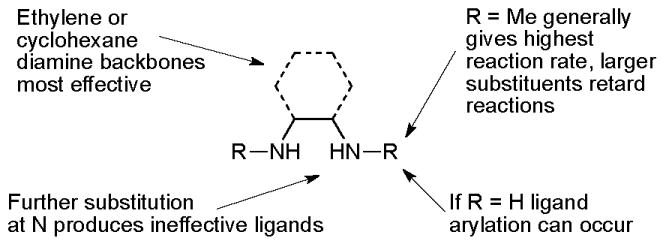
Critical features of diamine-based ligands.
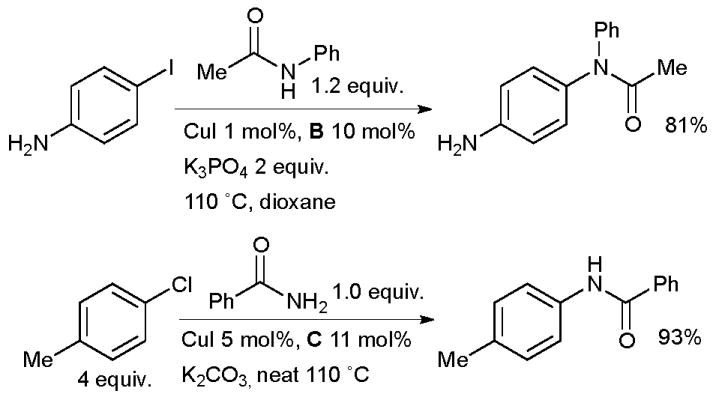
Development of Cu-catalyzed amidation of aryl halides by Buchwald.
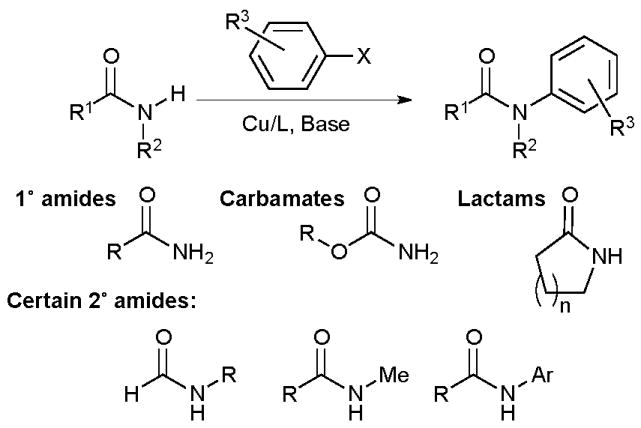
Substrate scope of intermolecular Cu-catalyzed amidation.
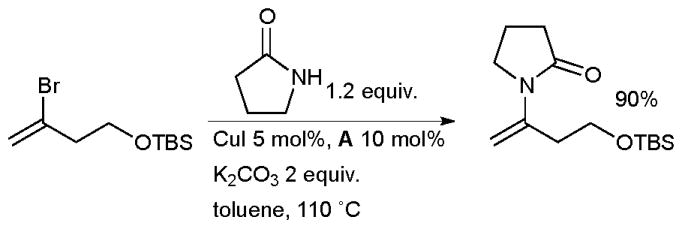
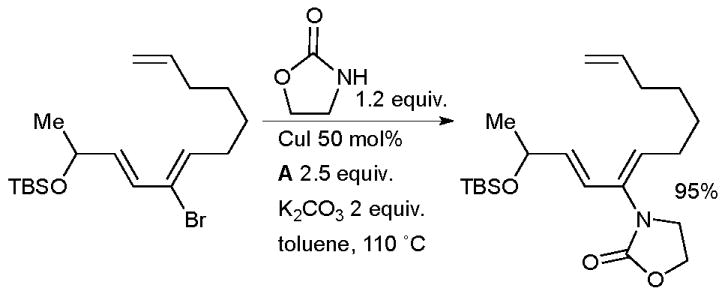
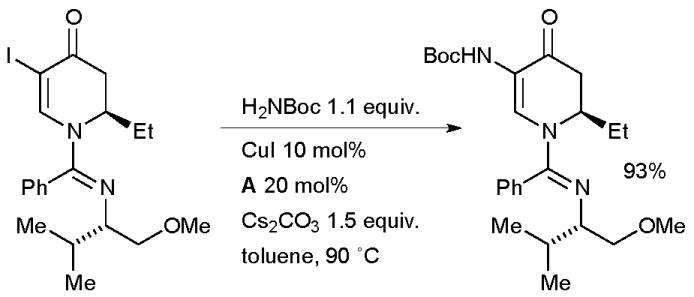
Synthesis of enamides from vinyl halides.
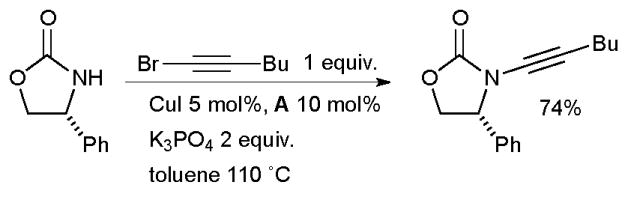
Synthesis of ynamides according to Hsung.
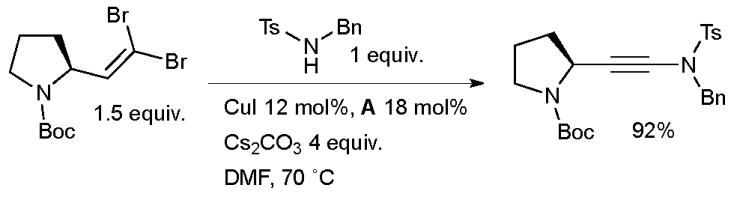
Synthesis of ynamides according to Evano.
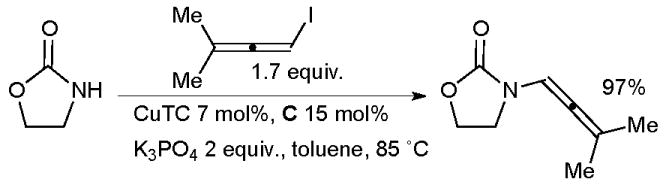
Synthesis of allenamides according to Trost.
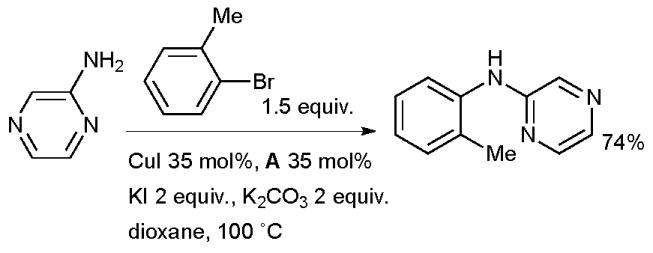
Arylation of heteroarylamines according to Liu.
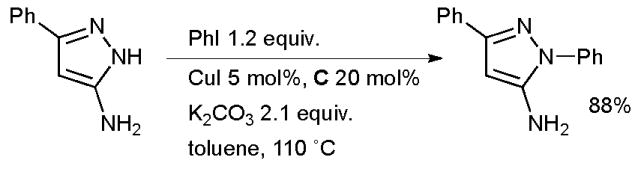
Cu-Catalyzed arylation of NH heterocycles.
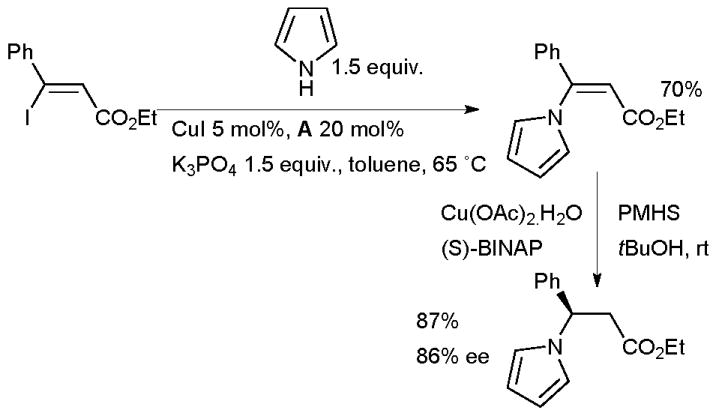
Synthesis of β-azaheterocyclic acid derivatives.

Synthesis of aryl nitro compounds according to Saito.

Synthesis of aryl azides by coupling of aryl halides and inorganic azide.
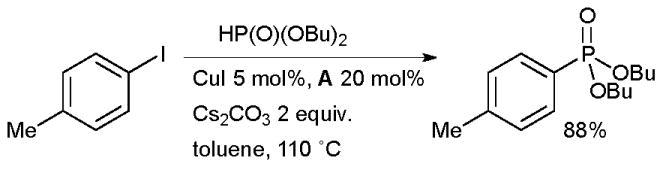
Cu-catalyzed coupling of secondary phosphites and aryl halides.
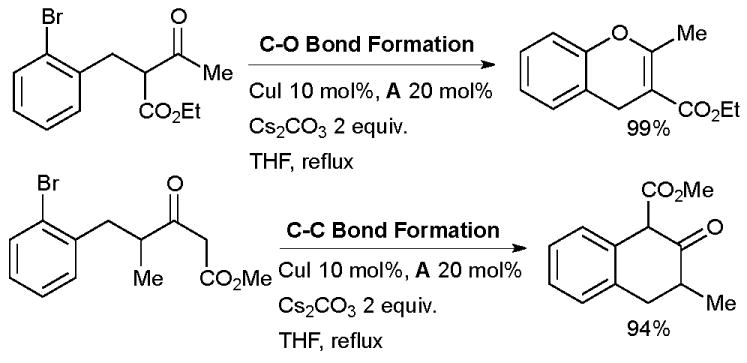
Selective, intramolecular arylation of enolates studied by Li.
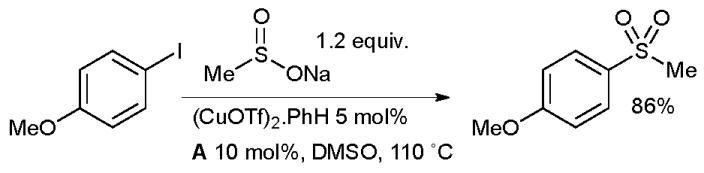
Merck Frosst synthesis of aryl sulfones.

Synthesis of benzonitriles according to Buchwald.
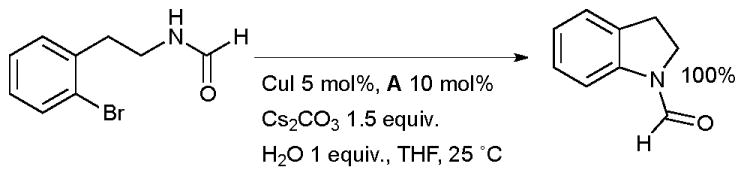
Synthesis of indolines according to Buchwald.
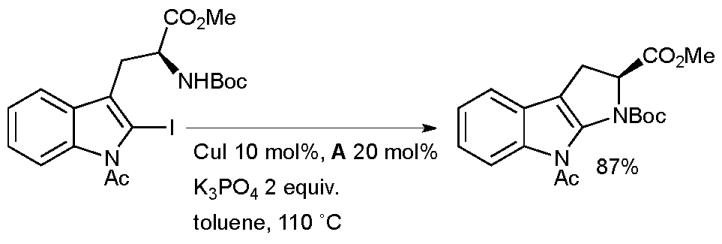
Synthesis of pyrroloindoles according to Evano.
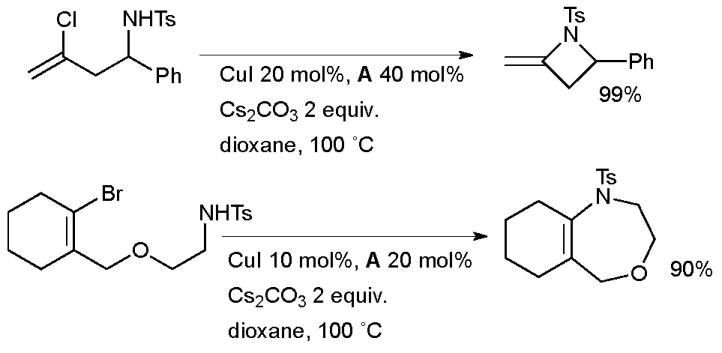
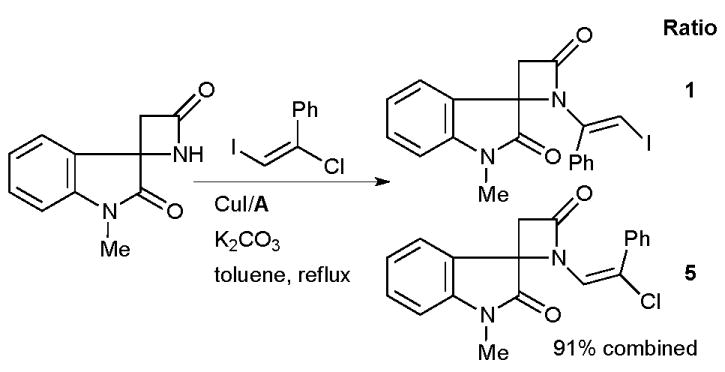
Li’s investigation of intramolecular amidation of vinyl halides.
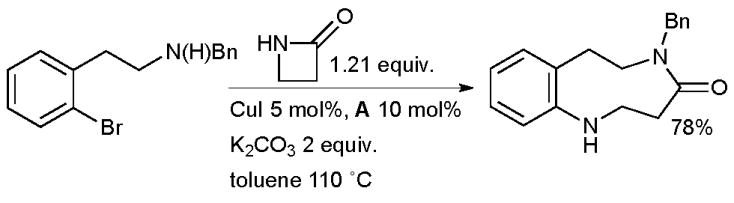
Synthesis of medium-ring nitrogen heterocycles by tandem cross-coupling/ring expansion.
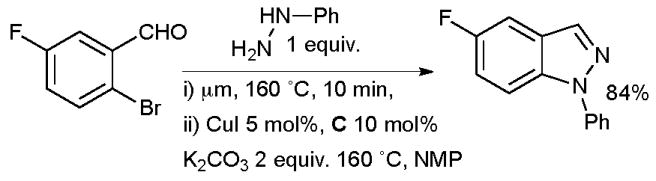
Albany Molecular Research synthesis of indazoles.
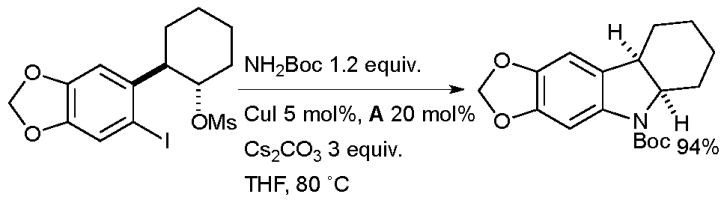
Synthesis of indolines according to Buchwald.
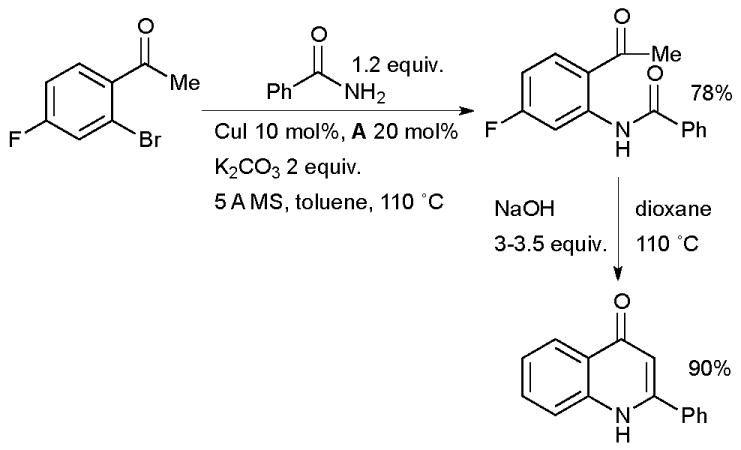
Synthesis of quinolones according to Buchwald.
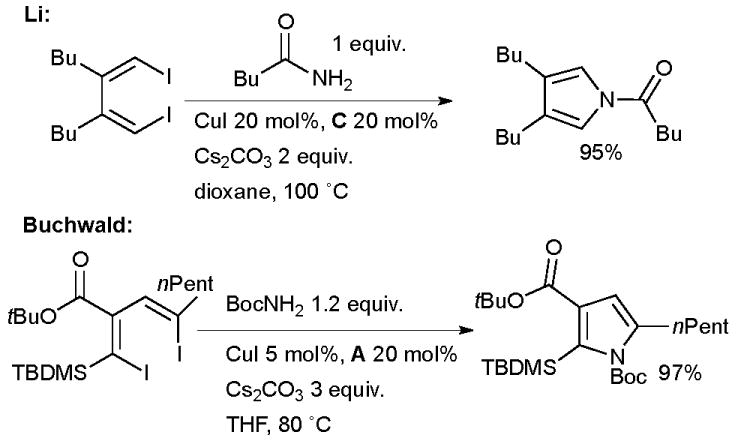
Synthesis of pyrroles according to Li and Buchwald.
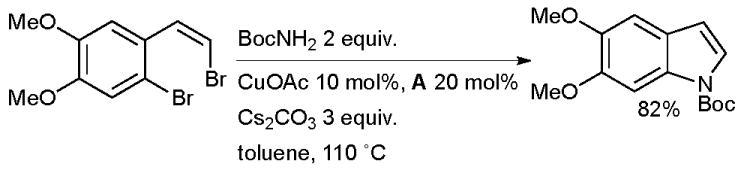
Synthesis of indoles according to Willis.
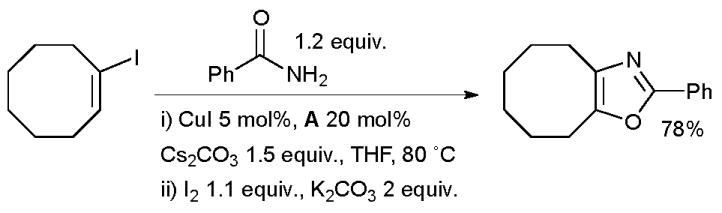
Synthesis of oxazoles according to Buchwald.
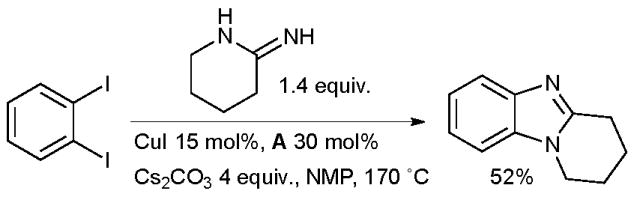
Johnson & Johnson synthesis of benzimidazoles.
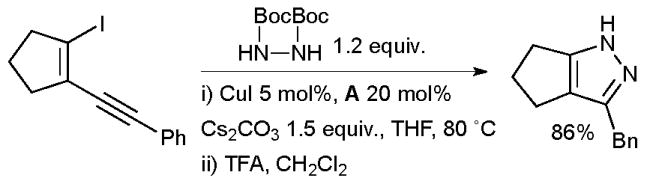
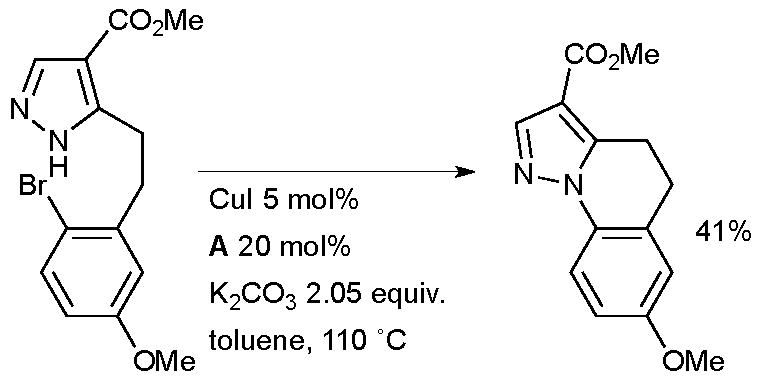
Synthesis of pyrrazoles according to Buchwald.
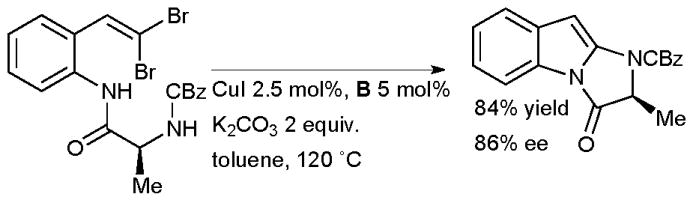
Synthesis of imidazoindolones according to Lautens.
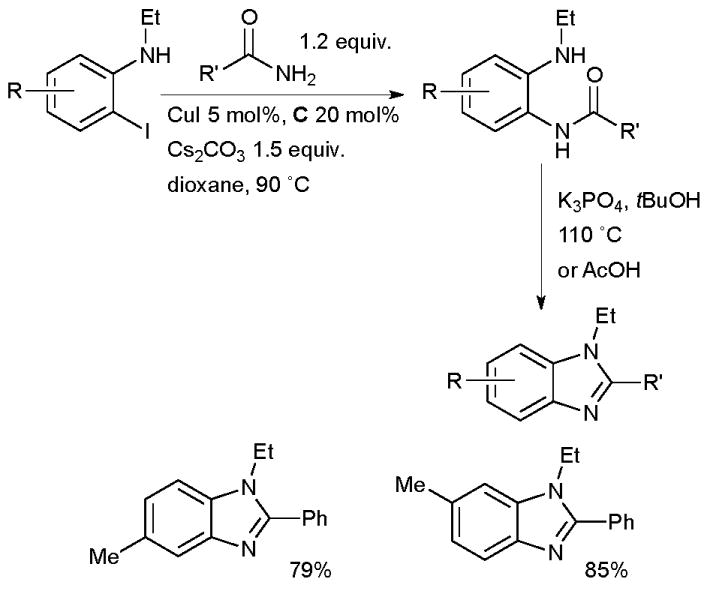
Synthesis of benzimidazoles according to Buchwald.
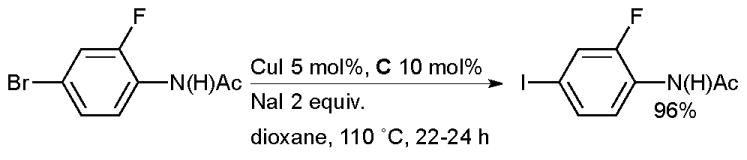
Cu-catalyzed halide exchange.
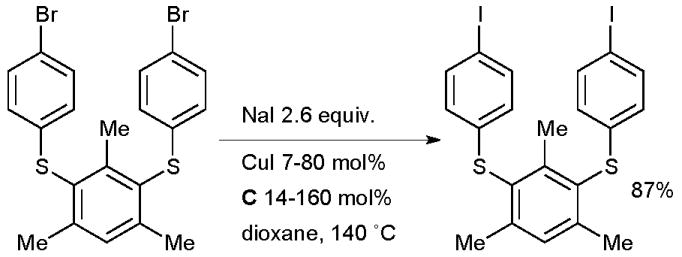
Vicente’s approach to thioether phenylene aryl iodide monomers
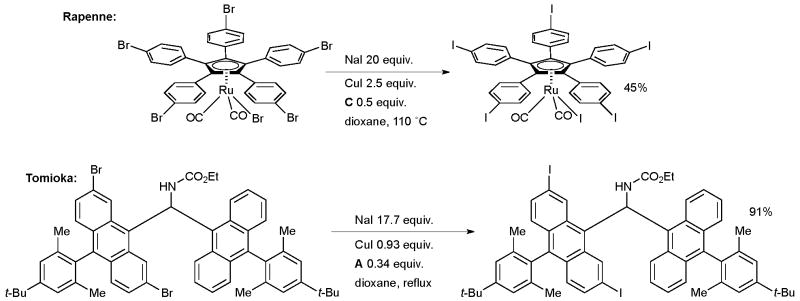
Applications of the aromatic Finkelstein reaction.
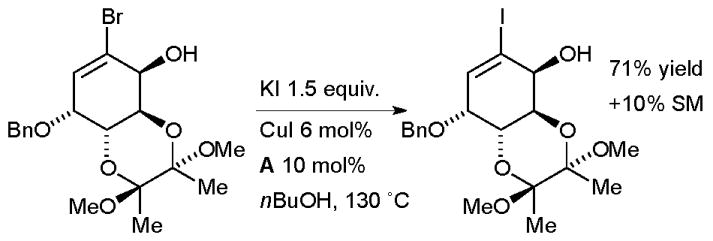
Whitehead’s synthesis of fluoroshikimic acid.
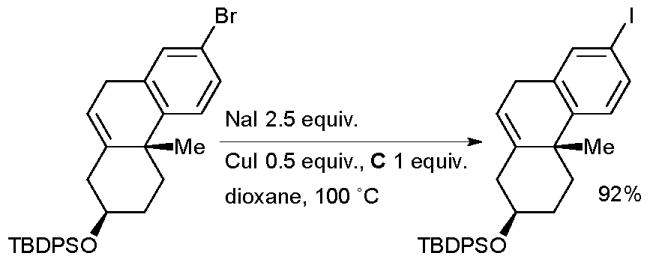
Synthesis of photoactivatable cholesterol surrogates according to Spencer.
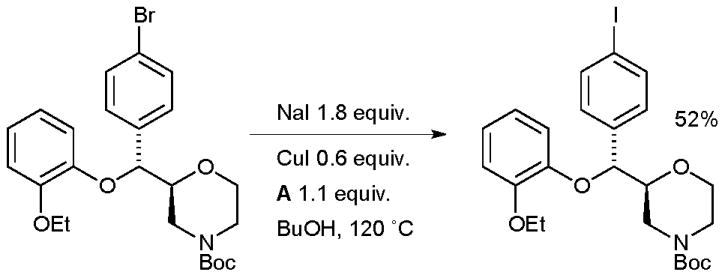
Synthesis of an iodinated reboxetine analogue according to Sutherland.
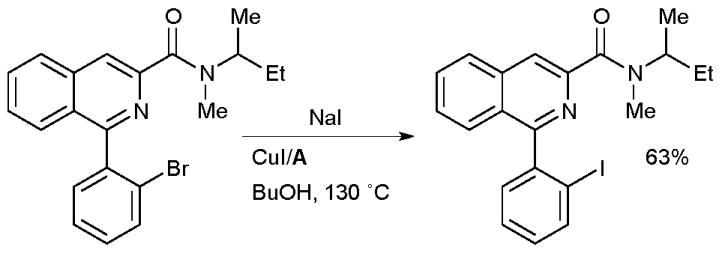
Sutherland’s synthesis of a peripheral benzodiazepine receptor ligand.
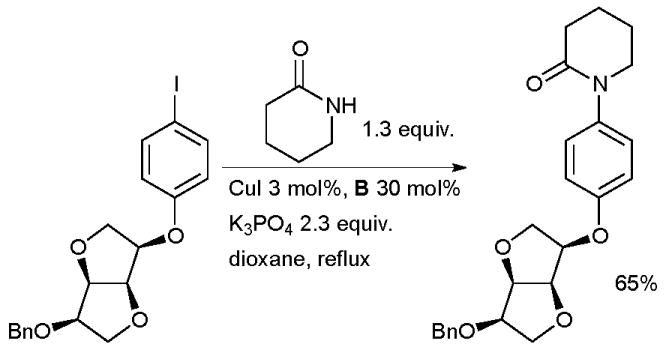
Koert’s synthesis of factor Xa inhibitors.
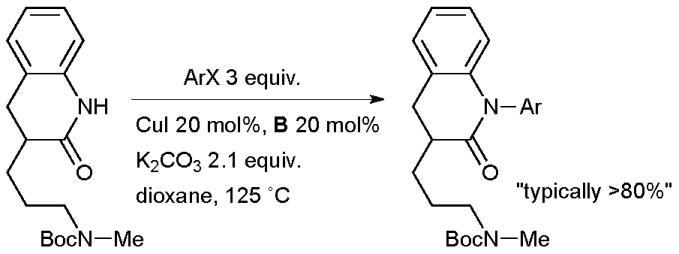
Eli Lilly synthesis of norepinephrine reuptake inhibitors.
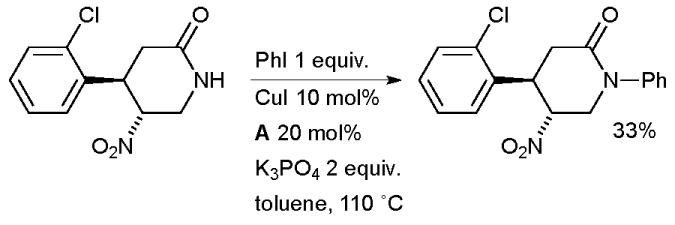
Abbott synthesis of dipeptidyl peptidase IV inhibitors.
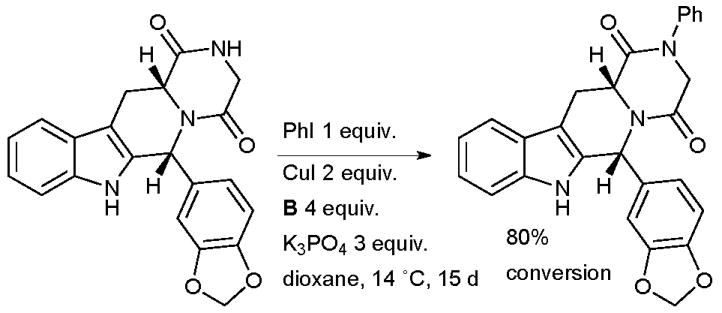
Beghyn’s study of tadalafil analogues.
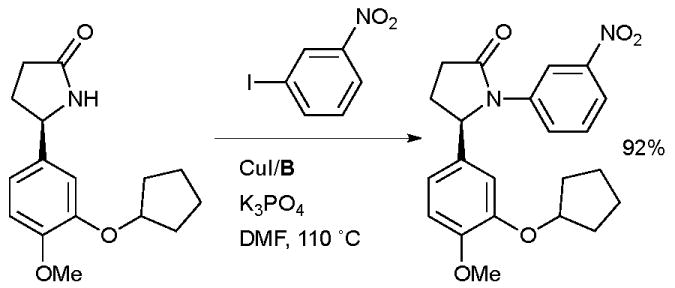
Synthesis of non-nucleoside reverse transcriptase inhibitors performed at the Genomics Institute of the Novartis Research Foundation.
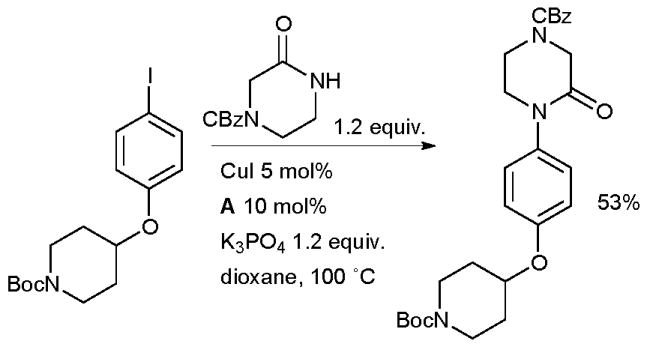
GlaxoSmithKline synthesis of histamine H3 receptor antagonists.
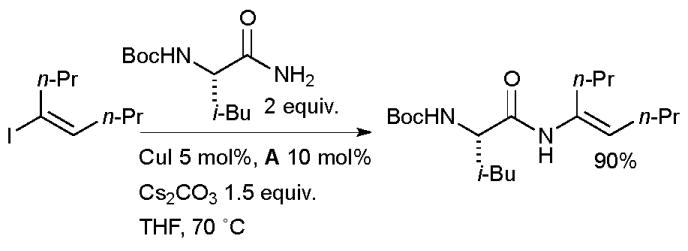
Bristols-Myers Squibb synthesis of enamides with aminopeptidase activity.
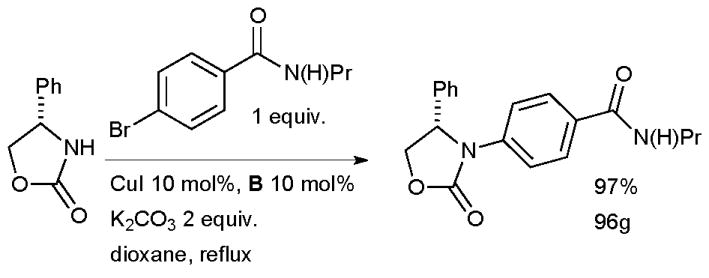
Pfizer synthesis of CJ-15,161, a κ-opioid receptor agonist.
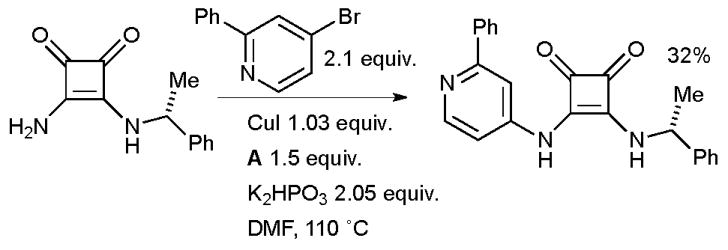
Wyeth synthesis of histamine H3 receptor antagonists.
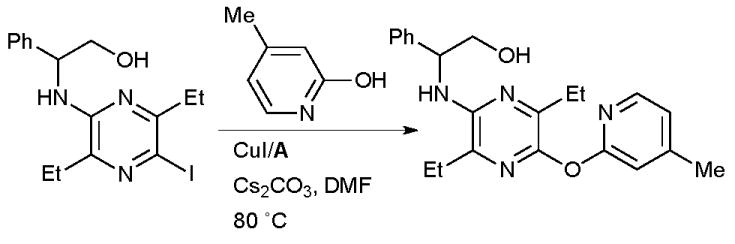
Pfizer synthesis of CRF1 receptor antagonists.
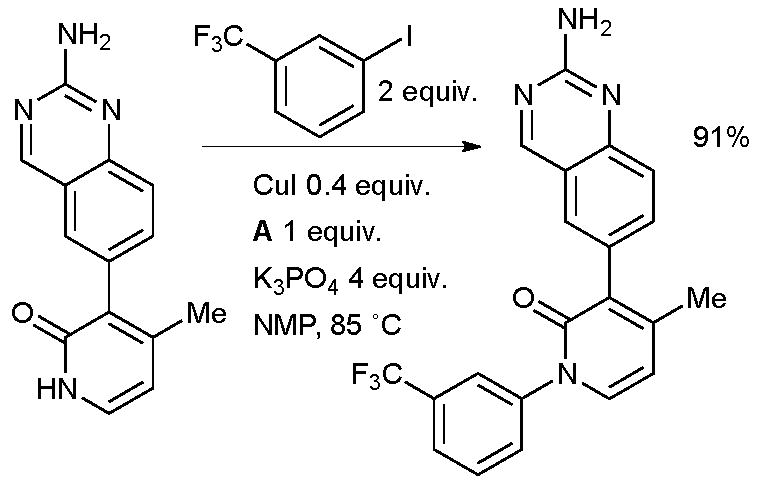
Amgen synthesis of inhibitors of receptor tyrosine kinase c-Kit.
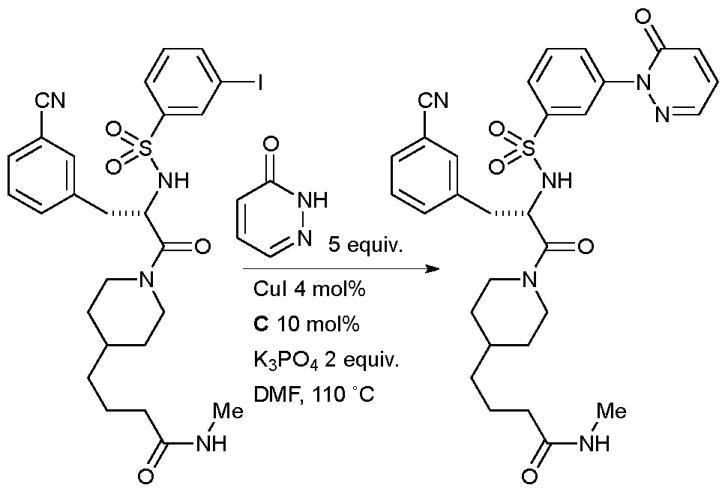
Steinmetzer’s synthesis of a matriptase inhibitor.
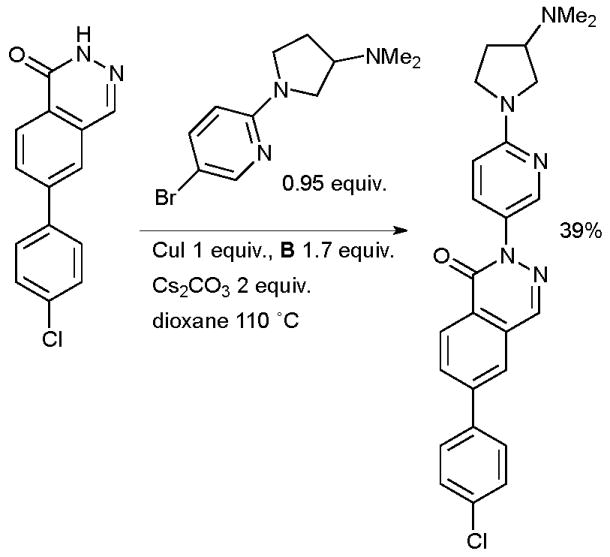
Neurocrine synthesis of melanin-concentrating hormone receptor 1 antagonists.
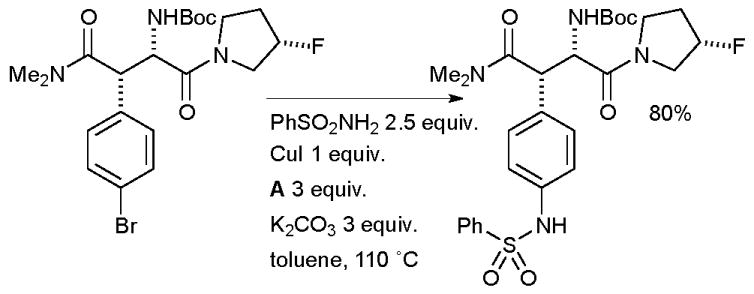
Merck synthesis of dipeptidyl peptidase IV inhibitors.
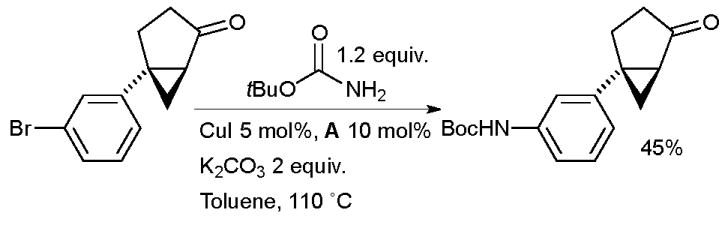
Schering-Plough synthesis of melanin-concentrating hormone receptor-1 antagonists.
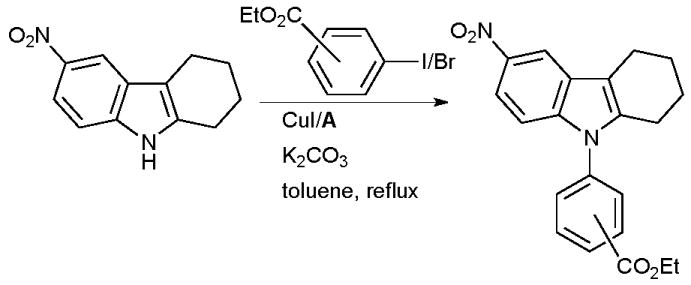
Athersys synthesis of ramatroban analogues.
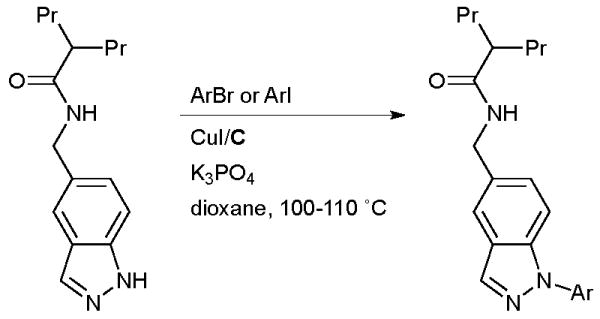
IRBM - Merck Research Laboratories synthesis of inhibitors of the hedgehog signaling pathway.
Merck synthesis of agonists of G-protein-coupled niacin receptor 109A.
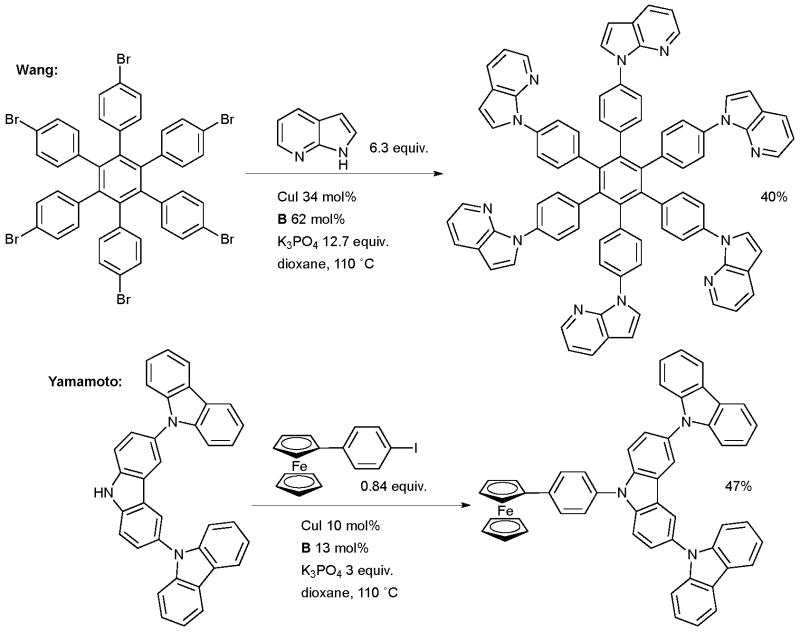
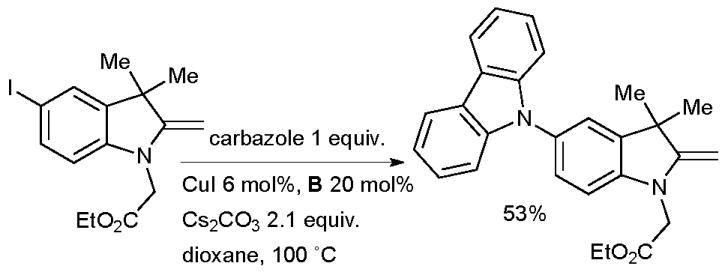
Applications of Cu/diamine-catalyzed cross-coupling in materials science.
Synthesis of energy transfer systems by Burgess.
Nishikawa and Isobe’s synthesis of chartelline alkaloids.
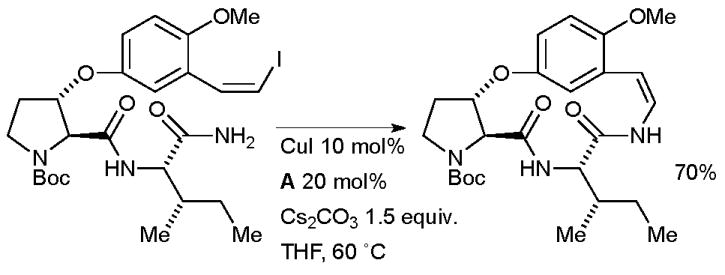
Evano’s synthesis of paliurine F.
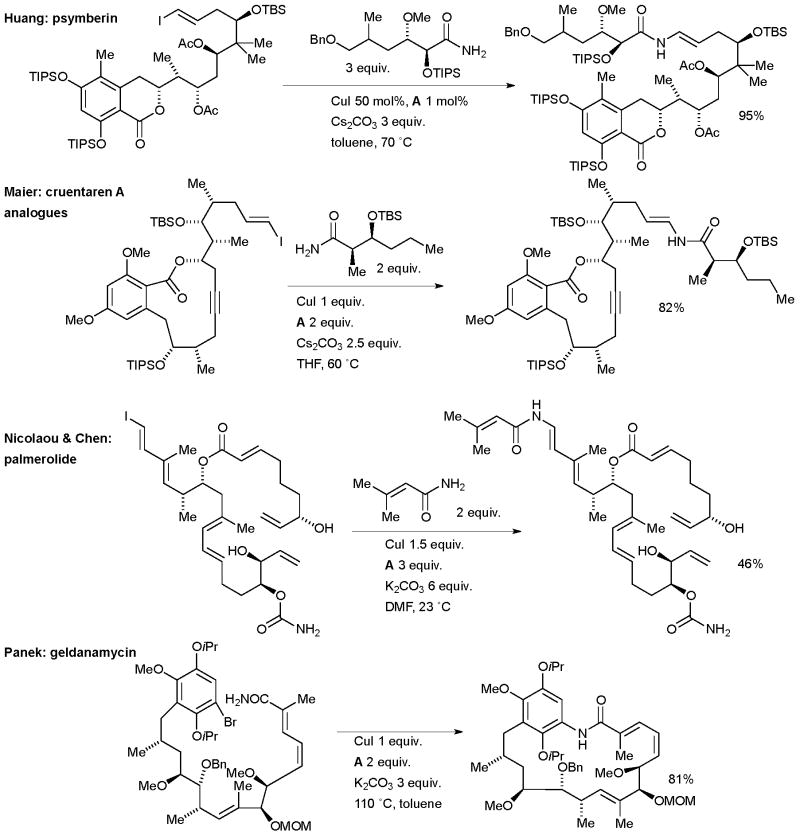
Applications of Cu/diamine-catalyzed cross-coupling in natural products synthesis.
Movassaghi’s synthesis of galbulimima alkaloid 13.
Charette’s synthesis of barrenazine alkaloids.
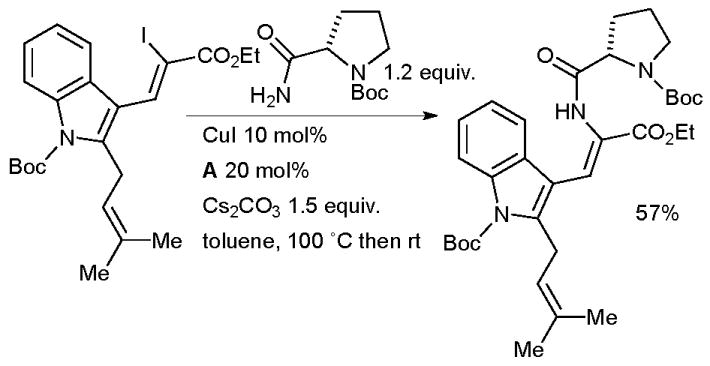
Stanovnik’s synthesis of tryprostatin B.
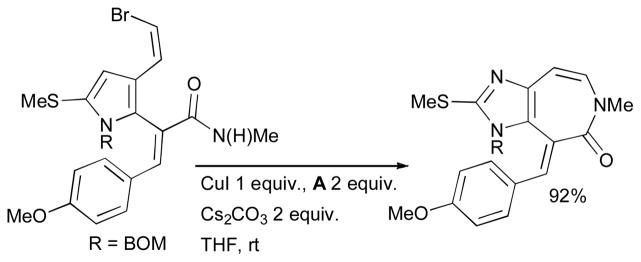
Andersen’s synthesis of ceratamine alkaloids.
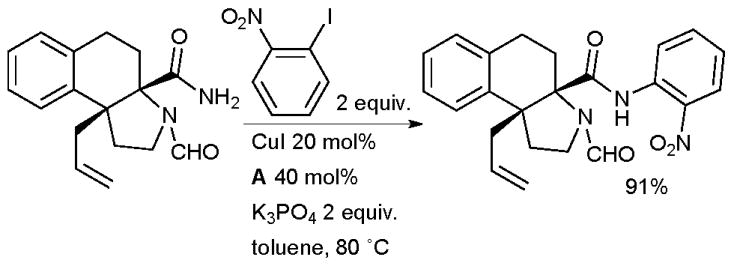
Kobayashi’s synthesis of hasubanan alkaloids.
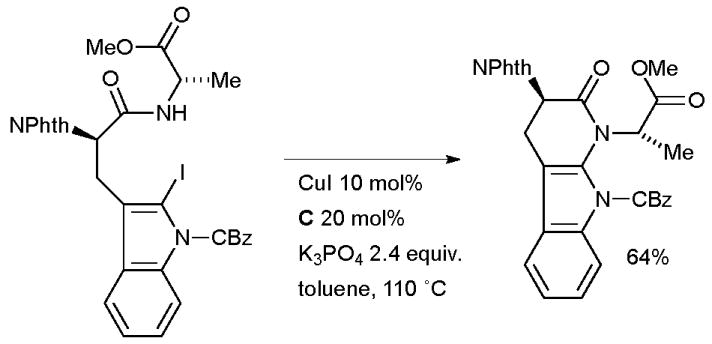
Evano’s synthesis of chaetominine.
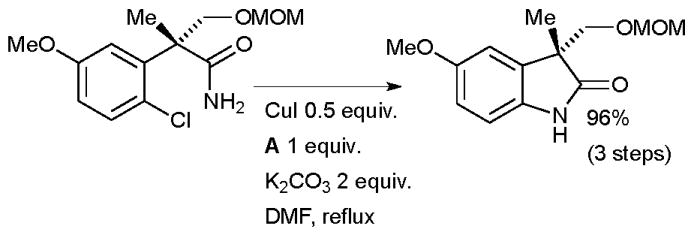
Nakada’s formal synthesis of physostigmine.
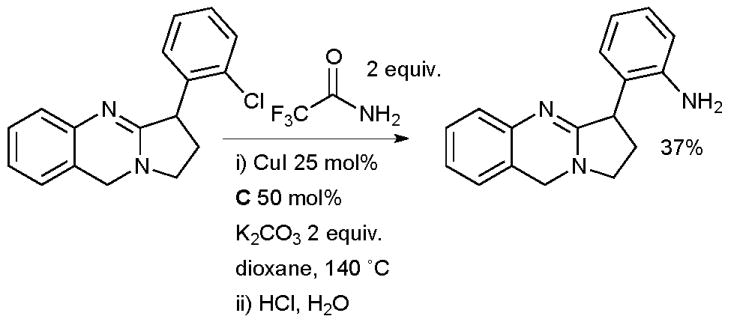
Bergman’s synthesis of vasicoline.
References
-
- Lindley J. Tetrahedron. 1984;40:1433–1456.
-
- Weingarten H. J Org Chem. 1964;29:3624–3626.
-
- Goodbrand HB, Hu NX. J Org Chem. 1999;64:670–674.
-
- Ma DW, Zhang YD, Yao JC, Wu SH, Tao FG. J Am Chem Soc. 1998;120:12459–12467.
-
- Oi R, Shimakawa C, Takenaka S. Chem Lett. 1988:899–900.
Grants and funding
LinkOut - more resources
Full Text Sources
Other Literature Sources
