


Molecular mechanisms of metabolic reprogramming in proliferating cells: implications for T-cell-mediated immunity
- PMID: 22384794
- PMCID: PMC3401974
- DOI: 10.1111/j.1365-2567.2012.03583.x
Molecular mechanisms of metabolic reprogramming in proliferating cells: implications for T-cell-mediated immunity
Abstract
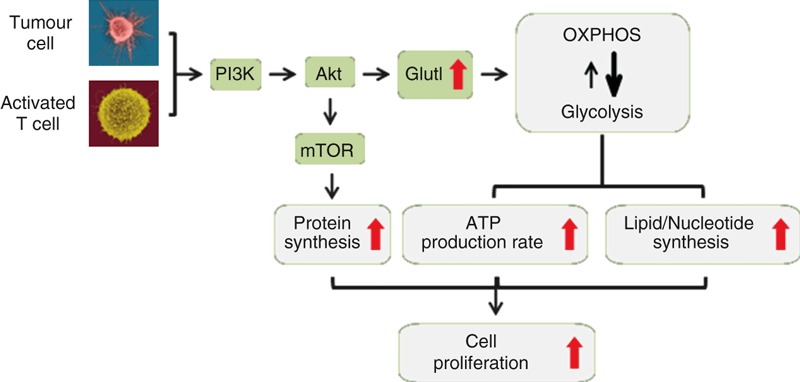
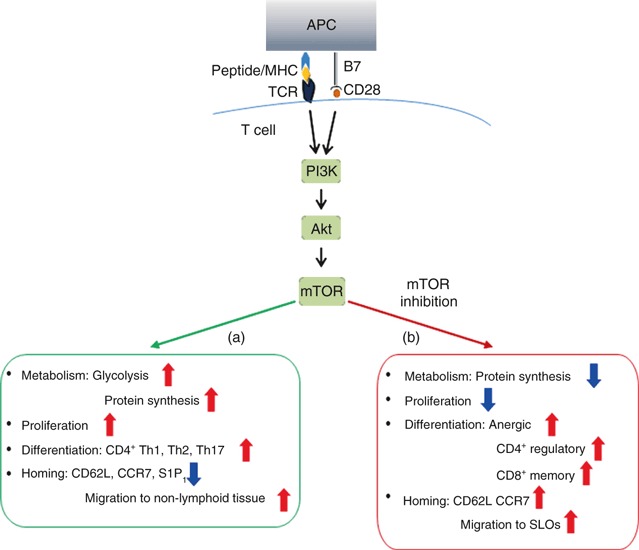
To engage in proliferation, cells need to increase their biomass and replicate their genome. This process presents a substantial bioenergetic challenge: proliferating cells must increase ATP production and acquire or synthesize raw materials, including lipids, proteins and nucleic acids. To do so, proliferating cells actively reprogramme their intracellular metabolism from catabolic mitochondrial oxidative phosphorylation (OXPHOS) to glycolysis and other anabolic pathways. This metabolic reprogramming, which directs nutrient uptake and metabolism during cell activation and proliferation, is under the control of specific signal transduction pathways. The underlying molecular mechanisms of cell metabolism reprogramming and their relevance to physiology and disease are currently under intense study. Several reports have uncovered the mechanisms of metabolic reprogramming that drive high rates of cell proliferation in cancer. Some recent studies have elucidated the physiological role of metabolic reprogramming during T-cell activation, differentiation and trafficking, which are potentially relevant to inflammatory disorders. This review describes the impact of metabolic reprogramming on the pathogenesis of cancer and the physiology of T-cell-mediated immune responses, with an emphasis on the phosphatidyl inositol 3-kinase-serine/threonine kinase-mammalian target of rapamycin pathway and the recently discovered metabolic processes regulated by nuclear factor-κB. These discoveries will hopefully translate into a better understanding of the role of metabolic reprogramming as a key regulator of T-cell-mediated immune responses and offer novel, immune-based therapeutic approaches.
© 2012 The Authors. Immunology © 2012 Blackwell Publishing Ltd.
Figures
References
-
- Warburg O. On respiratory impairment in cancer cells. Science. 1956;124:269. - PubMed
-
- Warburg O. On the origin of cancer cells. Science. 1956;123:309. - PubMed
-
- Koppenol WH, Bounds PL, Dang CV. Otto Warburg’s contributions to current concepts of cancer metabolism. Nat Rev Cancer. 2011;11:325. - PubMed
-
- Hatzivassiliou G, Zhao F, Bauer DE, et al. ATP citrate lyase inhibition can suppress tumor cell growth. Cancer Cell. 2005;8:311. - PubMed
Publication types
MeSH terms
Substances
Grants and funding
LinkOut - more resources
Full Text Sources
Other Literature Sources
Miscellaneous
