


In vitro cardiovascular effects of dihydroartemisin-piperaquine combination compared with other antimalarials
- PMID: 22391528
- PMCID: PMC3370756
- DOI: 10.1128/AAC.05688-11
In vitro cardiovascular effects of dihydroartemisin-piperaquine combination compared with other antimalarials
Abstract
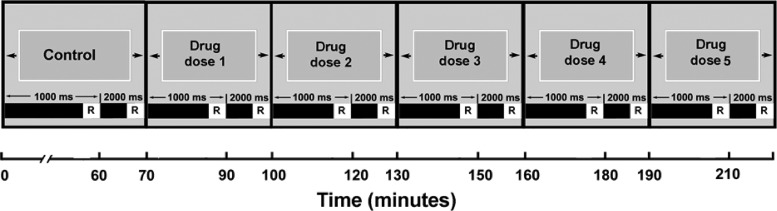
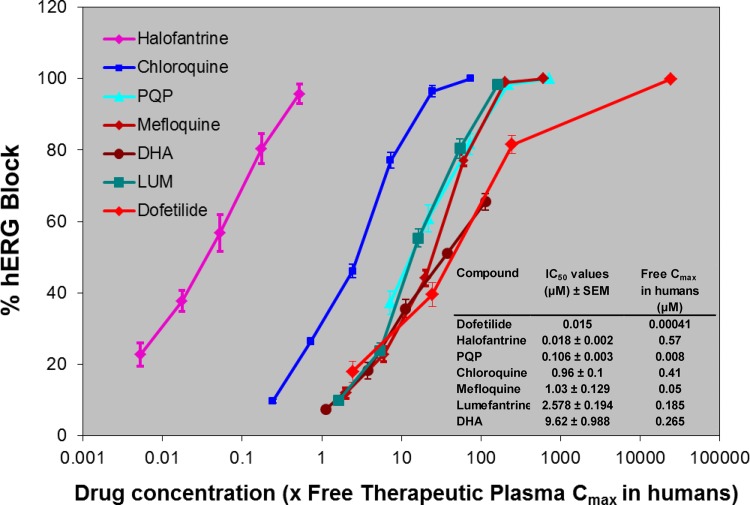
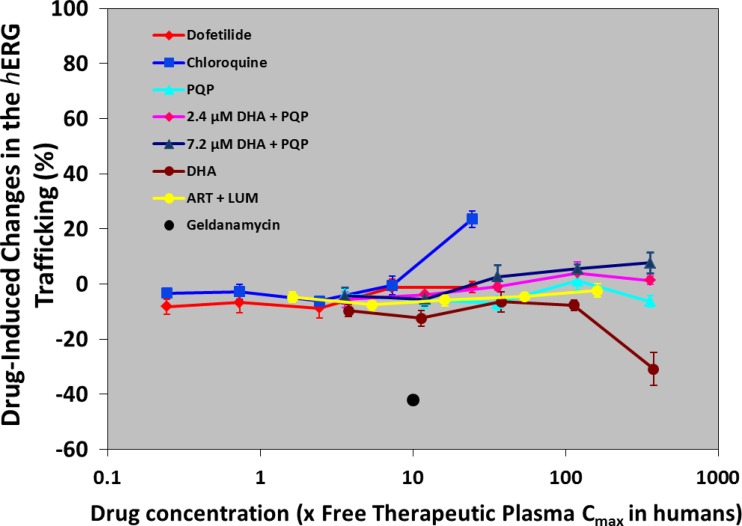
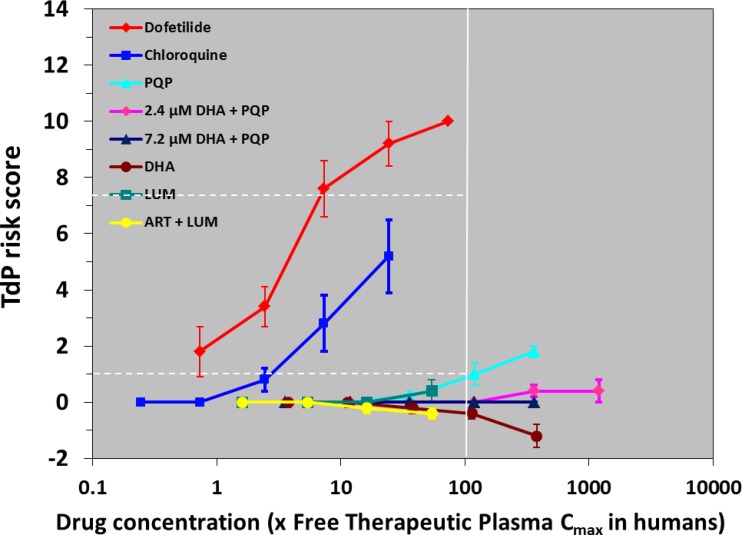
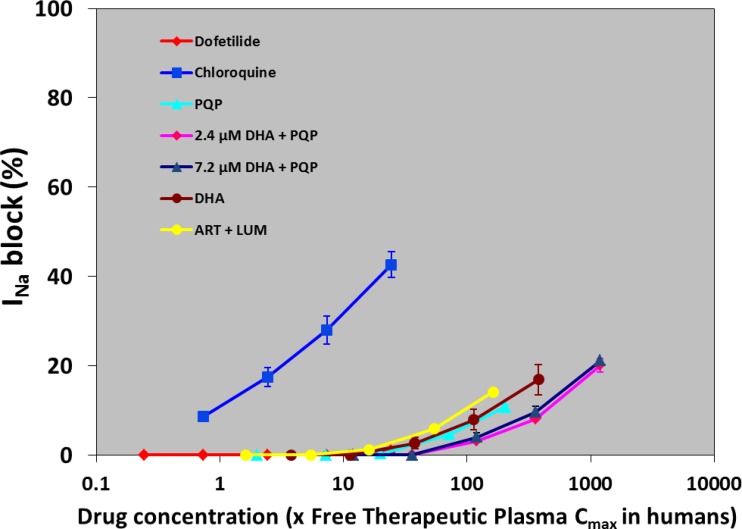
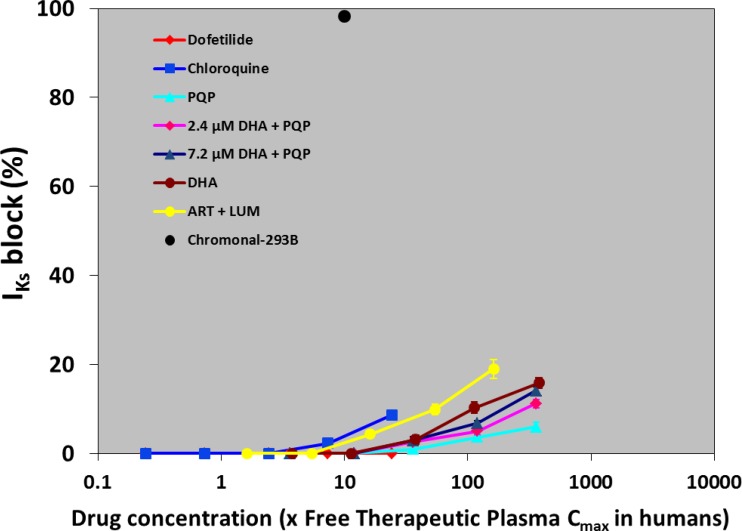
The in vitro cardiac properties of dihydroartemisinin (DHA) plus piperaquine phosphate (PQP) were compared with those of other antimalarial compounds. Results with antimalarial drugs, chosen on the basis of their free therapeutic maximum concentration in plasma (C(max)), were expressed as the fold of that particular effect with respect to their C(max). The following tests were used at 37 °C: hERG (human ether-à-go-go-related gene) blockade and trafficking, rabbit heart ventricular preparations, and sodium and slow potassium ion current interference (I(Na) and I(Ks), respectively). Chloroquine, halofantrine, mefloquine, and lumefantrine were tested in the hERG studies, but only chloroquine, dofetilide, lumefantrine, and the combination of artemether-lumefantrine were used in the rabbit heart ventricular preparations, hERG trafficking studies, and I(Na) and I(Ks) analyses. A proper reference was used in each test. In hERG studies, the high 50% inhibitory concentration (IC(50)) of halofantrine, which was lower than its C(max), was confirmed. All the other compounds blocked hERG, with IC(50)s ranging from 3- to 30-fold their C(max)s. In hERG trafficking studies, the facilitative effects of chloroquine at about 30-fold its C(max) were confirmed and DHA blocked it at a concentration about 300-fold its C(max). In rabbit heart ventricular preparations, dofetilide, used as a positive control, revealed a high risk of torsades de pointes, whereas chloroquine showed a medium risk. Neither DHA-PQP nor artemether-lumefantrine displayed an in vitro signal for a significant proarrhythmic risk. Only chloroquine blocked the I(Na) ion current and did so at about 30-fold its C(max). No effect on I(Ks) was detected. In conclusion, despite significant hERG blockade, DHA-PQP and artemether-lumefantrine do not appear to induce potential torsadogenic effects in vitro, affect hERG trafficking, or block sodium and slow potassium ion currents.
Figures
References
-
- Anonymous 2005. Medicines and QT prolongation. Aust. Adverse Drug React. Bull. 24:1–4
-
- Ashley EA, et al. 2004. Randomized, controlled dose-optimization studies of dihydroartemisinin-piperaquine for the treatment of uncomplicated multidrug-resistant falciparum malaria in Thailand. J. Infect. Dis. 190:1773–1782 - PubMed
-
- Ashley EA, et al. 2005. A randomized controlled study of a simple once daily regimen of dihydroartemisinin-piperaquine for the treatment of uncomplicated multidrug-resistant falciparum malaria. Clin. Infect. Dis. 41:425–432 - PubMed
-
- Belardinelli L, Shryock JC, Wu L, Song Y. 2005. Use of preclinical assays to predict risk of drug induced torsades de pointes. Heart Rhythm. 2:S16–S22 - PubMed
Publication types
MeSH terms
Substances
LinkOut - more resources
Full Text Sources
