


Adaptive auto-regulation of androgen receptor provides a paradigm shifting rationale for bipolar androgen therapy (BAT) for castrate resistant human prostate cancer
- PMID: 22396319
- PMCID: PMC3374010
- DOI: 10.1002/pros.22504
Adaptive auto-regulation of androgen receptor provides a paradigm shifting rationale for bipolar androgen therapy (BAT) for castrate resistant human prostate cancer
Abstract
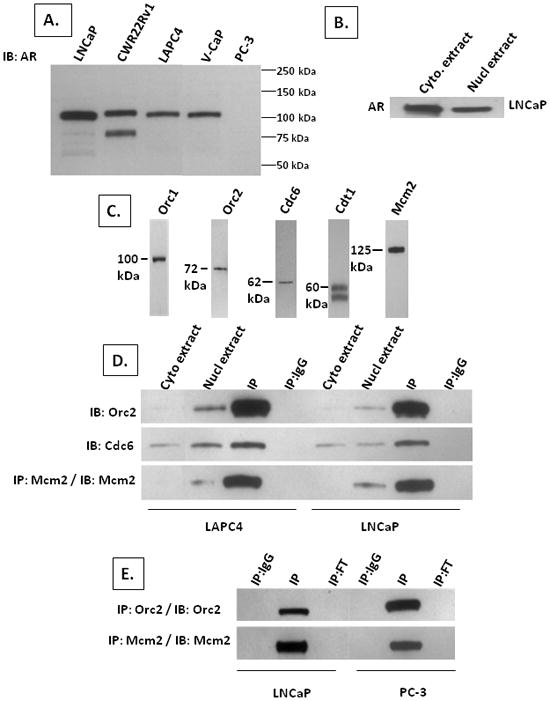
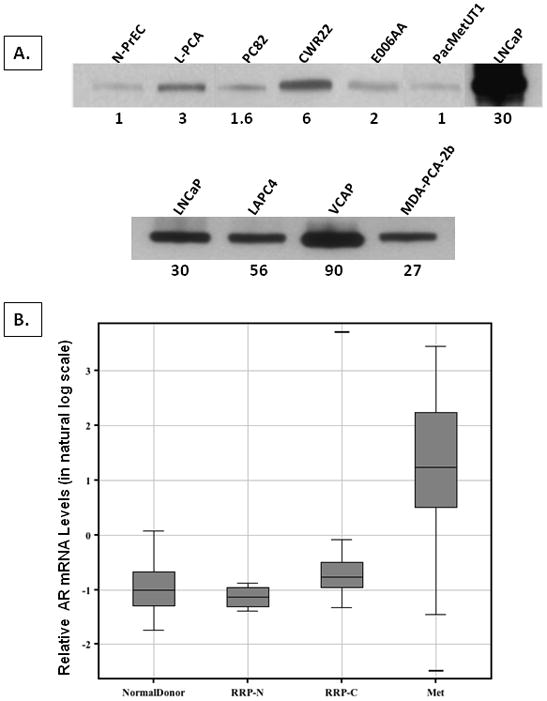
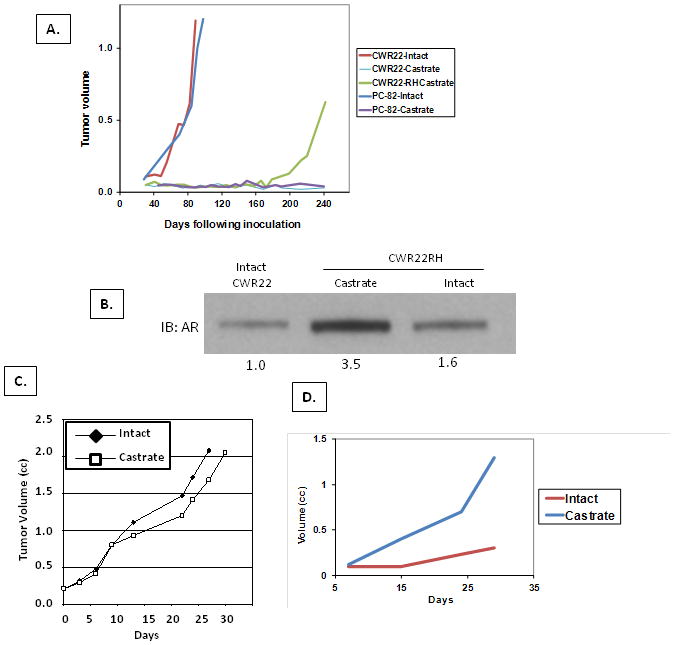
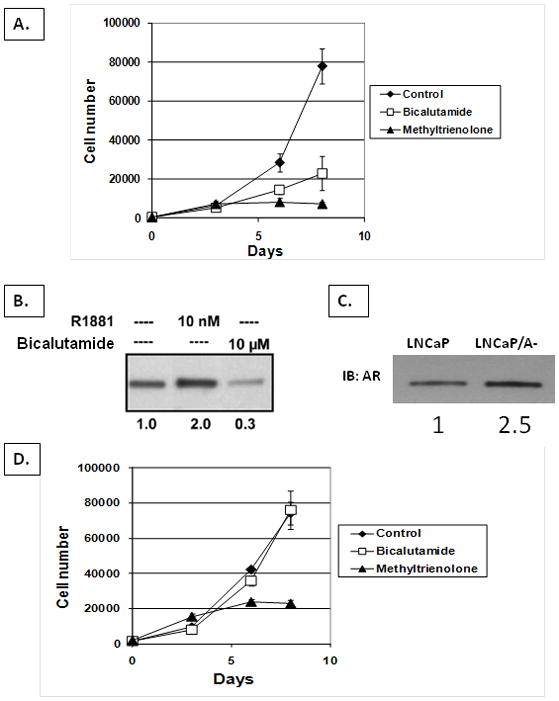
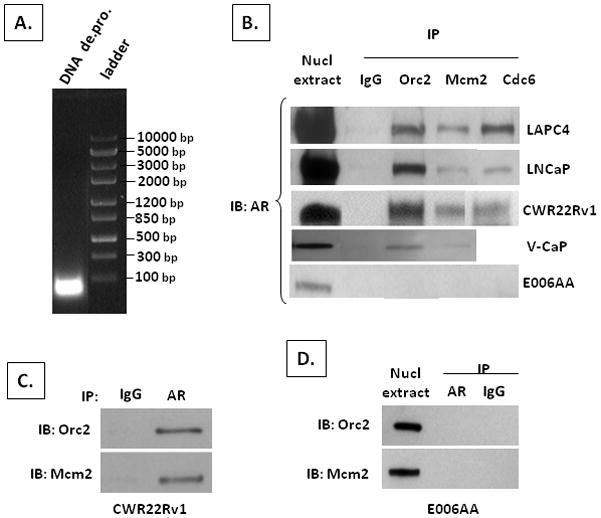
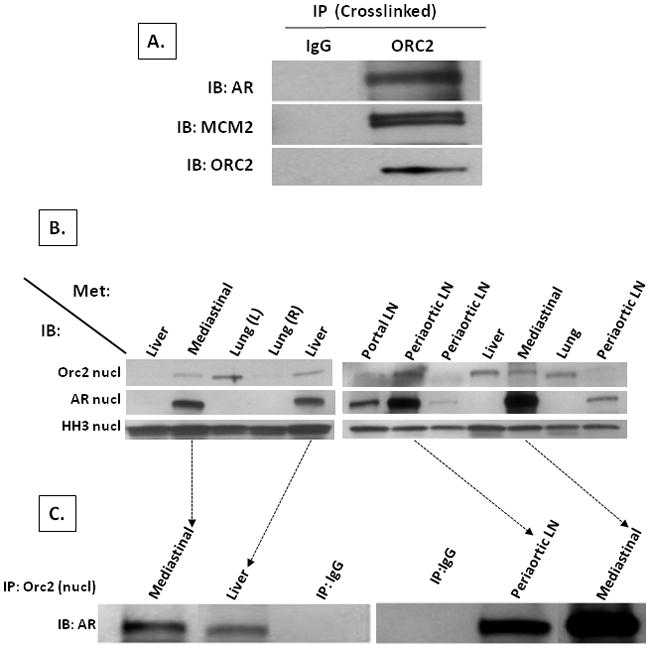
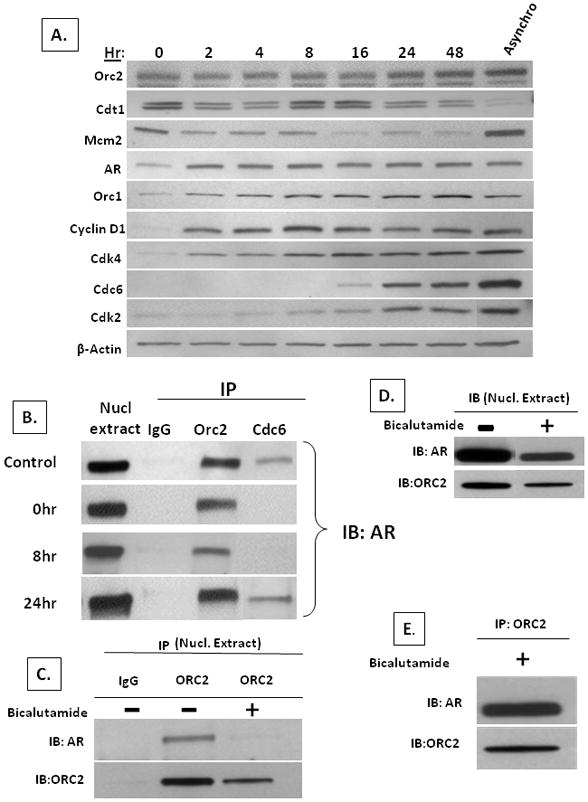
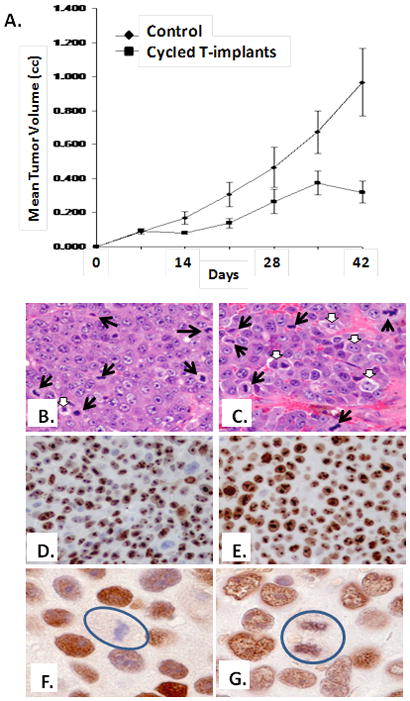
Cell culture/xenograft and gene arrays of clinical material document that development of castration resistant prostate cancer (CRPC) cells involves acquisition of adaptive auto-regulation resulting in >25-fold increase in Androgen Receptor (AR) protein expression in a low androgen environment. Such adaptive AR increase paradoxically is a liability in castrated hosts, however, when supraphysiologic androgen is acutely replaced. Cell synchronization/anti-androgen response is due to AR binding to replication complexes (RC) at origin of replication sites (ORS) in early G1 associated with licensing/restricting DNA for single round of duplication during S-phase. When CRPC cells are acutely exposed to supraphysiologic androgen, adaptively increased nuclear AR is over-stabilized, preventing sufficient degradation in mitosis, inhibiting DNA re-licensing, and thus death in the subsequent cell cycle. These mechanistic results and the fact that AR/RC binding occurs in metastatic CRPCs directly from patients provides a paradigm shifting rationale for bipolar androgen therapy (BAT) in patient progressing on chronic androgen ablation. BAT involves giving sequential cycles alternating between periods of acute supraphysiologic androgen followed by acute ablation to take advantage of vulnerability produced by adaptive auto-regulation and binding of AR to RC in CRPC cells. BAT therapy is effective in xenografts and based upon positive results has entered clinical testing.
Copyright © 2012 Wiley Periodicals, Inc.
Conflict of interest statement
Figures
References
-
- Litvinov IV, De Marzo AM, Isaacs JT. Is the Achilles’ heel for prostate cancer therapy a gain of function in androgen receptor signaling? J Clin Endocrinol Metab. 2003;88:2972–82. - PubMed
-
- Chen CD, Welsbie DS, Tran C, et al. Molecular determinants of resistance to antiandrogen therapy. Nat Med. 2004;10:33–9. - PubMed
-
- Shah RB, Mehra R, Chinnaiyan AM, et al. Androgen-independent prostate cancer is a heterogeneous group of diseases: lessons from a rapid autopsy program. Cancer Res. 2004;64:9209–16. - PubMed
Publication types
MeSH terms
Substances
Grants and funding
LinkOut - more resources
Full Text Sources
Medical
Research Materials
