


Barriers and bridges to infection prevention and control: results of a qualitative case study of a Netherlands' surgical unit
- PMID: 22397818
- PMCID: PMC3298832
- DOI: 10.1136/bmjopen-2011-000511
Barriers and bridges to infection prevention and control: results of a qualitative case study of a Netherlands' surgical unit
Abstract
Objectives: The objectives of the study are to observe the overall work environment including infection prevention and control (IP&C) practices on the target surgical unit; to analyse the policies and procedures in the hospital and unit environments; to analyse the barriers and bridges to IP&C that practitioners identify in visual narratives of their unit environment and to collect monthly specific IP&C-related anonymised data.
Design: In this qualitative case study analysis, a socio-ecological approach on health systems informed the research design and provided a framework to better understand the complexity of implementing effective IP&C.
Setting: The study was conducted on a surgical unit at a Netherlands' hospital that reported successful reductions in the prevalence of targeted multidrug-resistant organisms.
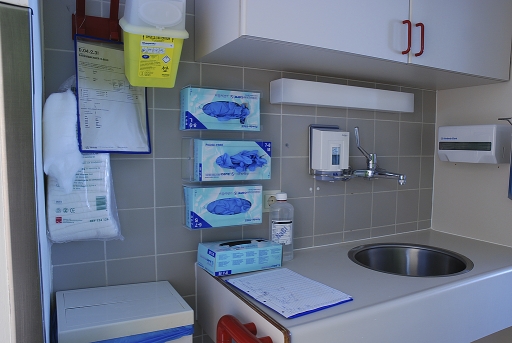
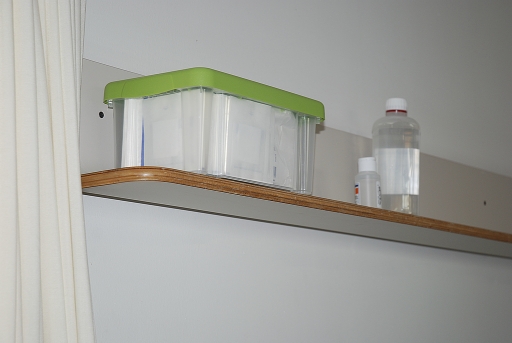
Methods: Research methods included unit observations (n=3), review of relevant policies and procedures, five practitioner-led photo walkabouts of the unit (n=7), three photo elicitation focus groups with practitioners (n=13) and the review of related IP&C data.
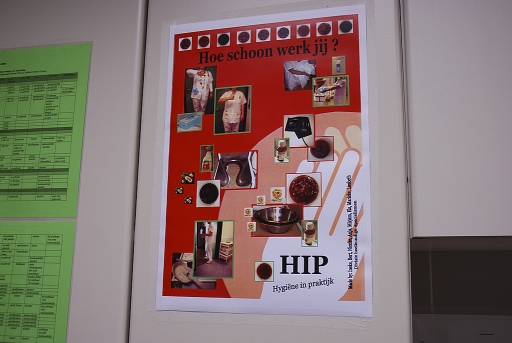
Results: The findings indicate some conditions and processes present that may influence the low prevalence of multidrug-resistant organisms, including the 'search and destroy' active surveillance strategy, low occupancy rates, a centralised bed cleaning system and the presence of an active grass roots Hygiene in Practice group, which engages practitioners in several ongoing activities to promote IP&C on the units.
Conclusions: Further research on the benefits of practitioner-led community of practices on IP&C practices such as the Hygiene in Practice group is also recommended. Additional case studies to compare theses practices with other acute care hospital around the world would be a valuable way to better understand what IP&C programmes are most effective in which contexts and for what reasons. Further data are available by contacting the primary author directly.
Conflict of interest statement
Figures
References
-
- Brooklyn Antibiotic Resistance Task Force The cost of antibiotic resistance: effect of resistance among Staphylococcus aureus, Klebsiella pneumoniae, Acinetobacter baumannii, and Pseudomonas aeruginosa on length of hospital stay. Infect Control Hosp Epidemiol 2002;23:106–8 - PubMed
-
- Song X, Srinivasan A, Plaut D, et al. Effect of nosocomial vancomycin-resistant enterococcal bacteremia on mortality, length of stay and costs. Infect Control Hosp Epidemiol 2003;24:251–6 - PubMed
-
- Cosgrove SE. The relationship between antimicrobial resistance and patient outcomes: mortality, length of hospital stay and health care costs. Clin Infect Dis 2006;42(Suppl 2):S82–9 - PubMed
-
- Zoutman DE, Ford BD. The relationship between hospital infection surveillance and control activities and antibiotic-resistant pathogen rates. Am J Infect Control 2005;33:1–5 - PubMed
-
- West TE, Guerry C, Hiott M, et al. Effect of targeted surveillance for control of methicillin-resistant Staphylococcus aureus in a community hospital system. Infect Control Hosp Epidemiol 2006;27:233–8 - PubMed
LinkOut - more resources
Full Text Sources
