


Niacin and biosynthesis of PGD₂by platelet COX-1 in mice and humans
- PMID: 22406532
- PMCID: PMC3314457
- DOI: 10.1172/JCI59262
Niacin and biosynthesis of PGD₂by platelet COX-1 in mice and humans
Abstract
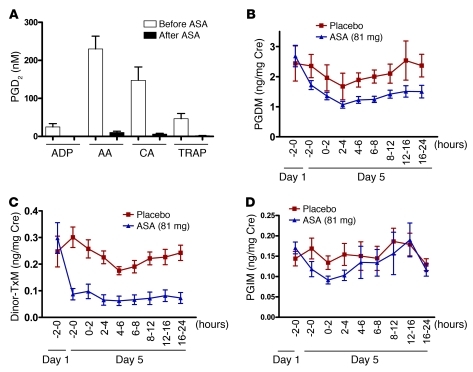
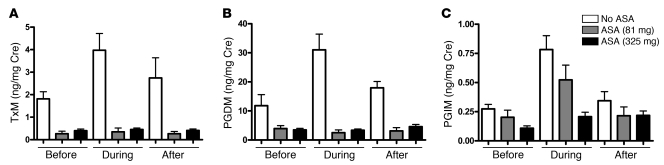
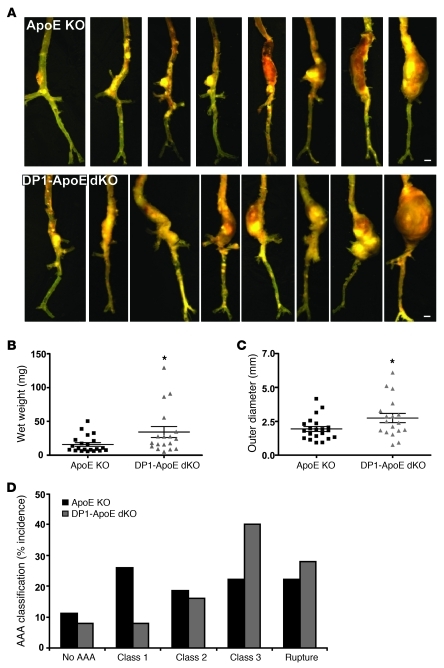
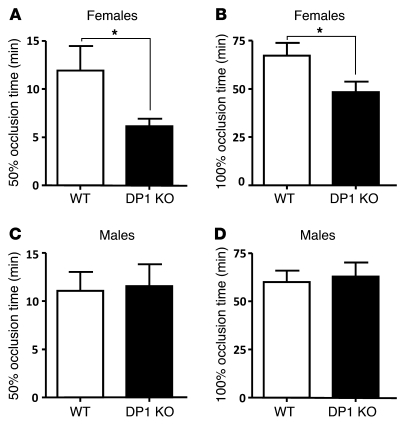
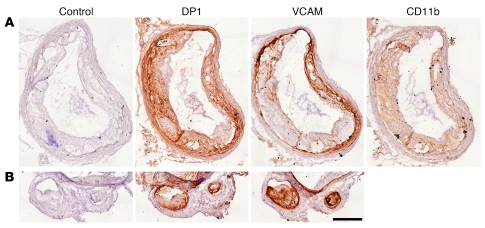
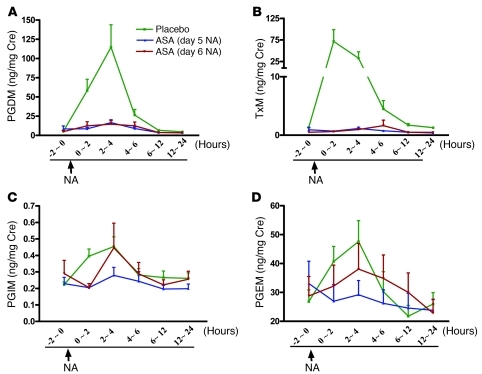
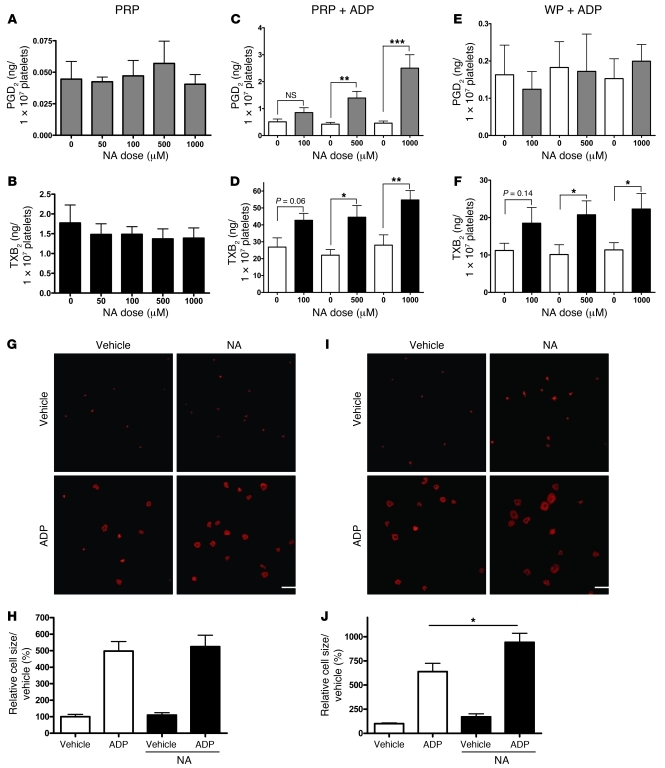
The clinical use of niacin to treat dyslipidemic conditions is limited by noxious side effects, most commonly facial flushing. In mice, niacin-induced flushing results from COX-1-dependent formation of PGD₂ and PGE₂ followed by COX-2-dependent production of PGE₂. Consistent with this, niacin-induced flushing in humans is attenuated when niacin is combined with an antagonist of the PGD₂ receptor DP1. NSAID-mediated suppression of COX-2-derived PGI₂ has negative cardiovascular consequences, yet little is known about the cardiovascular biology of PGD₂. Here, we show that PGD₂ biosynthesis is augmented during platelet activation in humans and, although vascular expression of DP1 is conserved between humans and mice, platelet DP1 is not present in mice. Despite this, DP1 deletion in mice augmented aneurysm formation and the hypertensive response to Ang II and accelerated atherogenesis and thrombogenesis. Furthermore, COX inhibitors in humans, as well as platelet depletion, COX-1 knockdown, and COX-2 deletion in mice, revealed that niacin evoked platelet COX-1-derived PGD₂ biosynthesis. Finally, ADP-induced spreading on fibrinogen was augmented by niacin in washed human platelets, coincident with increased thromboxane (Tx) formation. However, in platelet-rich plasma, where formation of both Tx and PGD₂ was increased, spreading was not as pronounced and was inhibited by DP1 activation. Thus, PGD₂, like PGI₂, may function as a homeostatic response to thrombogenic and hypertensive stimuli and may have particular relevance as a constraint on platelets during niacin therapy.
Figures
References
-
- Urade Y, Hayaishi O. Prostaglandin D synthase: structure and function. Vitam Horm. 2000;58:89–120. - PubMed
-
- O’Sullivan S, Dahlen B, Dahlen SE, Kumlin M. Increased urinary excretion of the prostaglandin D2 metabolite 9 alpha, 11 beta-prostaglandin F2 after aspirin challenge supports mast cell activation in aspirin-induced airway obstruction. J Allergy Clin Immunol. 1996;98(2):421–432. doi: 10.1016/S0091-6749(96)70167-7. - DOI - PubMed
Publication types
MeSH terms
Substances
Grants and funding
LinkOut - more resources
Full Text Sources
Medical
Molecular Biology Databases
Research Materials
Miscellaneous
