. 2012 Mar 16;148(6):1099-109.
doi: 10.1016/j.cell.2012.02.023.

Life in the fast lane: mammalian disease models in the genomics era

Affiliations

Life in the fast lane: mammalian disease models in the genomics era

Lukas E Dow et al. Cell. .

Abstract

Analyses of the human genome have proven extremely successful in identifying changes that contribute to human disease. Genetically engineered mice provide a powerful tool to analyze these changes, although they are slow and costly and do not always recapitulate human biology. Recent advances in genomic technologies, rodent-modeling approaches, and the production of patient-derived reprogrammed cell lines now provide a plethora of complementary systems to study disease states and test new therapies. Continued evolution and integration of these model systems will be the key to realizing the benefits of the genomic revolution and refining our understanding and treatment of human diseases.


Figures

Figure 1
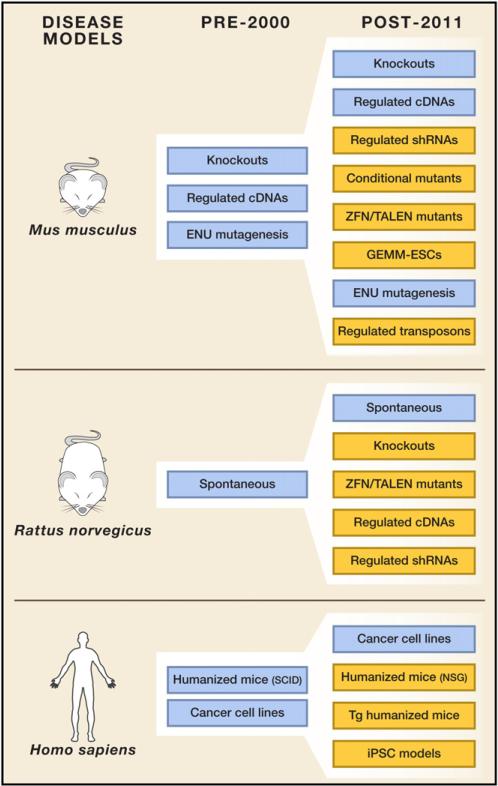
Figure 1. New Tools in Mammalian Disease Models
Platforms for the genetic manipulation of mammalian model systems (primarily mouse, rat, and human) have developed at an incredible rate in the past 10–15 years. Recent sophisticated adaptations in each of these systems (indicated in yellow) now provide an extremely flexible array of tools for investigating and understanding the underlying causes of human disease.
Figure 2
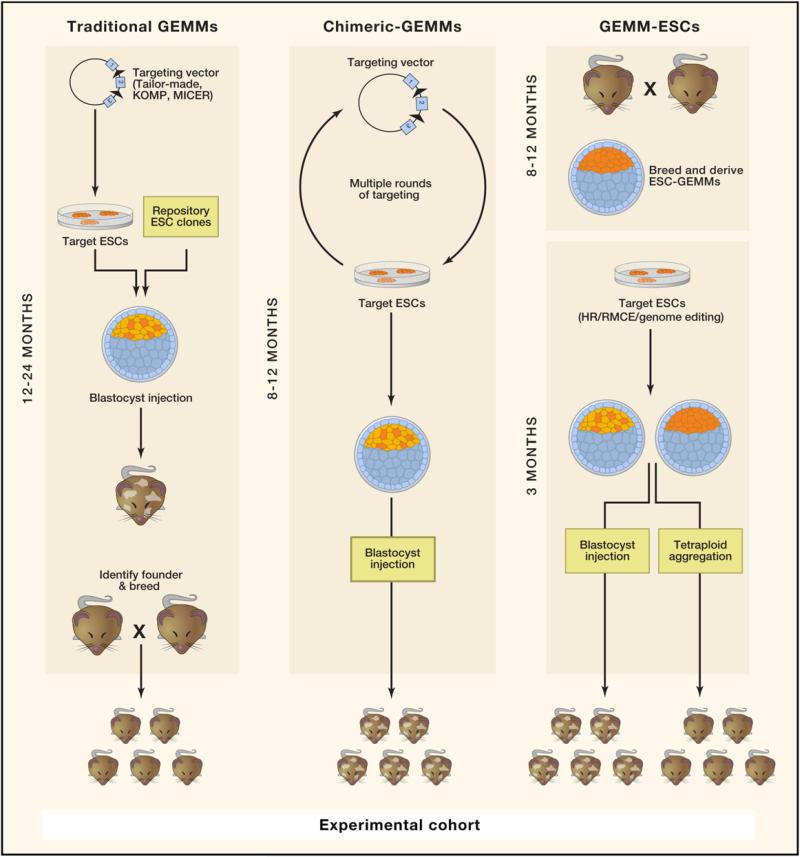
Figure 2. Traditional and “Speedy” Mouse Model Development
The development of traditional knockout and conditional knockout mice requires the generation of unique targeting vectors, low-efficiency homologous recombination, identification of founders that transmit the targeted allele through the germline, and subsequent breeding and/or backcrossing. ESC-based GEMMs make use of multiallelic ESCs developed through multiple rounds of ESC targeting (chimeric-GEMMs) or rederivation of ESCs carrying established disease alleles (speedy or GEMM-ESCs). The initial establishment phase of GEMM-ESC models demands breeding but, once created, requires little manipulation in vitro. Experimental cohorts can be produced directly from the multiallele ESC and do not require any breeding steps. Experimental mice can be generated by blastocyst injection, by producing chimeric mice (depicted by brown and white coat color), or through tetraploid embryo complementation, generating wholly ESC-derived animals (brown coat).

References

    1. Adams DJ, Biggs PJ, Cox T, Davies R, van der Weyden L, Jonkers J, Smith J, Plumb B, Taylor R, Nishijima I, et al. Mutagenic insertion and chromosome engineering resource (MICER). Nat. Genet. 2004;36:867–871. - PubMed
    1. Amos-Landgraf JM, Kwong LN, Kendziorski CM, Reichelderfer M, Torrealba J, Weichert J, Haag JD, Chen K-S, Waller JL, Gould MN, Dove WF. A target-selected Apc-mutant rat kindred enhances the modeling of familial human colon cancer. Proc. Natl. Acad. Sci. USA. 2007;104:4036–4041. - PMC - PubMed
    1. Beronja S, Livshits G, Williams S, Fuchs E. Rapid functional dissection of genetic networks via tissue-specific transduction and RNAi in mouse embryos. Nat. Med. 2010;16:821–827. - PMC - PubMed
    1. Billerbeck E, Barry WT, Mu K, Dorner M, Rice CM, Ploss A. Development of human CD4+FoxP3+ regulatory T cells in human stem cell factor-, granulocyte-macrophage colony-stimulating factor-, and interleukin-3-expressing NOD-SCID IL2Rγ(null) humanized mice. Blood. 2011;117:3076–3086. - PMC - PubMed
    1. Bogdanove AJ, Voytas DF. TAL effectors: customizable proteins for DNA targeting. Science. 2011;333:1843–1846. - PubMed

Publication types

LinkOut - more resources