


Both high level pressure support ventilation and controlled mechanical ventilation induce diaphragm dysfunction and atrophy
- PMID: 22425820
- PMCID: PMC3308123
- DOI: 10.1097/CCM.0b013e31823c8cc9
Both high level pressure support ventilation and controlled mechanical ventilation induce diaphragm dysfunction and atrophy
Abstract
Objectives: Previous workers have demonstrated that controlled mechanical ventilation results in diaphragm inactivity and elicits a rapid development of diaphragm weakness as a result of both contractile dysfunction and fiber atrophy. Limited data exist regarding the impact of pressure support ventilation, a commonly used mode of mechanical ventilation-that permits partial mechanical activity of the diaphragm-on diaphragm structure and function. We carried out the present study to test the hypothesis that high-level pressure support ventilation decreases the diaphragm pathology associated with CMV.
Methods: Sprague-Dawley rats were randomly assigned to one of the following five groups:1) control (no mechanical ventilation); 2) 12 hrs of controlled mechanical ventilation (12CMV); 3) 18 hrs of controlled mechanical ventilation (18CMV); 4) 12 hrs of pressure support ventilation (12PSV); or 5) 18 hrs of pressure support ventilation (18PSV).
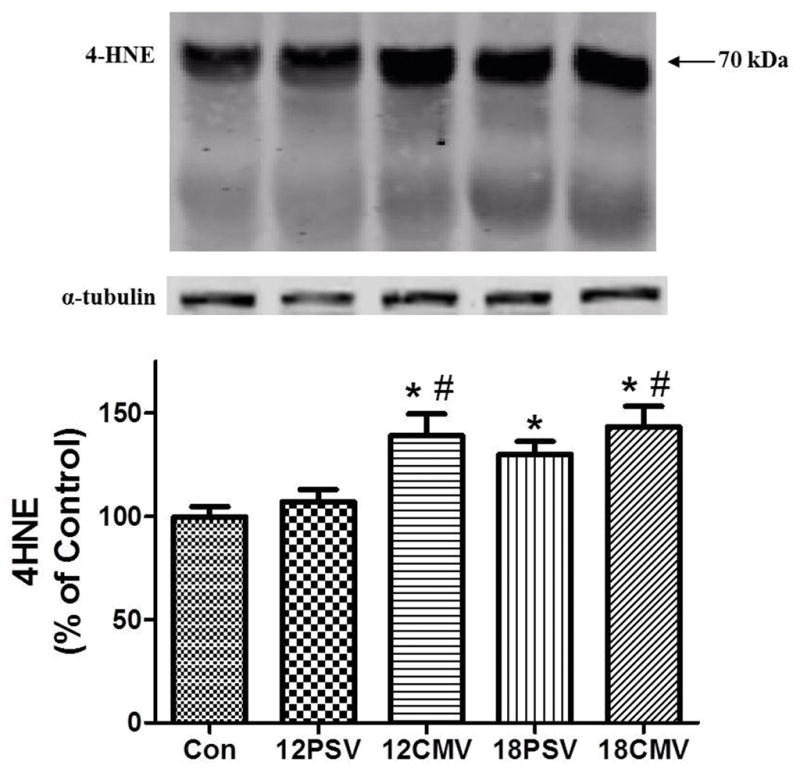
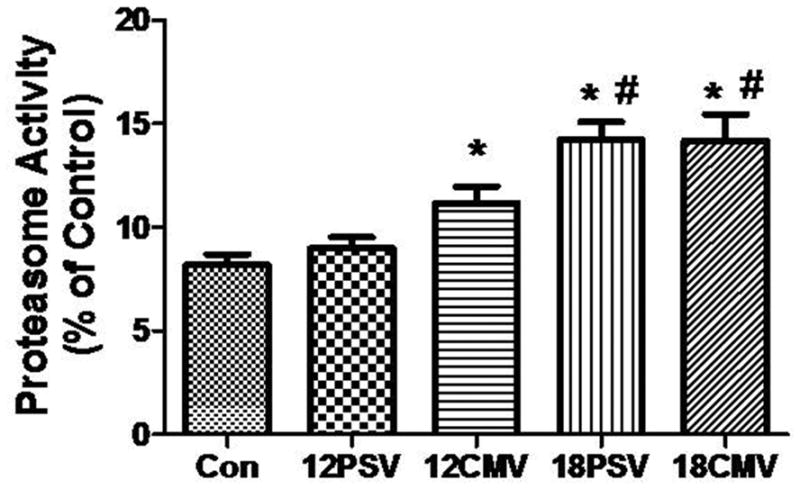
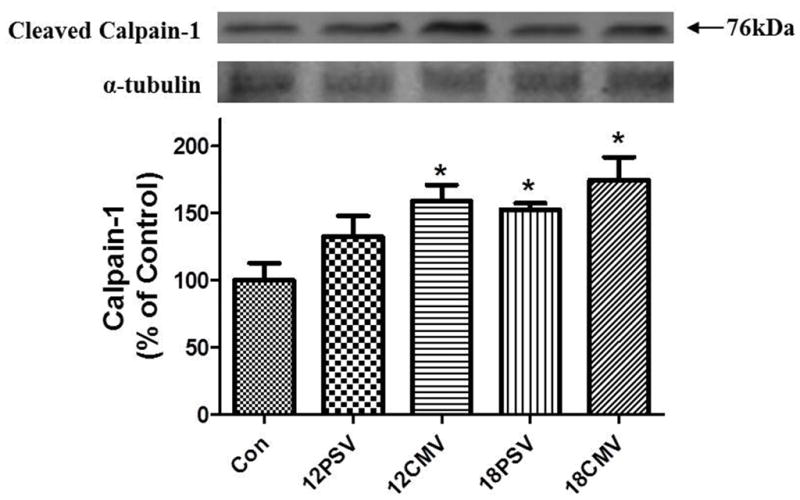
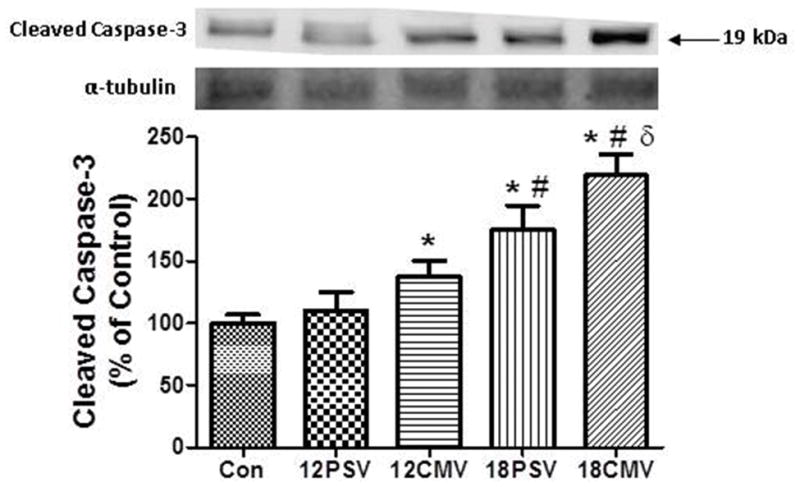
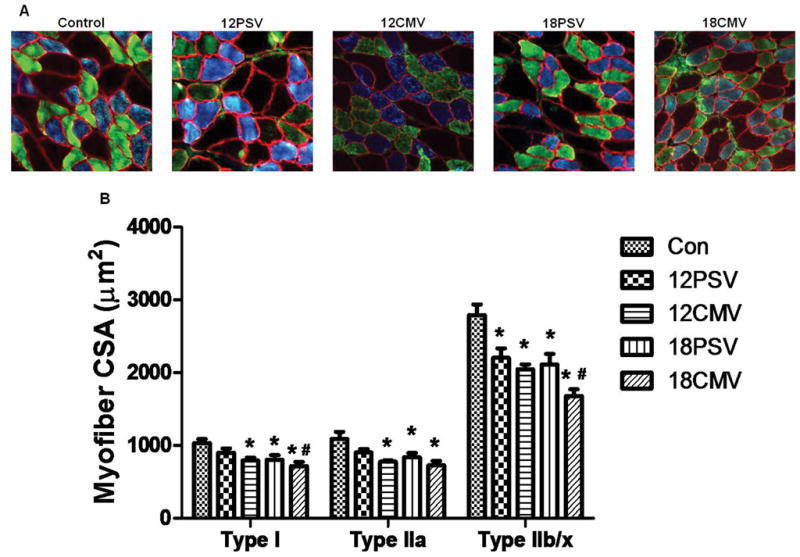
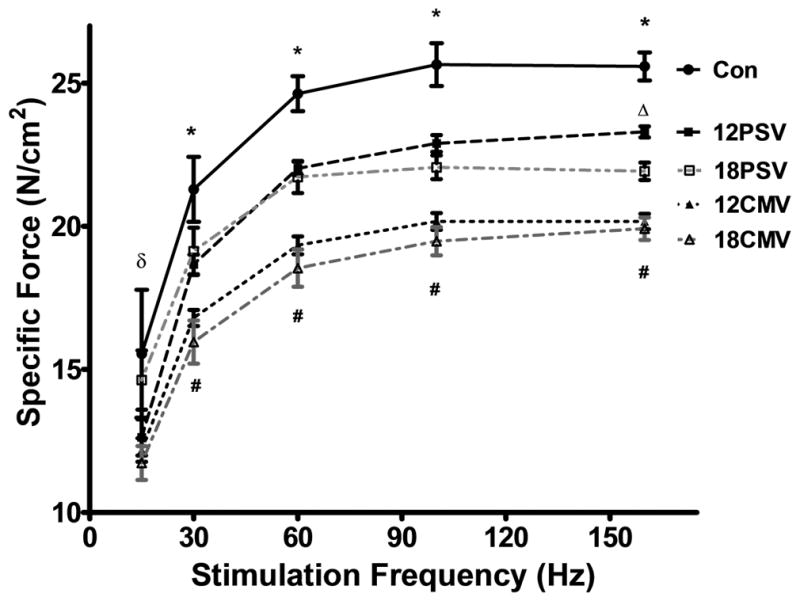
Measurements and main results: We carried out the following measurements on diaphragm specimens: 4-hydroxynonenal-a marker of oxidative stress, active caspase-3 (casp-3), active calpain-1 (calp-1), fiber type cross-sectional area, and specific force (sp F). Compared with the control, both 12PSV and 18PSV promoted a significant decrement in diaphragmatic specific force production, but to a lesser degree than 12CMV and 18CMV. Furthermore, 12CMV, 18PSV, and 18CMV resulted in significant atrophy in all diaphragm fiber types as well as significant increases in a biomarker of oxidative stress (4-hydroxynonenal) and increased proteolytic activity (20S proteasome, calpain-1, and caspase-3). Furthermore, although no inspiratory effort occurs during controlled mechanical ventilation, it was observed that pressure support ventilation resulted in large decrement, approximately 96%, in inspiratory effort compared with spontaneously breathing animals.
Conclusions: High levels of prolonged pressure support ventilation promote diaphragmatic atrophy and contractile dysfunction. Furthermore, similar to controlled mechanical ventilation, pressure support ventilation-induced diaphragmatic atrophy and weakness are associated with both diaphragmatic oxidative stress and protease activation.
Conflict of interest statement
The authors have not disclosed any potential conflicts of interest.
Figures
Comment in
-
Diaphragm activity during mechanical ventilation: a narrow therapeutic margin.Crit Care Med. 2012 Apr;40(4):1375-6. doi: 10.1097/CCM.0b013e31824317e4. Crit Care Med. 2012. PMID: 22425852 No abstract available.
References
-
- Jaber S, Petrof BJ, Jung B, et al. Rapidly Progressive Diaphragmatic Weakness and Injury during Mechanical Ventilation in Humans. Am J Respir Crit Care Med - PubMed
-
- Levine S, Nguyen T, Taylor N, et al. Rapid disuse atrophy of diaphragm fibers in mechanically ventilated humans. N Engl J Med. 2008;358(13):1327–1335. - PubMed
-
- Powers SK, Shanely RA, Coombes JS, et al. Mechanical ventilation results in progressive contractile dysfunction in the diaphragm. J Appl Physiol. 2002;92(5):1851–1858. - PubMed
-
- Shanely RA, Zergeroglu MA, Lennon SL, et al. Mechanical ventilation-induced diaphragmatic atrophy is associated with oxidative injury and increased proteolytic activity. Am J Respir Crit Care Med. 2002;166(10):1369–1374. - PubMed
Publication types
MeSH terms
Substances
Grants and funding
LinkOut - more resources
Full Text Sources
Other Literature Sources
Medical
Research Materials
