


Fetal radiofrequency radiation exposure from 800-1900 mhz-rated cellular telephones affects neurodevelopment and behavior in mice
- PMID: 22428084
- PMCID: PMC3306017
- DOI: 10.1038/srep00312
Fetal radiofrequency radiation exposure from 800-1900 mhz-rated cellular telephones affects neurodevelopment and behavior in mice
Erratum in
- Sci Rep. 2013 Feb 18;3:1320
Abstract
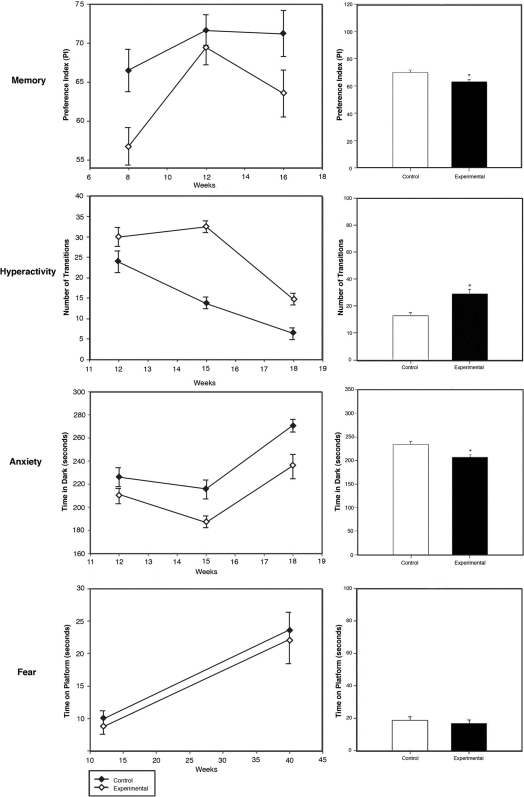
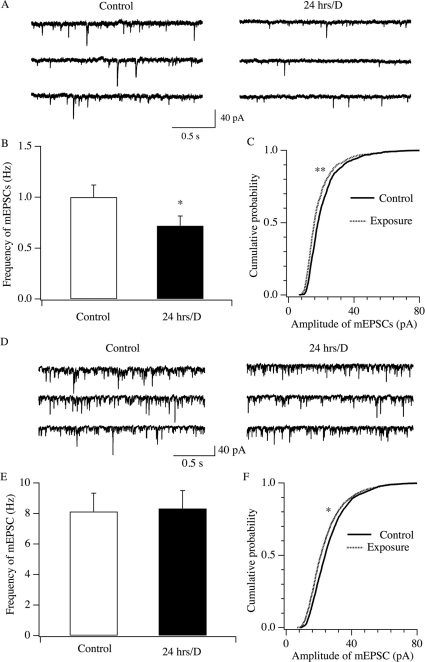
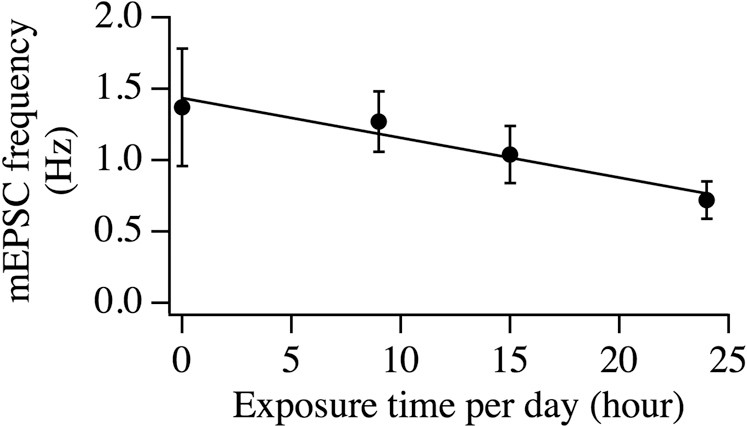
Neurobehavioral disorders are increasingly prevalent in children, however their etiology is not well understood. An association between prenatal cellular telephone use and hyperactivity in children has been postulated, yet the direct effects of radiofrequency radiation exposure on neurodevelopment remain unknown. Here we used a mouse model to demonstrate that in-utero radiofrequency exposure from cellular telephones does affect adult behavior. Mice exposed in-utero were hyperactive and had impaired memory as determined using the object recognition, light/dark box and step-down assays. Whole cell patch clamp recordings of miniature excitatory postsynaptic currents (mEPSCs) revealed that these behavioral changes were due to altered neuronal developmental programming. Exposed mice had dose-responsive impaired glutamatergic synaptic transmission onto layer V pyramidal neurons of the prefrontal cortex. We present the first experimental evidence of neuropathology due to in-utero cellular telephone radiation. Further experiments are needed in humans or non-human primates to determine the risk of exposure during pregnancy.
Figures
References
-
- American Psychiatric Association: Diagnostic and Statistical Manual of Mental Disorders (2000) Fourth Edition, Text Revision. Washington, DC, American Psychiatric Association.
-
- Barkley R. Behavioral Inhibition, Sustained Attention, and Executive Functions: Constructing a Unifying Theory of ADHD. Psychol Bull 121, 65–94 (1997). - PubMed
-
- Rappley M. Attention deficit-hyperactivity disorder. N Engl J Med 352, 165–73 (2005). - PubMed
-
- Sowell E. R. Cortical abnormalities in children and adolescent with attention-deficit hyperactivity disorder. Lancet 362, 1699–707 (2003). - PubMed
-
- Castellanos F. X. Development trajectories of brain volume abnormalities in children and adolescents with attention-deficit/hyperactivity disorder. JAMA 288, 1740–48 (2002). - PubMed
Publication types
MeSH terms
Grants and funding
LinkOut - more resources
Full Text Sources
