


doi: 10.1039/C0SC00331J.
Dialkylbiaryl Phosphines in Pd-Catalyzed Amination: A User's Guide
Affiliations
- PMID: 22432049
- PMCID: PMC3306613
- DOI: 10.1039/C0SC00331J
Item in Clipboard
Dialkylbiaryl Phosphines in Pd-Catalyzed Amination: A User's Guide
Chem Sci.
2011.
Abstract
Dialkylbiaryl phosphines are a valuable class of ligand for Pd-catalyzed amination reactions and have been applied in a range of contexts. This review attempts to aid the reader in the selection of the best choice of reaction conditions and ligand of this class for the most commonly encountered and practically important substrate combinations.
Figures

Important structural features of dialkylbiaryl phosphine ligands.

Key dialkylbiaryl phosphine ligands for amination.
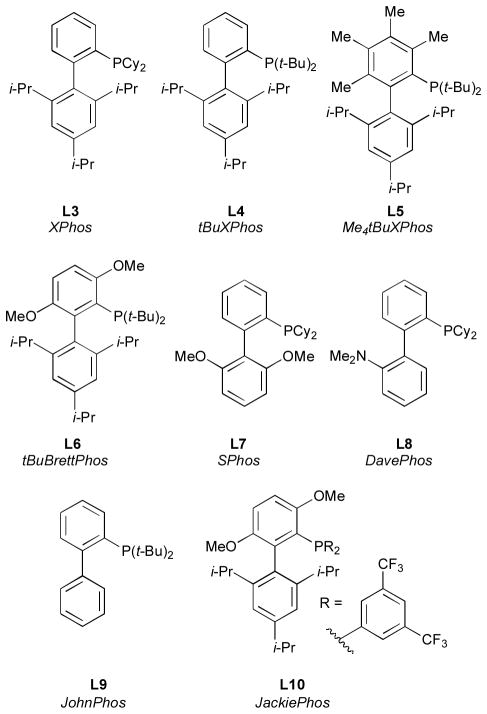
Other important dialkylbiaryl phosphine ligands for amination.
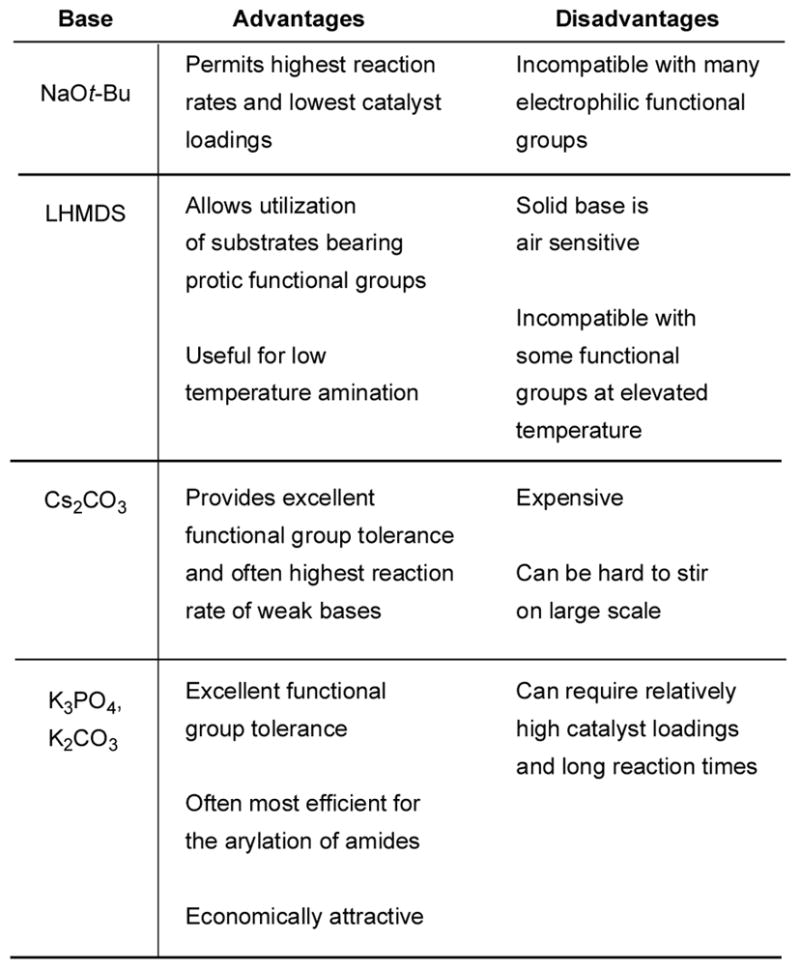
Comparison of bases typically used in Pd-catalyzed amination.
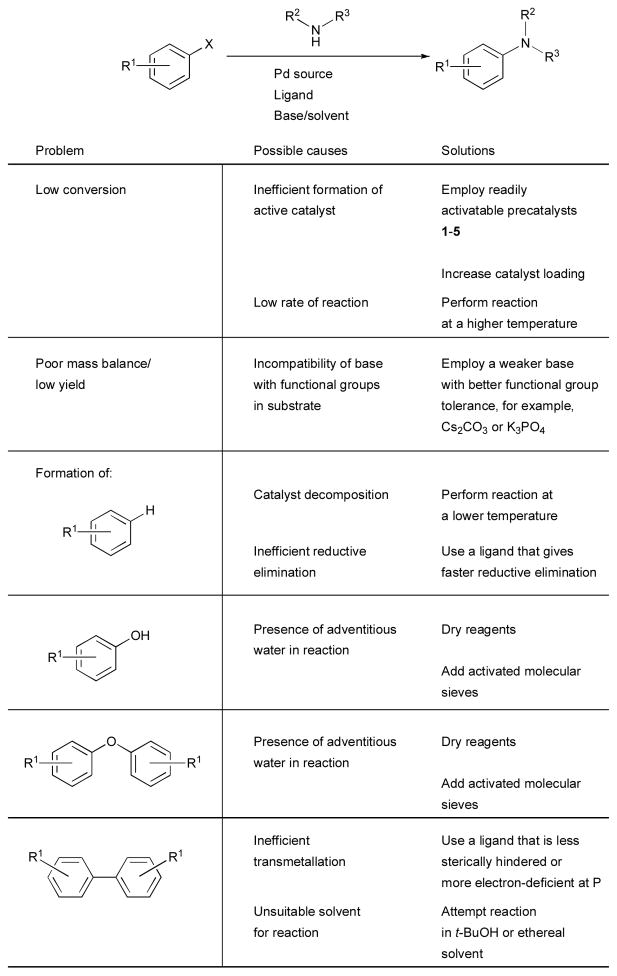
Simplistic troubleshooting guide for Pd-catalyzed amination.
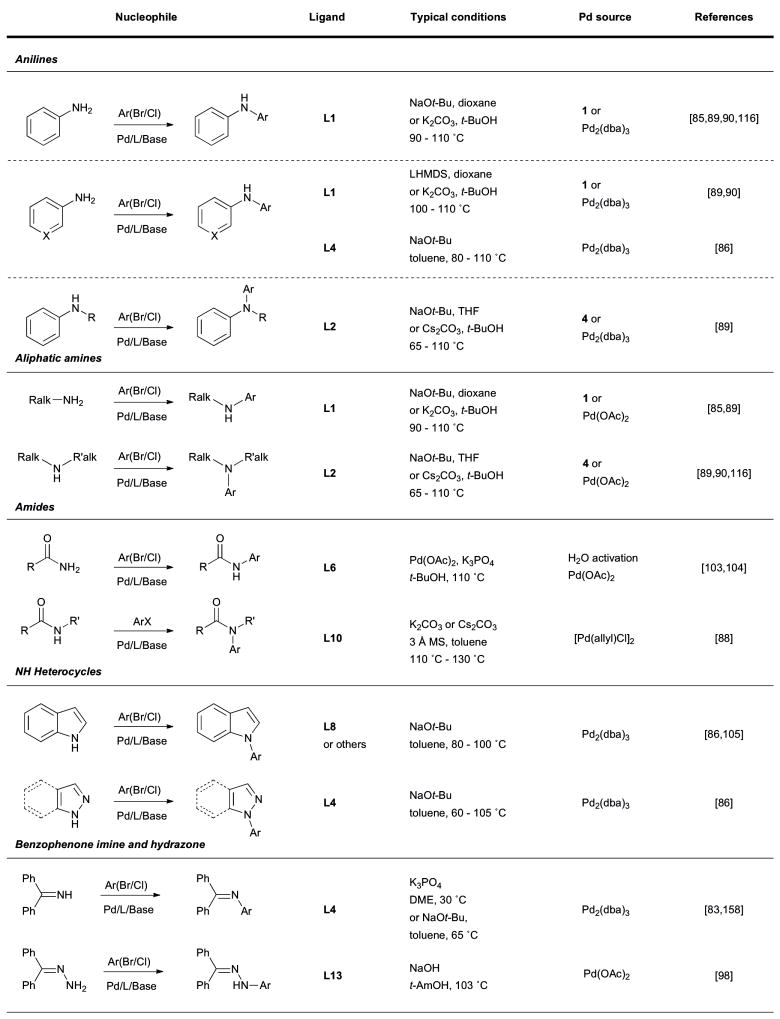
Summary of reaction conditions used for different classes of nucleophile.
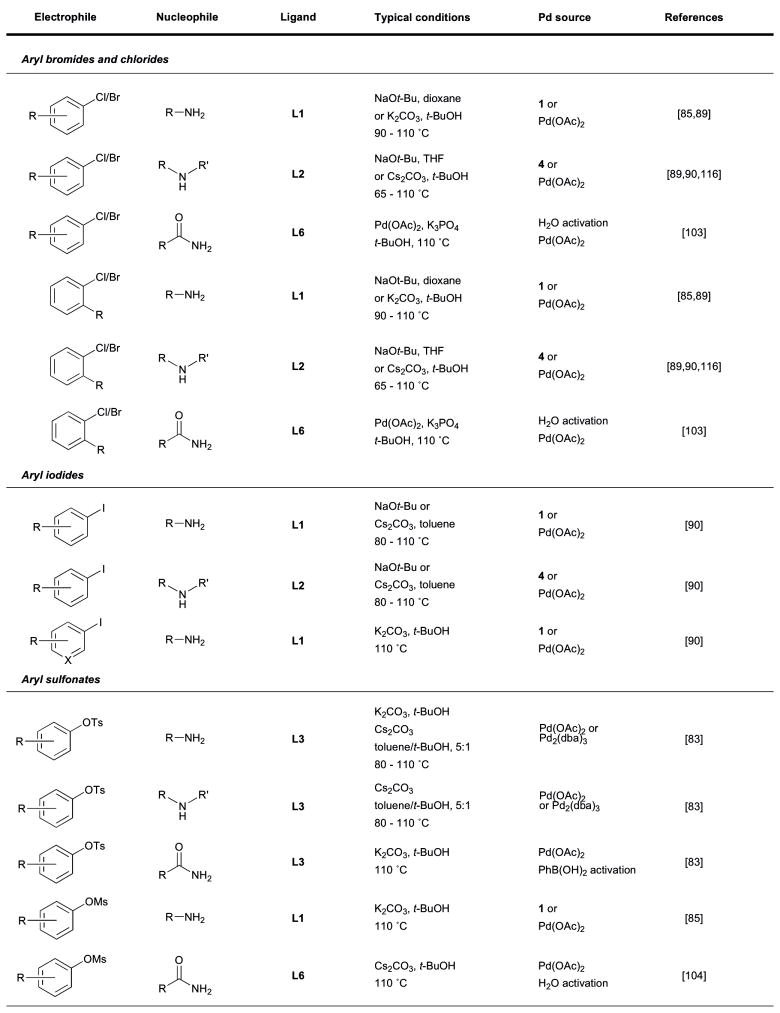
Summary of reaction conditions used for different classes of electrophile.
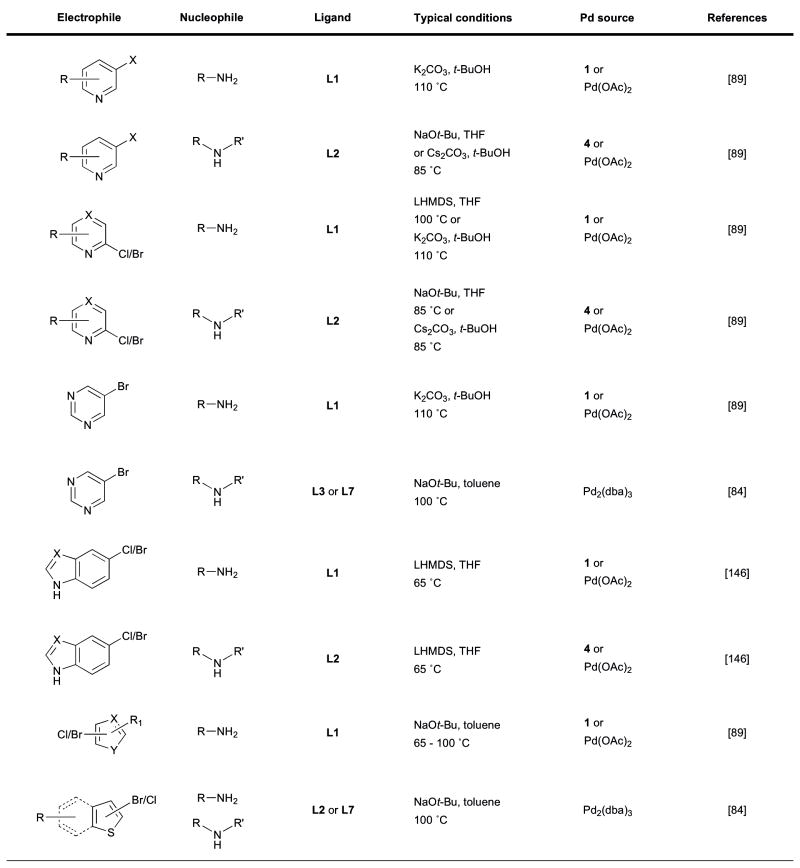
Summary of reaction conditions used for different classes of heteroaryl electrophile.
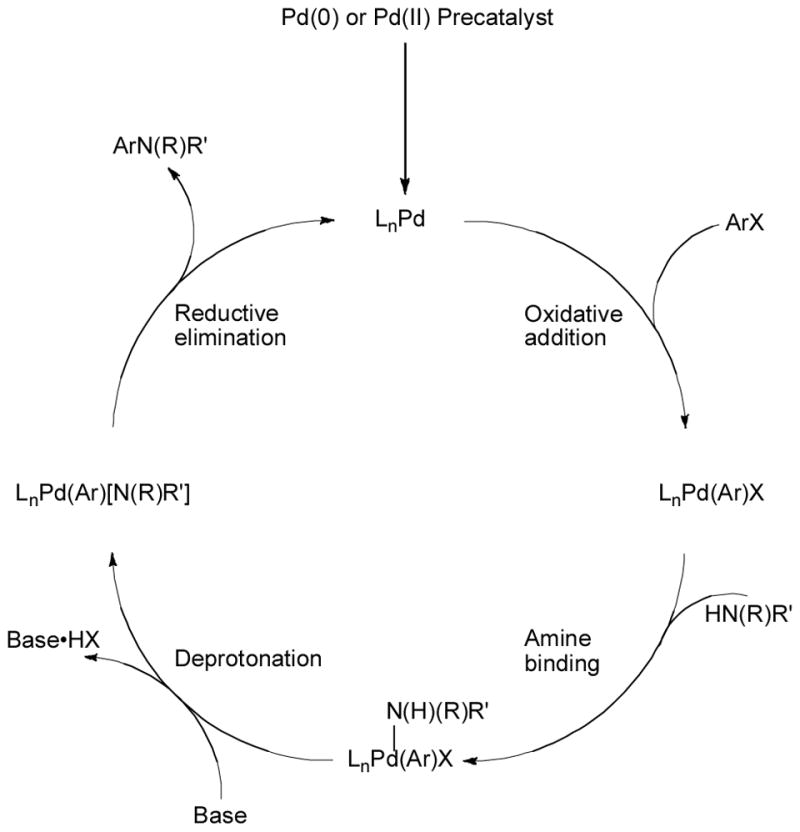
Generalized catalytic cycle for Pd-catalyzed amination with dialkylbiaryl phosphines.
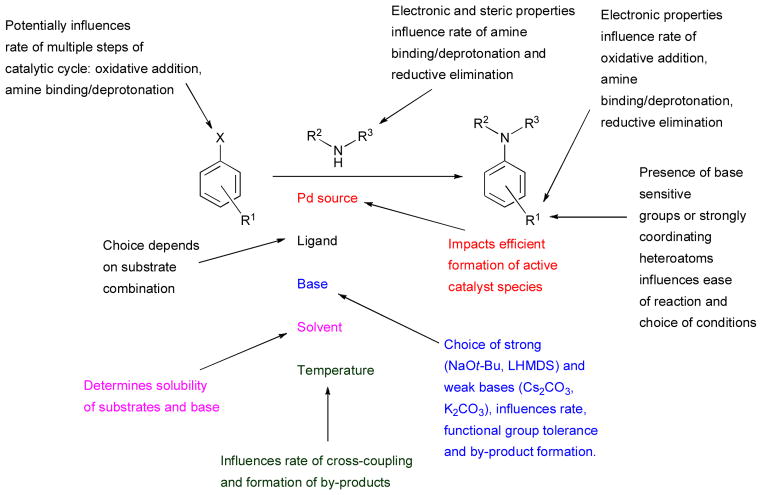
Factors influencing the outcome of a Pd-catalyzed amination reaction.

Water-mediated reduction of Pd(II) salts permits efficient amination of electron-deficient anilines.
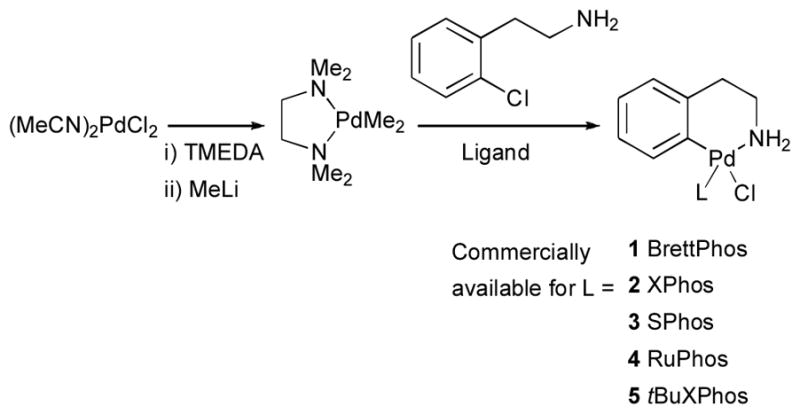
Synthesis of amine bound oxidative addition precatalyst.
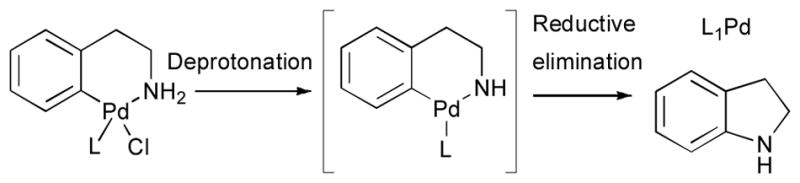
Activation of intramolecularly coordinated amine oxidative addition precatalyst.
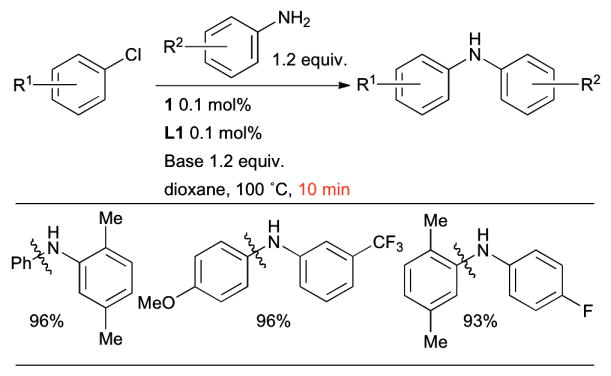
The application of precatalyst 1 allows arylation of anilines with low catalyst loading and short reaction times.

Considerations for choice of Pd source for amination reactions.

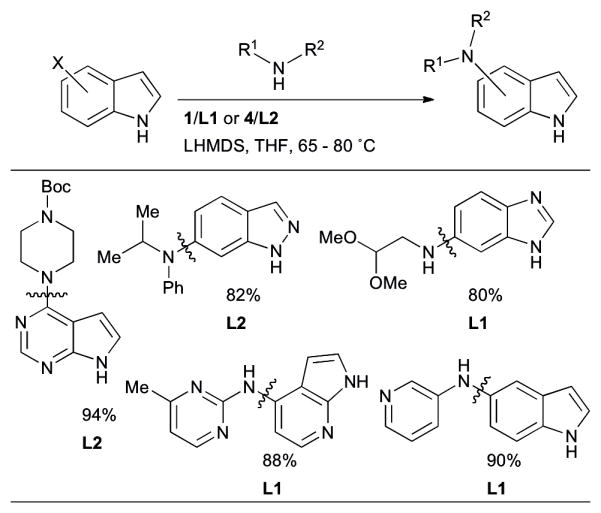
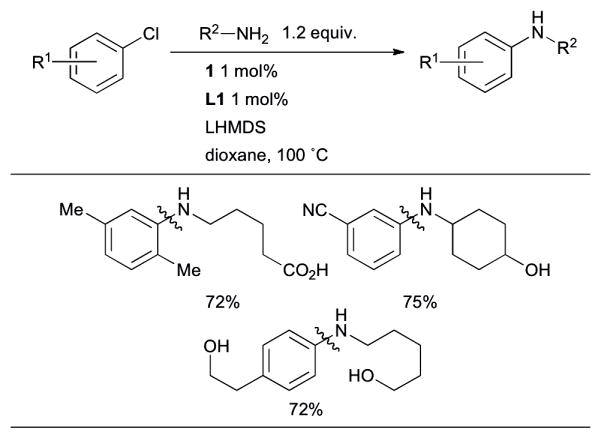
Use of LHMDS as base permits the cross-coupling of substrates bearing protic functional groups.
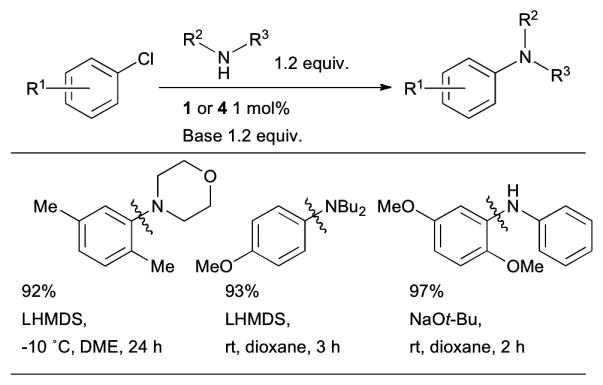
Amination of aryl chlorides at or below room temperature.
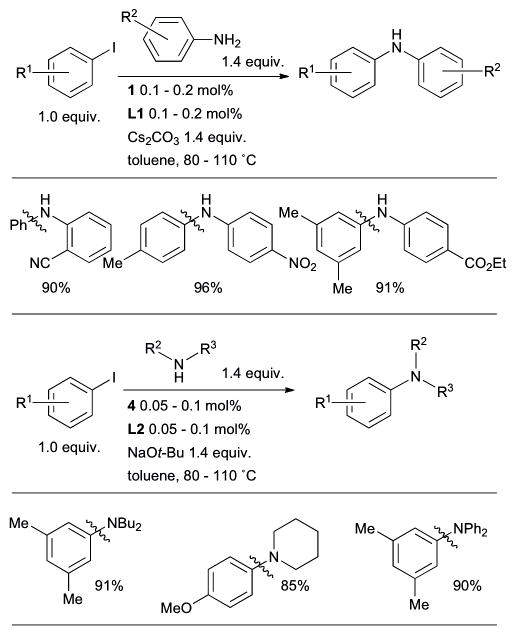
Efficient Pd-catalyzed amination of aryl iodides using L1 and L2 as ligands in toluene.
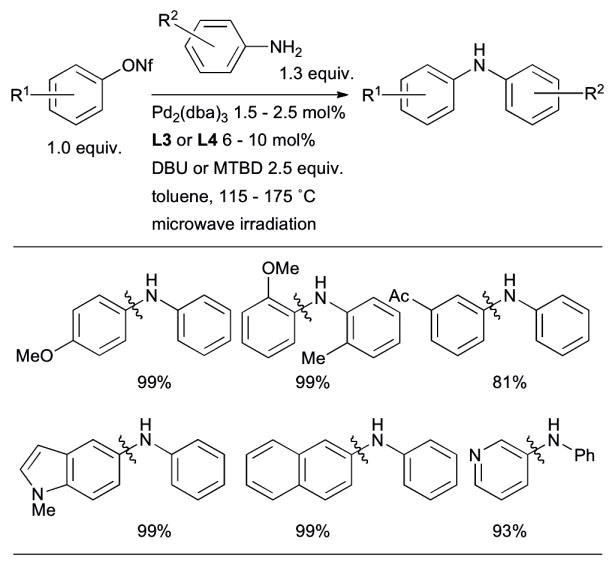
Pd-catalyzed coupling of anilines and aryl nonaflates under microwave irradiation.
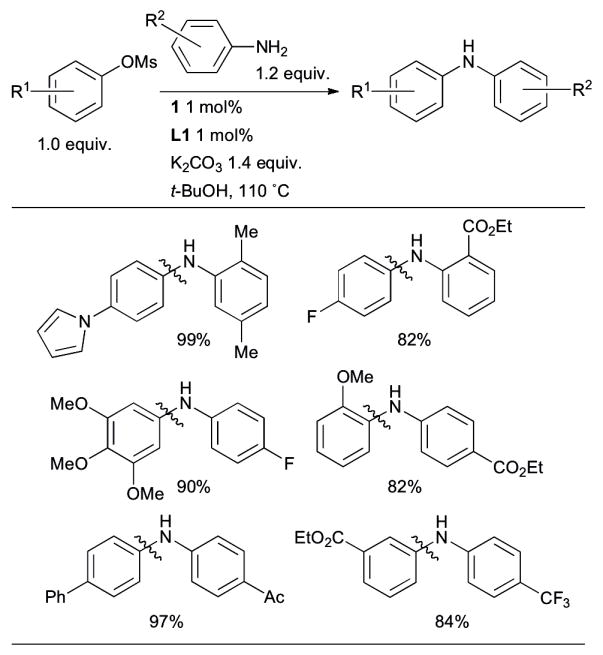
Pd-catalyzed coupling of anilines and aryl mesylates employing L1 as ligand.
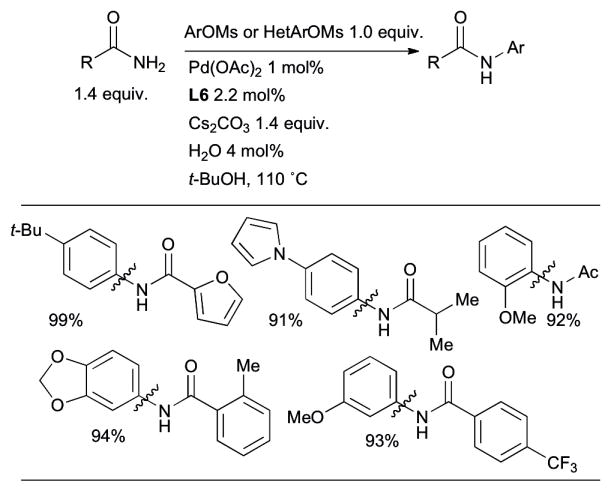
Amidation of aryl mesylates employing L6 as ligand.
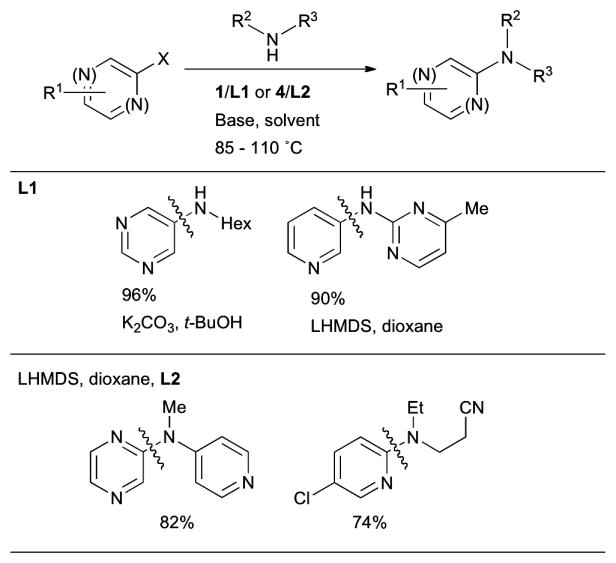
Pd-catalyzed amination of 6-membered ring heteroaryl halides using L1 and L2.
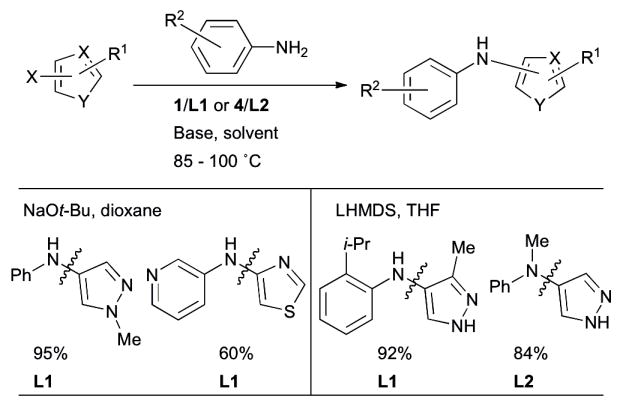
Amination of 5-membered ring heteroaryl halides using L1 or L2 as ligand.
The selective arylation of 1° anilines can be conducted with high efficiency using L1.

L1-based catalyst systems permit the selective N-arylation of aminophenols.

L3-based catalysts allow the selective arylation of an aniline in the presence of a primary amide.

L4 can be a useful ligand for the arylation of electron-deficient heteroarylamines.
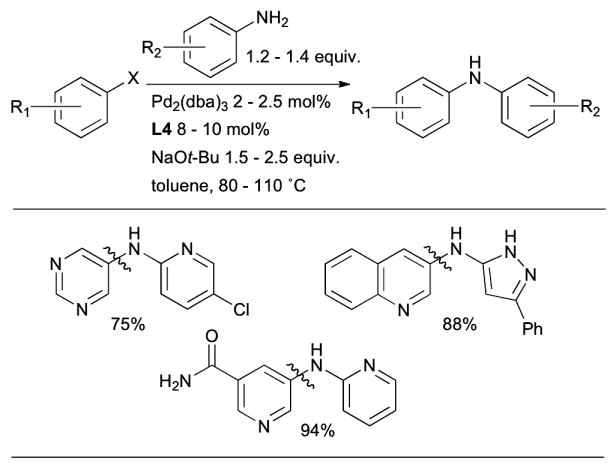
L1 provides an efficient catalyst system for the amination of 1° heteroarylamines under various reaction conditions.

L2 is the best dialkylbiaryl phosphine for the arylation of 2° anilines.

L2-based catalyst for the arylation of diarylamines.
The use of an L9-based catalyst for the synthesis of triarylamines from anilines and aryl halides.
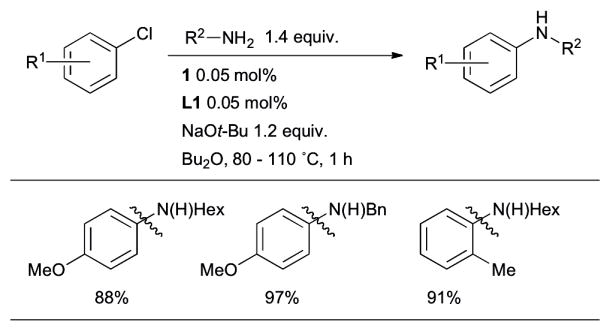
L1 permits the coupling of 1° aliphatic amines with low catalyst loadings and short reaction times.
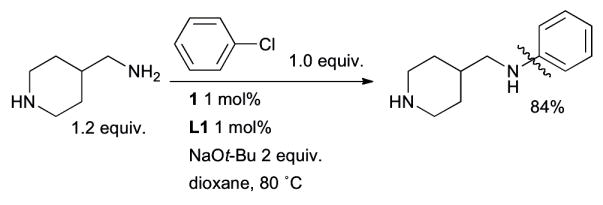
L1 is the best ligand for the reaction of 1° aliphatic amines.

L1-based catalyst systems provide excellent selectivity for the arylation of 1° amines in the presence of 2° amines.

The efficient monoarylation of methylamine can be accomplished by the use of a L1-based catalyst system.
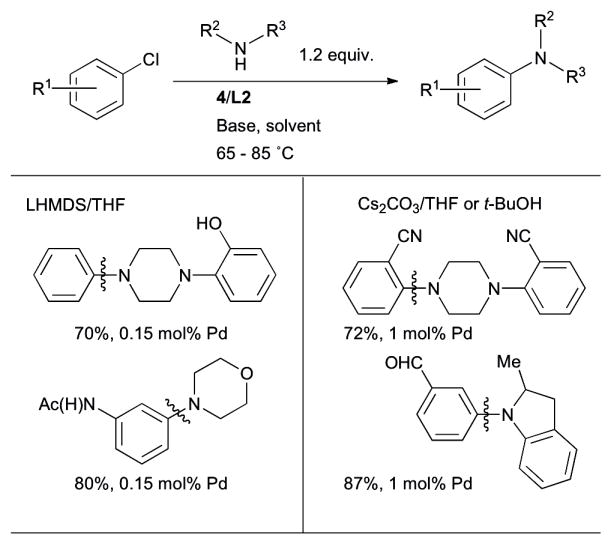
L2 can be used for the arylation of cyclic 2° aliphatic amines under a variety of conditions.

L2 can be used for the arylation of cyclic 2° aliphatic amines under a variety of conditions.
L2 is the most effective ligand for the cross-coupling of acyclic aliphatic amines.
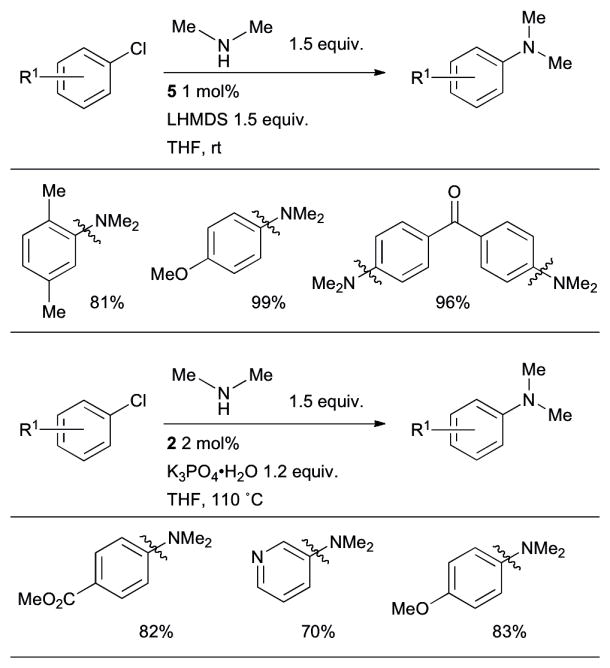
Catalysts based on L3 or L4 can affect the arylation of dimethylamine.
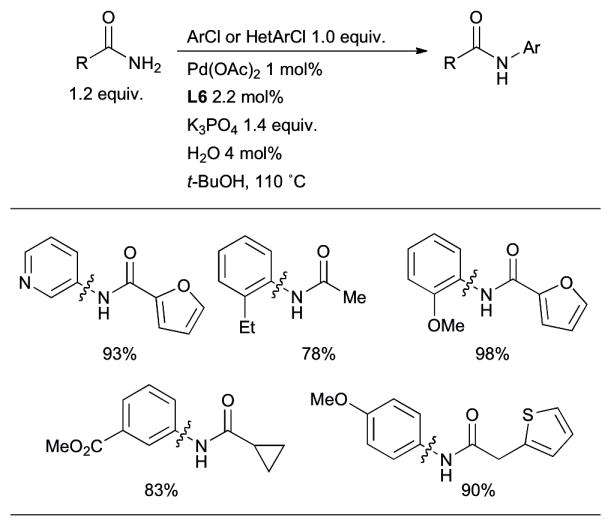
L6 is the best dialkylbiaryl phosphine for the arylation of 1° amides.

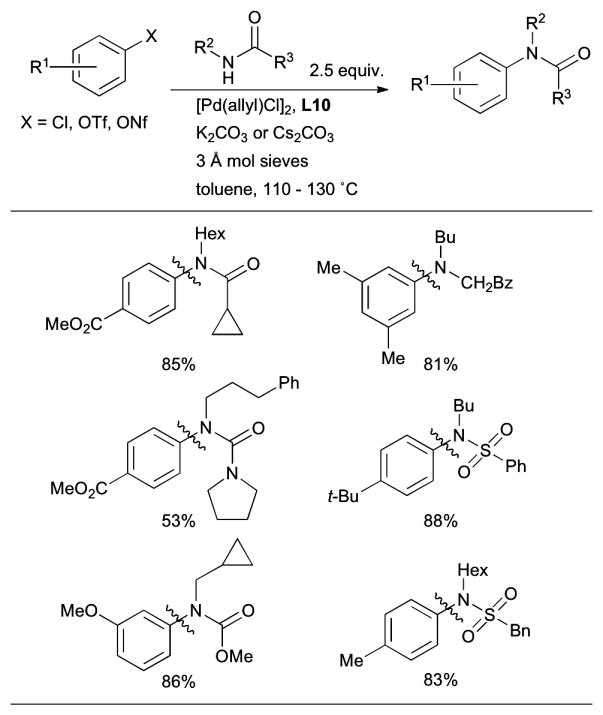
Arylation of 2° amides, ureas, carbamates and sulfonamides is possible by using L10 as ligand.
A variety of dialkylbiaryl phosphine ligands are suitable for the N-arylation of indoles.
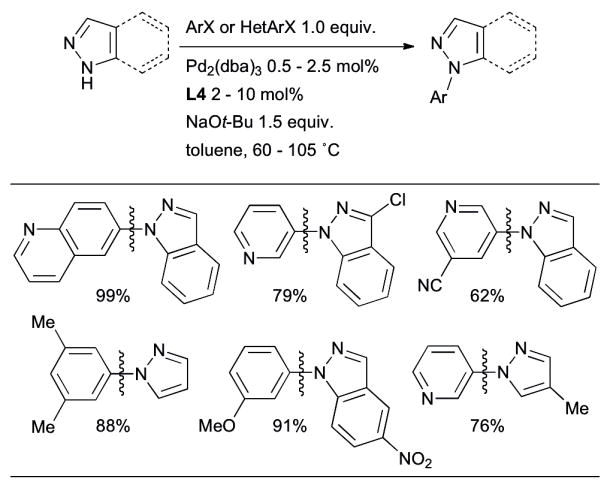
L4 is a useful ligand for the arylation of indazoles and pyrrazoles.
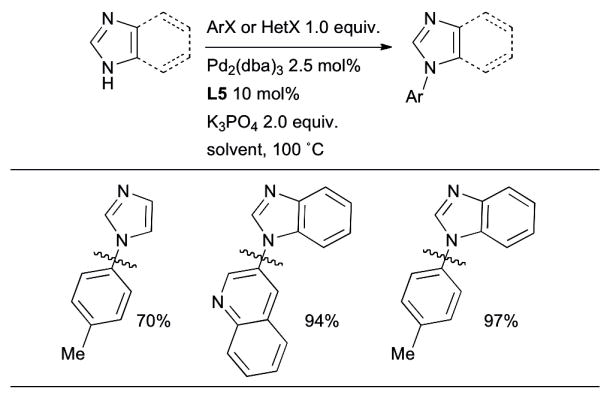
The arylation of imidazole and benzimidazole can be brought about in some cases by using L5 as ligand.
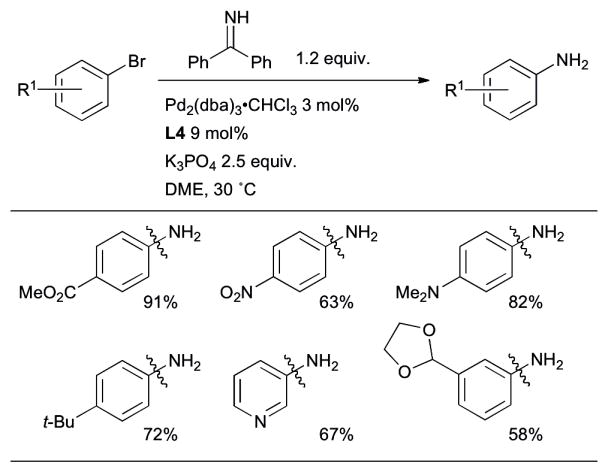
L4 is a useful ligand for the conversion of aryl bromides to anilines.

L13 is a useful ligand for the conversion of aryl halides to anilines using LiHMDS as the ammonia surrogate.

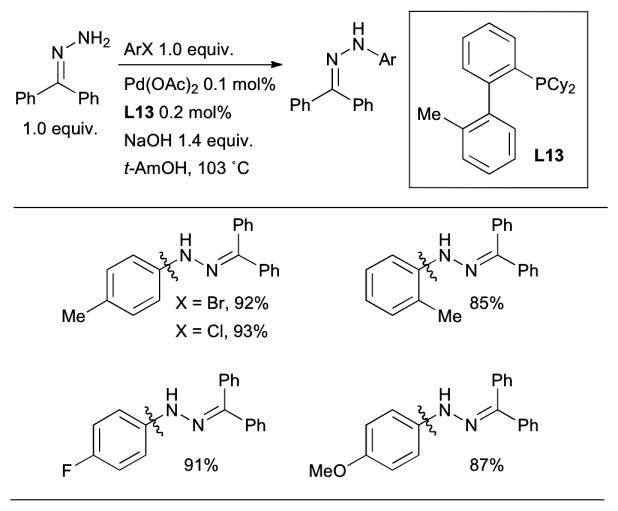
Benzophenone hydrazone can be effectively arylated with aryl chlorides and bromides.
References
-
- King AO, Yasuda N. Topics in Organometallic Chemistry. 2004;6:205–245.
-
- Torborg C, Beller M. Adv Synth Catal. 2009;351:3027–3043.
-
- Carey JS, Laffan D, Thomson C, Williams MT. Org Biomol Chem. 2006;4:2337–2347. - PubMed
-
- Baeza A, Burgos C, Alvarez-Builla J, Vaquero JJ. Tetrahedron Lett. 2007;48:2597–2601.
Grants and funding
LinkOut - more resources
Full Text Sources
Other Literature Sources
