


Biocurators and biocuration: surveying the 21st century challenges
- PMID: 22434828
- PMCID: PMC3308150
- DOI: 10.1093/database/bar059
Biocurators and biocuration: surveying the 21st century challenges
Abstract
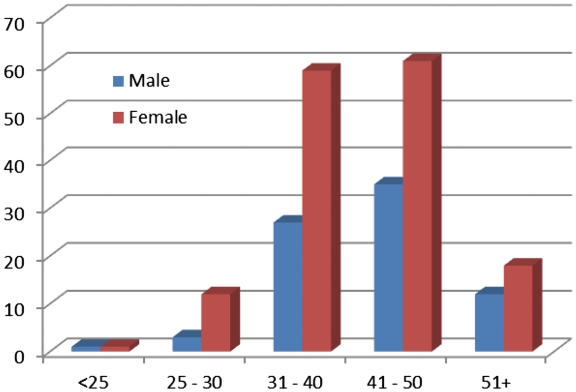
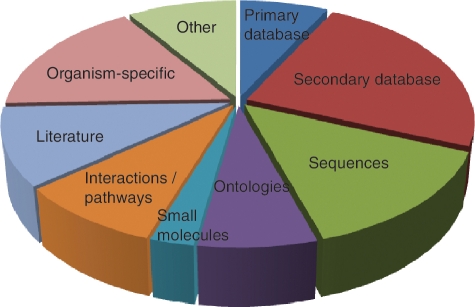
Curated databases are an integral part of the tool set that researchers use on a daily basis for their work. For most users, however, how databases are maintained, and by whom, is rather obscure. The International Society for Biocuration (ISB) represents biocurators, software engineers, developers and researchers with an interest in biocuration. Its goals include fostering communication between biocurators, promoting and describing their work, and highlighting the added value of biocuration to the world. The ISB recently conducted a survey of biocurators to better understand their educational and scientific backgrounds, their motivations for choosing a curatorial job and their career goals. The results are reported here. From the responses received, it is evident that biocuration is performed by highly trained scientists and perceived to be a stimulating career, offering both intellectual challenges and the satisfaction of performing work essential to the modern scientific community. It is also apparent that the ISB has at least a dual role to play to facilitate biocurators' work: (i) to promote biocuration as a career within the greater scientific community; (ii) to aid the development of resources for biomedical research through promotion of nomenclature and data-sharing standards that will allow interconnection of biological databases and better exploit the pivotal contributions that biocurators are making. DATABASE URL: http://biocurator.org.
Figures
References
-
- Southan C, Cameron G. Database Provider Survey. Report for ELXIR Work Package 2, July 2009, Version 30 June 2009. 2009. http://www.elixir-europe.org/prep/bcms/elixir/Documents/reports/WP2_Anne....
Publication types
MeSH terms
LinkOut - more resources
Full Text Sources
