


Review
doi: 10.1021/cr100233r.
Epub 2012 Mar 22.
Chemistry and biology of multicomponent reactions
Affiliations
- PMID: 22435608
- PMCID: PMC3712876
- DOI: 10.1021/cr100233r
Item in Clipboard
Review
Chemistry and biology of multicomponent reactions
Chem Rev.
.
No abstract available
Figures
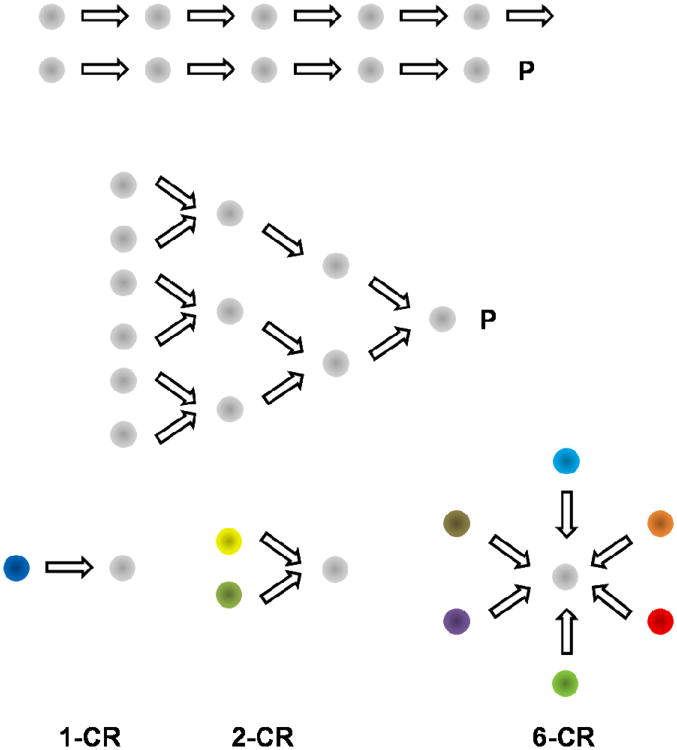
Above: multistep syntheses can be divergent (sequential) or convergent; below: in analogy MCR reactions are convergent and one or two component reactions are divergent or less convergent.
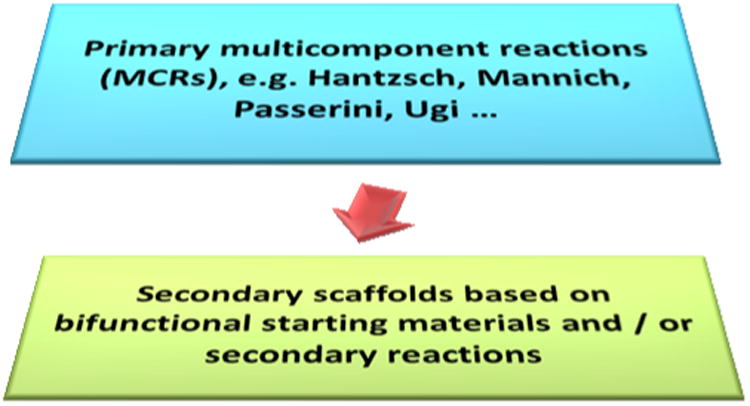
The immense scaffold diversity based on MCR is derived from primary (often “classical”) MCRs and secondary reactions made possible by the great functional group compatibility of MCRs (Reprinted with permission from Reference 44. Copyright 2009 ACS.).
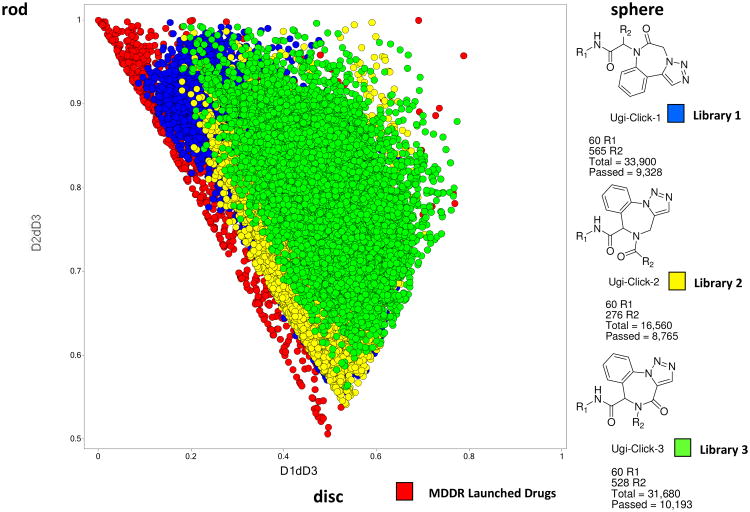
Distributions of MoI-derived shapes for Ro5 compliant libraries deriving from the corresponding color-coded scaffolds (Reprinted with permission from Dr. Akritopoulou-Zanze, Abbott Laboratories).
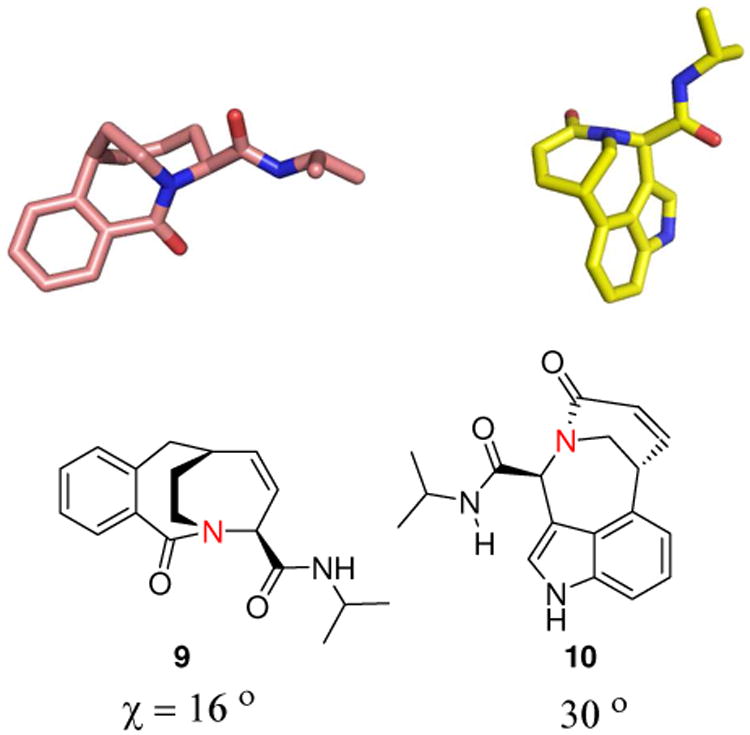
Two examples (9 and 10) of the 3D structure of unususal pyramidalized nitrogen in bicyclic bridgeheaded amides accessible by a 3-step sequence Ugi/RCM/Heck. The pyramidalization χ of planar formamide is 0° and 60° for a fully pyramidalized sp atom and is calculated from the X-ray structures.
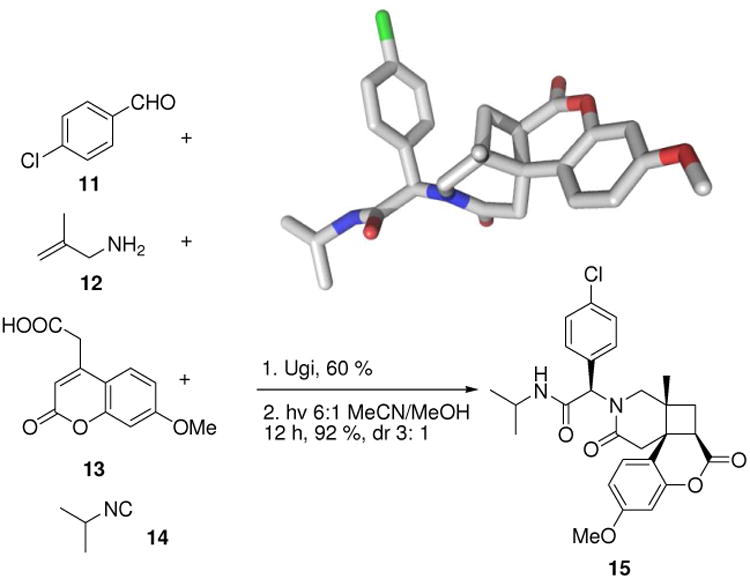
An Ugi MCR involving orthogonal coumarine 13 and allyl moieties 12 followed by a [2+2] photocyclisation leads to unusual densely functionalized scaffolds and libraries thereof.
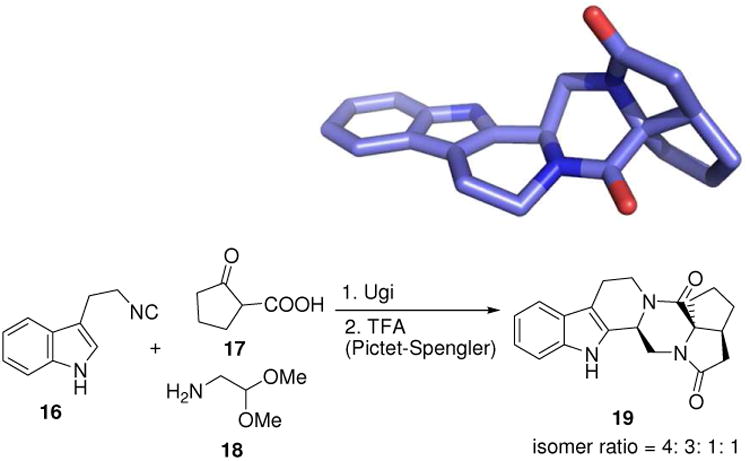
Complex indole natural product-like polycyclic compounds 19 made in two steps from simple commercial starting materials, involving a U-4CR and a subsequent Pictet-Spengler cyclization (CCDC ID: 749252).
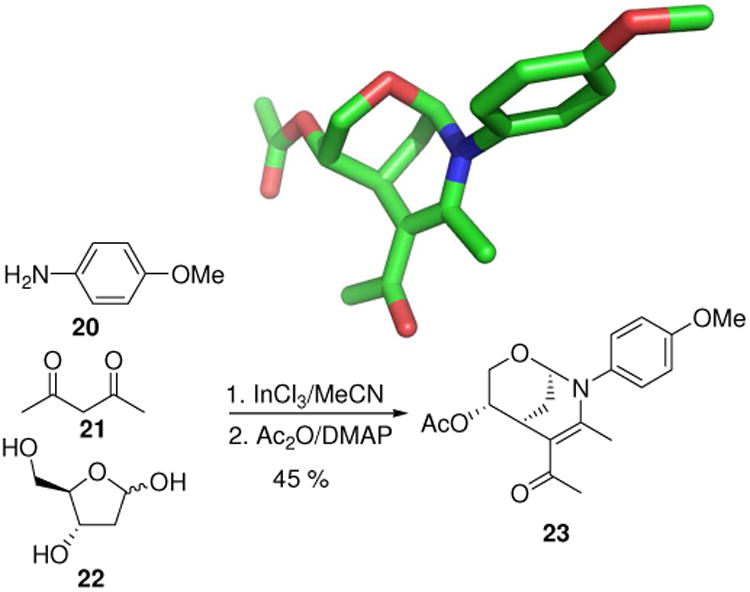
Unusual bicyclic aminol scaffold 23 and 3D structure as determined by X-ray structure analysis (CCDC ID: 675996).
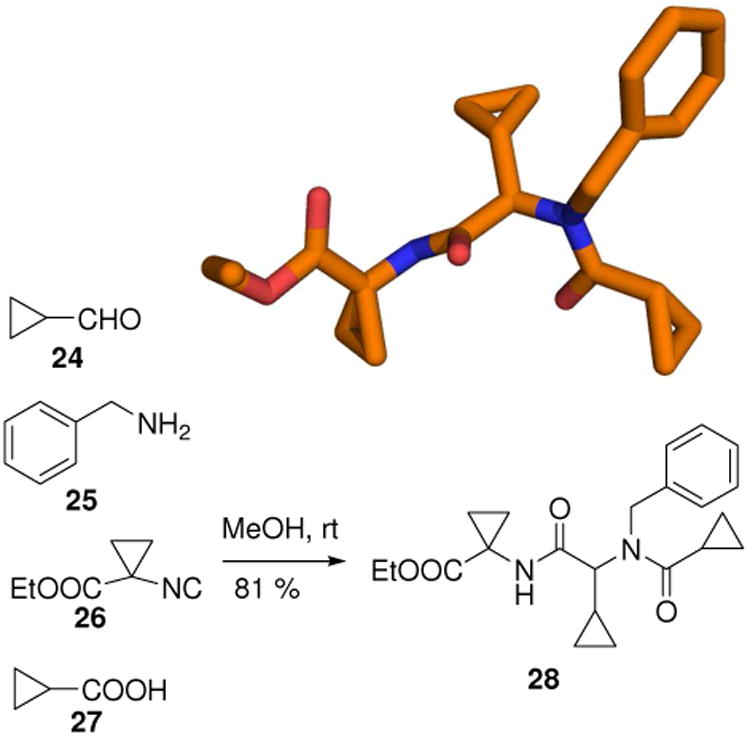
Compounds 28 with three cyclopropyl groups can be easily assembled using a mild and convergent U-MCR (CCDC ID: 604792).
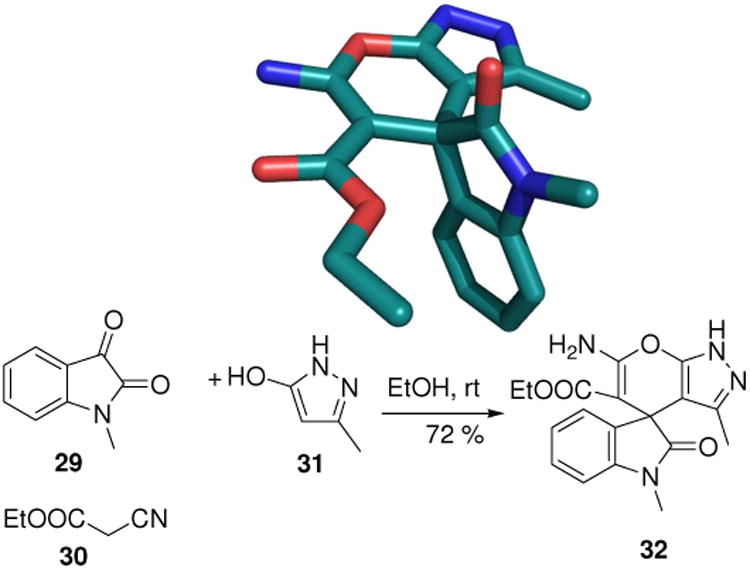
Spiroheterocycles of great diversity, e.g. 32 can be accessed by different MCRs (CCDC ID: 643526).
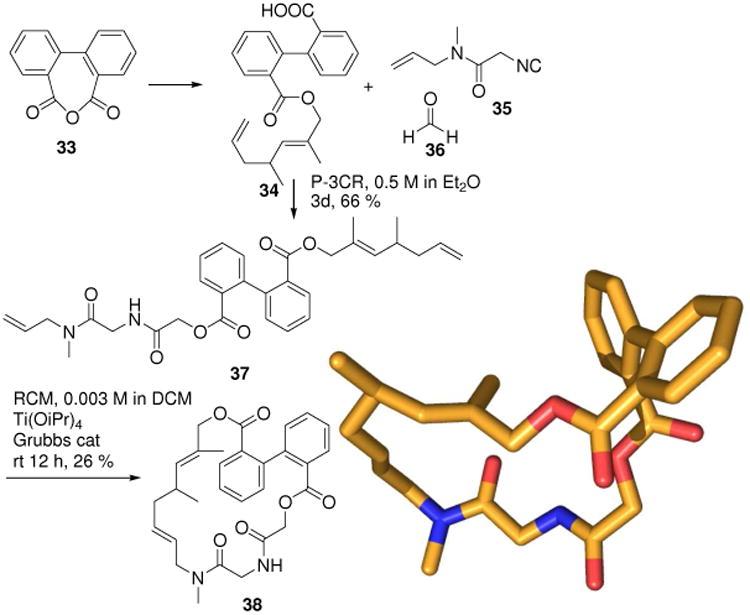
Macrocyclic compounds 38 featuring natural product-like properties can be assembled by an efficient and short three-step sequence involving a Passerini-3CR (CCDC ID: 200226).
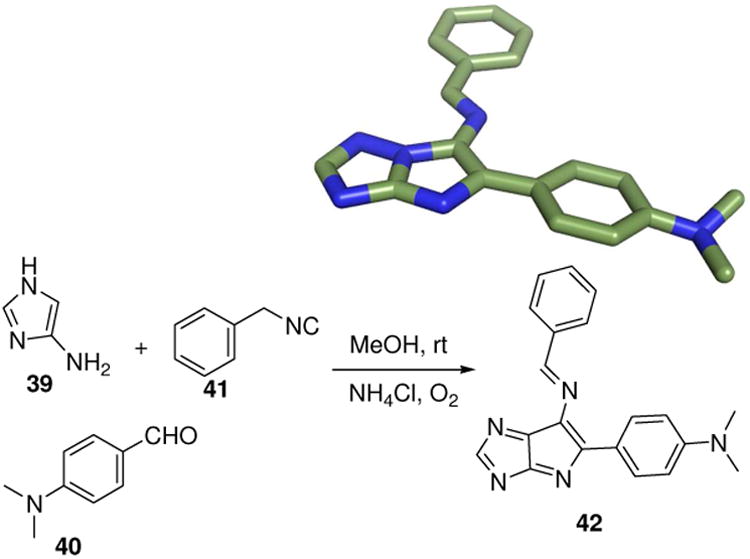
A flat heteroaromatic bicyclic chemotype (42) by the Groebke-Blackburne-Bienaymé-MCR (GBB-MCR) (CCDC ID: 614188).
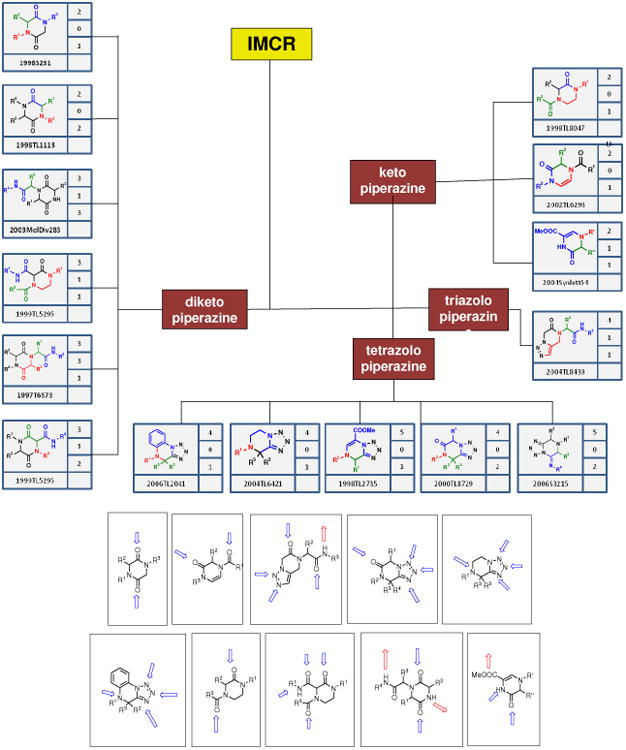
Sector of the piperazine scaffold space offered by IMCR. Above the relationship of 15 different piperazine scaffolds based on different heterocyclic systems and hydrogen-bond donor-acceptor features is depicted. Below several piperazine scaffolds are shown with their imminent 2D hydrogen bond donor acceptor propensity (blue and red arrows, H-bond acceptors and donors, respectively).
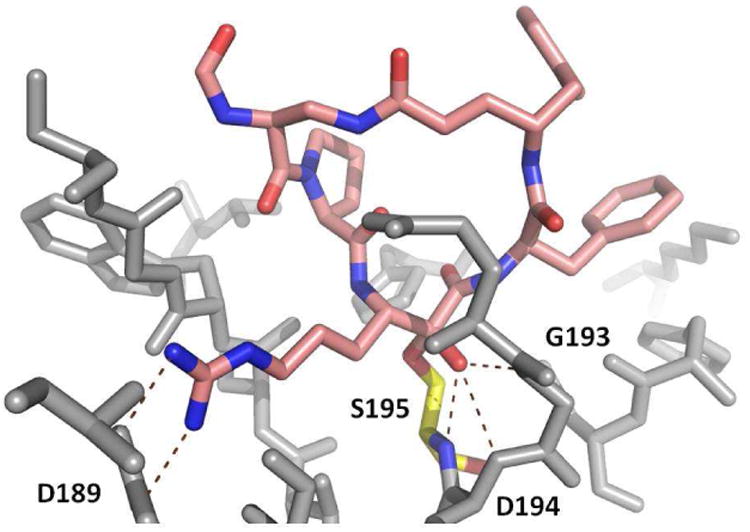
Cyclotheonamide C in complex with human thrombin (PDB ID: 1TYN). Thrombin receptor is shown as grey sticks (several amino acids have been omitted for clarity). Highlighted in pink cyclotheoamide C and in yellow the active side Ser195 forming a covalent hemi acetale bond with the α-ketoamide moiety of cyclotheonamide C. Additionally, the structure is stabilized by a hydrogen bond network of the hydroxyl group of the hemi acetale and backbone amide Gly, Asp and Ser, the so called oxy anion hole.
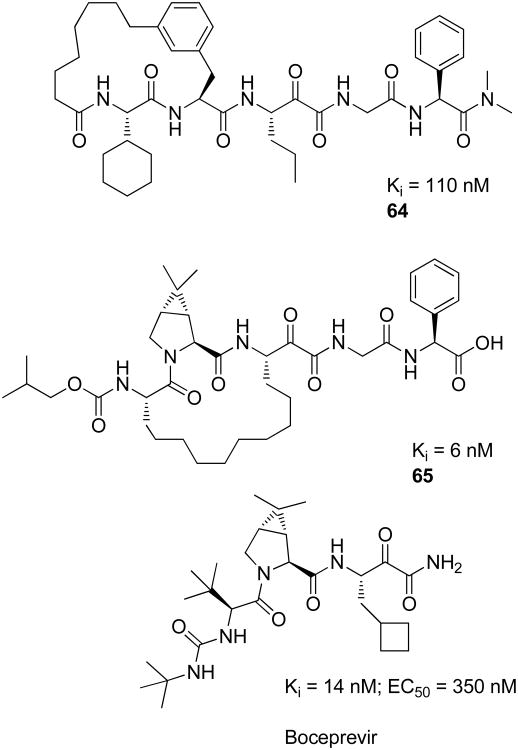
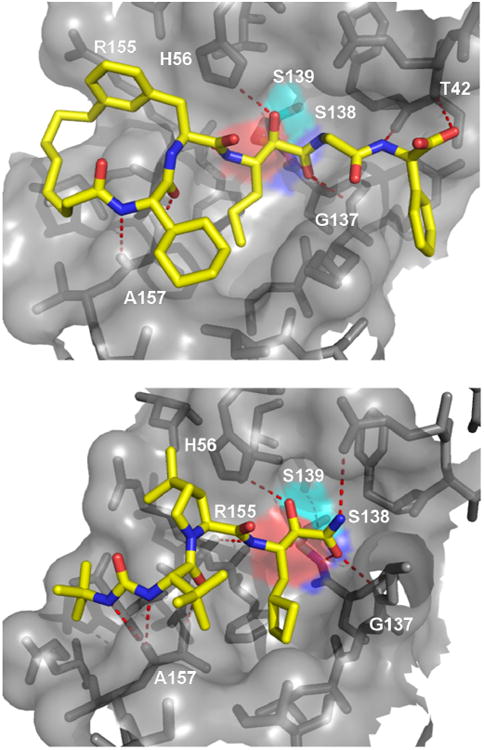
Atomic details of a macrocyclic (64, above) and linear (Boceprevir, below) α-ketoamide HCV NS3 protease inhibitors (PDB-IDs: 2A4Q and 2OC8). The active Ser is marked by a cyan surface, the inhibitor by yellow sticks and the binding surface of the protease is shown as grey surface and sticks.
Atomic details of a macrocyclic (64, above) and linear (Boceprevir, below) α-ketoamide HCV NS3 protease inhibitors (PDB-IDs: 2A4Q and 2OC8). The active Ser is marked by a cyan surface, the inhibitor by yellow sticks and the binding surface of the protease is shown as grey surface and sticks.
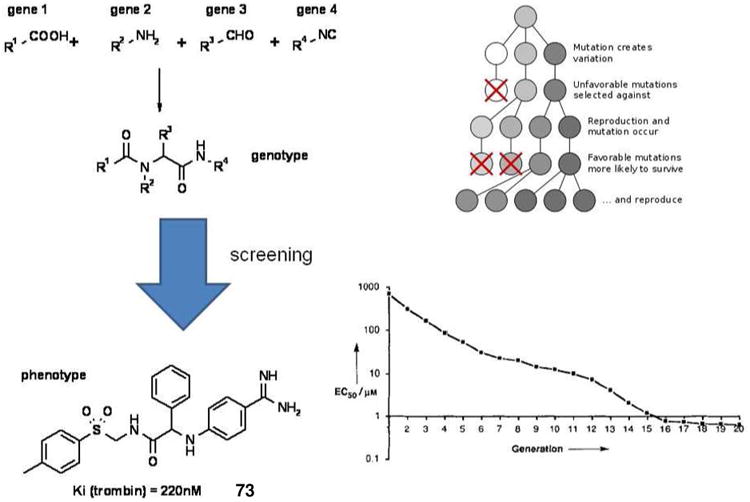
U-4CR and U-3CR based generation of potent and selective thrombin inhibitors (73) using genetic algorithm techniques. In the graph the evolution of active compounds (EC50) over the number of generations is shown.
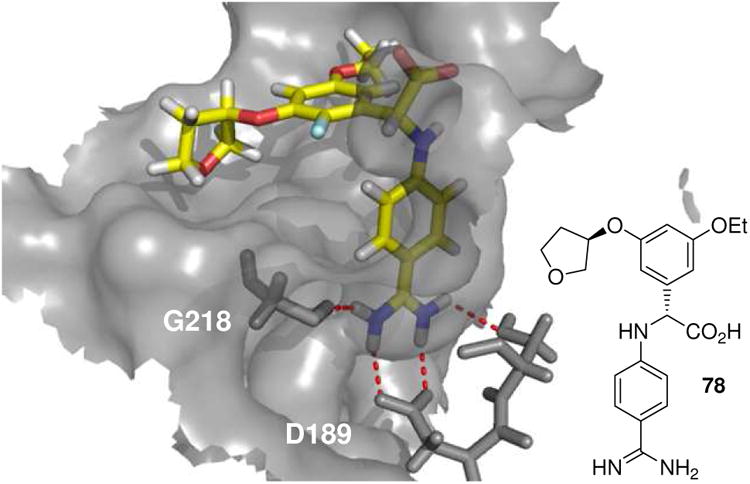
Phenylglycine derivative 78 co-crystallized with FVIIa (PDB ID: 2BZ6).
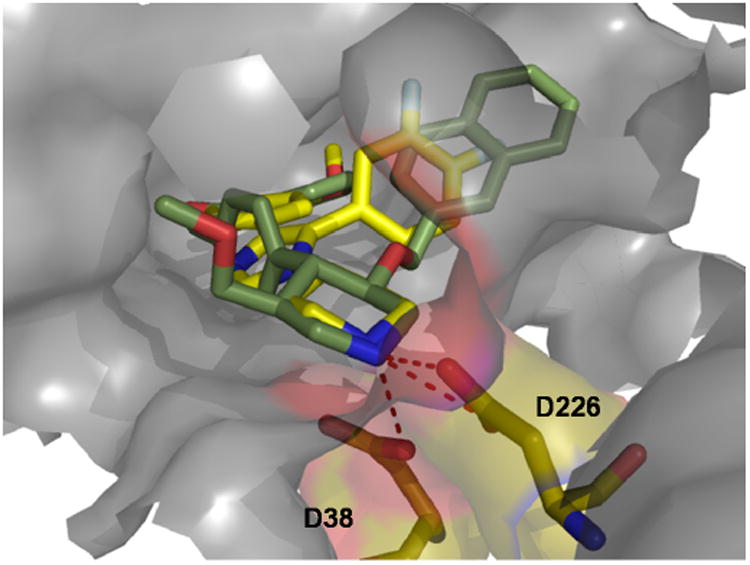
Inhibitor 85 (green sticks) (PDB ID: 1PR8) and a docked piperazine imidazole inhibitor 87 (yellow sticks) bound into a very deep cleft in renin. The piperazine-N is sandwiched between the two active side Asp38 and Asp226 (pink sticks) and replacing the active water.
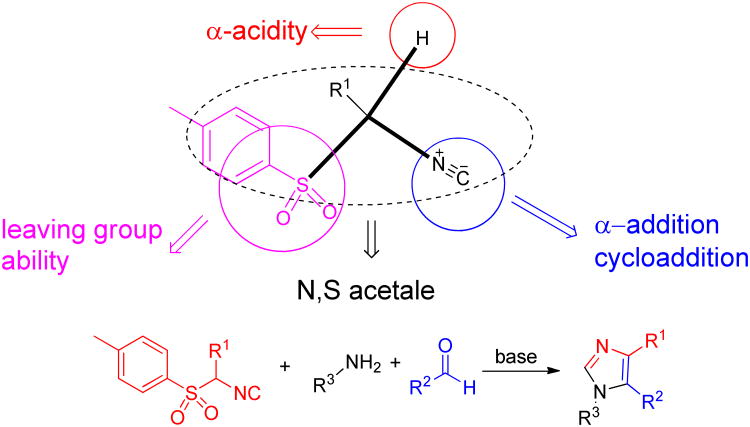
TOSMIC is a densely functionalized reagent, which accounts for its versatility in different reaction pathways.
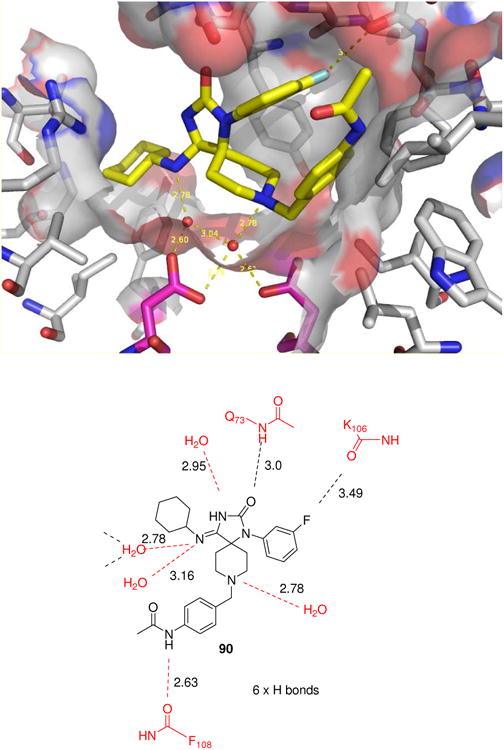
A new MCR derived scaffold showing promising BACE-1 activity. Above: synthesis of the general scaffold involving a key Ugi-4CR and representative inhibitors (90) with enzyme and cellular activity. Below: Binding mode of compound 90 (PDB ID: 3E3W) and schematic representation of the major short contacts to the BACE-1 receptor and to water molecules. Noteworthy there is no direct contact of the ligand to the two catalytic asp, it is however mediated by two crystal water molecules. Also noteworthy is a short contact between the fluorine of the ligand and a backbone carbonyl-O with the aromatic plane almost perpendicular to the amide group (α (CF-OC) = 177°). The distance of 3.49 Å, however is more than the sum of the atom radii (r (F) 1.47 Å + r (O) 1.52 Å = 2.99 Å). The two central Asp residues are marked pink.
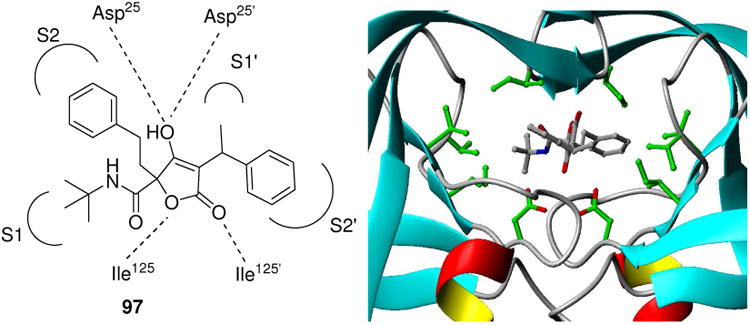
Cocrystal of a tetronic acid MCR-derivative (97) bound into HIV protease. The enol group is sandwiched between the two active site aspartates.
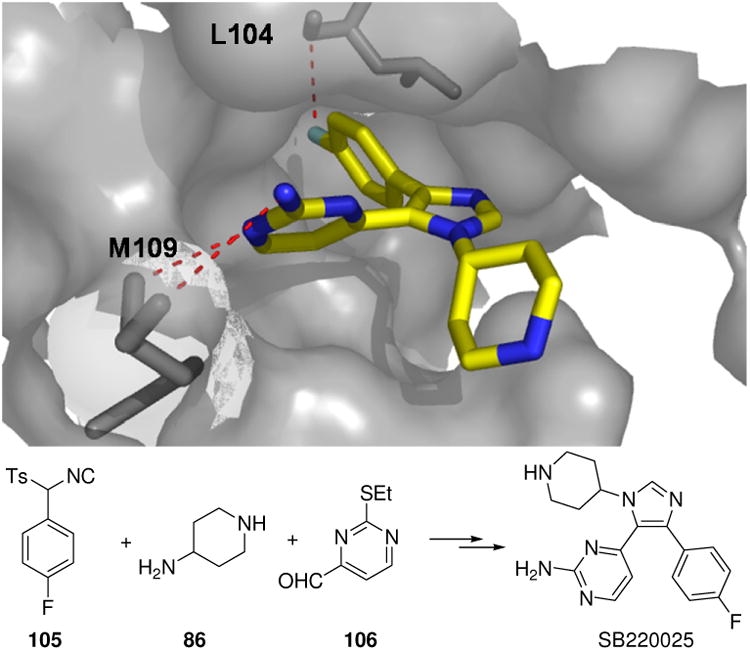
vL-3CR compound SB220025 is a potent p38 inhibitor. Above: Binding of SB220025 into p38 active site (PDB ID: 1BL7). The 2-amino portion forms hydrogen bonds, the kinase hinge region and the fluorine of the ligand is involved in a short contact to the backbone carbonyl-C (3.1 Å). Below: reaction scheme of the vL-3CR.
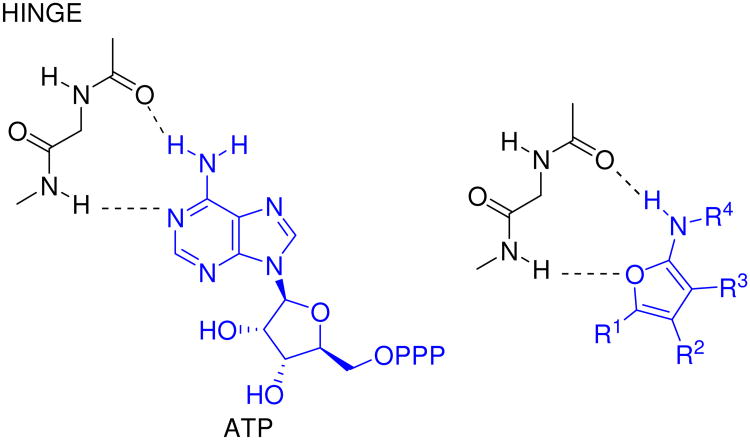
MCR derived 2-aminofuranes are potential kinase scaffolds displaying kinase inhibitor specific pharmacophores: they are flat heteroaromatic and display a vicinal H-bond donor/acceptor moiety (shown in comparison to the ATP bond to the hinge region of kinases).
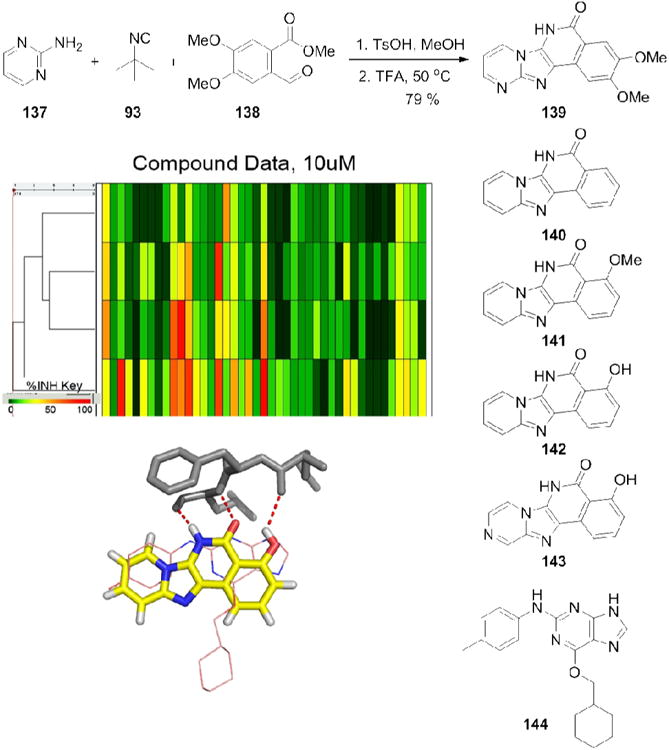
MCR kinase inhibitors. Above: 2-Step synthesis of kinase inhibitors (139) using the GBB-3CR. Middle: Selectivity profile of some representative compounds (140-143) against a panel of kinases. Below: Docking of compound 142 (yellow sticks) into the active site of CDK2 together with the cocrystallized anilino-purine compound 144 (pink lines) (PDB ID: 1OI9). Compound 142 forms a strong hydrogen bond network with the hinge region of CDK2 (grey sticks, red dotted lines), a prerequisite for a potent kinase inhibitor.
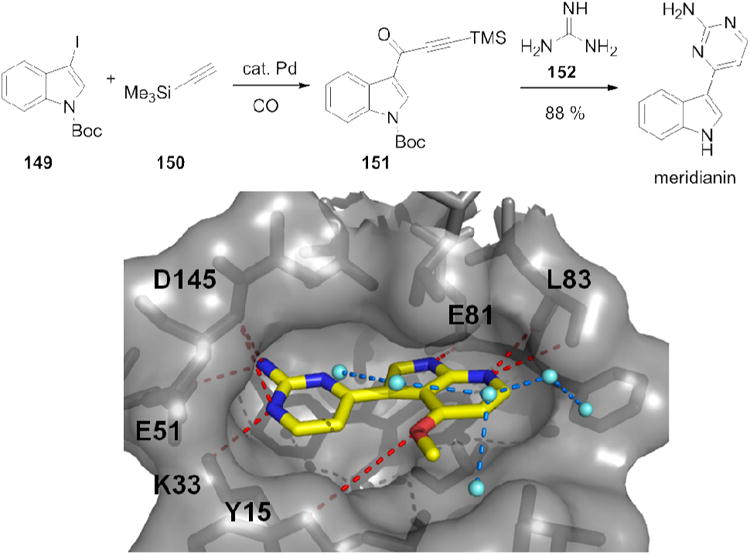
Kinase inhibitory natural product meridianin in a short and efficient MCR synthesis and its natural origin, an Aplidium sp. sponge. Below: The cocrystal structure of the 7-aza meridianin in complex with CDK2 (PDB ID: 3BHT). Shown with red dotted lines is the extensive H-bond network of the natural products with the hinge region and other amino acid side chains of the receptor. A tight water network on top of meridianin is shown as turquoise balls and blue dotted lines.
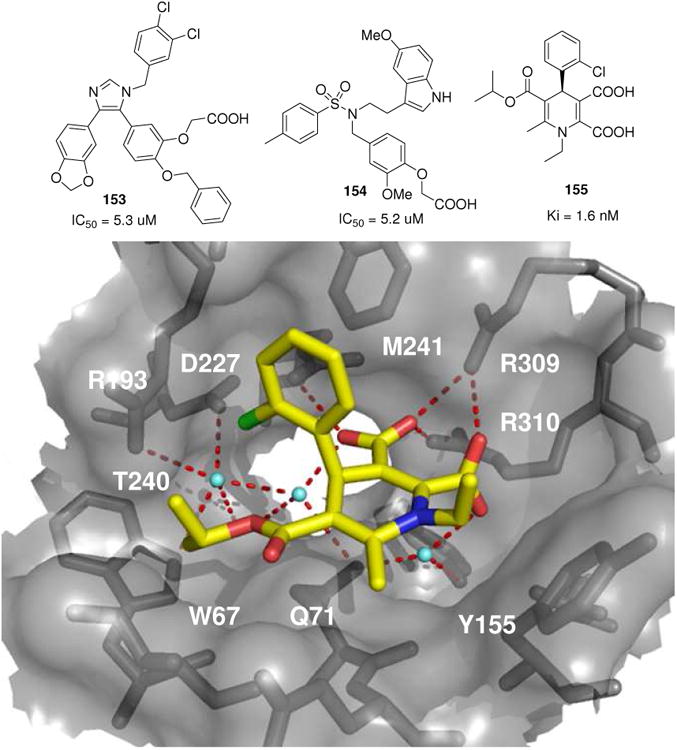
Above: Structure of different MCR derived phosphatase inhibitors. Below: Glycogen phosphatase (PDB ID: 2AMV) in complex with a Hantzsch MCR derived dihydropyrimidine 155. Note the typical boat conformation of the central heterocycl
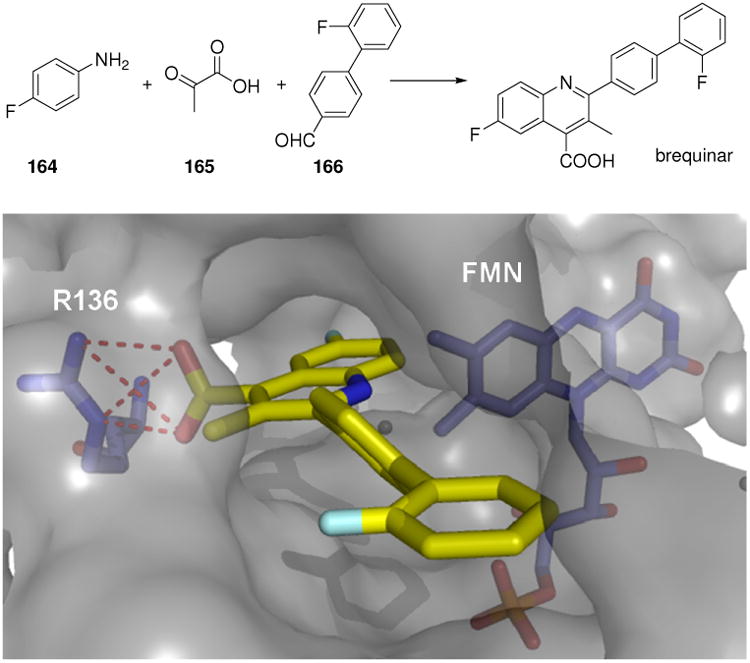
Above: The DHODH inhibitor brequinar synthesized by Doebner-3CR. Below: The Doebner-MCR product is located in a deep and hydrophobic protein binding site (PDB ID: 1UUO). The key interaction is the salt bridge between the carboxylic acid and the guanidine unite of Arg136. Noteworthy the tight interaction of the two fluorine atoms located at the isoquinoline and the external biphenyl ring with the hydrophobic protein environment.
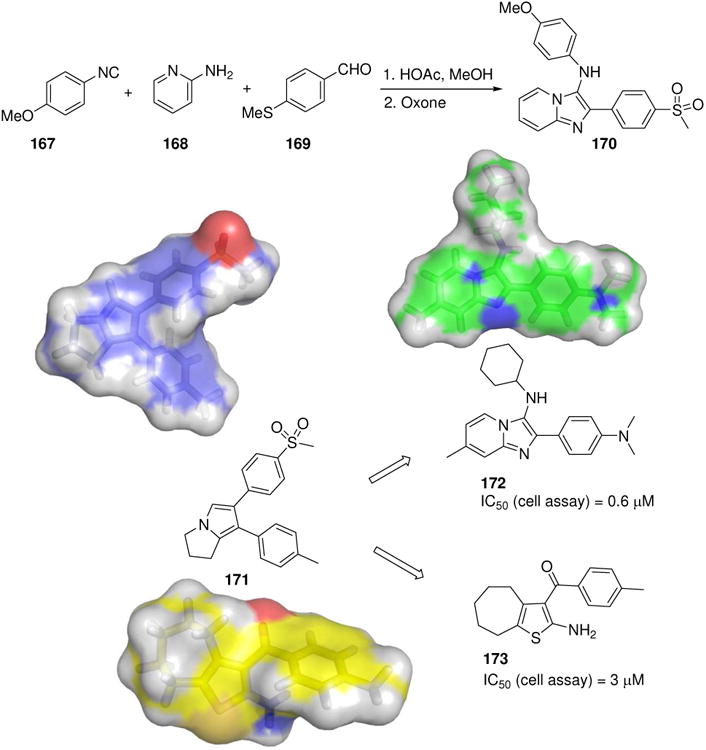
Scaffold hopping via virtual screening towards discovery of novel COX inhibitors. Compound 171 served as a template to screen a 1323 compound library using a screening cascade. Amongst the hits several scaffolds based on MCR were discovered. The most potent hit, compound 172 showed nM activity in a cell based assay.
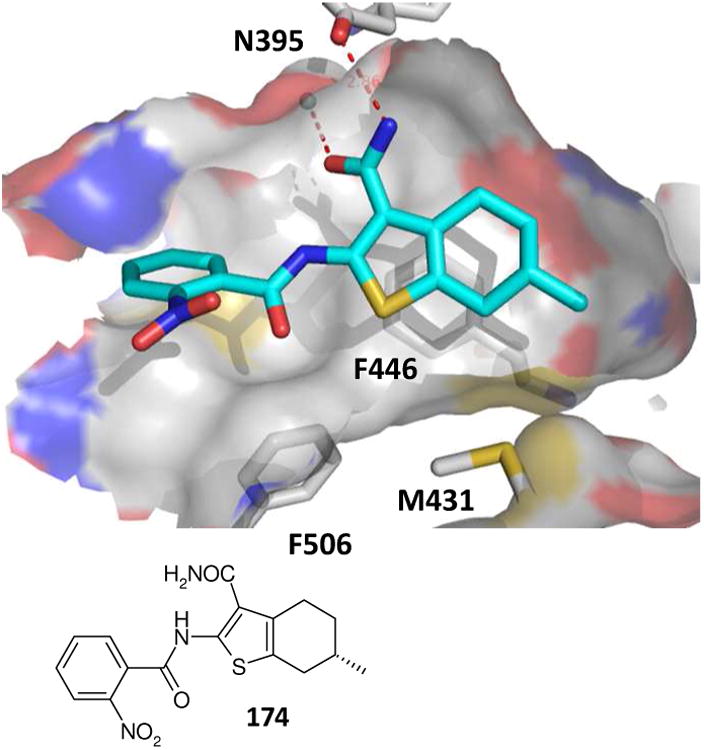
Gewald-3CR product 174 (turquoise sticks) as subtype specific 3′,5′-nucleotide phosphodiesterase enzyme inhibitor bound to PDE4B (PDB ID: 3HMV). The inhibitor pocket is shown in a cut-off view. Several amino acid side chains are removed for clarity. The primary amide of the inhibitor makes a hydrogen bonding contact to Asn395 and an adjacent water molecule. A π-π interaction can be observed between the thiophene ring and Phe446. Additionally there are hydrophobic contacts to Phe506 and Met431.
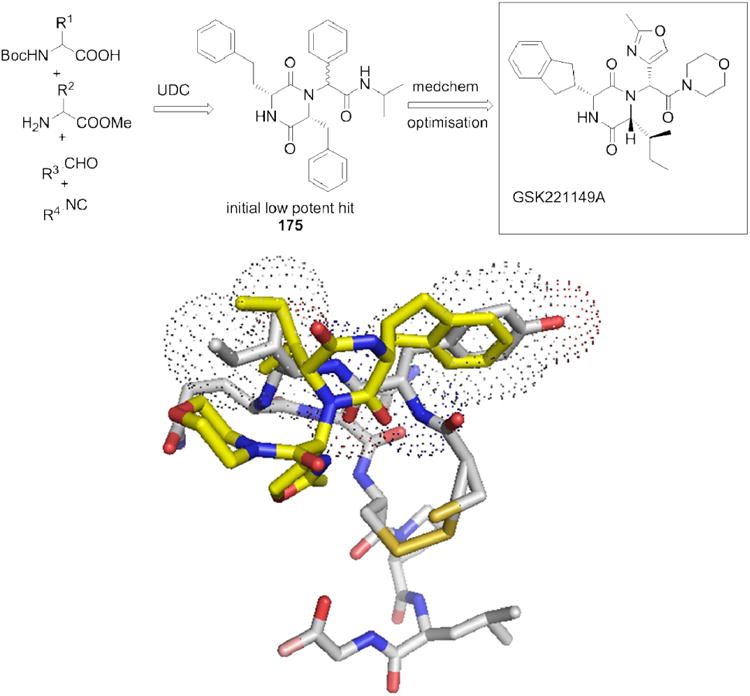
Above: Retrosynthesis of the oxytocin antagonist (compound 175 and GSK221149A). Below: X-ray structure of oxytocin (grey sticks, PDB ID: 1XY2) and an energy minimized model of GSK221149A (yellow sticks). It is hypothesized that the indane part of GSK221149A mimics Tyr2 and the Ile fragment Ile3 of oxytocin. The oxazole fragment imparts a conformational lock and the morpholine water solubility, respectively.
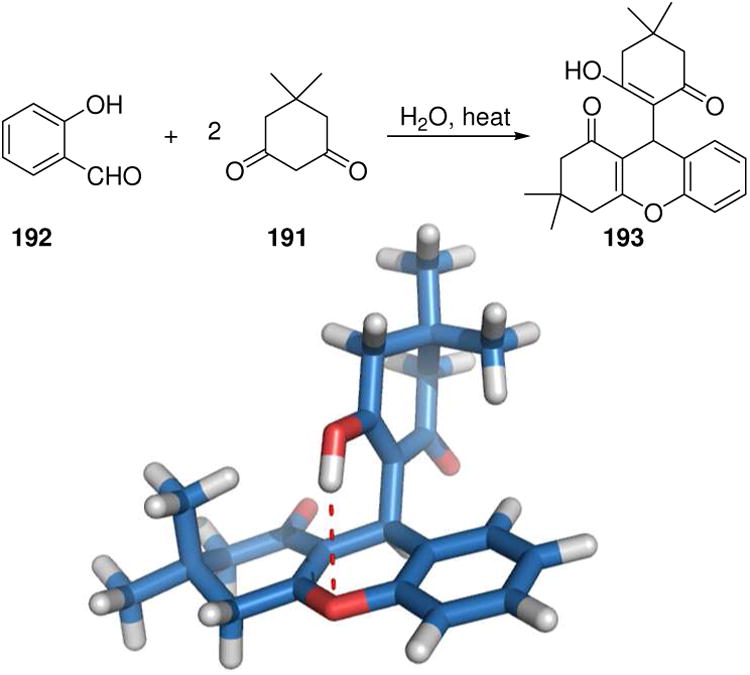
Potent NPY antagonist 193 made by an old and experimentally simple MCR.
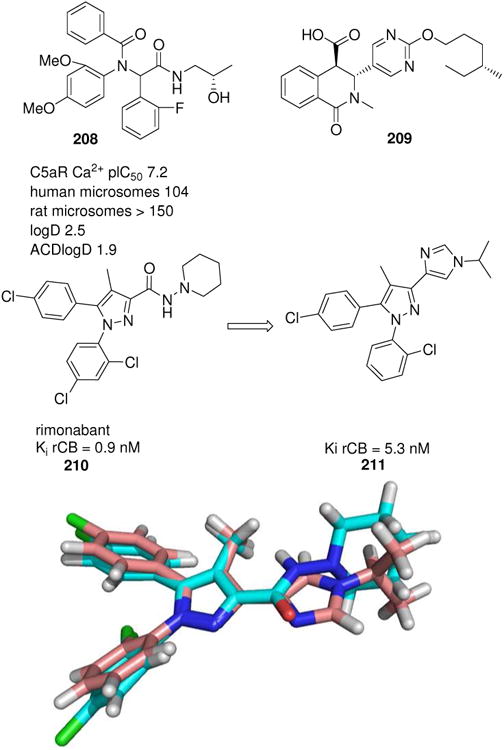
Various GPCR MCR-receptor binders. Below: Overlap of the CB1 receptor antagonist rimonabant with an imidazole isostere 211 synthesized by vL-3CR.
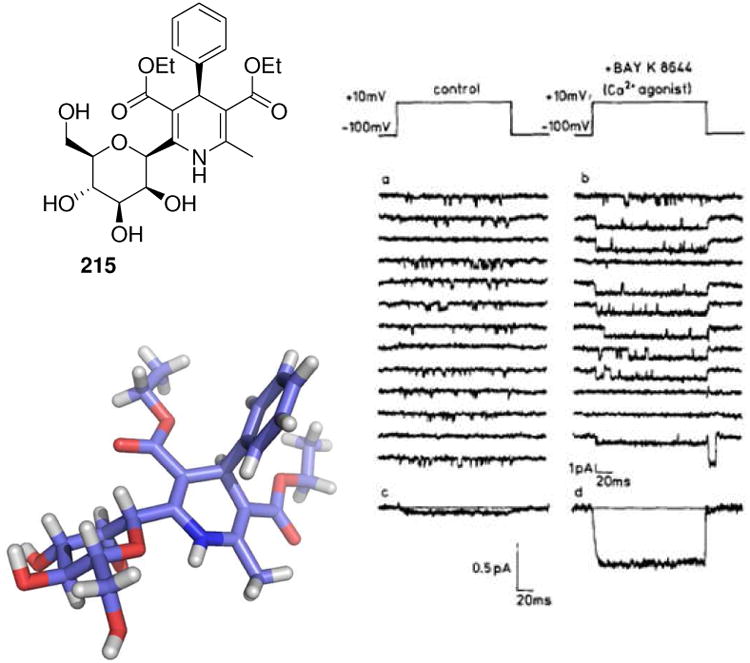
Left: Structure and X-ray structure of glycosylated dihydropyridine 215 in its typical bioactive boat conformation (CCDC ID: 182892); right: Patch-clamp recording for individual Ca2+ channels in the absence (left) and in the presence (right) of a dihydropyridine calcium antagonist.
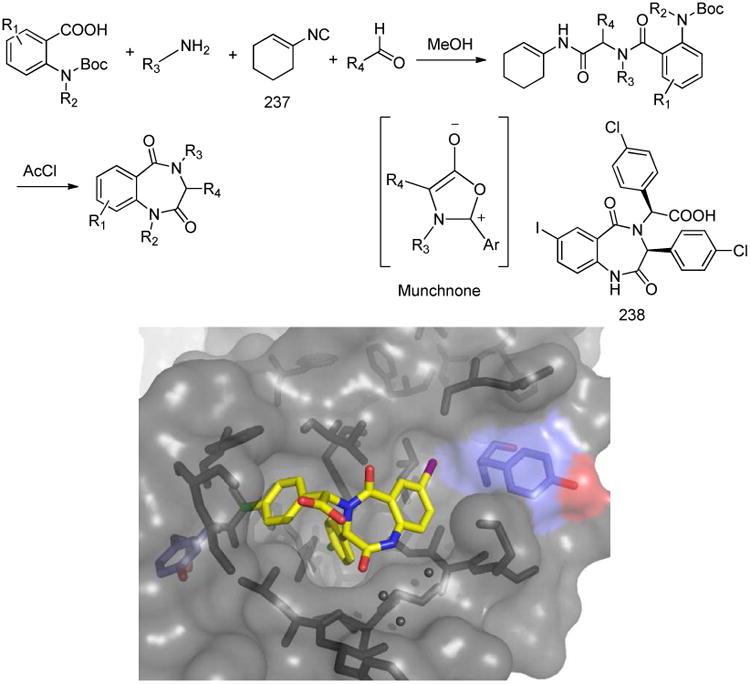
Synthesis and cocrystal structure of potent small molecular weight p53-mdm2 antagonists 238. The synthesis involves a U-4CR of N-protected anthranilic acid, a primary amine, and aldehyde and the convertible isocyanide cyclohexenylisocyanide, followed by acid deprotection and cyclisation via a Münchone intermediate. A highly affine benzodiazepindione derivative 238 bound to mdm2 is shown below (PDB ID: 1T4F). The 4-chlorophenyl glycine, the 4-chlorophenyl and the 7-iodophenyl moieties occupy the Leu26, Trp23 and Phe19 binding pockets in mdm2, respectively.
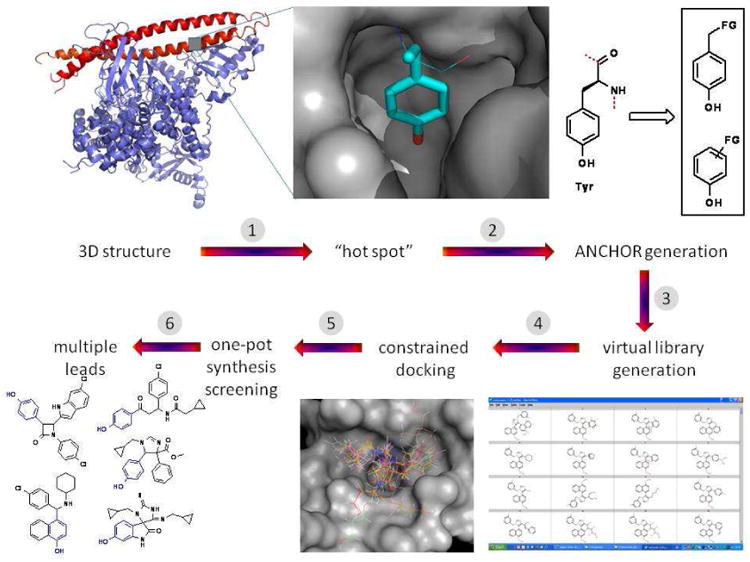
Schematic process of discovery of PPI antagonists, based on structural information, hot spot anchors and rapid MCR chemistry.
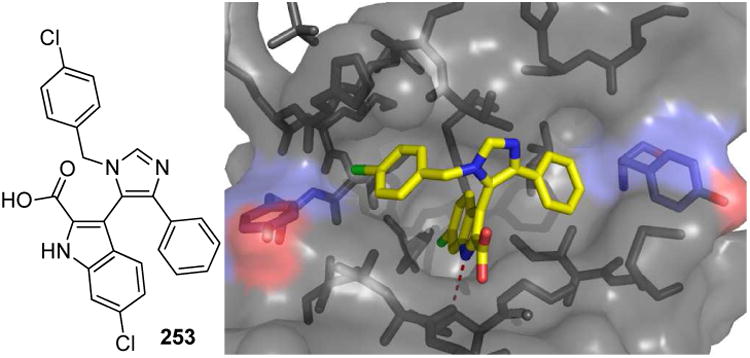
Interaction of vL-indoloimidazole 253 with the p53 binding islet of the mdm2 receptor (PDB ID: 3LBK). The anchor residue chloro-indole occupies the Trp23 binding site, whereas the 4-chlorobenzyl mimics the Leu26 and the phenyl moiety the Phe19 site. Notably, the indole forms a nice hydrogen bridge to Leu54 backbone carbonyl of the mdm2 receptor similar to the Trp23p53 mdm2 interaction.
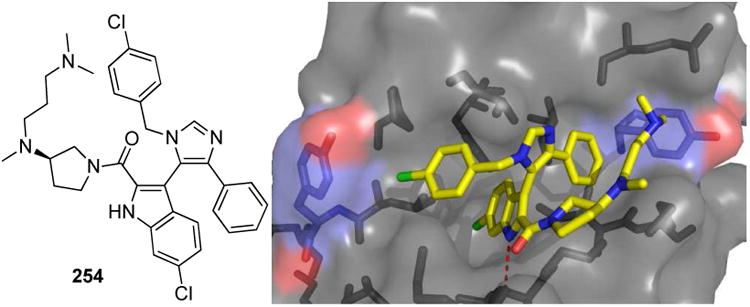
Interaction of vL-indoloimidazole 254 with the p53 binding site of the mdm4 receptor (PDB ID: 3LBJ). The anchor residue chloro-indole occupies the Trp23 binding site, whereas the 4-chlorobenzyl mimics the Leu26 and the phenyl moiety the Phe19 site. Notable, the indole forms a nice hydrogen bridge to Leu54 backbone carbonyl of the mdm2 receptor similar to the Trp23p53 mdm2 interaction.
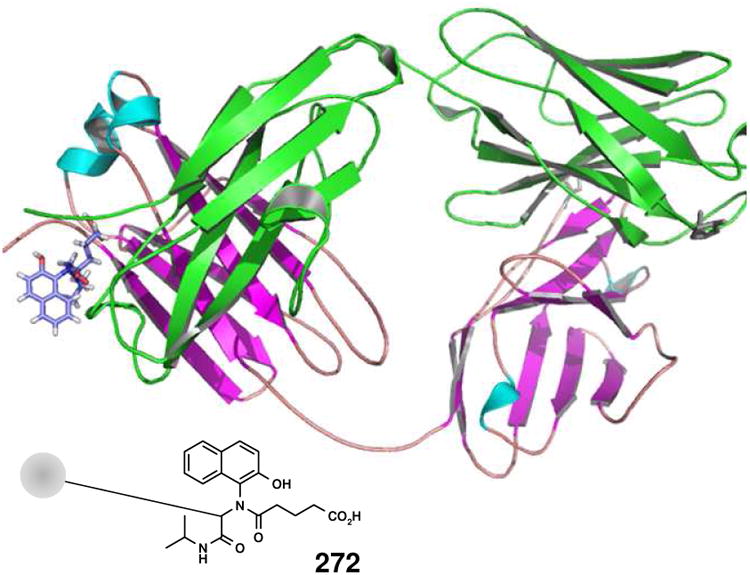
Sepharose solid-support Ugi products (272) for the affinity purification of therapeutic Fab fragments. Docking of the best Ugi ligand (blue sticks) into human Fab fragment (PDB ID: 1AQK).
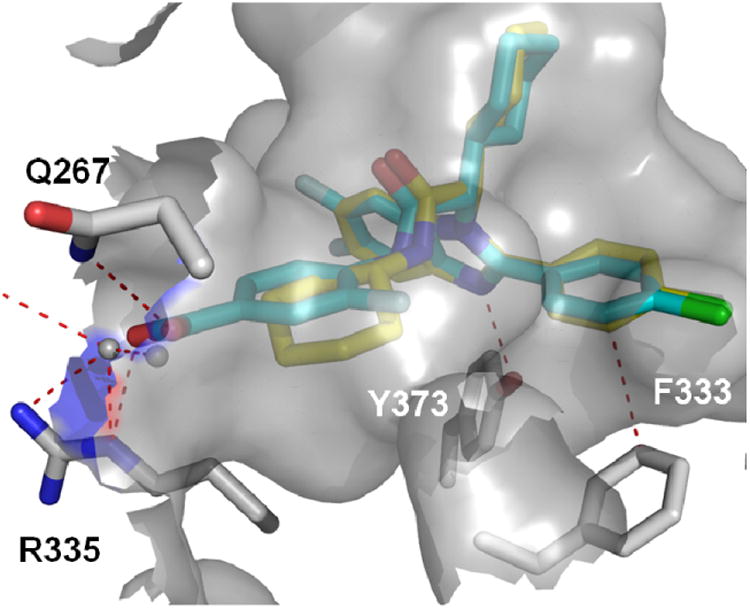
Alignment of the cocrystal structures of S-276 (yellow sticks) and optimized S-278 (marine sticks) to hFXR (PDB ID: 3OKI, 3OMM). The FXR binding site of 3OKI is shown as grey surface and selected amino acids as sticks. The inhibitors are encapsulated almost fully into the receptor. The highly conserved Tyr373 is making a hydrogen bridge to the scaffold benzimidazole-3N and is key to the efficient ligand binding (red dotted line). π-Stacking can be seen between Phe333 and the carboxylic acid derived p-chlorophenol. Ser336 (not shown) is engaged into hydrogen binding to the amide-NH resulting from the isocyano component. Additionally, in the hydrophilicity-optimized structure 277 a p-carboxyphenyl moiety at the mouth of the binding site mimics two tight waters (grey balls), forming an extensive hydrogen bond network with Arg335 and Gln267. The o-fluoro substituent of the isocyanide derived phenyl of 277 is accommodated in a hydrophobic bulb formed by the two Met332 and 294 (not shown) forming short hydrophobic contacts.
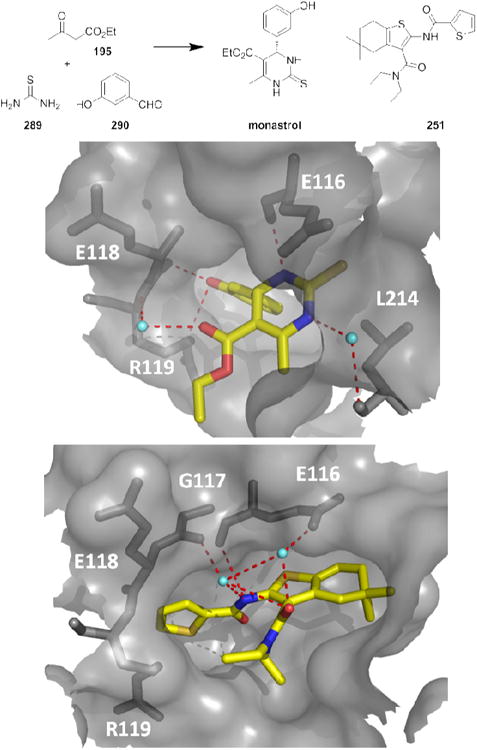
Synthesis of Biginelli product monastrol and a Gewald thiophene 291.
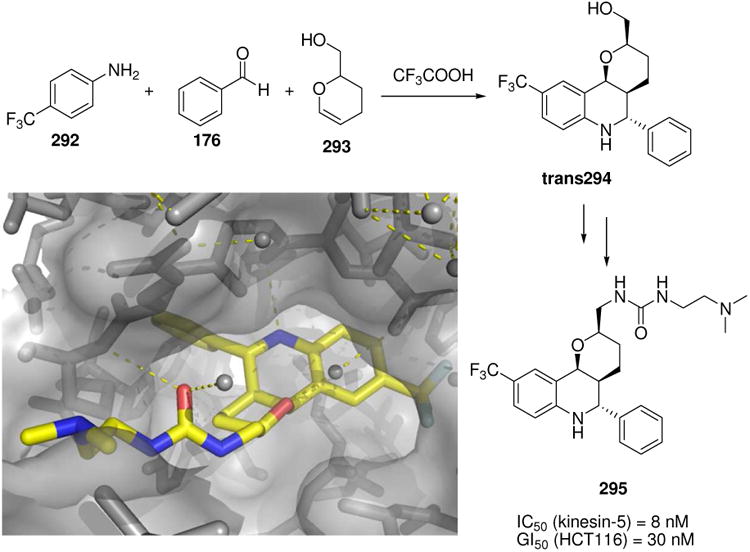
Cocrystal structure of 295 with kinesin-5. The dilemma of target-required hydrophobicity and inherent bad water solubility, poor PK properties and metabolic instability was solved by adding the solubilizing dimethylaminoethylamine urea moiety onto the tetrahydropyrane ring which points into the solvent space. The tetrahydroquinoline NH is involved into a hydrogen bond to backbone carbonyl Glu116 as is the urea carbonyl forming a hydrogen bond to a water molecule and backbone carbonyl Arg119.
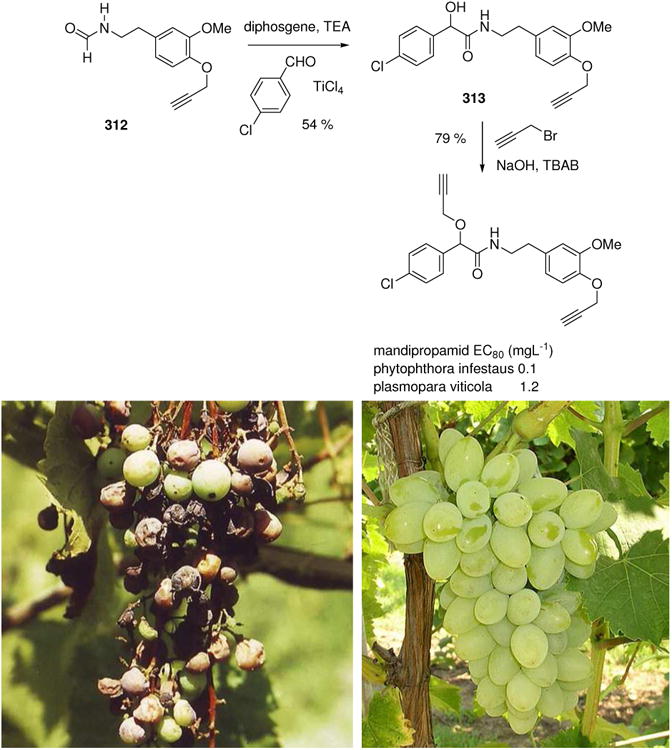
Marketed mandipropamide as an agrochemical application of MCRs. It is used to protect wine grapes from fungal infections. Below: Infected and healthy grapes (Phytophthora infestans)
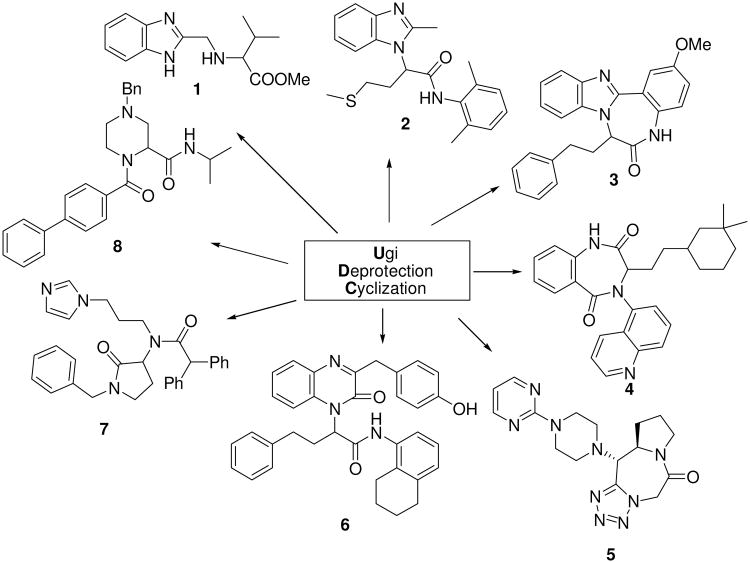
The UDC-strategy allows for the great scaffold diversification of an initial Ugi reaction by using orthogonal protected bifunctional starting materials.
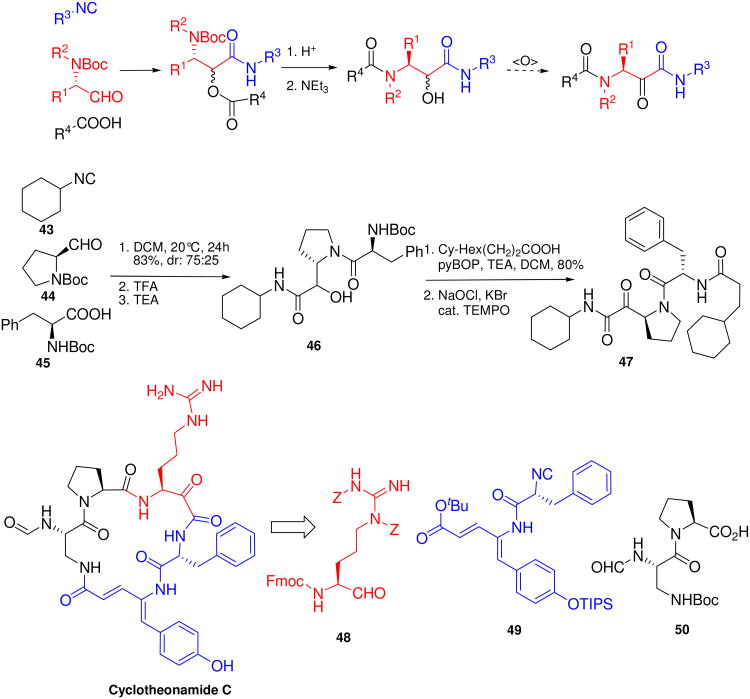
Above: The generalized scheme as an archetypical example to illustrate the synthetic power of MCR chemistry. Middle: In a sequence of only 2-3 steps molecular diversity of high relevance for protease inhibitors (47) is assembled. Below: the complex natural product thrombin inhibitor cyclotheonamide C has been synthesized using this strategy as a key transformation in an unprecedented efficient and convergent approach.
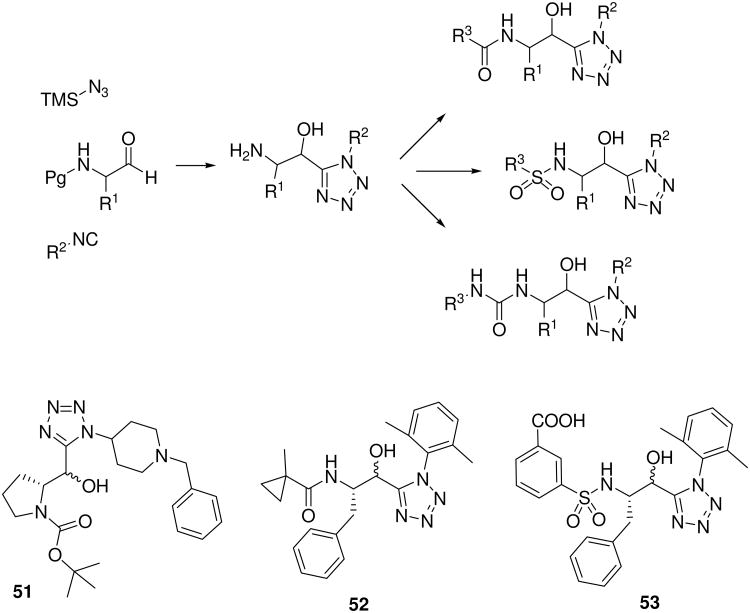
2-Hydroxy-3-amino-ethyltetrazoles (51-53) as targeted Asp-protease library accessible in high number and diversity by the 3-step sequence Passerini reaction, deprotection and acylation.
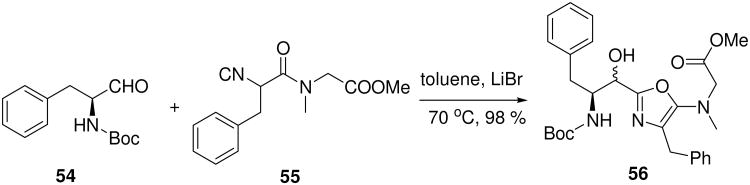
Heterocyclic norstatine 56 accessible by an intramolecular Passerini variation of isocyanoacetamides 55 and α-amino acid derived aldehydes 54.
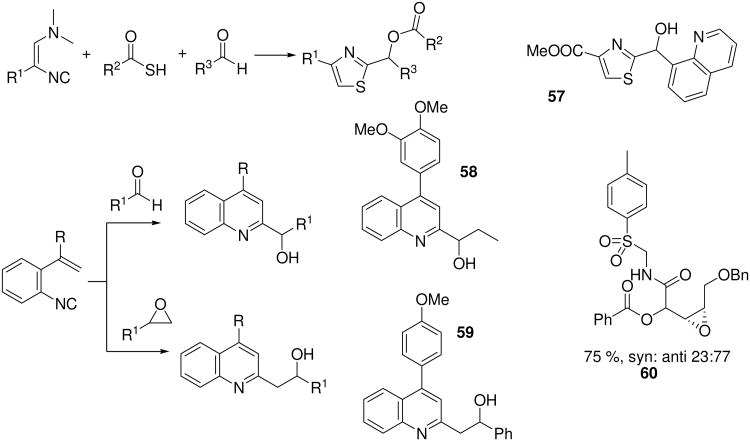
Various heterocyclic motifs combined with a secondary alcohol amenable by different (intramolecular) isocyanide chemistry variations.
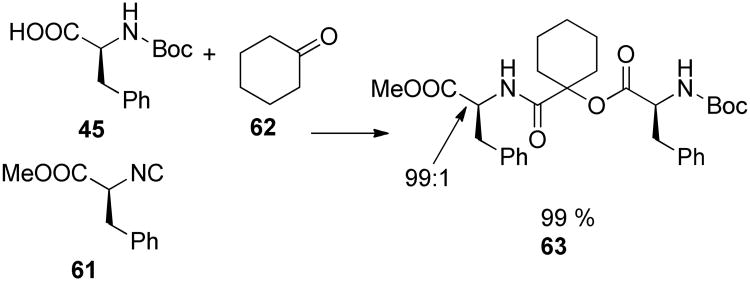
Ugi and Passerini reaction can be performed under retention of stereochemistry using chiral α-amino acid derived isocyanides.
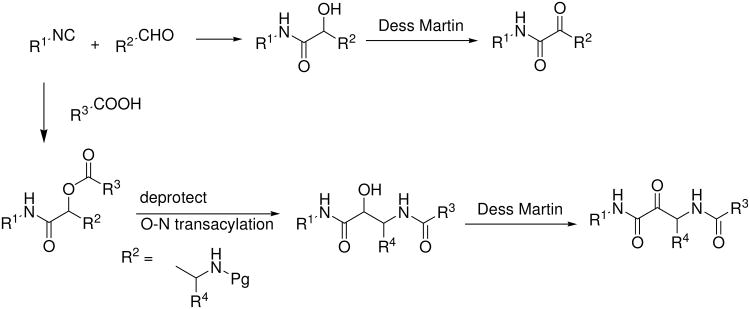
Use of Passerini reactions to convergently synthesize the α-ketoamide fragment, which is essential in many classes of serine protease inhibitors.
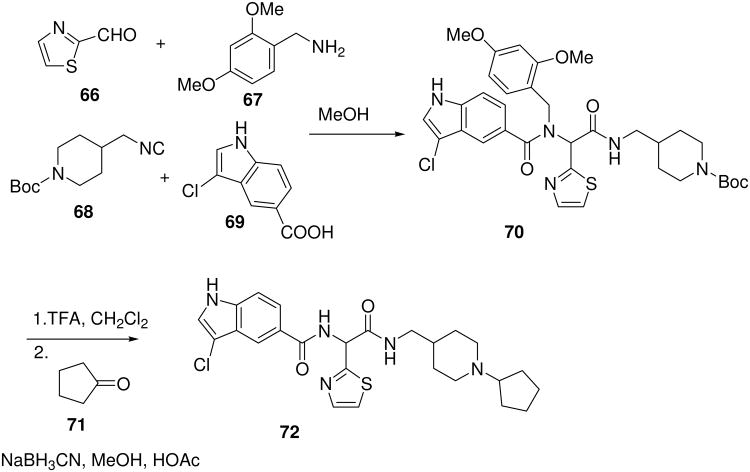
Convergent FXa inhibitor (72) synthesis by U-4CR.
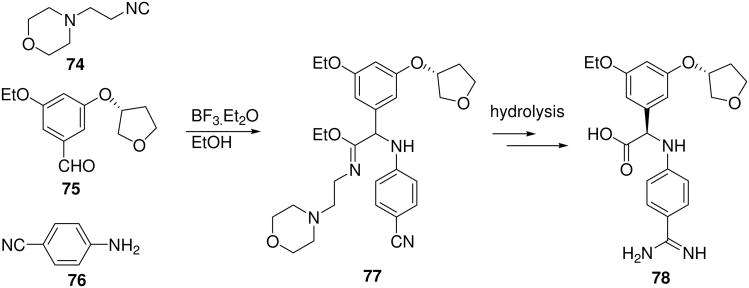
Synthesis of an oral bioavailable, highly potent and selective FVIIa inhibitors 78 involves a U-3CR variation.
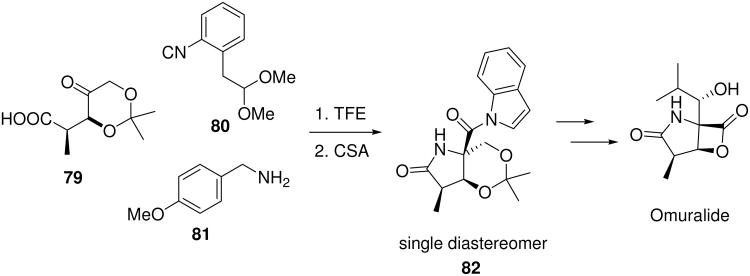
Synthesis of proteasome inhibitor and natural product omuralide by an elegant short sequence involving an intermolecular and highly stereoselective U-4CR using a new cleavable isocyanide.
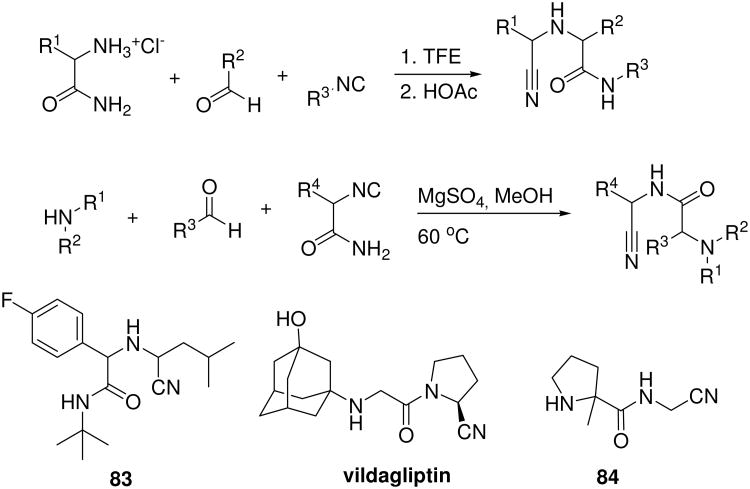
The marketed DPP-IV inhibitor vildagliptin and two complementary MCR approaches towards the pharmacophore α-amino nitrile.
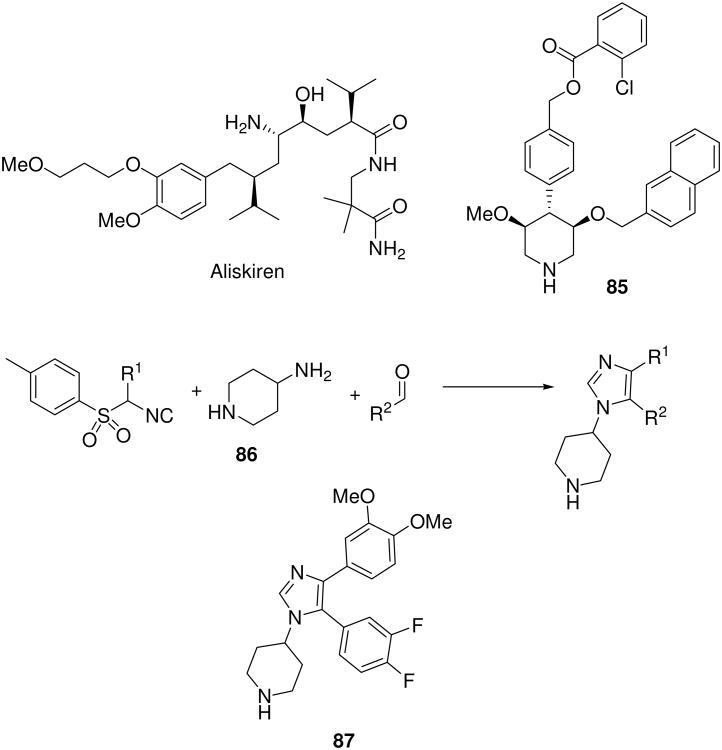
Approved renin inhibitor aliskiren, an early piperidine inhibitor (85) and general one-pot synthesis of 1,4,5-trisubstituted imidazole using van Leusen's 3CR of TOSMICs, aldehydes and unprotected 4-aminopiperidine (86).
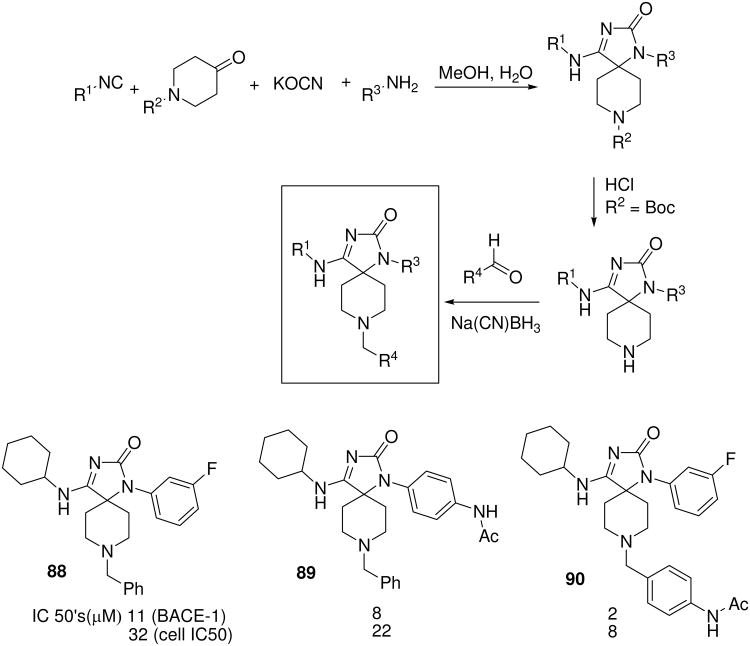
Synthesis of spiropiperidine-hydantoine-4-imides (88-90) by Ugi-MCR and representative BACE inhibitors with their bioactivity.
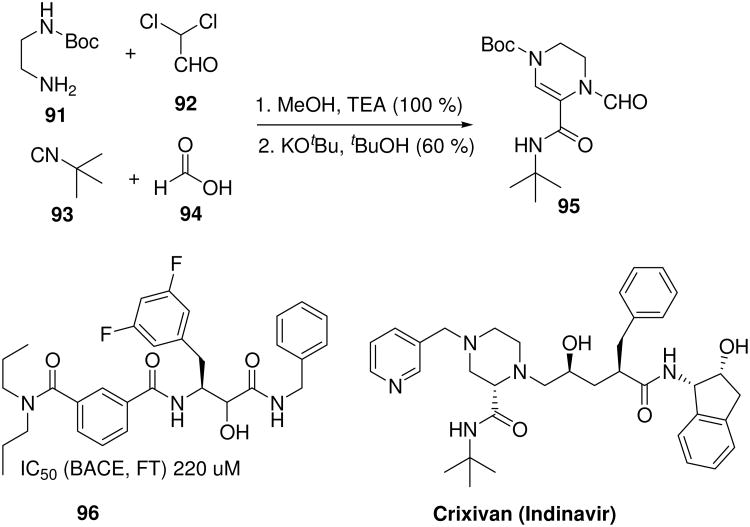
Introduction of MCR chemistry into the total synthesis of complex pharma products can potentially lead to a considerable shortage of steps and thus to lower cost-of-goods as exemplified here with the HIV protease inhibitor crixivan (indinavir).
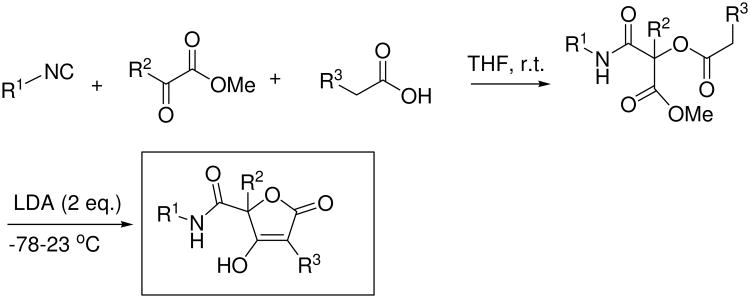
The sequence P-3CR – Dieckmann condensation leads into a tetronic acid backbone with HIV protease inhibitor activity.
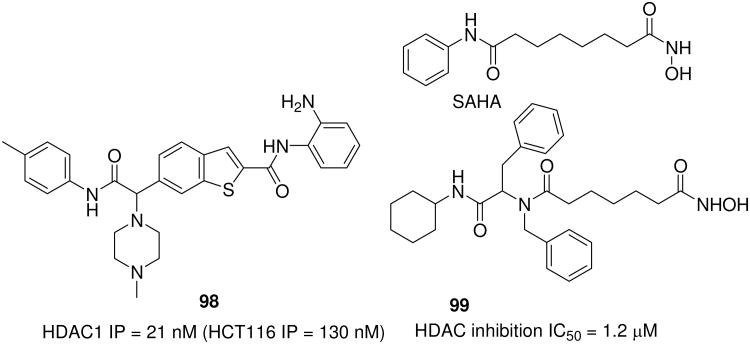
Top: the recently approved metalloproteinase inhibitor SAHA; bottom: a U-3CR product with a novel type of metal binding war head, mono-acyl-o-phenylendiamine (98) and hydroxamic acids (99).
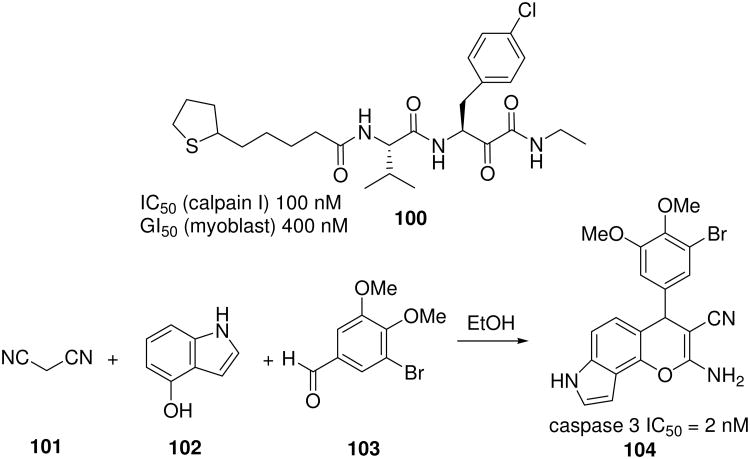
Selected reported cysteine protease inhibitors.
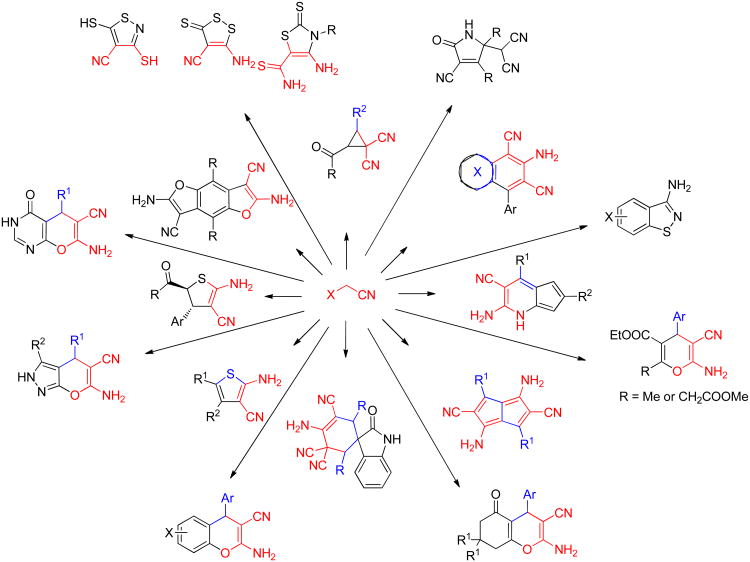
MCR scaffold diversity of malonodinitrile derivatives.
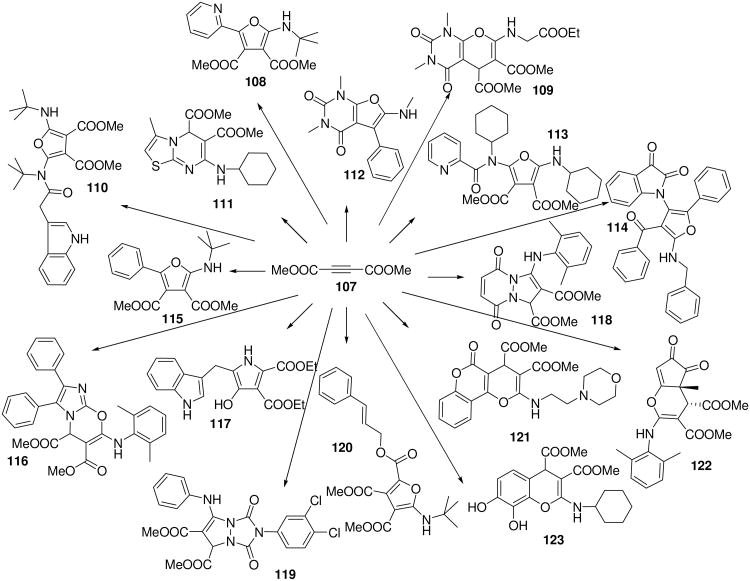
MCR chemistry of acetylenedicarboxylicacid diesters (DMAD) leads to multiple scaffolds (108-123) with hydrogen donor acceptor fragments thus potentially providing a kinase inhibitor pharmacophore.
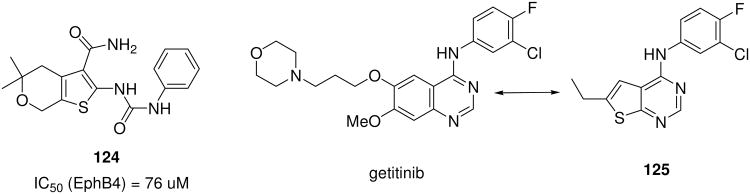
Kinase inhibitors by Gewald MCR.
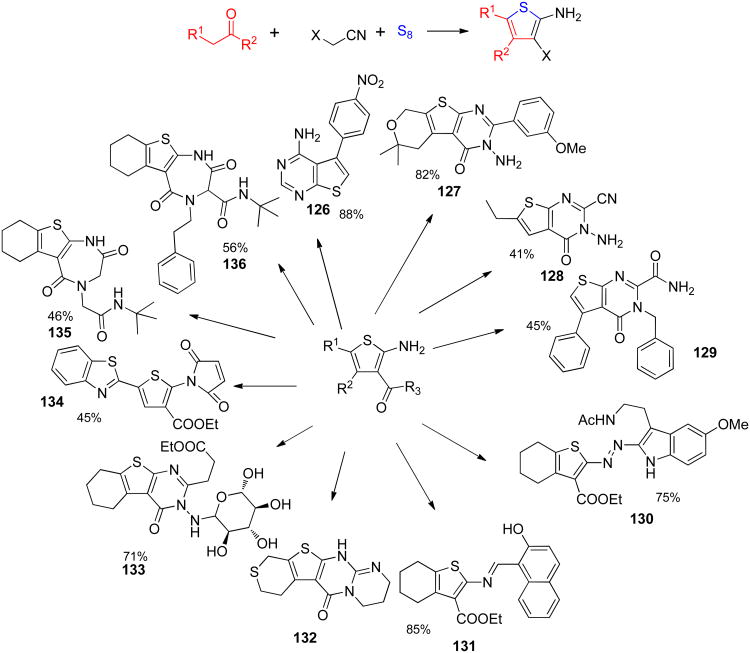
A diversity of products based on secondary reaction of the initial G-3CR.,
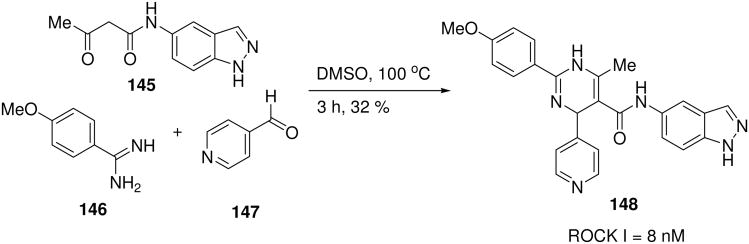
Synthesis of the potent Rho kinase inhibitors 148 by a 3-CR.
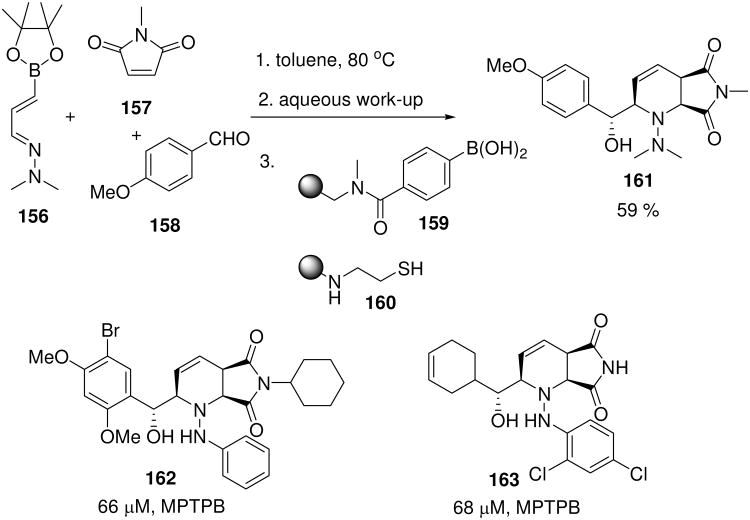
MCR library synthesis of phosphatase inhibitors involving hetero Diels Alder of α,β-unsaturated Schiff bases and allylboration.
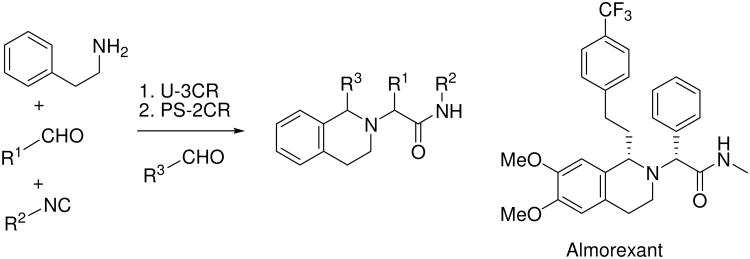
Structure of almorexant, a first in class orexin I antagonists currently in advanced clinical trials for sleeping disorders.
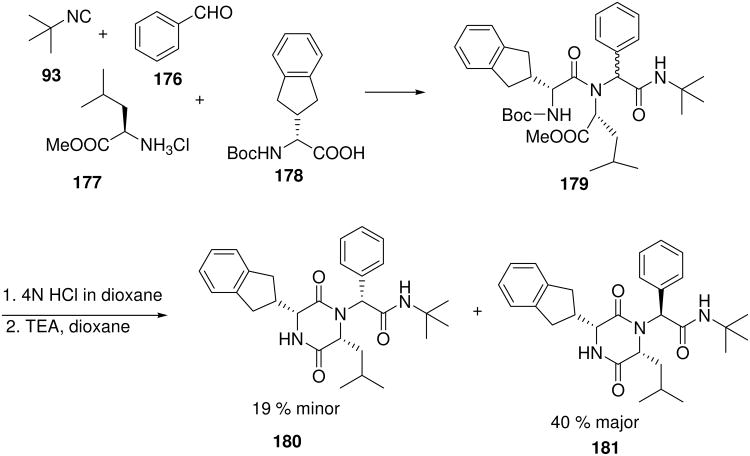
Synthesis of the (RRR)-180 and (RRS)-181 stereoisomers of oxytocin antagonist derivatives.
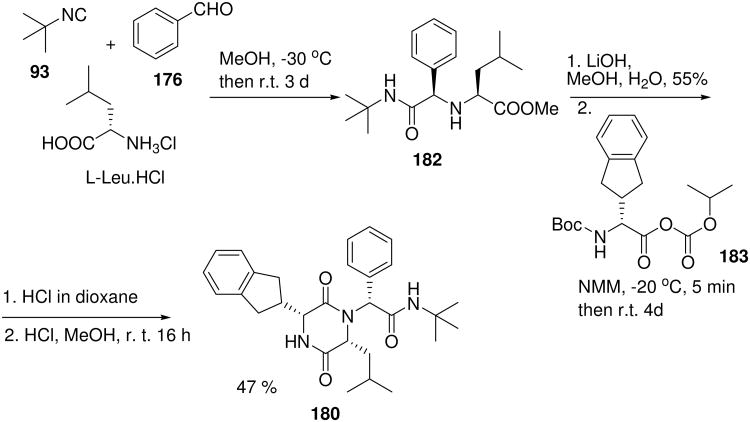
Alternative MCR synthesis of the RRR and SSS stereoisomers of oxytocin antagonist derivatives.
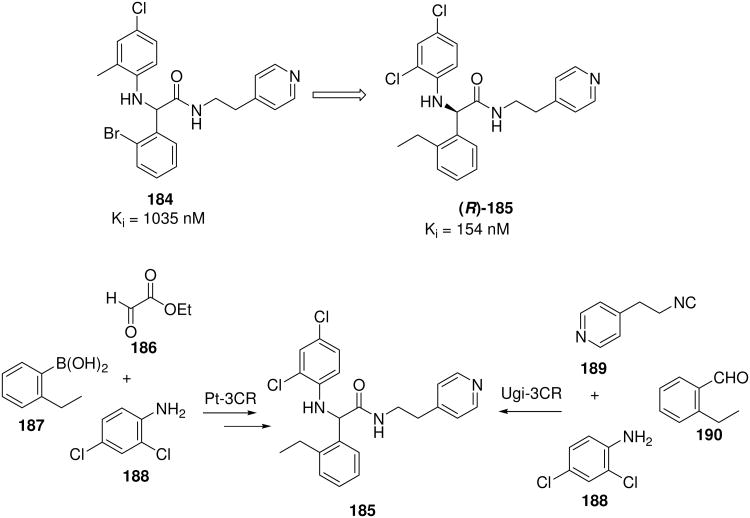
CRF receptor antagonist (R)-185 optimisation by Petasis or Ugi-3CR.
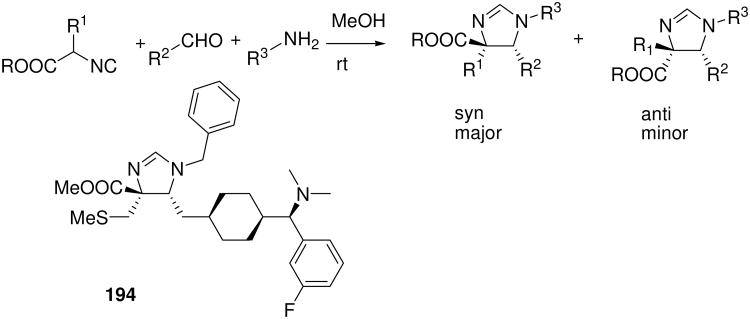
The Orru-3CR and a biologically active m-opioid receptor antagonist (194) thereof.
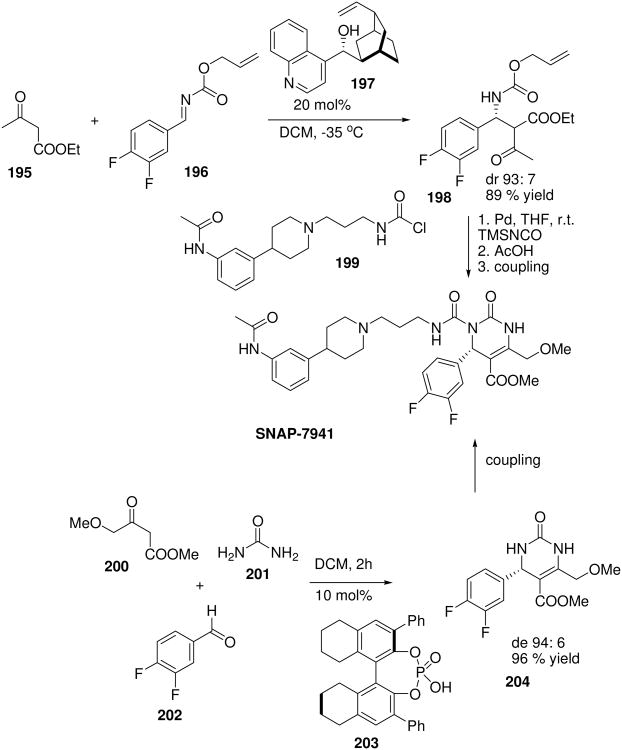
Two scale-up asymmetric routes towards a preclinical MCH inhibitor SNAP-7941.
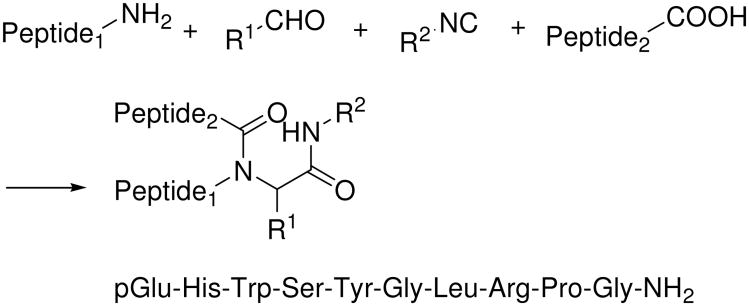
Ugi-ligation of Gn-RH analogues.
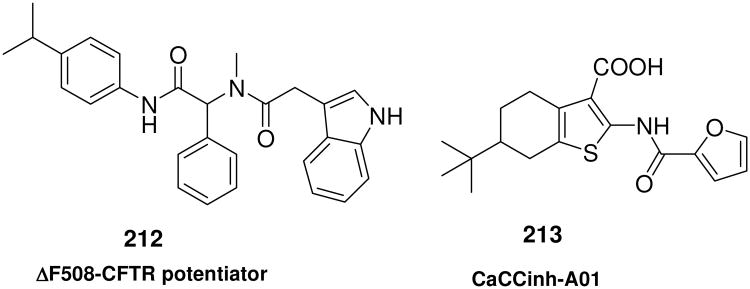
Examples of chloride channel interacting MCR products.
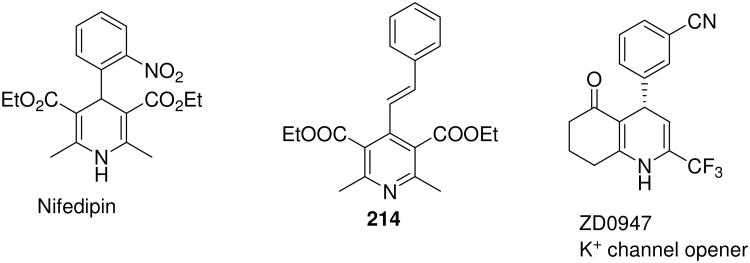
Channel blockers derived from the classical Hantzsch-4CR.
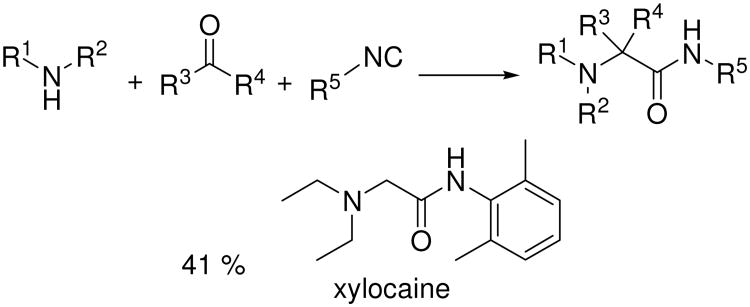
U-3CR scheme and the structure of xylocaine which can be advantageously synthesized by it.
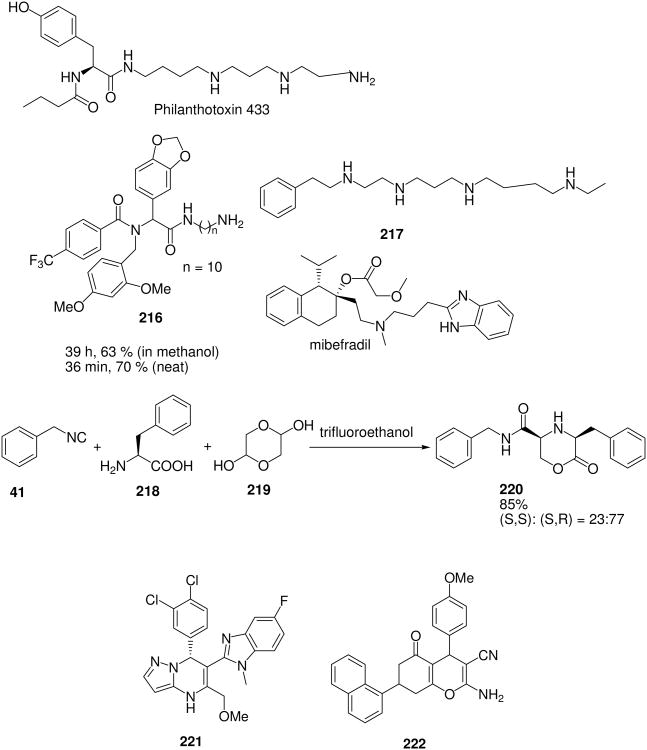
Different MCR derived channel modulators and the natural product philanthotoxin-433.
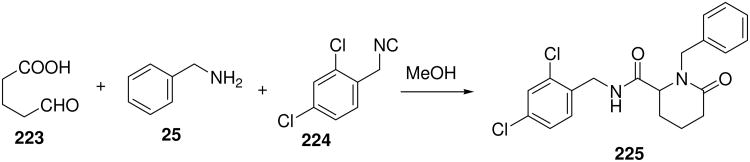
Intramolecular Ugi-MCR leading into activators of P2x7 receptor (225).
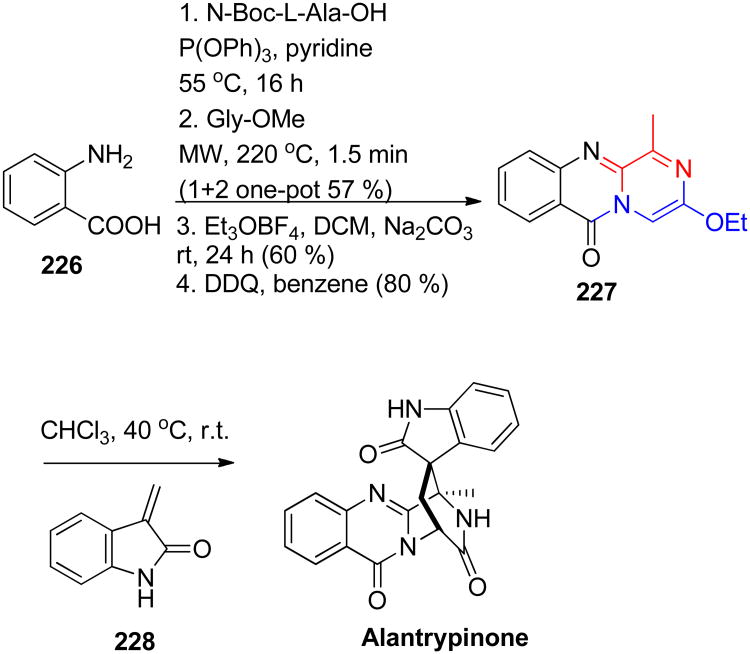
Natural product GABA antagonist alantrypinone MCR synthesis. In 227 the Ala and Gly fragments are shown in red and blue, respectively.
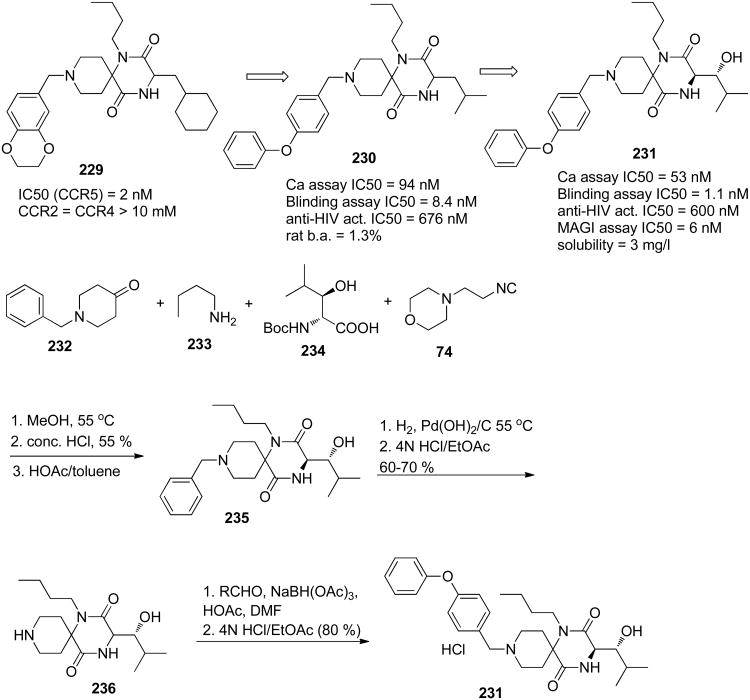
Potent protein-protein interaction antagonists 231 of the entrance of HIV into cells have been assembled using Ugi-4CR.
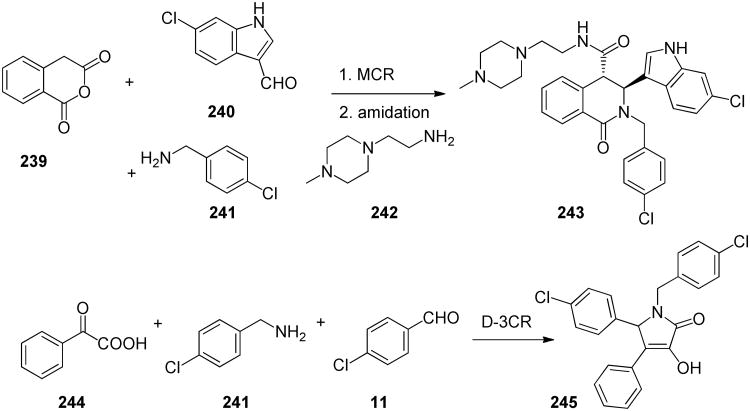
MCR compounds 243 and 245 antagonizing p53-mdm2.
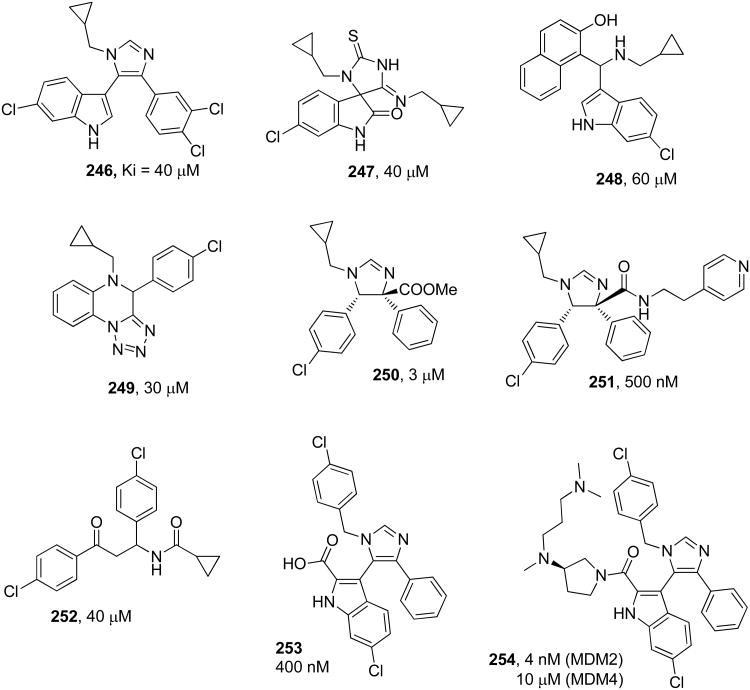
P53-mdm2 antagonists (246-254) accessible by MCR and predicted by a new approach, ANCHOR-QUERY.
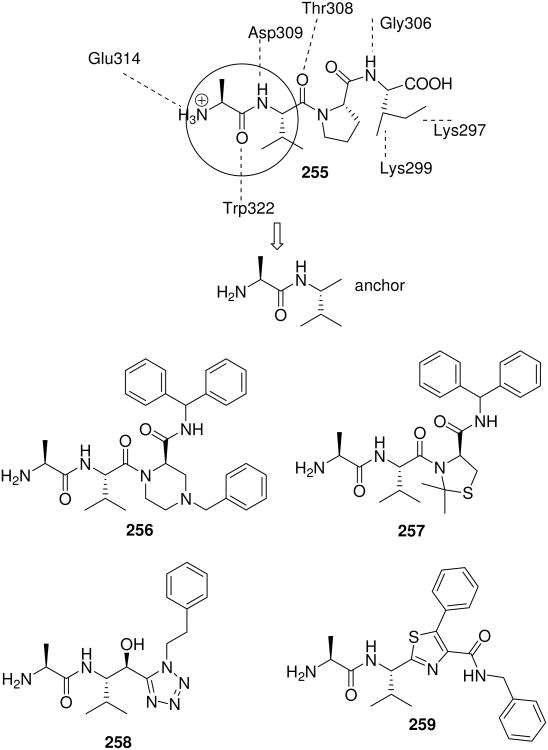
Above: the pharmacophore of XIAP antagonists. The N-terminus is very important in forming a tight charge charge interaction with Glu314. In addition to the tight network of hydrogen bonds addressing the hydrophobic pockets, the central heterocycle with cis-geometry is of importance for inhibitor design. Below: several MCR scaffolds with μM XIAP activity and accessible by a rather short synthesis sequence.
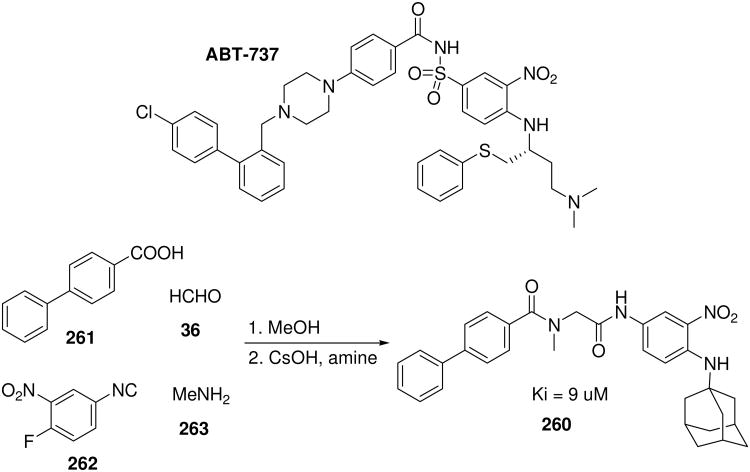
Antagonists of antiapoptotic Bcl2.
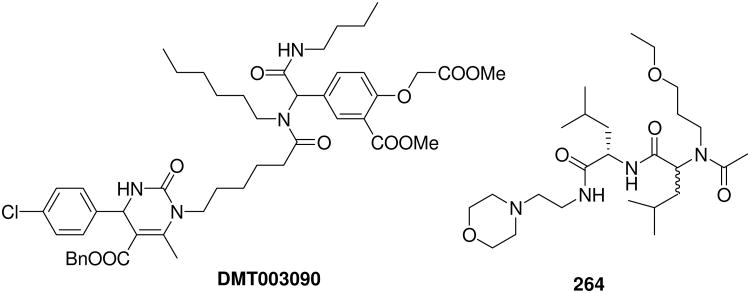
HSP-70 inhibitors by MCR.
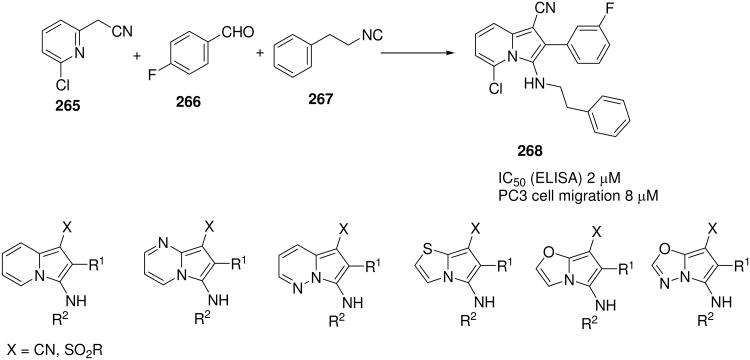
A new MCR lead to a new class of VEGF receptor antagonists.
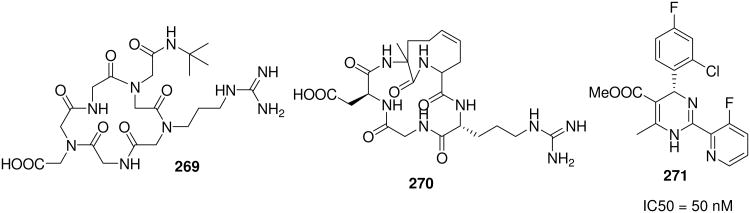
Peptide-like RGD mimetics 269 and 270 and a viral capsid assembly inhibitor 271 by MCRs.
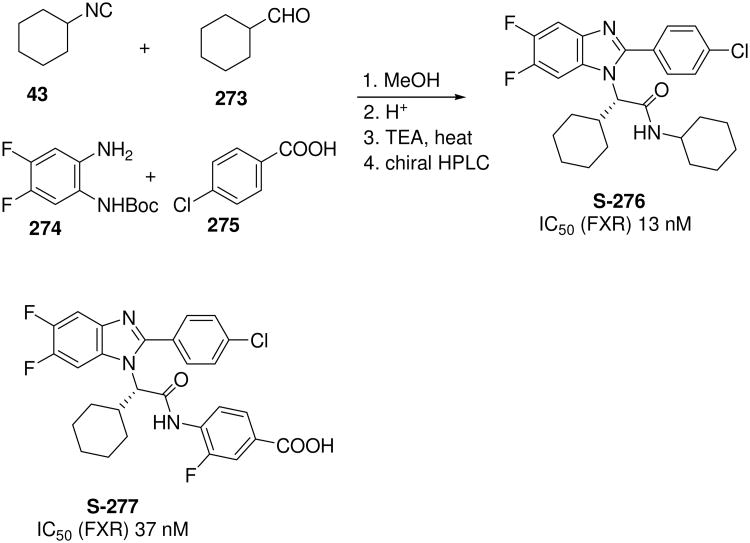
FXR nuclear hormone receptor modulators by UDC.
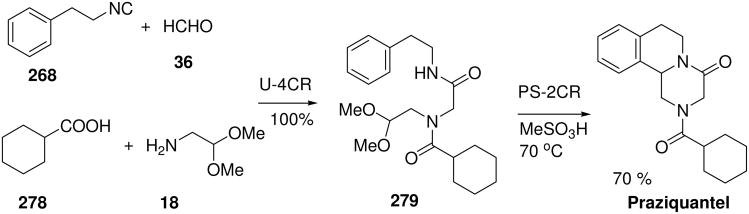
The Schistosomiasis drug PZQ can be convergently assembled using a key U-4CR and PS-2CR.
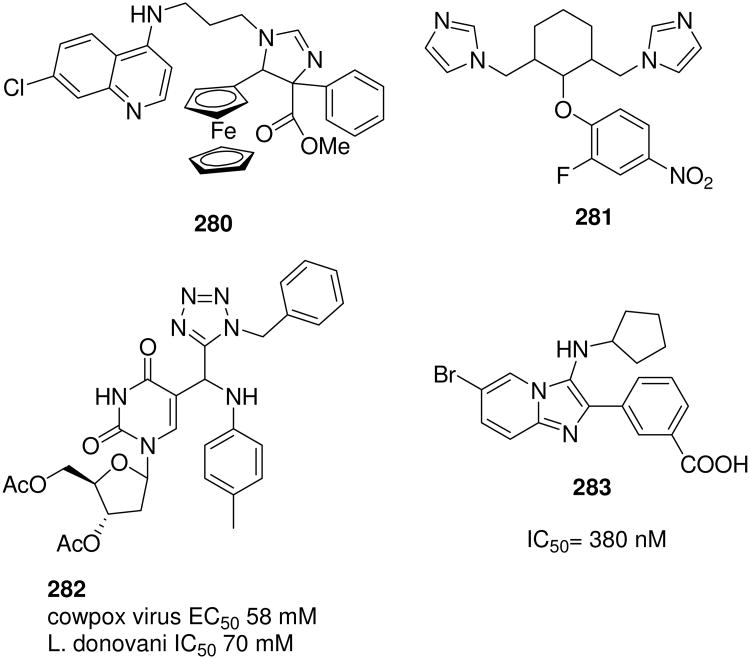
MCR compounds for different NTDs.
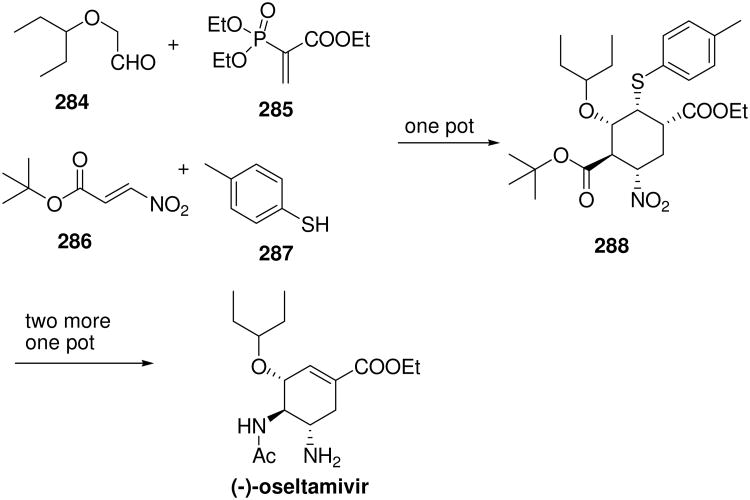
Enantioselective and short oseltamivir synthesis.
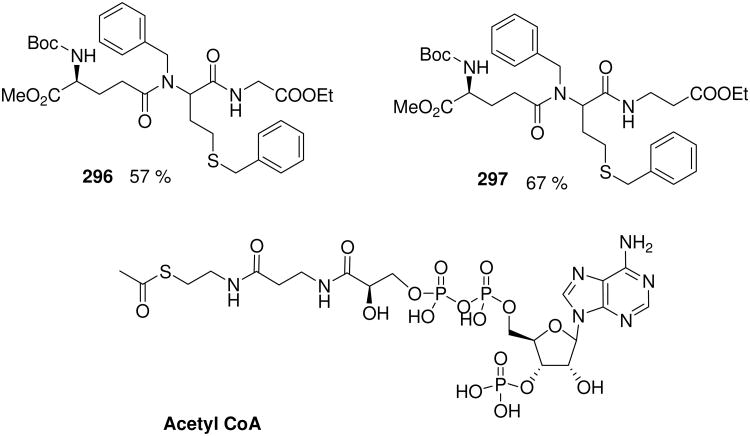
(Homo) glutathione derivatives by U-4CR and the structure of Acetyl CoA.
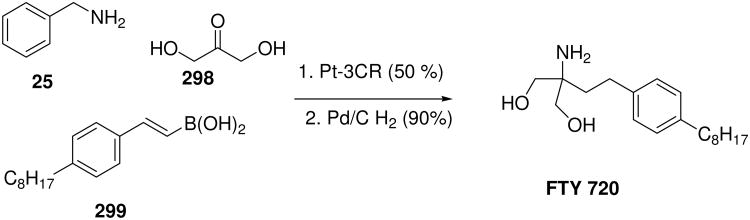
Immunosuppressive and anti-MS drug FTY720 synthesized by Petasis-3CR.
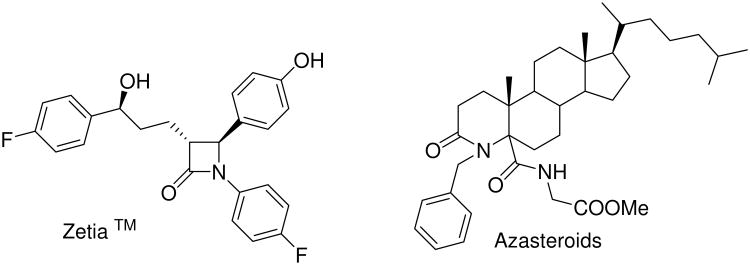
Staudinger-3CR product Zetia ™ and a bioactive aza-steroid.
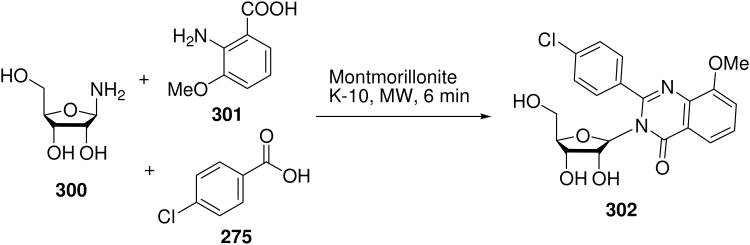
Antiviral quinazolinone N-nucleoside (302).
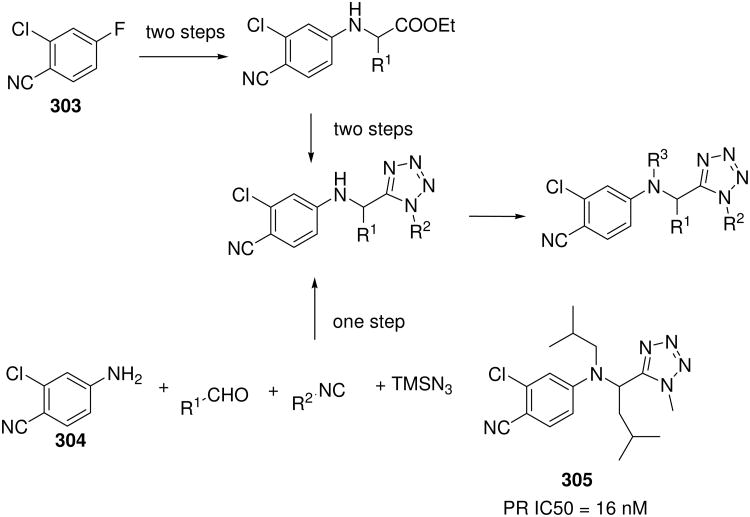
Classical synthesis of a progesterone receptor agonist and a corresponding MCR synthesis.
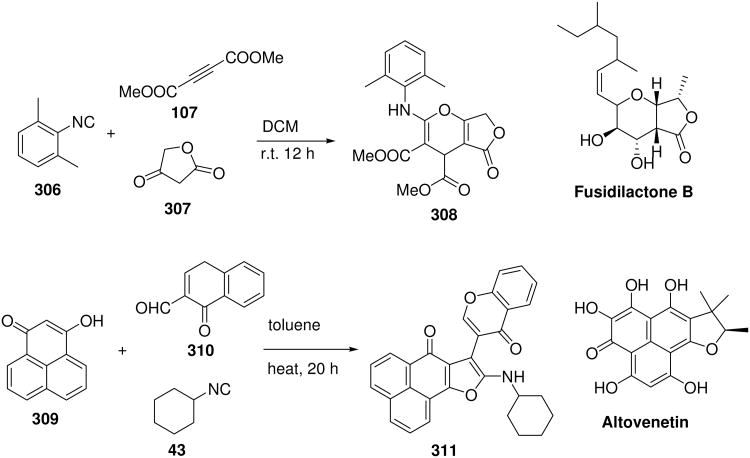
MCRs leading into natural product-like furopyrans.
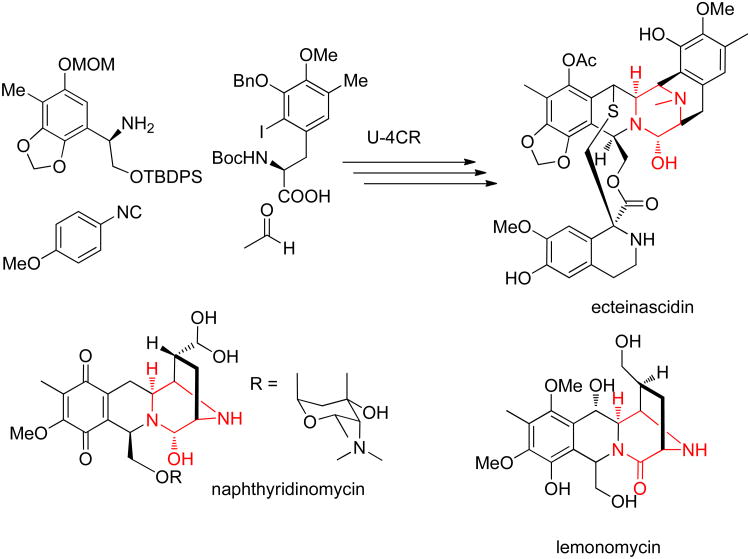
Napthyridinomycin, lemonomycin and ecteinascidin's piperazine moiety all has been assembled using one-pot U-4CR.
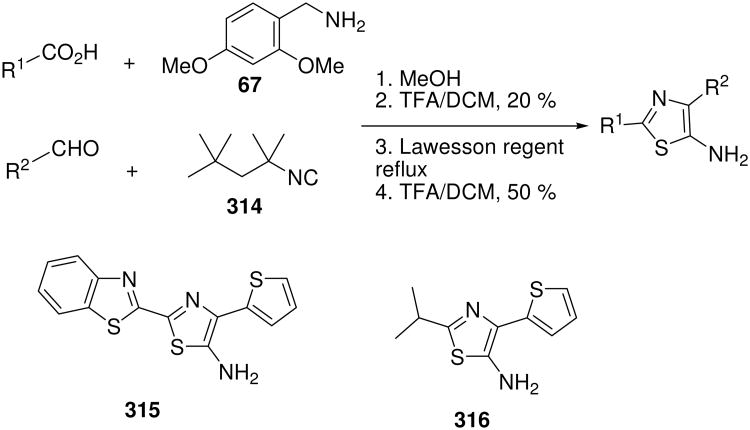
Versatile assembly of 5-aminothiazoles (315 and 316) based on the U-4CR leading to antiprion-active compounds.
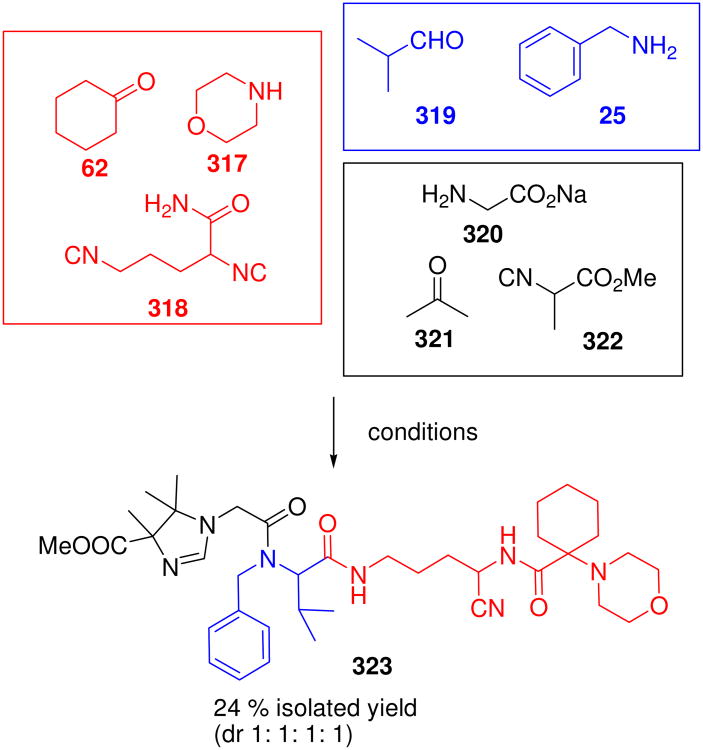
Who can solve the jigsaw? One pot 8-CR to compound 323 based on three sequential MCRs with an 85% yield per bond formation.
References
-
- Ugi I, Dömling A, Horl W. Endeavour. 1994;18:115.
-
- Tietze LF. Chem Rev. 1996;96:115. - PubMed
-
- Ugi I, Meyr R, Fetzer U, Steinbrückner C. Angew Chem. 1959;71:386.
-
- Passerini M. Gazz Chim Ital. 1921;51:126.
-
- van Leusen D, van Leusen AM. Org React (NY) 2003;57:419.
Publication types
MeSH terms
Substances
Grants and funding
LinkOut - more resources
Full Text Sources
Other Literature Sources
