Self- and informant-reported perspectives on symptoms of narcissistic personality disorder
- PMID: 22452774
- PMCID: PMC3396740
- DOI: 10.1037/a0026576
Self- and informant-reported perspectives on symptoms of narcissistic personality disorder
Abstract
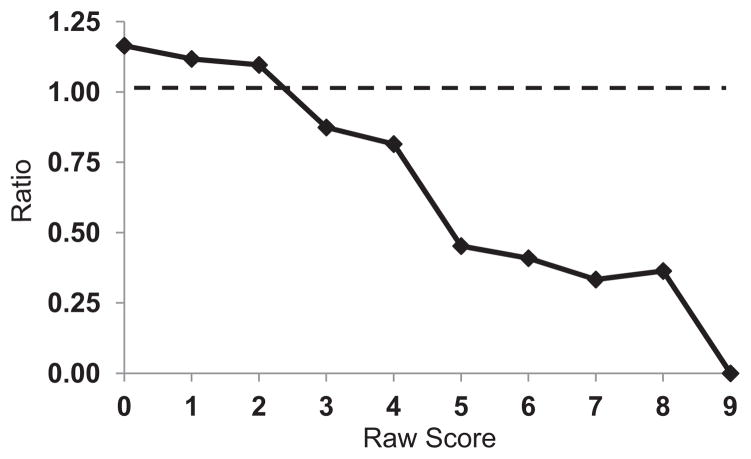
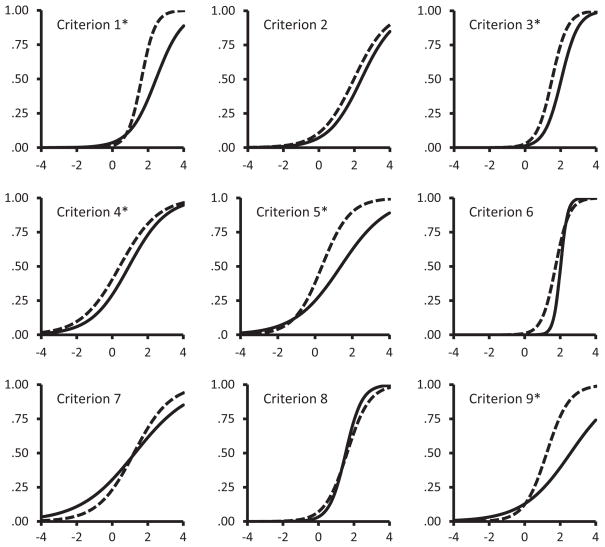
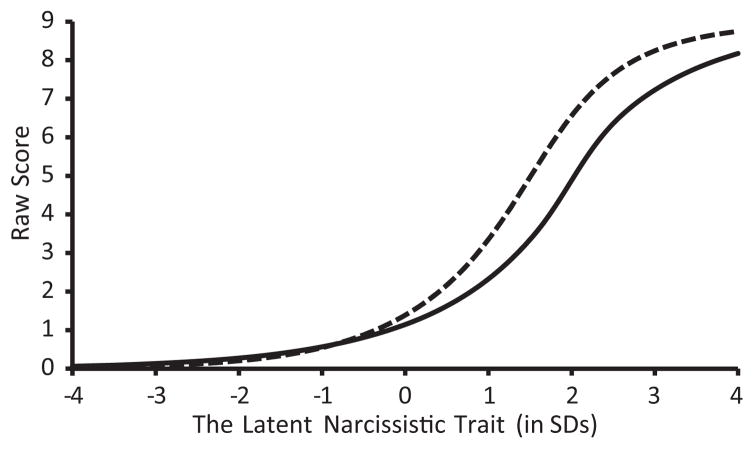
Because narcissistic individuals tend to have an inflated view of themselves and their abilities, the reliance on self-reported information in the assessment and diagnosis of narcissistic personality disorder (NPD) is problematic. Hence, the use of informants in the assessment of NPD may be necessary. In the current study we examined self- and informant-reported features of NPD using agreement, frequency, and discrepancy analyses. The results indicated that informants tended to report more NPD features than selves, and that there were either low or nonsignificant levels of self-informant agreement among the 9 NPD diagnostic criteria and its categorical diagnosis. Informants were increasingly more likely to report higher raw scores relative to selves, indicating that the discrepancy between self- and informant reports increases with the NPD scale. Informants also reported NPD features that selves often did not, suggesting that current prevalence estimates of NPD, which use only self-reported information, are most likely underestimates. These results highlight the importance of gathering informant-reported data in addition to self-reported data when assessing NPD. (PsycINFO Database Record (c) 2013 APA, all rights reserved).
Figures
References
-
- American Psychiatric Association. Diagnostic and Statistical Manual of Mental Disorders. 4. Washington, DC: Author; 2000. text revision.
Publication types
MeSH terms
Grants and funding
LinkOut - more resources
Full Text Sources
Medical