Review
. 2012 Apr;7(4):597-615.
doi: 10.2217/nnm.12.22.

Cancer stem cells and drug resistance: the potential of nanomedicine

Affiliations
Review

Cancer stem cells and drug resistance: the potential of nanomedicine

Serguei Vinogradov et al. Nanomedicine (Lond). 2012 Apr.

Abstract

Properties of the small group of cancer cells called tumor-initiating or cancer stem cells (CSCs) involved in drug resistance, metastasis and relapse of cancers can significantly affect tumor therapy. Importantly, tumor drug resistance seems to be closely related to many intrinsic or acquired properties of CSCs, such as quiescence, specific morphology, DNA repair ability and overexpression of antiapoptotic proteins, drug efflux transporters and detoxifying enzymes. The specific microenvironment (niche) and hypoxic stability provide additional protection against anticancer therapy for CSCs. Thus, CSC-focused therapy is destined to form the core of any effective anticancer strategy. Nanomedicine has great potential in the development of CSC-targeting drugs, controlled drug delivery and release, and the design of novel gene-specific drugs and diagnostic modalities. This review is focused on tumor drug resistance-related properties of CSCs and describes current nanomedicine approaches, which could form the basis of novel combination therapies for eliminating metastatic and CSCs.


Figures
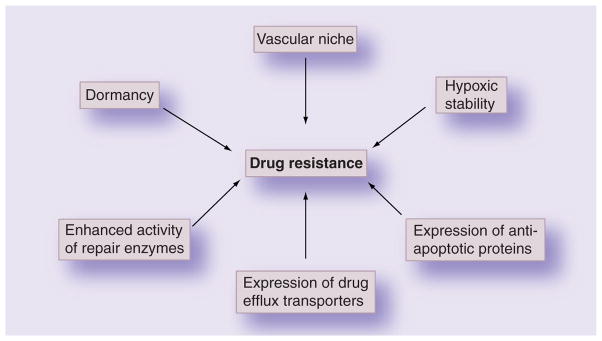
Figure 1
Figure 1
Major factors enhancing cancer stem cell survival following radio/chemotherapy.
Figure 2
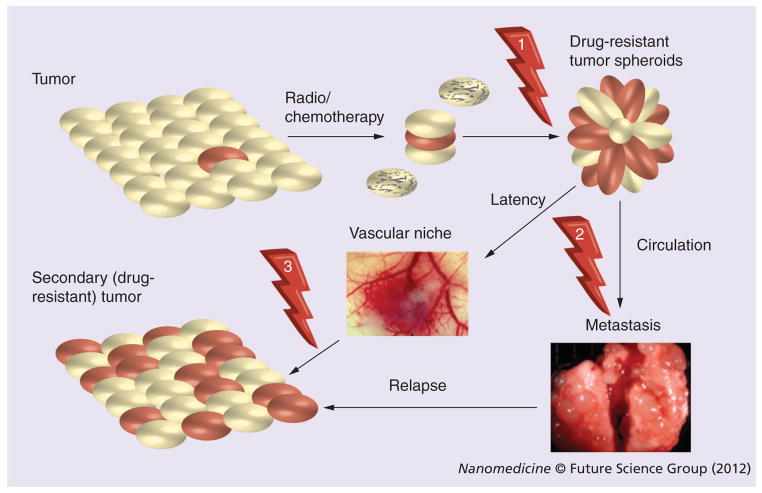
Figure 2. Principal steps in the survival of cancer stem cells after tumor treatment, metastasis and tumor relapse following the therapy
Potential points for targeting of cancer stem cells (CSCs) are shown by arrows and include: post-therapeutic drug delivery or gene therapy affecting residual CSCs/tumorospheres (1); selective removal of CSCs/tumorospheres from circulation by cancer vaccines or vectorized drug conjugates (2); combination cytotoxic and antiangiogenic therapy of vascular niche protecting the surviving CSCs (3). CSCs are shown in red.
Figure 3
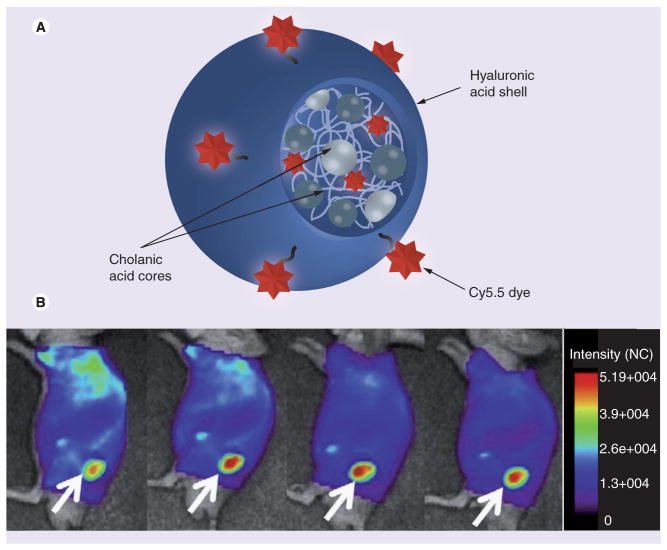
Figure 3. Targeting of CD44-rich tumors
(A) Structure of Cy5.5-labeled hyaluronic acid nanoparticles in aqueous solution, and (B) fluorescent bioimaging 1, 8, 24 and 48 h after intravenous injection of hyaluronic acid nanoparticles in SCC7 tumor-bearing athymic nude mice. Arrows indicate tumor locations. Reproduced with permission from [38].
Figure 4
Figure 4
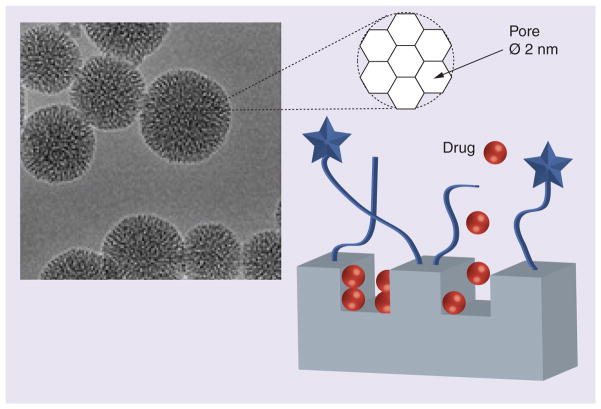
Mesoporous silica nanoparticles with a size of 50 nm covered with a folic acid–polyethylene glycol-modified polycationic layer were used as vehicles for the targeted delivery of γ-secretase inhibitors to block Notch signaling in cancer stem cells.
Figure 5
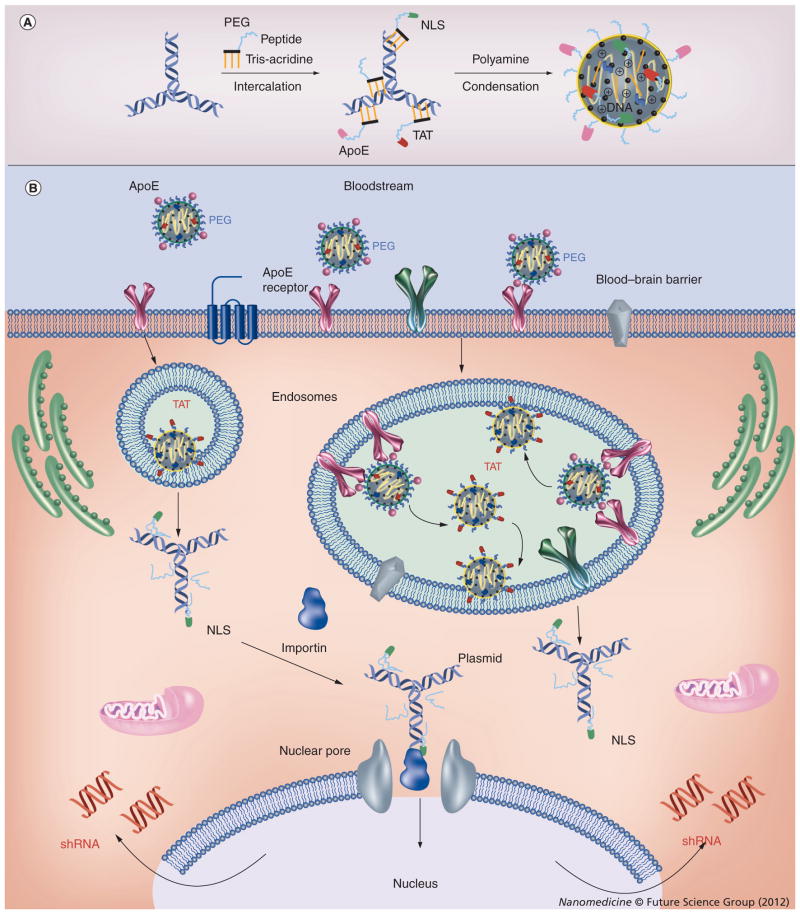
Figure 5. Delivery of anti-MRP4 shRNA-expressing plasmid in murine brain vascular endothelial cells using a nanoformulation of polyamine-packed DNA modified with multifunctional peptide-intercalator conjugates
(A) DNA formulation with intercalating conjugates of functional peptides and polyamine. (B) Initially, the nanoformulation binds and enters cells via ApoE receptor-mediated endocytosis. The TAT peptide and biodegradation of polyamine then assist in the transfer of plasmid DNA across the cellular membrane. The next step of cytoplasmic translocation of DNA is performed by the nuclear localization signal peptide, and the plasmids enter nuclei through nuclear pores. Finally, active plasmids express anti-MRP4 shRNA that exits the nuclei and, in the complex with the RNA-induced silencing complex, suppress the activity of the MRP4 drug efflux transporter. PEG: Polyethylene glycol
Figure 6
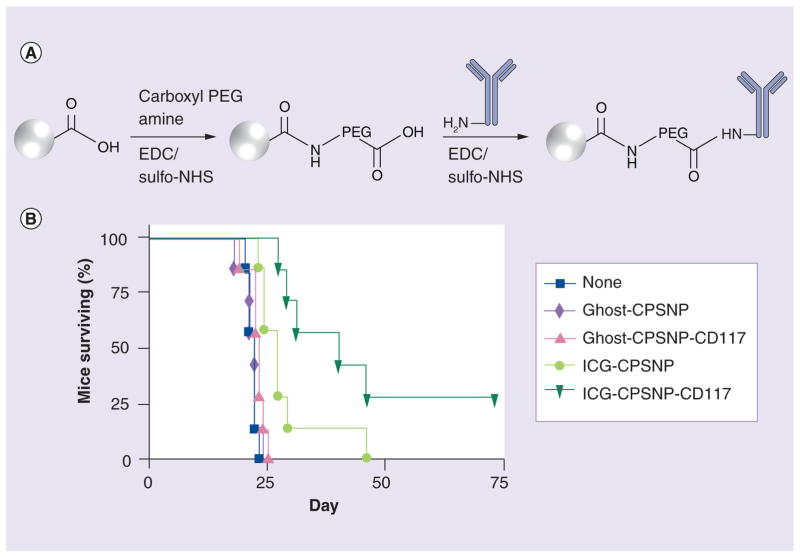
Figure 6. Targeted photodynamic nanotherapy
(A) Synthesis of calcium phosphosilicate nanoparticles modified with CD117 mAb (CPSNP-CD117). (B) Survival of mice with myeloid leukemia established with 32D-p210-GFP cells, was monitored after the treatment with phosphate-buffered saline, empty (ghost)-CPSNPs, CD117-targeted ghost-CPSNPs, ICG-CPSNPs, or CD117-targeted ICG-CPSNPs followed by near infrared laser treatment of the spleen. A log rank test indicated significance (p < 0.05) between the curves (group of seven). CPSNP: Calcium phosphosilicate nanoparticle; EDC: Ethyl(dimethylaminopropyl) carbodiimide; ICG: Indocyanine green; NHS: N-hydroxysuccinimide; PEG: Polyethylene glycol. Reproduced with permission from [62].
Figure 7
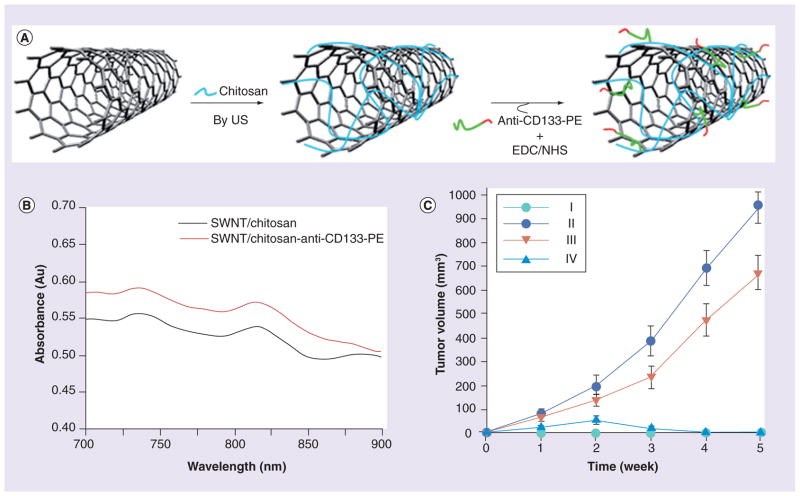
Figure 7. Targeted tumor ablation therapy
(A) Preparation of single-walled carbon nanotubes conjugated with CD133 mAb antibody (CDSWNTs). (B) UV spectrum of CDSWNTs showing a near infrared maximum at 815 nm. (C) Tumor growth rate and volumes of tumor-bearing nude mice for four different groups: (I) glioblastoma multiforme (GBM)-CD133 cells; (II) GBM-CD133+ cells; (III) GBM-CD133+ cells pretreated with CDSWNTs only; and (IV) GBM-CD133+ cells pretreated with CDSWNTs combined with near infrared laser irradiation. Data shown were the mean ± standard deviation of three experiments (p < 0.001). EDC: Ethyl(dimethylaminopropyl) carbodiimide; NHS: N-Hydroxysuccinimide; SWNT: Single-walled carbon nanotube. Reproduced with permission from [63].
Figure 8
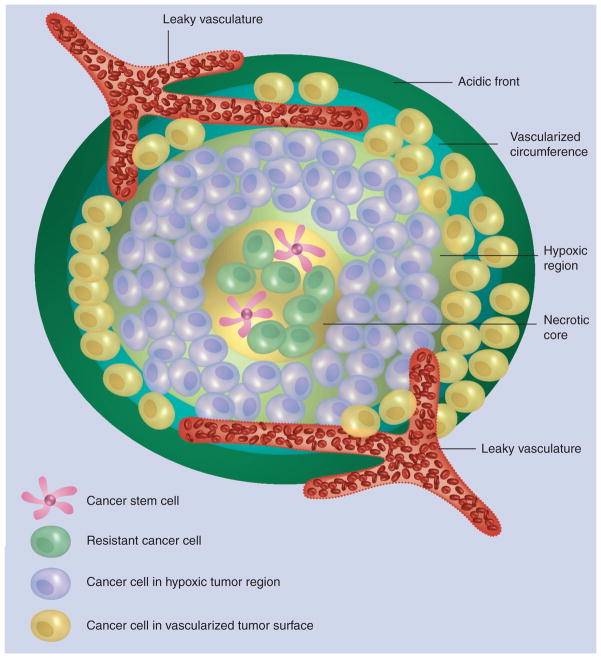
Figure 8. The schematic drawing shows solid tumor organization with the characteristic acidic front, vascularized circumference, hypoxic region and necrotic core
Resistant cancer cells and cancer stem cells are typically sequestered in the tumor’s hypoxic and necrotic regions. Reproduced with permission from [65].

References

    1. Adams JM, Strasser A. Is tumor growth sustained by rare cancer stem cells or dominant clones? Cancer Res. 2008;68:4018–4021. - PubMed
    1. Dick JE. Looking ahead in cancer stem cell research. Nat Biotechnol. 2009;27(1):44–46. The review discusses cancer stem cell (CSC) targeting. - PubMed
    1. Ewald B, Sampath D, Plunkett W. Nucleoside analogs: molecular mechanisms signaling cell death. Oncogene. 2008;27(50):6522–6537. - PubMed
    1. Wilson TR, Johnston PG, Longley DB. Anti-apoptotic mechanisms of drug resistance in cancer. Curr Cancer Drug Targets. 2009;9(3):307–319. - PubMed
    1. Rochat B. Importance of influx and efflux systems and xenobiotic metabolizing enzymes in intratumoral disposition of anticancer agents. Curr Cancer Drug Targets. 2009;9(5):652–674. - PubMed

Publication types

MeSH terms

Substances