


Astrocytes conspire with neurons during progression of neurological disease
- PMID: 22475461
- PMCID: PMC3408561
- DOI: 10.1016/j.conb.2012.03.009
Astrocytes conspire with neurons during progression of neurological disease
Abstract
As astrocytes are becoming recognized as important mediators of normal brain function, studies into their roles in neurological disease have gained significance. Across mouse models for neurodevelopmental and neurodegenerative diseases, astrocytes are considered key regulators of disease progression. In Rett syndrome and Parkinson's disease, astrocytes can even initiate certain disease phenotypes. Numerous potential mechanisms have been offered to explain these results, but research into the functions of astrocytes in disease is just beginning. Crucially, in vivo verification of in vitro data is still necessary, as well as a deeper understanding of the complex and relatively unexplored interactions between astrocytes, oligodendrocytes, microglia, and neurons.
Copyright © 2012 Elsevier Ltd. All rights reserved.
Figures
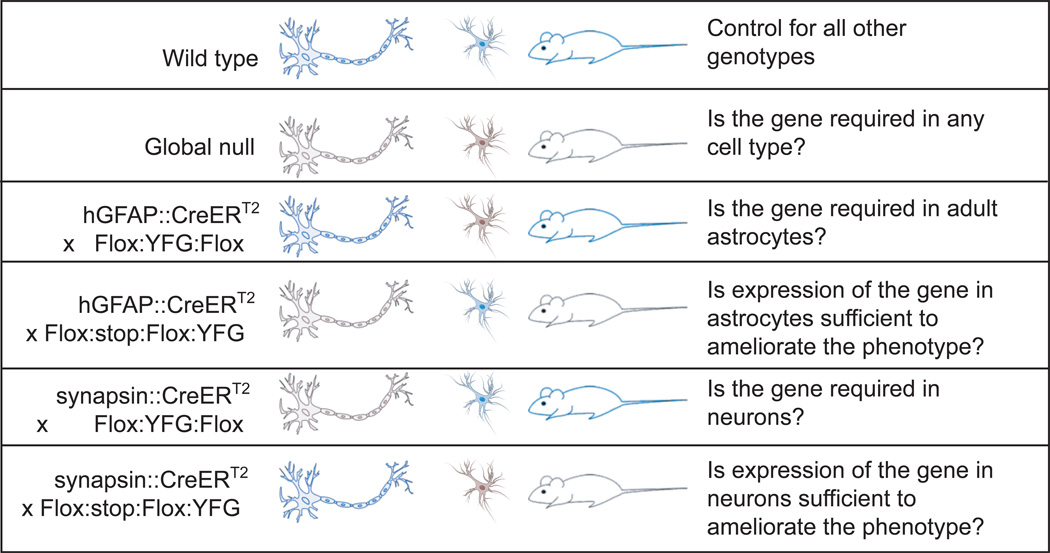
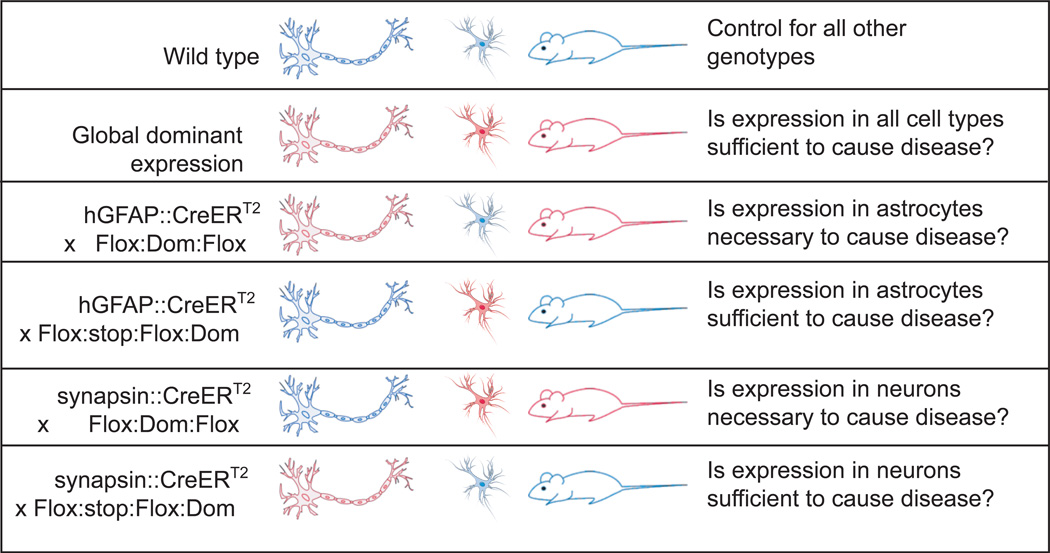
References
-
-
Panatier A, Vallee J, Haber M, Murai KK, Lacaille JC, Robitaille R. Astrocytes are endogenous regulators of basal transmission at central synapses. Cell. 146:785–798. ** Wild type astrocytes sense excitatory synaptic activity by sensing pre-synaptic release of glutamate via mGluR5 receptors. In turn, astrocytes promote pre-synaptic release of glutamate by releasing ATP to bind to pre-synaptic adenosine A2A receptors. These studies might implicate gliotransmission in the mGluR5-related synaptic defects in FXS.
-
-
- Parri HR, Gould TM, Crunelli V. Spontaneous astrocytic Ca2+ oscillations in situ drive NMDAR-mediated neuronal excitation. Nat Neurosci. 2001;4:803–812. - PubMed
Publication types
MeSH terms
Grants and funding
LinkOut - more resources
Full Text Sources
Other Literature Sources
Medical
Research Materials
