


Antihypertensive effects of dietary protein and its mechanism
- PMID: 22477579
- PMCID: PMC2949991
- DOI: 10.1055/s-0031-1278362
Antihypertensive effects of dietary protein and its mechanism
Abstract
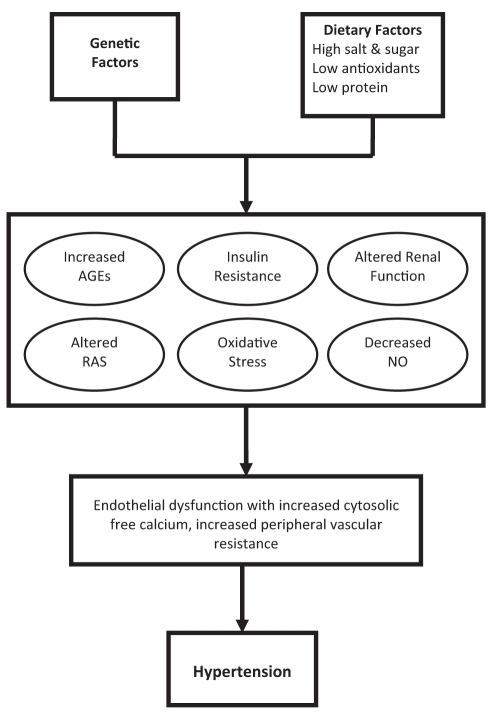
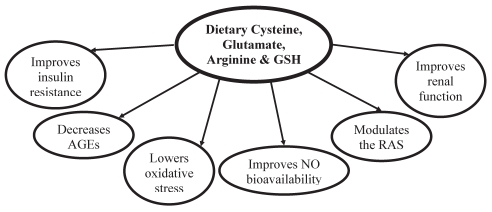
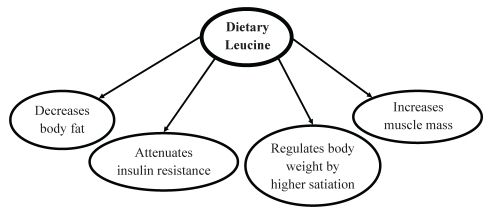
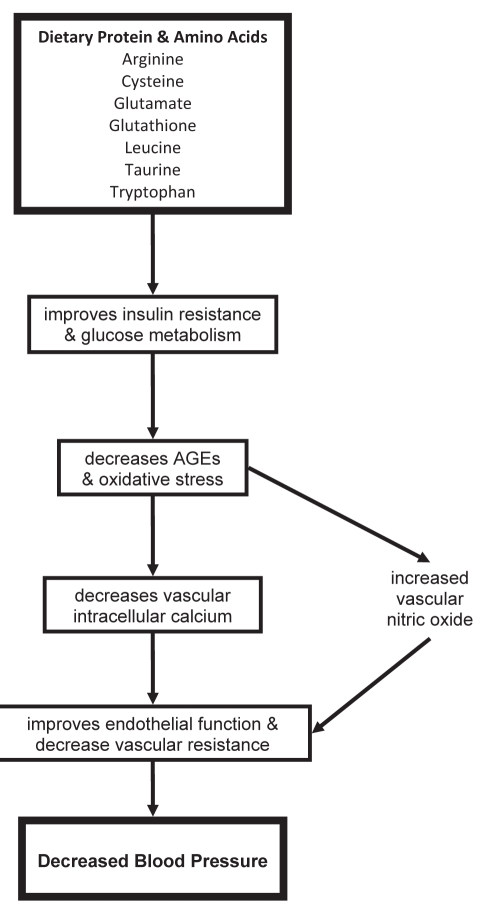
Hypertension is a leading cause of morbidity and mortality worldwide. Individuals with hypertension are at increased risk of stroke, heart disease and kidney failure. Both genetic and lifestyle factors, particularly diet, have been attributed an important role in the development of hypertension. Reducing dietary sugar and salt intake can help lower blood pressure; similarly, adequate protein intake may also attenuate hypertension. Observational, cross-sectional and longitudinal epidemiological studies, and controlled clinical trials, have documented significant inverse associations between protein intake and blood pressure. Human and animal studies have shown that specific amino acids within proteins may have antihypertensive effects. Cysteine, glutathione (a tripeptide), glutamate and arginine attenuate and prevent alterations that cause hypertension including insulin resistance, decreased nitric oxide bioavailability, altered renin angiotensin system function, increased oxidative stress and formation of advanced glycation end products. Leucine increases protein synthesis in skeletal muscle and improves insulin resistance by modulating hepatic gluconeogenesis. Taurine and tryptophan attenuate sympathetic nervous system activity. Soy protein helps lower blood pressure through its high arginine content and antioxidant activity exhibited by isoflavones. A diet containing an ample amount of protein may be a beneficial lifestyle choice for individuals with hypertension; one example is the Dietary Approaches to Stop Hypertension (DASH) diet, which is low in salt and saturated fat; includes whole grains, lean meat, poultry, fish and nuts; and is rich in vegetables, fruits and low-fat dairy products, which are good sources of antioxidant vitamins, minerals and fibre. Including an adequate supply of soy in the diet should also be encouraged.
Figures
References
-
- Kearney PM, Whelton M, Reynolds K, Muntner P, Whelton PK, He J. Global burden of hypertension: Analysis of worldwide data. Lancet. 2005;365:217–23. - PubMed
-
- World Health Organization . World Health Organization The World Health Report [chapter 4] Geneva: World Health Organization; 2002. Quantifying selected major risks to health; pp. 1–13.
-
- He J, Whelton PK. Epidemiology and prevention of hypertension. Med Clinics North Am. 1997;81:1077–97. - PubMed
-
- Klag MJ, Whelton PK, Randall BL, et al. Blood pressure and end-stage renal disease in men. N Engl J Med. 1996;334:13–8. - PubMed
-
- Deshmukh R, Smith A, Lilly LS. Hypertension. In: Lilly LS, editor. Pathophysiology of Heart Disease. 2nd edn. Philadelphia: Lippincott Williams & Wilkins; 1998. pp. 267–88.
LinkOut - more resources
Full Text Sources
