


Streptococcus pneumoniae serotype-2 childhood meningitis in Bangladesh: a newly recognized pneumococcal infection threat
- PMID: 22479314
- PMCID: PMC3316528
- DOI: 10.1371/journal.pone.0032134
Streptococcus pneumoniae serotype-2 childhood meningitis in Bangladesh: a newly recognized pneumococcal infection threat
Abstract
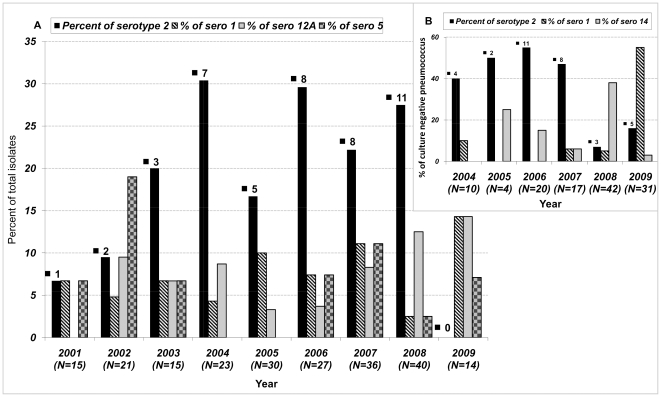
Background: Streptococcus pneumoniae is a leading cause of meningitis in countries where pneumococcal conjugate vaccines (PCV) targeting commonly occurring serotypes are not routinely used. However, effectiveness of PCV would be jeopardized by emergence of invasive pneumococcal diseases (IPD) caused by serotypes which are not included in PCV. Systematic hospital based surveillance in Bangladesh was established and progressively improved to determine the pathogens causing childhood sepsis and meningitis. This also provided the foundation for determining the spectrum of serotypes causing IPD. This article reports an unprecedented upsurge of serotype 2, an uncommon pneumococcal serotype, without any known intervention.
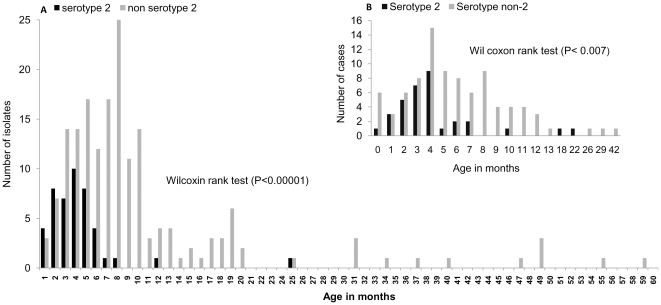
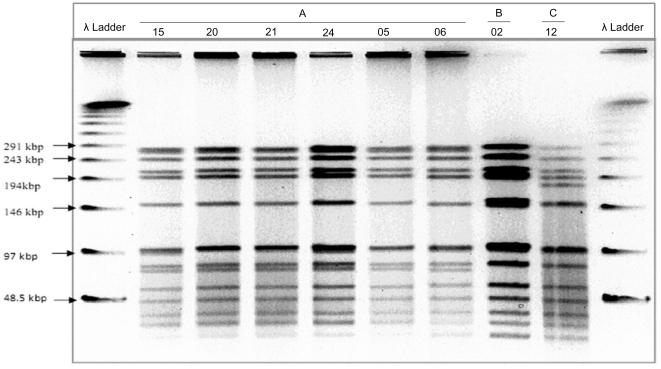
Methods and findings: Cases with suspected IPD had blood or cerebrospinal fluid (CSF) collected from the beginning of 2001 till 2009. Pneumococcal serotypes were determined by capsular swelling of isolates or PCR of culture-negative CSF specimens. Multicenter national surveillance, expanded from 2004, identified 45,437 patients with suspected bacteremia who were blood cultured and 10,618 suspected meningitis cases who had a lumber puncture. Pneumococcus accounted for 230 culture positive cases of meningitis in children <5 years. Serotype-2 was the leading cause of pneumococcal meningitis, accounting for 20.4% (45/221; 95% CI 15%-26%) of cases. Ninety eight percent (45/46) of these serotype-2 strains were isolated from meningitis cases, yielding the highest serotype-specific odds ratio for meningitis (29.6; 95% CI 3.4-256.3). The serotype-2 strains had three closely related pulsed field gel electrophoresis types.
Conclusions: S. pneumoniae serotype-2 was found to possess an unusually high potential for causing meningitis and was the leading serotype-specific cause of childhood meningitis in Bangladesh over the past decade. Persisting disease occurrence or progressive spread would represent a major potential infection threat since serotype-2 is not included in PCVs currently licensed or under development.
Conflict of interest statement
Figures
References
-
- O'Brien KL, Wolfson LJ, Watt JP, Henkle E, Deloria-Knoll M, et al. Burden of disease caused by Streptococcus pneumoniae in children younger than 5 years: global estimates. Lancet. 2009;374:893–902. - PubMed
-
- World Health Organization. Estimated Hib and pneumococcal deaths for children under 5 years of age. World Health Organisation 2011
-
- Cherian T. WHO expert consultation on serotype composition of pneumococcal conjugate vaccines for use in resource-poor developing countries, 26–27 October 2006, Geneva. Vaccine. 2007;25:6557–6564. - PubMed
-
- Saha SK, Naheed A, El Arifeen S, Islam M, Al-Emran H, et al. Surveillance for invasive Streptococcus pneumoniae disease among hospitalized children in Bangladesh: antimicrobial susceptibility and serotype distribution. Clin Infect Dis. 2009;48(Suppl 2):S75–81. - PubMed
-
- Naheed A, Saha SK, Breiman RF, Khatun F, Brooks WA, et al. Multihospital surveillance of pneumonia burden among children aged <5 years hospitalized for pneumonia in Bangladesh. Clin Infect Dis. 2009;48(Suppl 2):S82–89. - PubMed
Publication types
MeSH terms
Substances
LinkOut - more resources
Full Text Sources
Other Literature Sources
Miscellaneous
