


Structure of human adenovirus
- PMID: 22482707
- PMCID: PMC3322384
- DOI: 10.1016/j.coviro.2011.12.008
Structure of human adenovirus
Abstract
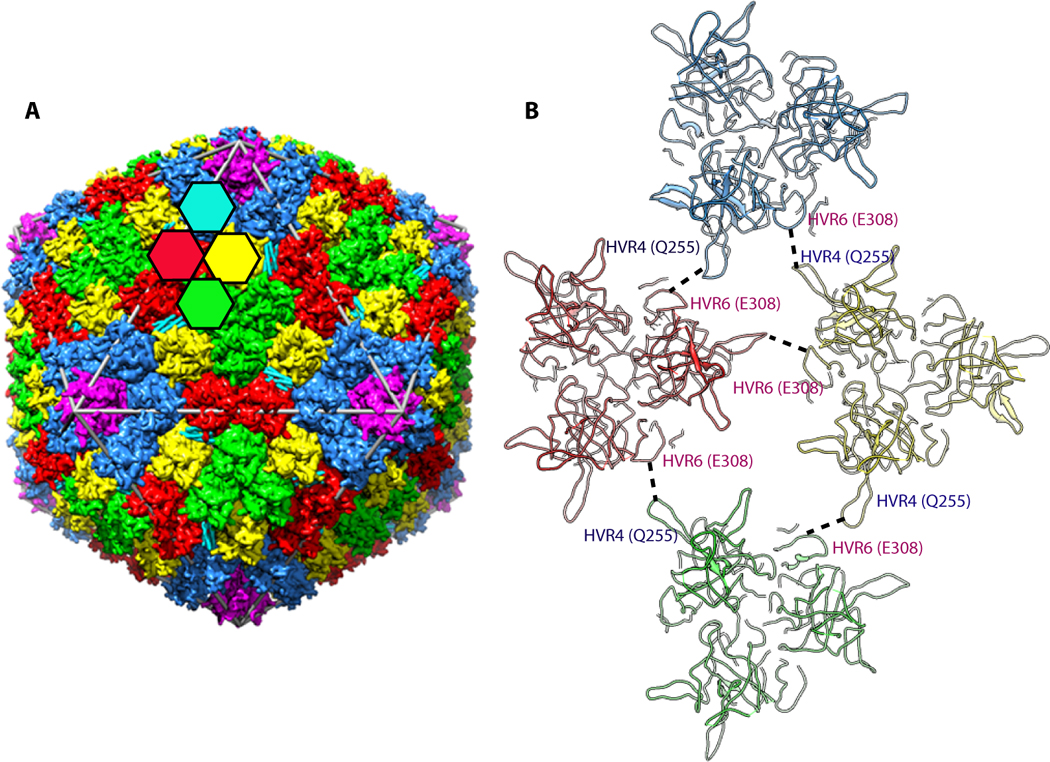
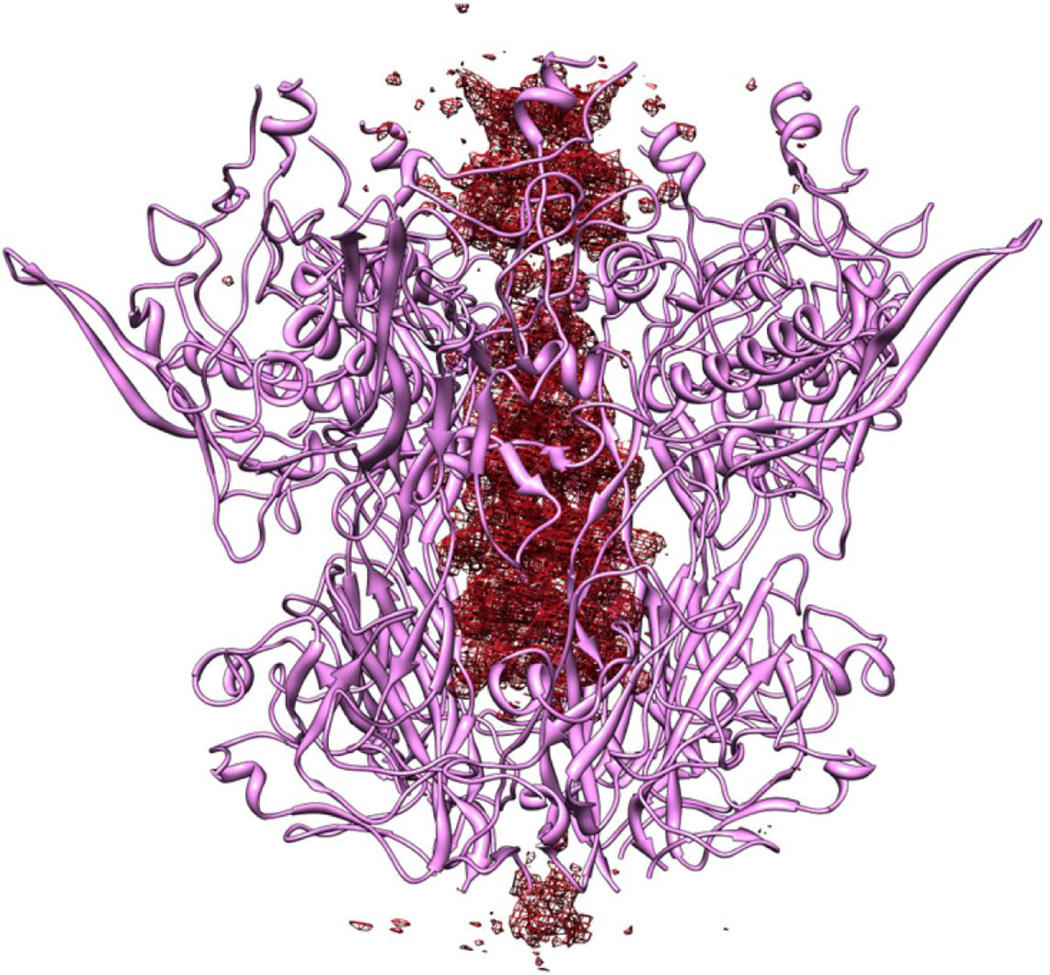
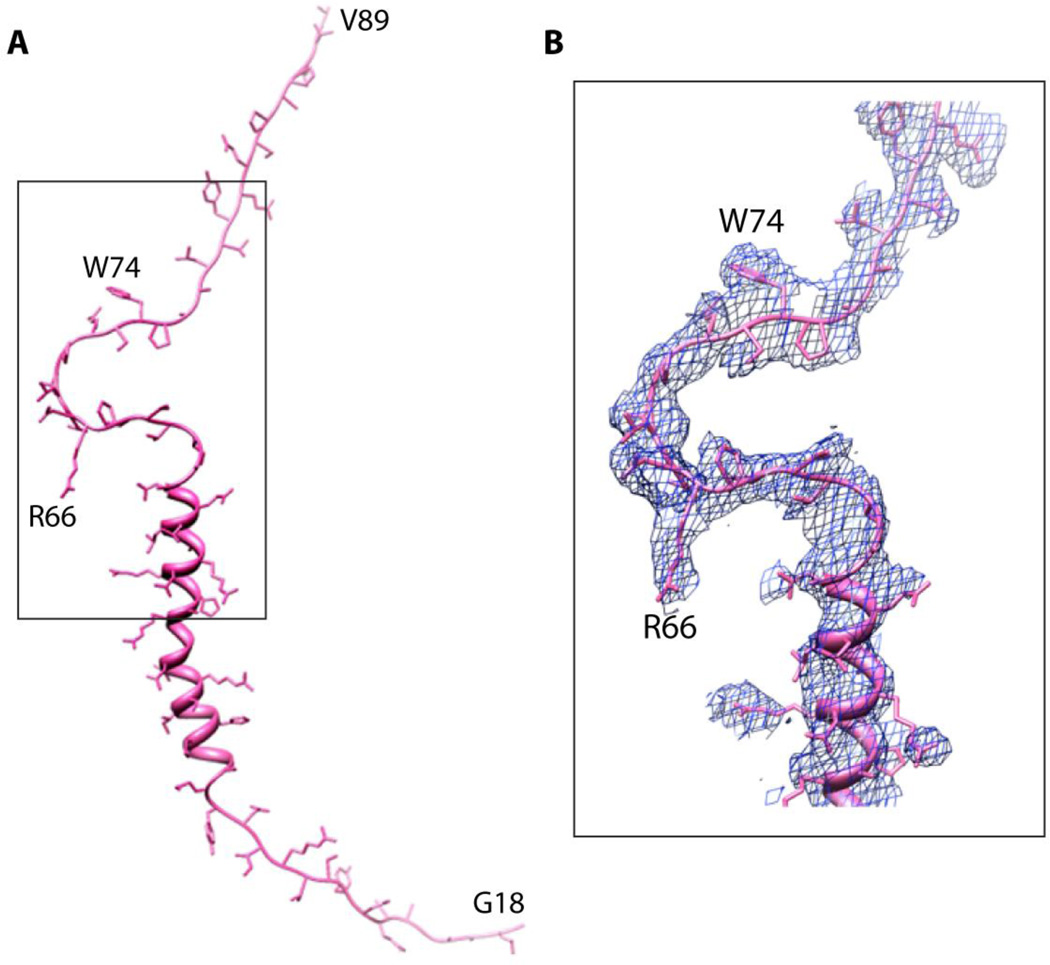
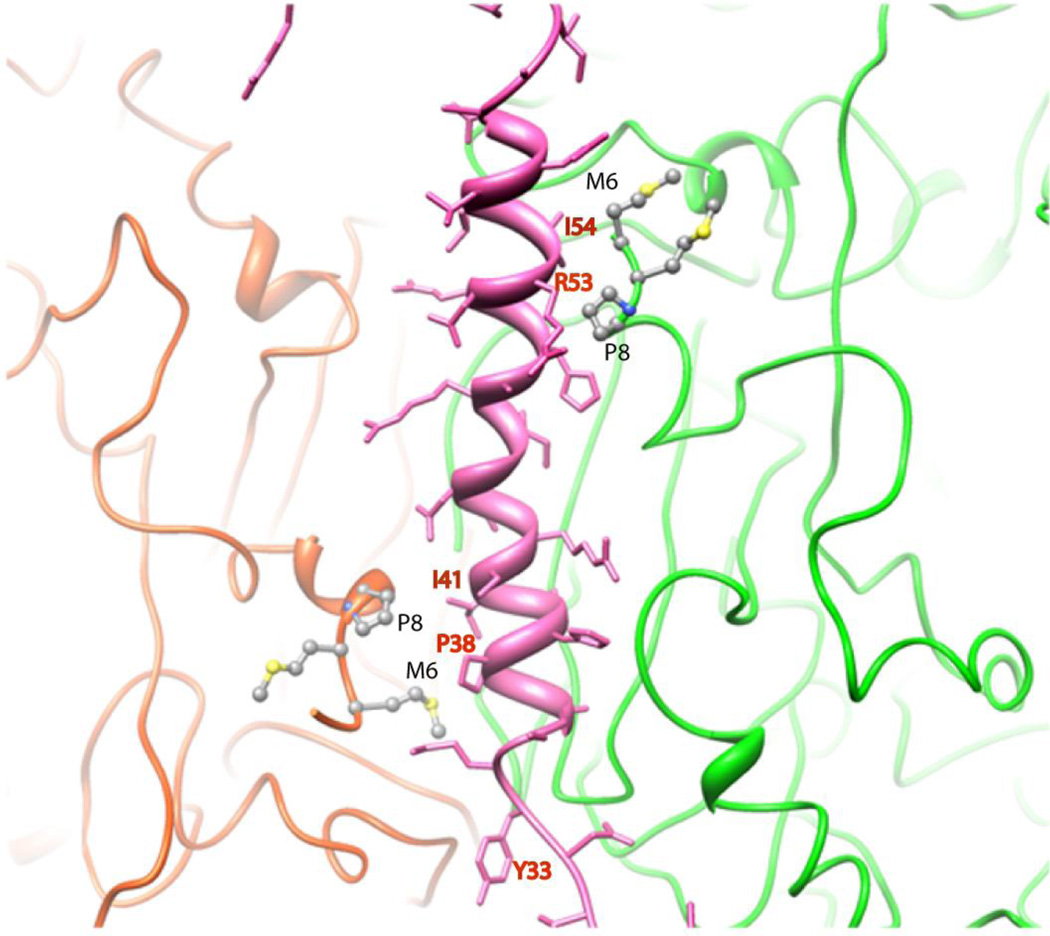
A detailed structural analysis of the entire human adenovirus capsid has been stymied by the complexity and size of this 150 MDa macromolecular complex. Over the past 10 years, the steady improvements in viral genome manipulation concomitant with advances in crystallographic techniques and data processing software has allowed structure determination of this virus by X-ray diffraction at 3.5 Å resolution. The virus structure revealed the location, folds, and interactions of major and minor (cement proteins) on the inner and outer capsid surface. This new structural information sheds further light on the process of adenovirus capsid assembly and virus-host cell interactions.
Copyright © 2011 Elsevier B.V. All rights reserved.
Figures
References
-
- Davison AJ, Benko M, Harrach B. Genetic content and evolution of adenovirus. Journal of General Virology. 2003;84:2895–2908. - PubMed
-
- Horwitz MS. In: Adenoviruses. edn 3rd. Fields DMK BN, Howley PM, Chanock RM, Melnick JL, Monath TP, Roizman B, Straus SE, editors. Philadelphia: Lippincott-Raven; 1996.
-
- Rosengart TK, Lee LY, Patel SR, Kligfield PD, Okin PM, Hackett NR, Isom OW, Crystal RG. Six-month assessment of a phase I trial of angiogenic gene therapy for the treatment of coronary artery disease using direct intramyocardial administration of an adenovirus vector expressing the VEGF121 cDNA. Ann Surg. 1999;230:466–470. discussion 470-462. - PMC - PubMed
-
- Kaplan JM. Adenovirus-based cancer gene therapy. Curr Gene Ther. 2005;5:595–605. - PubMed
Publication types
MeSH terms
Substances
Grants and funding
LinkOut - more resources
Full Text Sources
Other Literature Sources
Miscellaneous
