. 2012 Apr 8;7(6):383-8.
doi: 10.1038/nnano.2012.45.

Normalization of tumour blood vessels improves the delivery of nanomedicines in a size-dependent manner

Affiliations

Normalization of tumour blood vessels improves the delivery of nanomedicines in a size-dependent manner

Vikash P Chauhan et al. Nat Nanotechnol. .

Abstract

The blood vessels of cancerous tumours are leaky and poorly organized. This can increase the interstitial fluid pressure inside tumours and reduce blood supply to them, which impairs drug delivery. Anti-angiogenic therapies--which 'normalize' the abnormal blood vessels in tumours by making them less leaky--have been shown to improve the delivery and effectiveness of chemotherapeutics with low molecular weights, but it remains unclear whether normalizing tumour vessels can improve the delivery of nanomedicines. Here, we show that repairing the abnormal vessels in mammary tumours, by blocking vascular endothelial growth factor receptor-2, improves the delivery of smaller nanoparticles (diameter, 12 nm) while hindering the delivery of larger nanoparticles (diameter, 125 nm). Using a mathematical model, we show that reducing the sizes of pores in the walls of vessels through normalization decreases the interstitial fluid pressure in tumours, thus allowing small nanoparticles to enter them more rapidly. However, increased steric and hydrodynamic hindrances, also associated with smaller pores, make it more difficult for large nanoparticles to enter tumours. Our results further suggest that smaller (∼12 nm) nanomedicines are ideal for cancer therapy due to their superior tumour penetration.


Figures
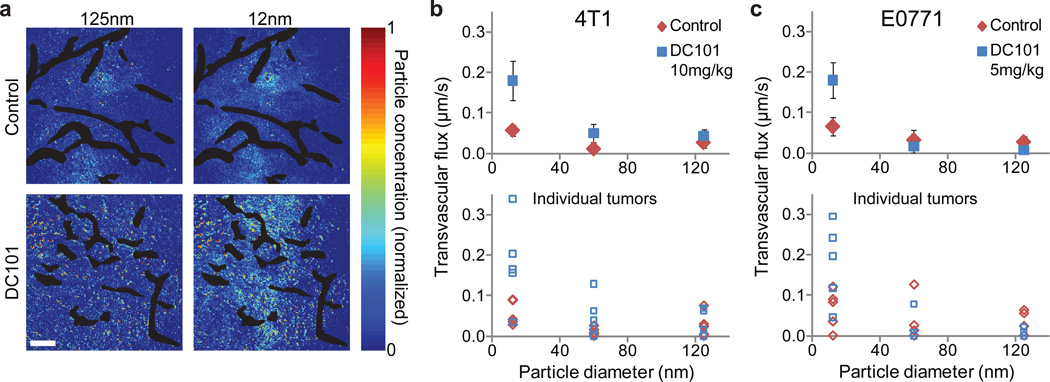
Figure 1
Figure 1. Effects of vascular normalization on nanoparticle delivery in tumours
a, Nanoparticle penetration versus particle size in orthotopic 4T1 mammary tumours in response to normalizing therapy with DC101. Nanoparticle concentrations – denoted by pseudocolour – are relative to initial intravascular levels, with vessels in black. Normalization improves 12nm particle penetration while not affecting 125nm penetration. Scale – 100µm. b, c, Penetration rates (transvascular flux) for nanoparticles in orthotopic 4T1 and E0771 mammary tumours in mice treated with 10mg/kg or 5mg/kg DC101, respectively. Closed symbols (top) denote averages by mouse, while open symbols (bottom) are individual tumours. Normalization improves the transvascular flux of 12nm particles on day 2 by a factor of 3.1 in 4T1 (P = 0.042, Student’s t-test) and 2.7 in E0771 (P = 0.049, Student’s t-test), while not improving delivery for larger nanoparticles. Normalization also reduces the flux of large nanoparticles to zero in several individual tumours. Animal number n = 5 for all groups.
Figure 2
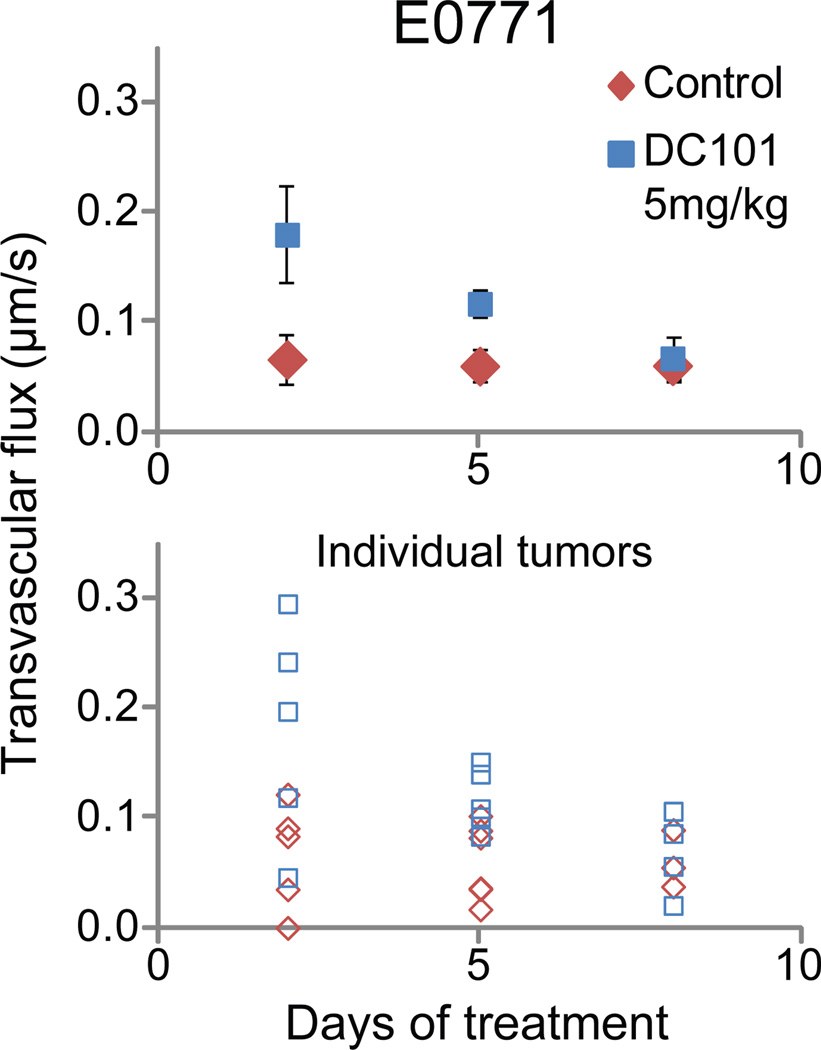
Figure 2. Functional vascular normalization “window” for nanomedicine delivery
Penetration rates (transvascular flux) for 12nm nanoparticles in orthotopic E0771 mammary tumours. Measurements over an 8 day course of treatment with either 5mg/kg DC101 or non-specific rat IgG every 3 days starting on day 0. Closed symbols (top) denote averages by mouse, while open symbols (bottom) are individual tumours. Treatment with DC101 enhances nanoparticle transvascular flux on days 2 (P = 0.049, Student’s t-test) and 5 (P = 0.017, Student’s t-test), with no difference in the treatment groups by day 8. Animal number n = 4–5 for all groups.
Figure 3
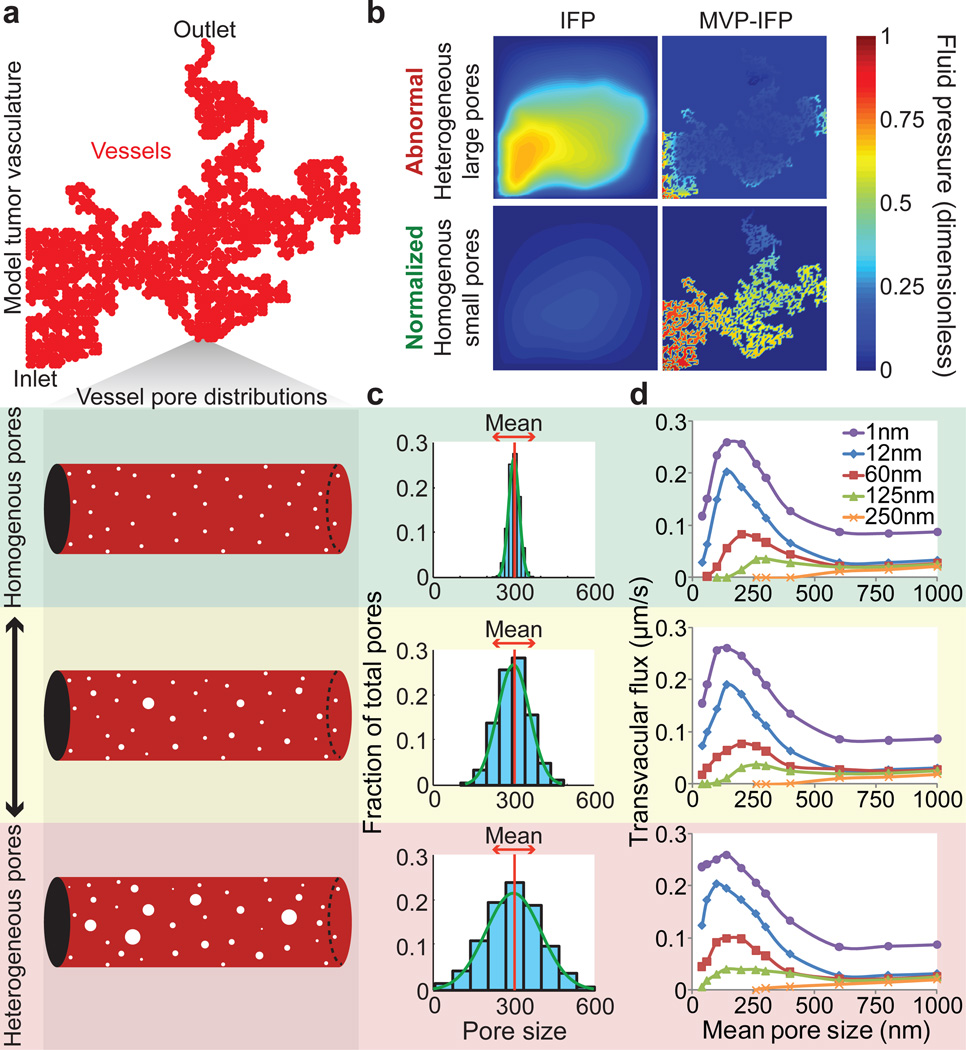
Figure 3. Mathematical model predictions of how changes in vascular pore size distribution affect delivery for different sizes of drugs
a, Model tumour vasculature, formed as a percolation network, with a schematic of vessel pore structure. b, The effect of pore size distribution on fluid pressure. Large heterogeneous pores produce an elevated IFP that approaches the MVP, resulting in a near-zero transvascular pressure gradient (MVP – IFP) for central tumour vessels. Small homogenous pores result in a near-zero IFP and a high transvascular pressure gradient that can drive convective drug delivery. c, The mean pore size (diameter) and pore size standard deviation are varied to predict how pore size changes affect drug delivery. Three standard deviations, at 20nm, 60nm, or 100nm, are selected to represent homogenous, moderate, and heterogeneous pores respectively. d, Simulations of transvascular flux versus mean pore size and pore size standard deviation for drugs from 1–250nm in diameter.
Figure 4
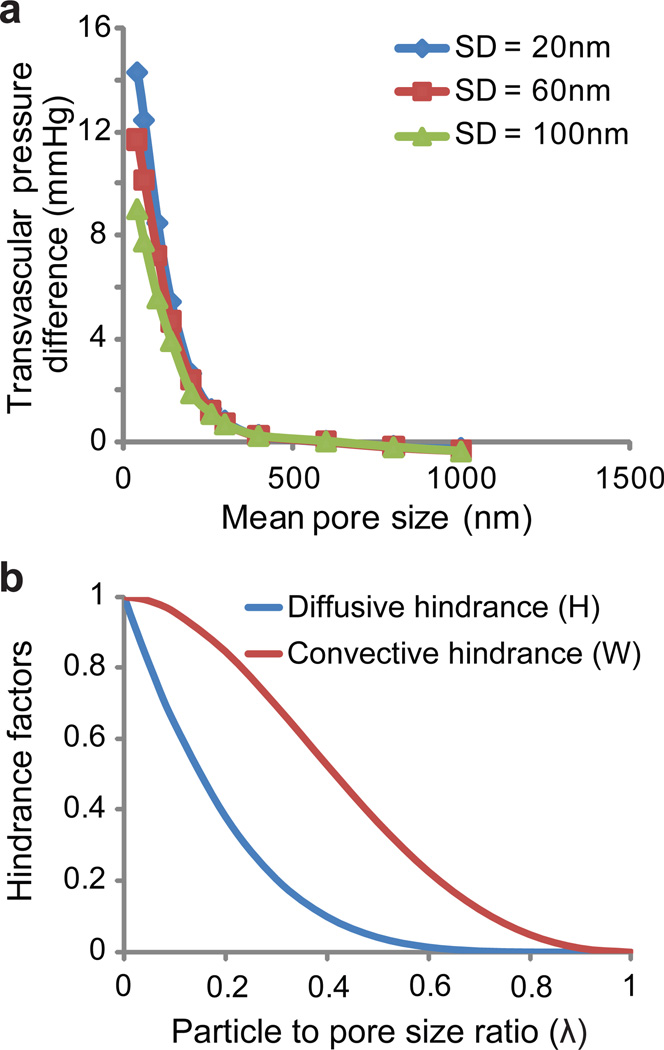
Figure 4. Dependence of the transvascular pressure gradient and transport hindrance on pore size
a, Transvascular pressure difference as a function of the vessel wall pore size. The plot presents the model predictions for three different standard deviations, namely 20, 60, and 100nm. The standard deviation of the distribution affects the transvascular pressure difference only for small pore sizes. For pore size distributions with a mean > 400nm the pressure difference, and thus the fluid flux across the vessel wall, is practically zero. b, Hindrance factors for transport through pores versus particle to pore size ratio. The diffusive (H) and convective (W) hindrance factors, which represent hydrodynamic and steric transport hindrance through pores, depend strongly on the particle to pore size ratio (λ). A hindrance factor of 1 indicates no hindrance, while that of zero denotes no transport whatsoever. Both diffusion and convection are increasingly hindered as particle size approaches pore size.
Figure 5
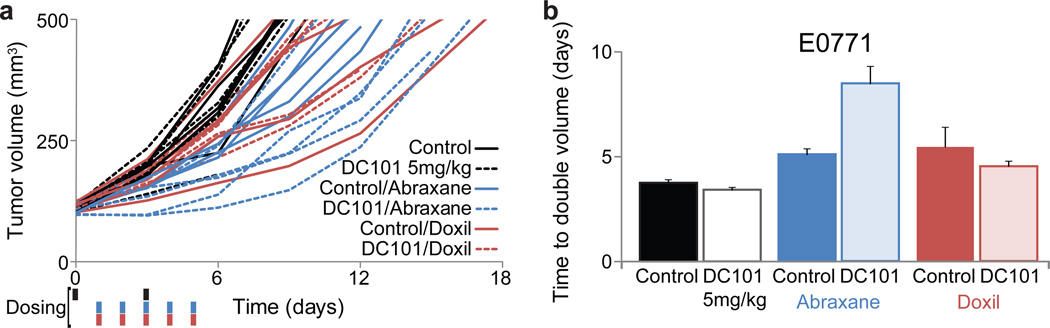
Figure 5. Improvement of cytotoxic nanomedicine effectiveness by vascular normalization
a, Volumes of orthotopic E0771 mammary tumours in response to treatment with DC101 or non-specific rat IgG control (5mg/kg on days 0 and 3) in combination with either the ~10nm nanomedicine Abraxane (10mg/kg on days 1–5) or the ~100nm nanomedicine Doxil (2mg/kg on days 1–5). b, Quantification of tumour growth rates, based on the time to reach double the initial volume. Abraxane (P = 0.040, Mann-Whitney U-test) and Doxil (P = 0.040, Mann-Whitney U-test) monotherapy both induce growth delays versus the control treatment. Normalization with DC101 enhances the effectiveness of the ~10nm Abraxane (P = 0.040, Mann-Whitney U-test), but does not affect that of the ~100nm Doxil. Animal number n = 4–5 for all groups.

Comment in

References

    1. Hobbs SK. Regulation of transport pathways in tumor vessels: role of tumor type and microenvironment. Proc. Natl. Acad.Sci. USA. 1998;95:4607–4612. - PMC - PubMed
    1. Nagy JA, Dvorak AM, Dvorak HF. VEGF-A and the induction of pathological angiogenesis. Annu. Rev. Pathol. 2007;2:251–275. - PubMed
    1. Yuan F, et al. Microvascular permeability and interstitial penetration of sterically stabilized (stealth) liposomes in a human tumor xenograft. Cancer Res. 1994;54:3352–3356. - PubMed
    1. Baish JW, et al. Scaling rules for diffusive drug delivery in tumor and normal tissues. Proc. Natl. Acad.Sci. USA. 2011;108:1799–1803. - PMC - PubMed
    1. Carmeliet P, Jain RK. Molecular mechanisms and clinical applications of angiogenesis. Nature. 2011;473:298–307. - PMC - PubMed

Publication types

MeSH terms

Substances