


THE ROLE OF SPECIFIC IgG AND COMPLEMENT IN COMBATING A PRIMARY MUCOSAL INFECTION OF THE GUT EPITHELIUM
- PMID: 22485193
- PMCID: PMC3319158
- DOI: 10.1556/EuJMI.1.2011.4.7
THE ROLE OF SPECIFIC IgG AND COMPLEMENT IN COMBATING A PRIMARY MUCOSAL INFECTION OF THE GUT EPITHELIUM
Abstract
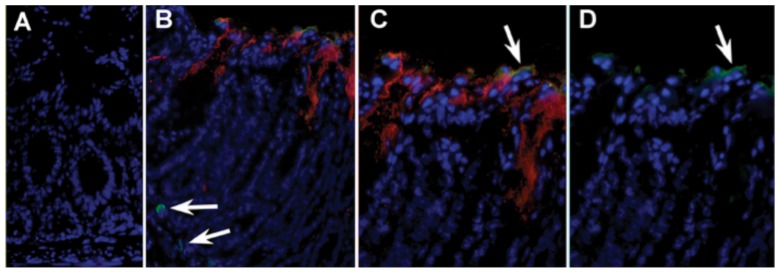
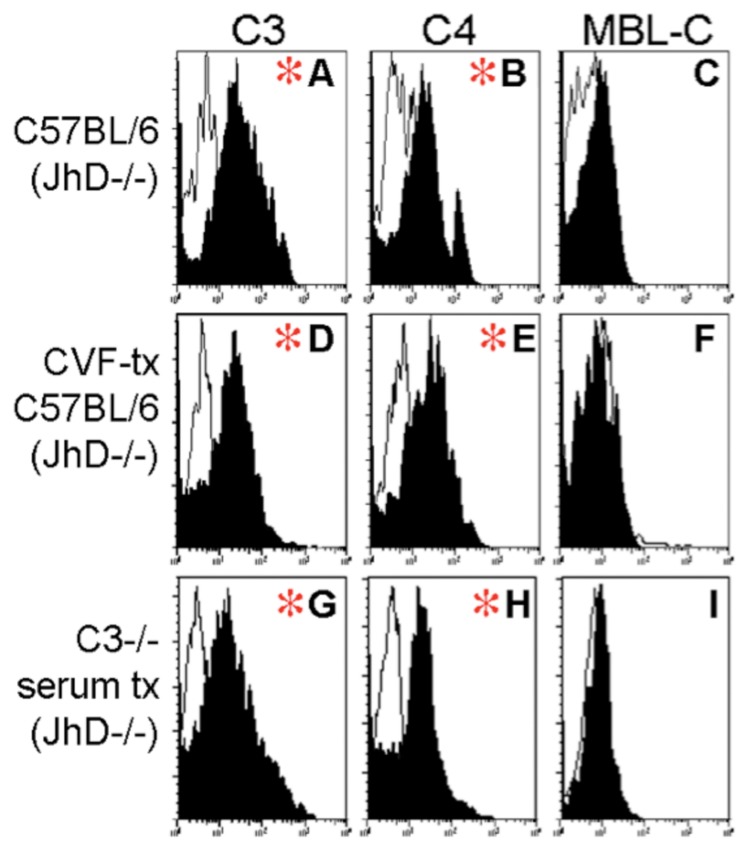
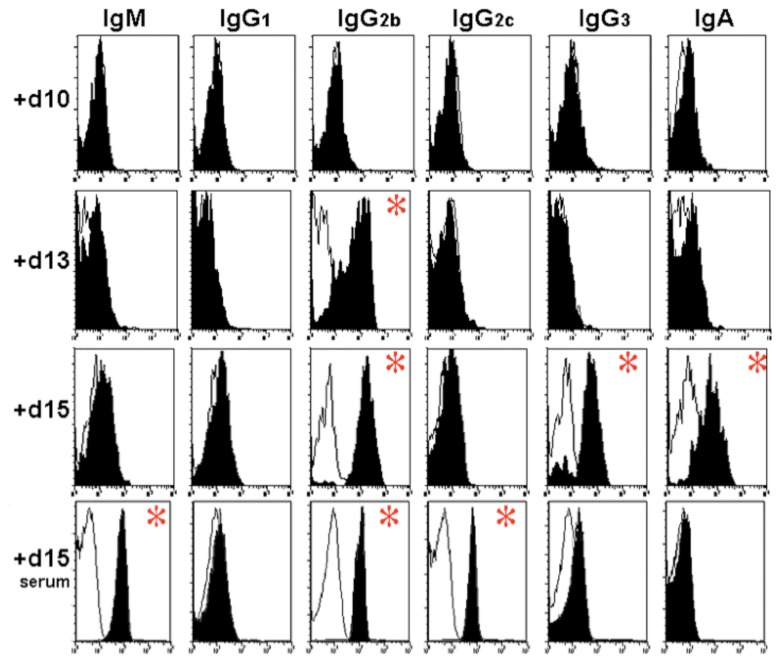
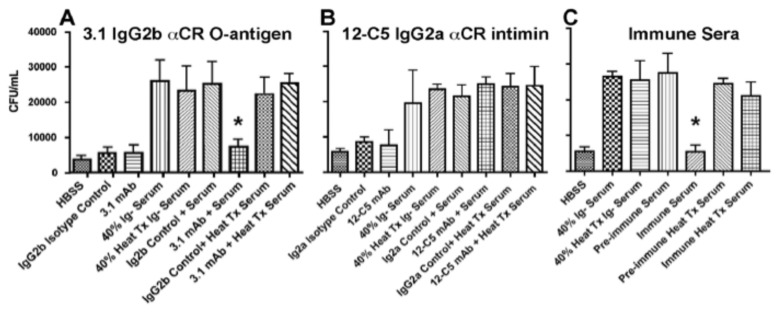
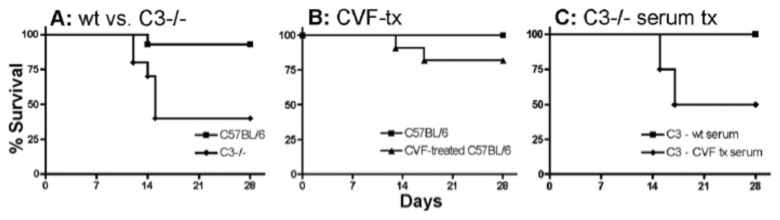
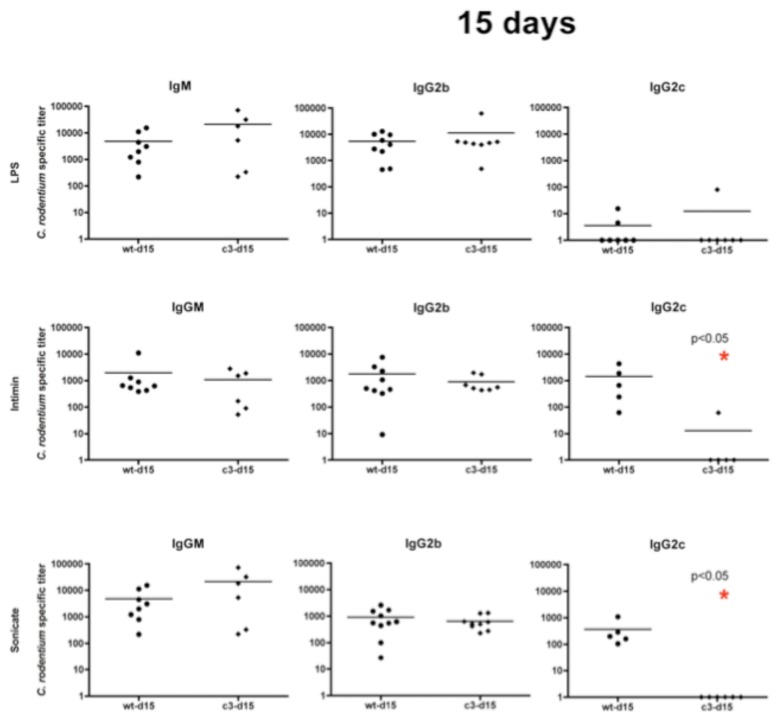
The role of complement and complement-fixing IgG isotypes at mucosal surfaces is ill defined. Previous data have demonstrated that survival of an infection with the attaching and effacing pathogen Citrobacter rodentium requires production of systemic and CD4+ T cell-dependent IgG. We have found that both complement and complement-fixing IgG isotypes are needed to survive a C. rodentium infection. Our results indicate that both IgG and complement C3b enter the gut lumen and bind epithelially adherent, and fecally shed C. rodentium. Furthermore, C3-deficient mice demonstrate a profound survival defect, though means to replenish C3 in systemic or mucosal sites restores the protective capacity of complement in the host. Our data provide evidence that both IgG and complement interact constructively on both sides of the epithelium to fight colonizing mucosal infections.
Figures
References
-
- Luperchio SA, Schauer DB. Molecular pathogenesis of Citrobacter rodentium and transmissible murine colonic hyperplasia. Microbes Infect. 2001 Apr;3(4):333–340. - PubMed
-
- Black RE, Cousens S, Johnson HL, Lawn JE, Rudan I, Bassani DG, Jha P, Campbell H, Walker CF, Cibulskis R, Eisele T, Liu L, Mathers C. Global, regional, and national causes of child mortality in 2008: a systematic analysis. Lancet. 2010 Jun 5;375(9730):1969–1987. - PubMed
-
- Campellone KG. Cytoskeleton-modulating effectors of enteropathogenic and enterohaemorrhagic Escherichia coli: Tir, EspFU and actin pedestal assembly. FEBS J. 2010 Jun;277(11):2390–2402. - PubMed
Grants and funding
LinkOut - more resources
Full Text Sources
Research Materials
Miscellaneous