


Efficacy of neoadjuvant chemoradiation, followed by liver transplantation, for perihilar cholangiocarcinoma at 12 US centers
- PMID: 22504095
- PMCID: PMC3846443
- DOI: 10.1053/j.gastro.2012.04.008
Efficacy of neoadjuvant chemoradiation, followed by liver transplantation, for perihilar cholangiocarcinoma at 12 US centers
Abstract
Background & aims: Excellent single-center outcomes of neoadjuvant chemoradiation and liver transplantation for unresectable perihilar cholangiocarcinoma caused the United Network of Organ Sharing to offer a standardized model of end-stage liver disease (MELD) exception for this disease. We analyzed data from multiple centers to determine the effectiveness of this treatment and the appropriateness of the MELD exception.
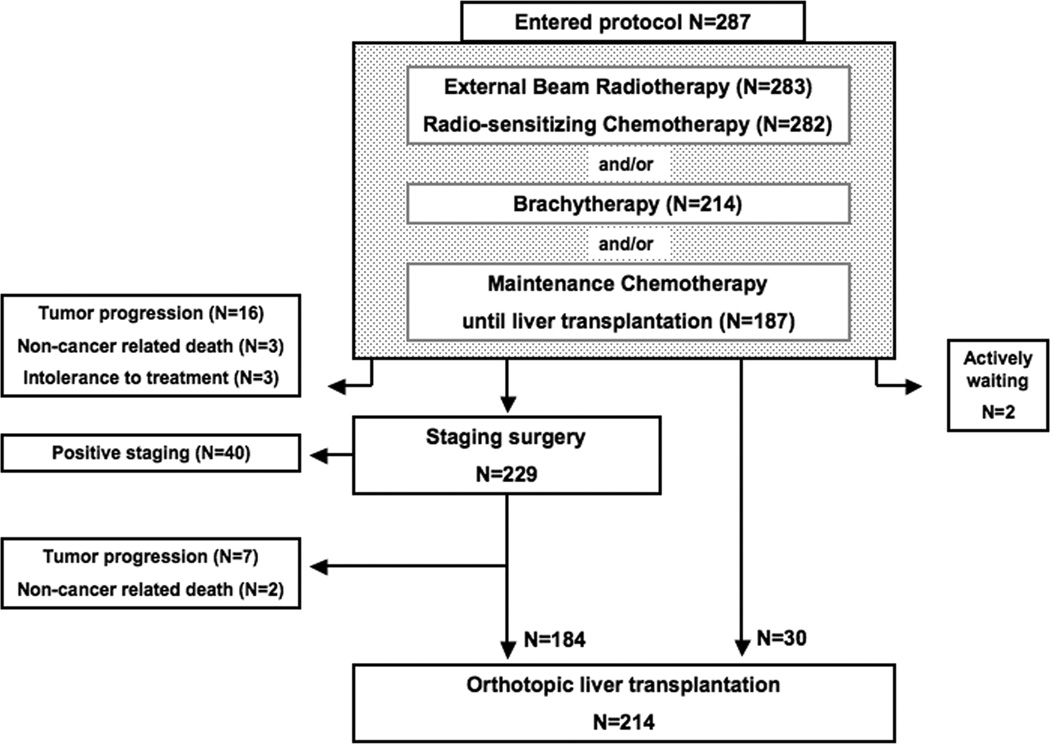
Methods: We collected and analyzed data from 12 large-volume transplant centers in the United States. These centers met the inclusion criteria of treating 3 or more patients with perihilar cholangiocarcinoma using neoadjuvant therapy, followed by liver transplantation, from 1993 to 2010 (n = 287 total patients). Center-specific protocols and medical charts were reviewed on-site.
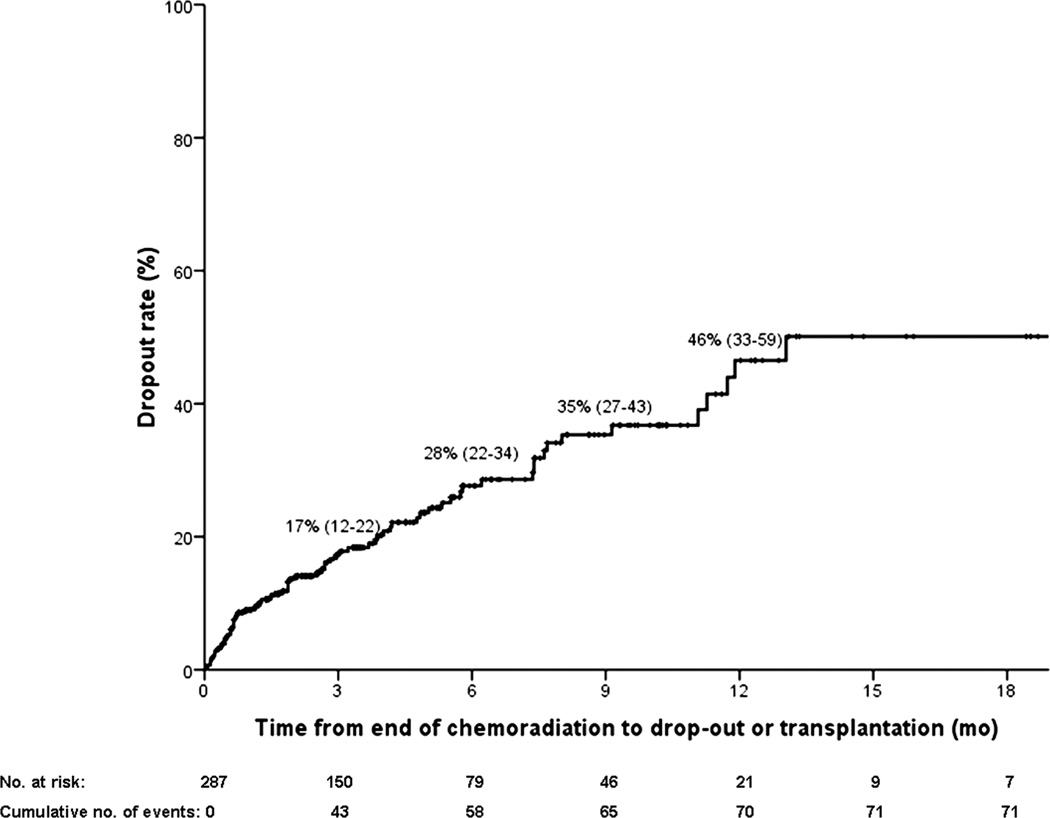
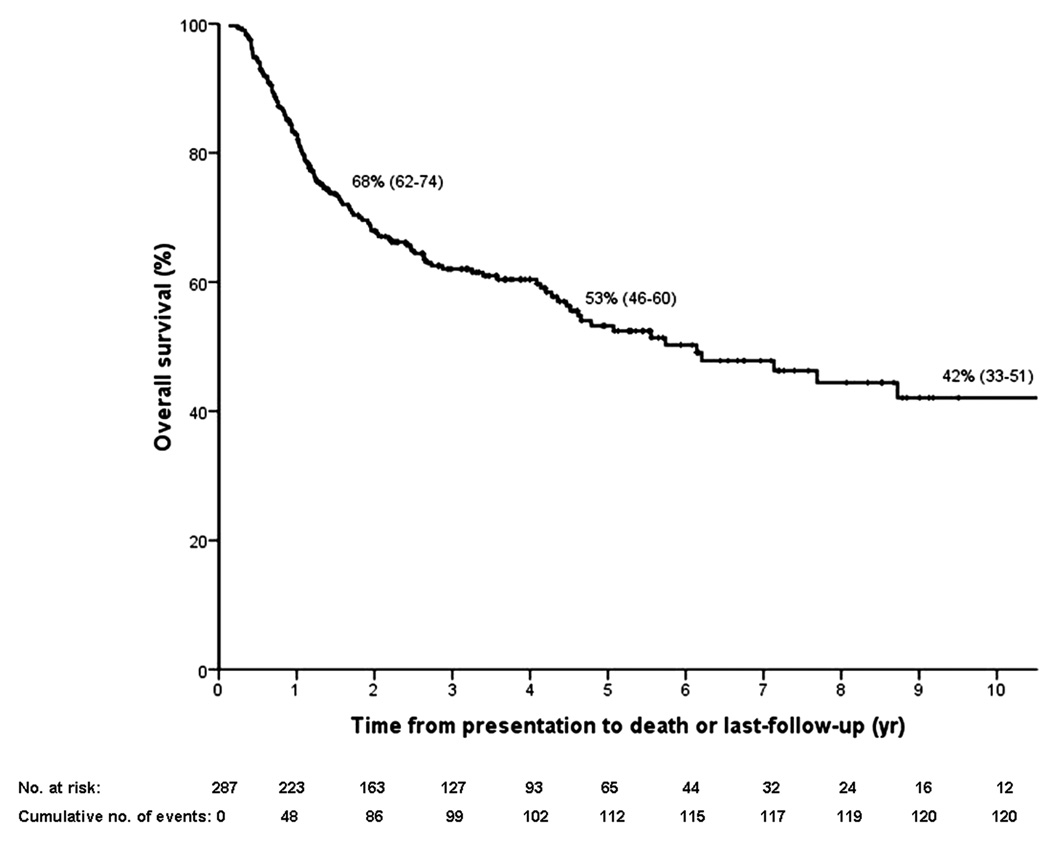
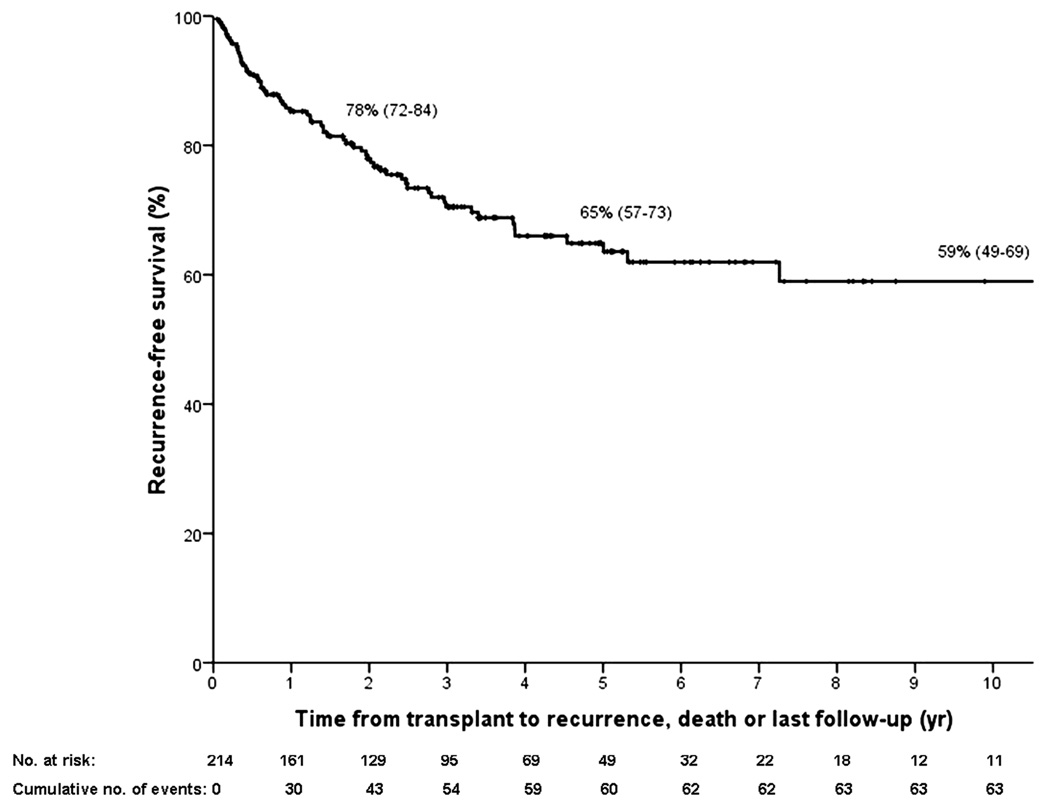
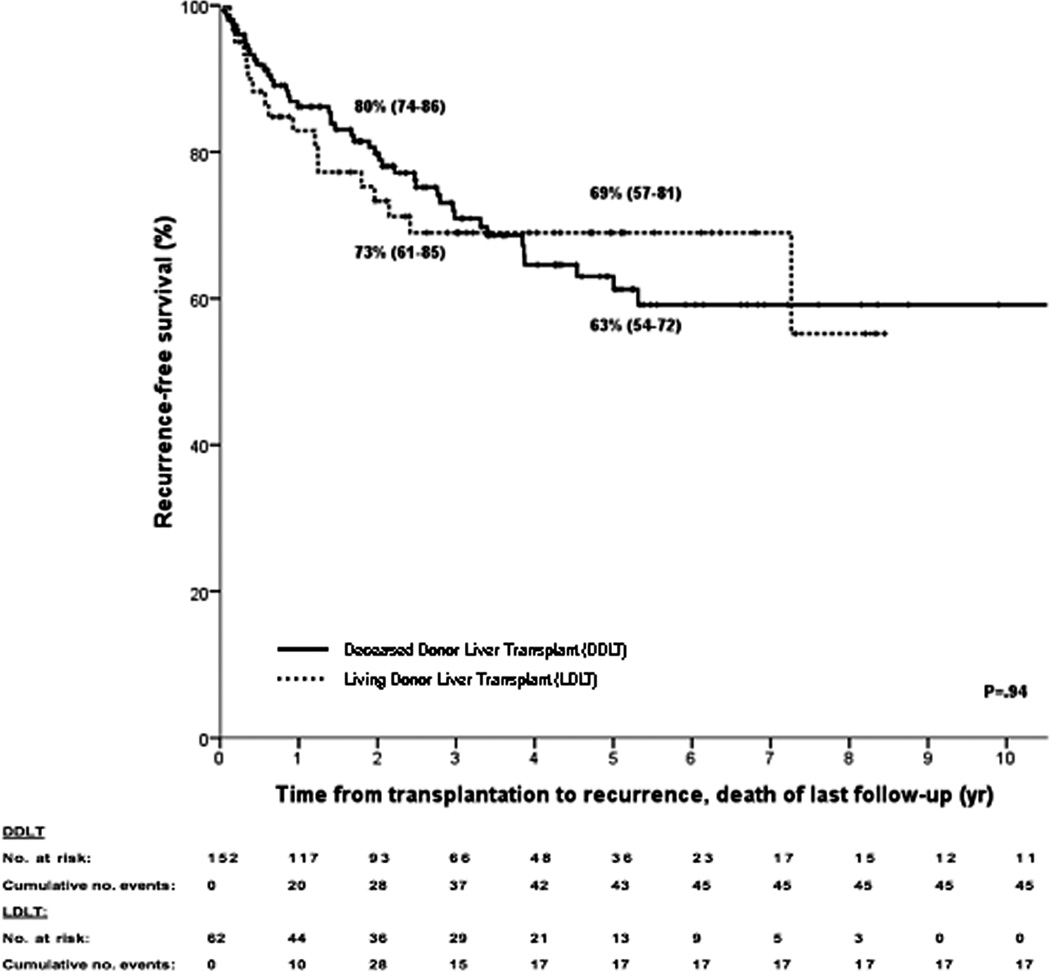
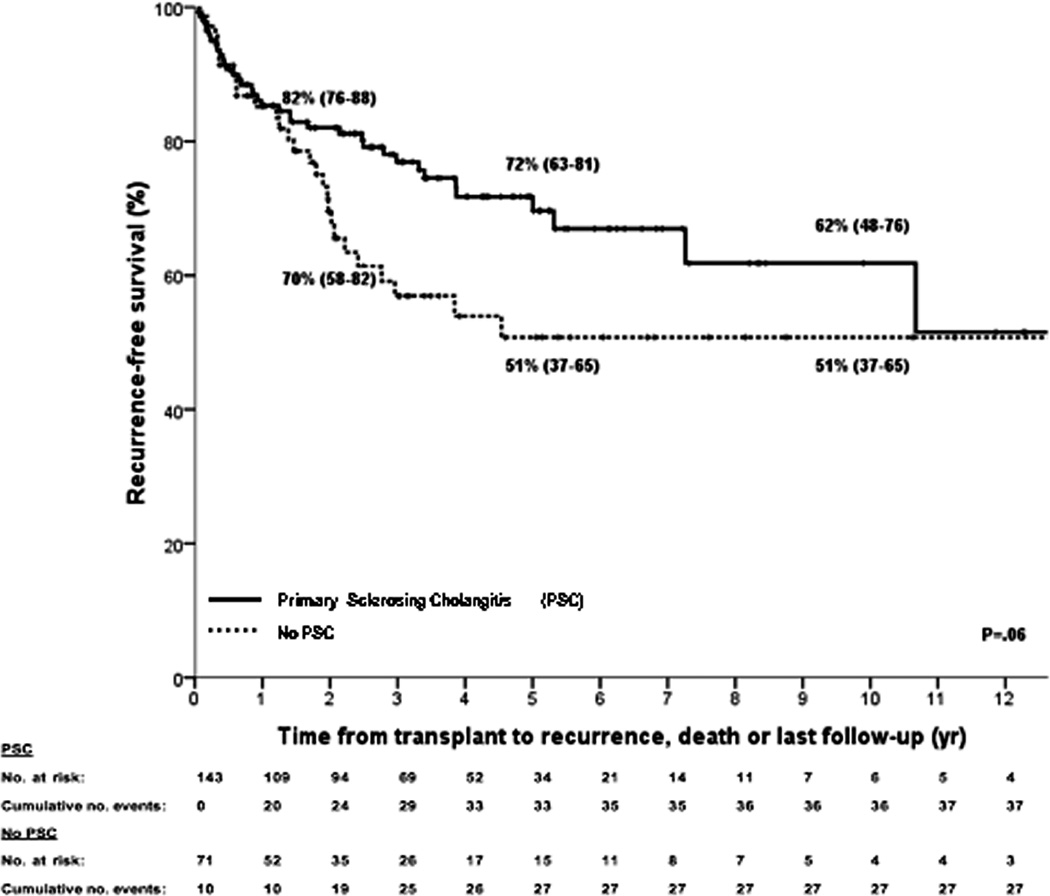
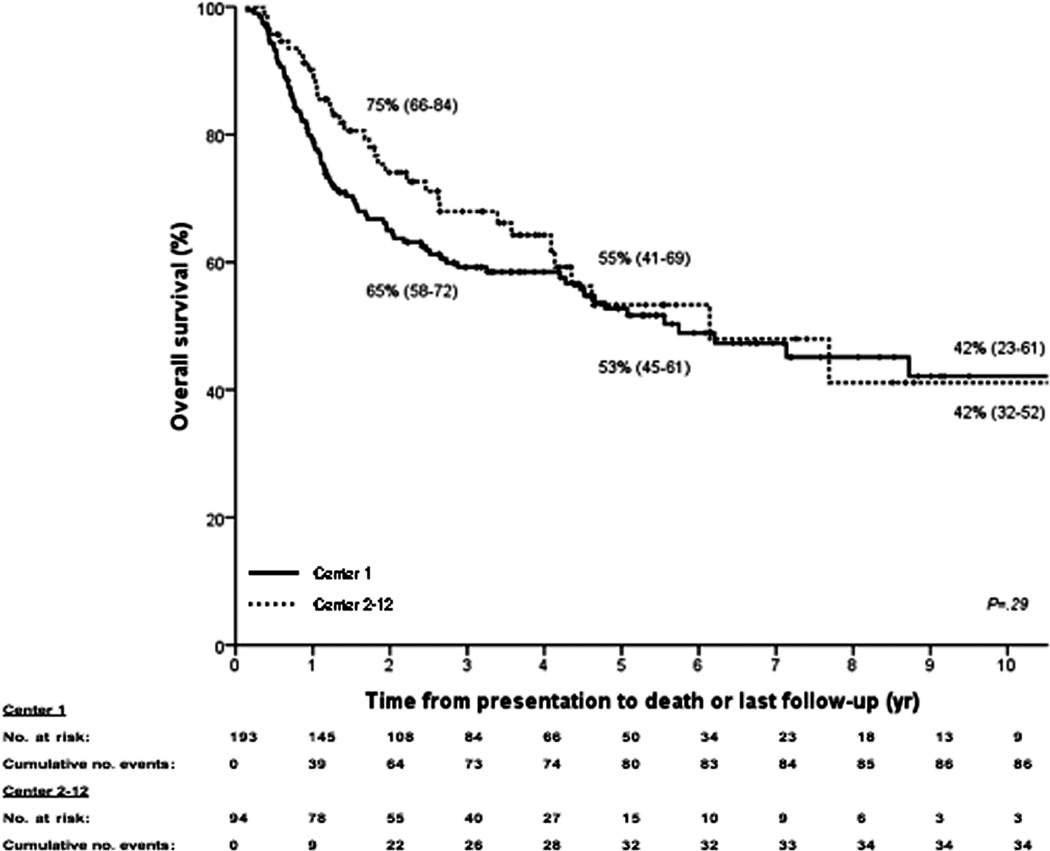
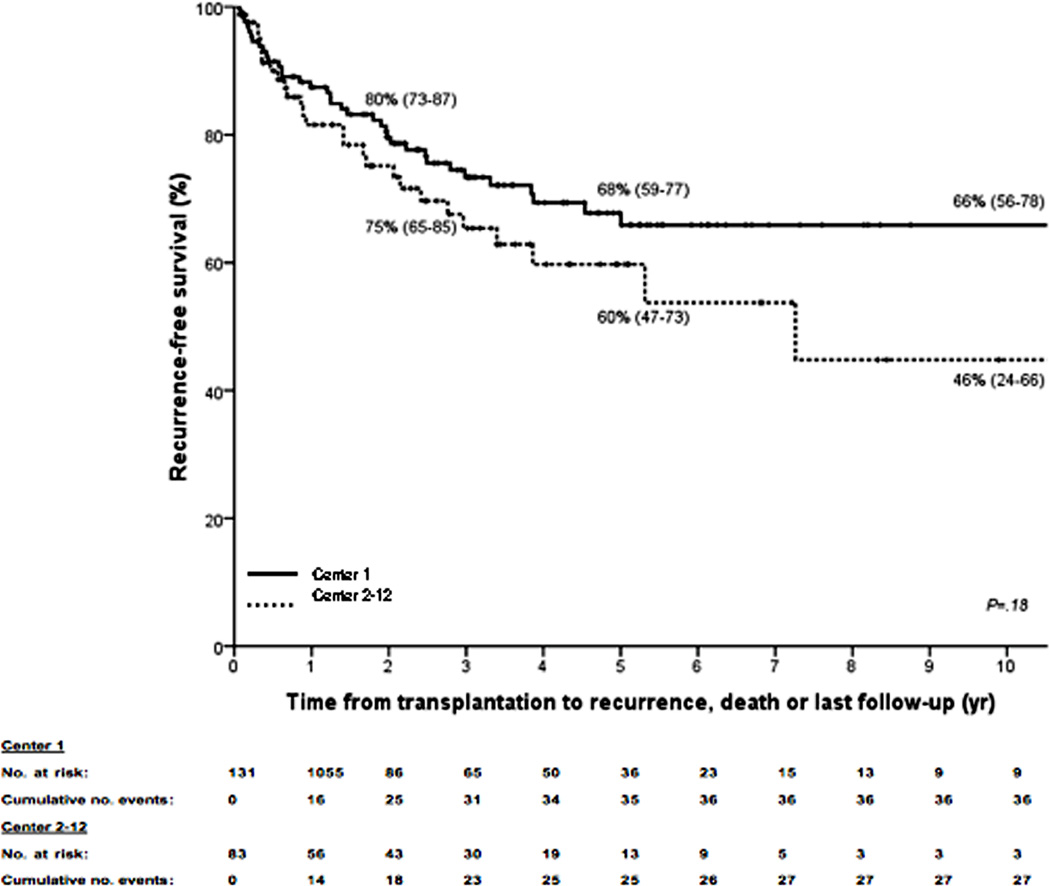
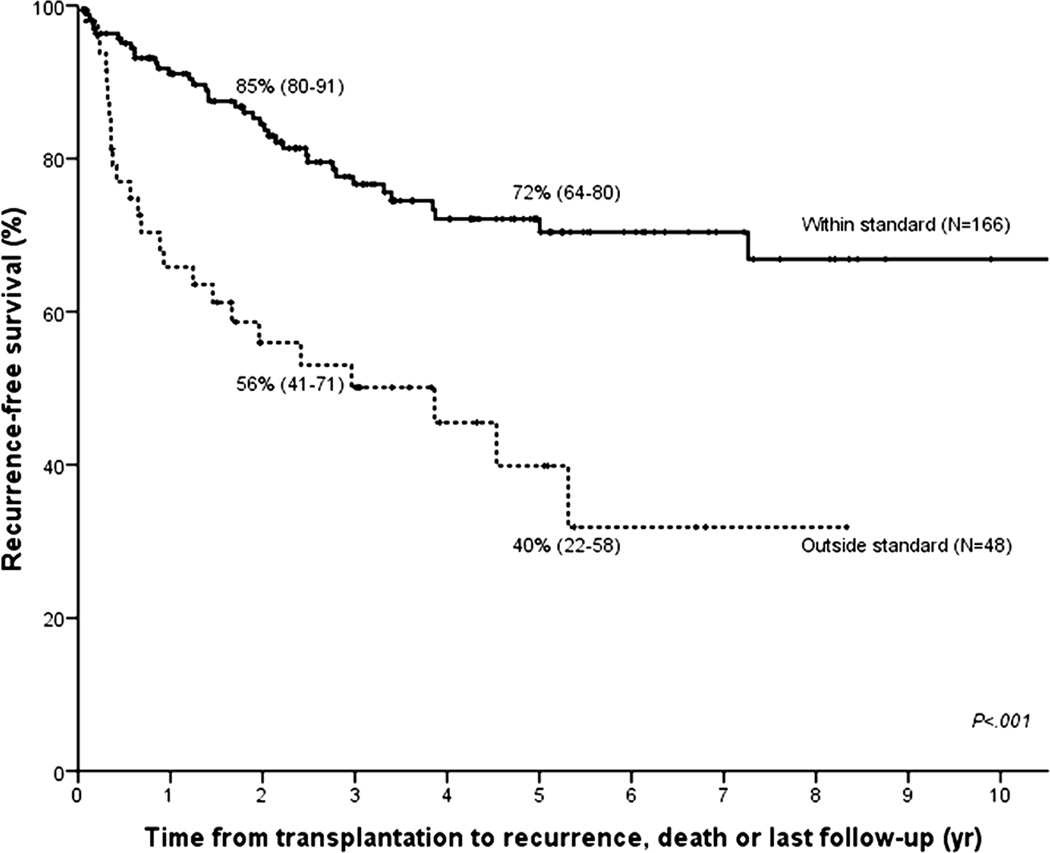
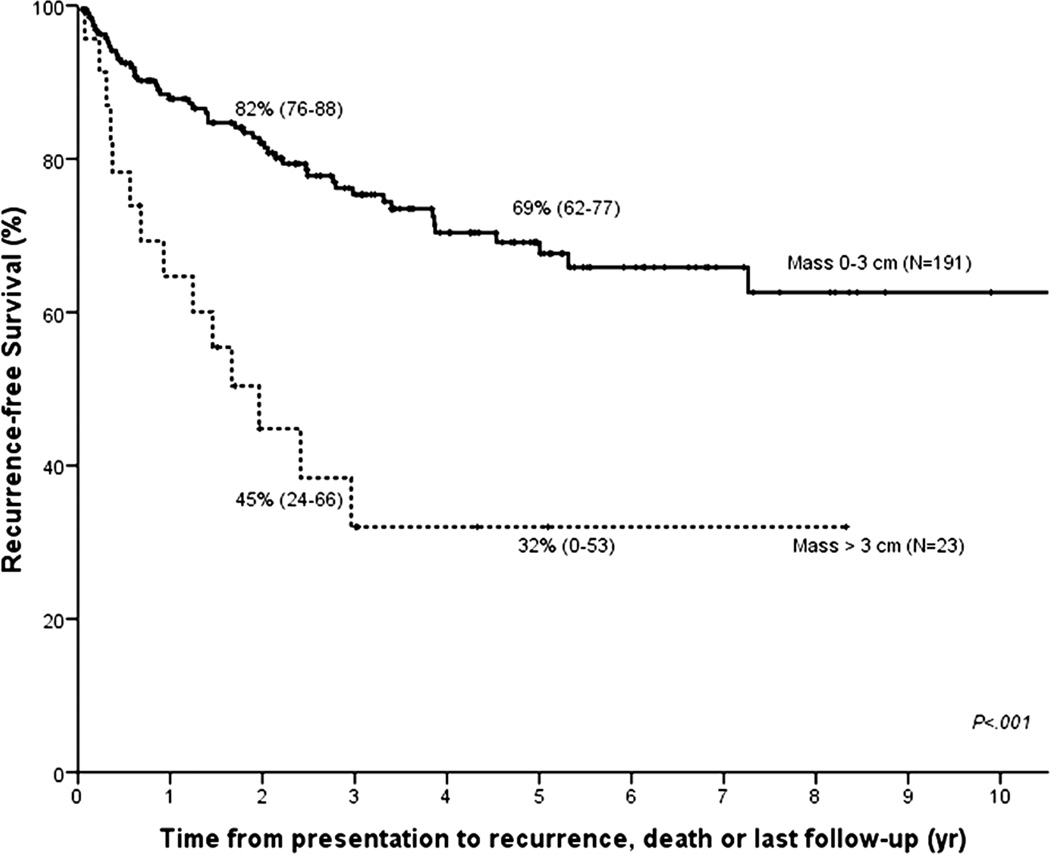
Results: The patients completed external radiation (99%), brachytherapy (75%), radiosensitizing therapy (98%), and/or maintenance chemotherapy (65%). Seventy-one patients dropped out before liver transplantation (rate, 11.5% in 3 months). Intent-to-treat survival rates were 68% and 53%, 2 and 5 years after therapy, respectively; post-transplant, recurrence-free survival rates were 78% and 65%, respectively. Patients outside the United Network of Organ Sharing criteria (those with tumor mass >3 cm, transperitoneal tumor biopsy, or metastatic disease) or with a prior malignancy had significantly shorter survival times (P < .001). There were no differences in outcomes among patients based on differences in surgical staging or brachytherapy. Although most patients came from 1 center (n = 193), the other 11 centers had similar survival times after therapy.
Conclusions: Patients with perihilar cholangiocarcinoma who were treated with neoadjuvant therapy followed up by liver transplantation at 12 US centers had a 65% rate of recurrence-free survival after 5 years, showing this therapy to be highly effective. An 11.5% drop-out rate after 3.5 months of therapy indicates the appropriateness of the MELD exception. Rigorous selection is important for the continued success of this treatment.
Copyright © 2012 AGA Institute. Published by Elsevier Inc. All rights reserved.
Figures
References
-
- Deoliveira ML, Schulick RD, Nimura Y, et al. New staging system and a registry for perihilar cholangiocarcinoma. Hepatology (Baltimore, Md. 2011;53:1363–1371. - PubMed
-
- Gores GJ. Cholangiocarcinoma: current concepts and insights. Hepatology (Baltimore, Md. 2003;37:961–969. - PubMed
-
- Washburn WK, Lewis WD, Jenkins RL. Aggressive surgical resection for cholangiocarcinoma. Arch Surg. 1995;130:270–276. - PubMed
-
- Rea DJ, Munoz-Juarez M, Farnell MB, et al. Major hepatic resection for hilar cholangiocarcinoma: analysis of 46 patients. Arch Surg. 2004;139:514–523. discussion 23-5. - PubMed
Publication types
MeSH terms
Grants and funding
LinkOut - more resources
Full Text Sources
Medical
Miscellaneous
