


The multifaceted roles of neutrophil gelatinase associated lipocalin (NGAL) in inflammation and cancer
- PMID: 22513004
- PMCID: PMC3362670
- DOI: 10.1016/j.bbcan.2012.03.008
The multifaceted roles of neutrophil gelatinase associated lipocalin (NGAL) in inflammation and cancer
Abstract
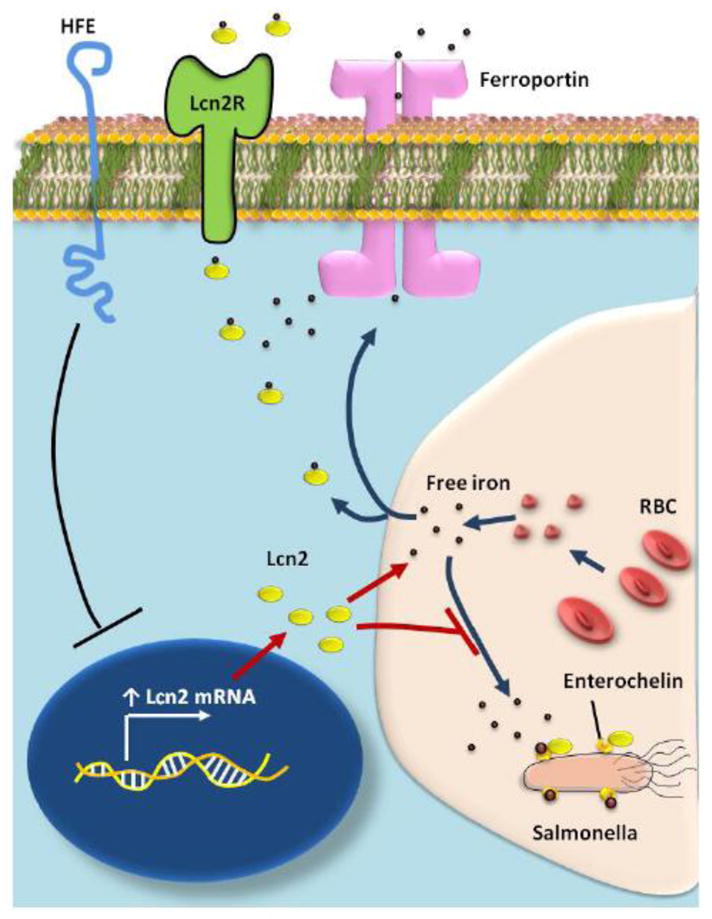
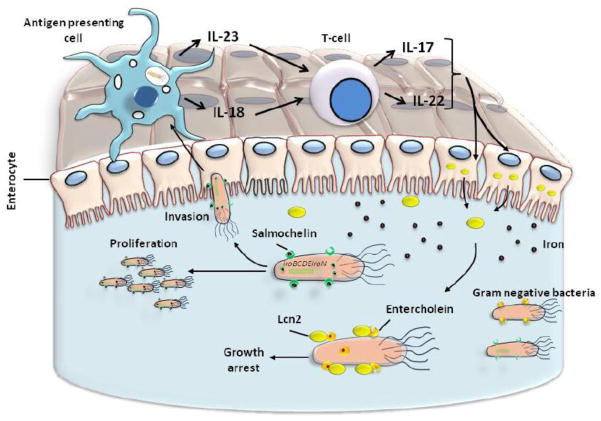
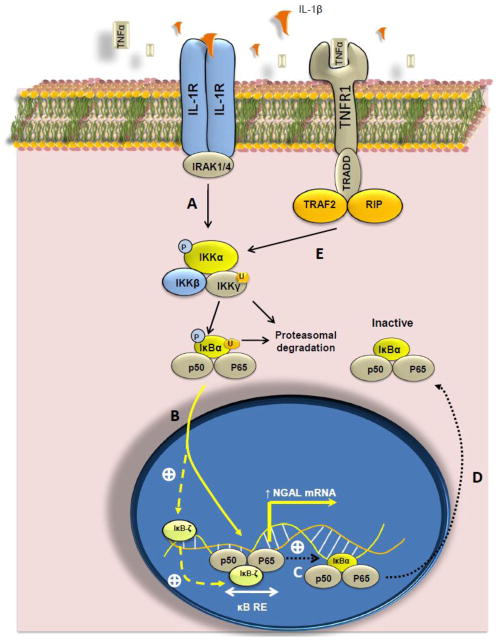
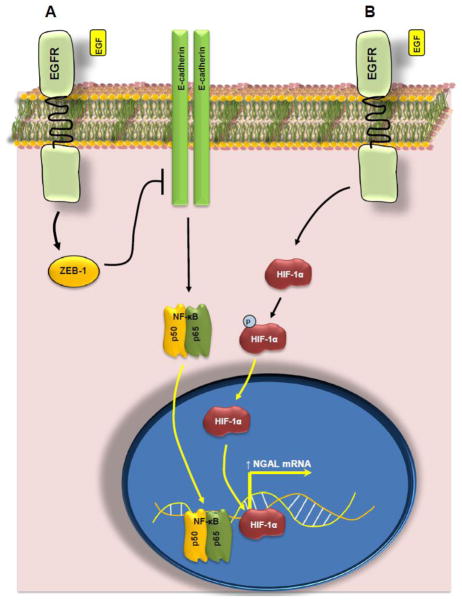
Neutrophil gelatinase associated lipocalin (NGAL), also known as oncogene 24p3, uterocalin, siderocalin or lipocalin 2, is a 24kDa secreted glycoprotein originally purified from a culture of mouse kidney cells infected with simian virus 40 (SV-40). Subsequent investigations have revealed that it is a member of the lipocalin family of proteins that transport small, hydrophobic ligands. Since then, NGAL expression has been reported in several normal tissues where it serves to provide protection against bacterial infection and modulate oxidative stress. Its expression is also dysregulated in several benign and malignant diseases. Its small size, secreted nature and relative stability have led to it being investigated as a diagnostic and prognostic biomarker in numerous diseases including inflammation and cancer. Functional studies, conducted primarily on lipocalin 2 (Lcn2), the mouse homologue of human NGAL have revealed that Lcn2 has a strong affinity for iron complexed to both bacterial siderophores (iron-binding proteins) and certain human proteins like norepinephrine. By sequestering iron-laden siderophores, Lcn2 deprives bacteria of a vital nutrient and thus inhibits their growth (bacteriostatic effect). In malignant cells, its proposed functions range from inhibiting apoptosis (in thyroid cancer cells), invasion and angiogenesis (in pancreatic cancer) to increasing proliferation and metastasis (in breast and colon cancer). Ectopic expression of Lcn2 also promotes BCR-ABL induced chronic myelogenous leukemia in murine models. By transporting iron into and out of the cell, NGAL also regulates iron responsive genes. Further, it stabilizes the proteolytic enzyme matrix metalloprotease-9 (MMP-9) by forming a complex with it, and thereby prevents its autodegradation. The factors regulating NGAL expression are numerous and range from pro-inflammatory cytokines like interleukins, tumor necrosis factor-α and interferons to vitamins like retinoic acid. The purpose of this review article is to examine the expression, structure, regulation and biological role of NGAL and critically assess its potential as a novel diagnostic and prognostic marker in both benign and malignant human diseases.
Copyright © 2012 Elsevier B.V. All rights reserved.
Figures
References
-
- Mussap M, Degrandi R, Fravega M, Fanos V. Acute kidney injury in critically ill infants: the role of urine Neutrophil Gelatinase-Associated Lipocalin (NGAL) J Matern Fetal Neonatal Med. 2010;23(Suppl 3):70–72. - PubMed
-
- Devarajan P. Review: neutrophil gelatinase-associated lipocalin: a troponin-like biomarker for human acute kidney injury. Nephrology (Carlton ) 2010;15:419–428. - PubMed
-
- Kunzendorf U, Haase M, Rolver L, Haase-Fielitz A. Novel aspects of pharmacological therapies for acute renal failure. Drugs. 2010;70:1099–1114. - PubMed
-
- Moore E, Bellomo R, Nichol A. Biomarkers of acute kidney injury in anesthesia, intensive care and major surgery: from the bench to clinical research to clinical practice. Minerva Anestesiol. 2010;76:425–440. - PubMed
-
- Chaudhary K, Phadke G, Nistala R, Weidmeyer CE, McFarlane SI, Whaley-Connell A. The emerging role of biomarkers in diabetic and hypertensive chronic kidney disease. Curr Diab Rep. 2010;10:37–42. - PubMed
Publication types
MeSH terms
Substances
Grants and funding
- 2P30DK56338/DK/NIDDK NIH HHS/United States
- U54 CA163120/CA/NCI NIH HHS/United States
- U01 CA111294/CA/NCI NIH HHS/United States
- U01CA111294/CA/NCI NIH HHS/United States
- R01 CA78590/CA/NCI NIH HHS/United States
- R03 CA139285/CA/NCI NIH HHS/United States
- P50 CA127297/CA/NCI NIH HHS/United States
- P30 DK056338/DK/NIDDK NIH HHS/United States
- R01 CA131944/CA/NCI NIH HHS/United States
- R01 CA133774/CA/NCI NIH HHS/United States
- R01 CA139285/CA/NCI NIH HHS/United States
- P50CA127297/CA/NCI NIH HHS/United States
- R01 CA078590/CA/NCI NIH HHS/United States
- U54CA163120/CA/NCI NIH HHS/United States
LinkOut - more resources
Full Text Sources
Medical
Miscellaneous
