


Characterizing distress, the 6th vital sign, in an oncology pain clinic
- PMID: 22514497
- PMCID: PMC3320232
- DOI: 10.3747/co.19.882
Characterizing distress, the 6th vital sign, in an oncology pain clinic
Abstract
Context: The delineation of populations of cancer patients with complex symptoms can inform the planning and delivery of supportive care services.
Objectives: We explored the physical, psychosocial, and practical concerns experienced by patients attending an ambulatory oncology symptom control clinic.
Methods: Patients attending a Pain Clinic at a large tertiary cancer centre were invited to complete screening measures assessing distress, pain, fatigue, anxiety, depression, and practical and psychosocial problems. A matched sample of patients who did not attend the Pain Clinic were selected as a comparison group.
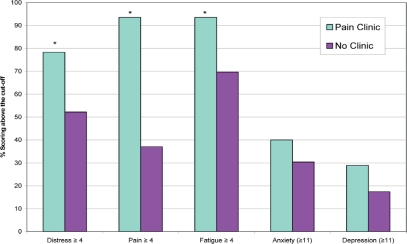
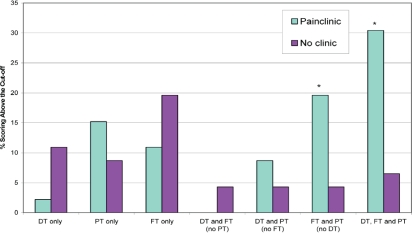
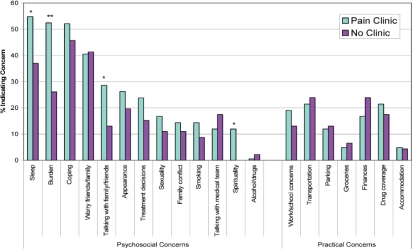
Results: Of all eligible Pain Clinic patients, 46 (77%) completed the measures; so did 46 comparison group patients. The percentages of patients reporting distress (78.3%), pain (93.5%), and fatigue (93.5%) were higher among Pain Clinic patients than among the comparison patients. A higher percentage of Pain Clinic patients also reported multiple, severe, concurrent symptoms: 87% scored 7 or higher in at least one of the pain, fatigue, or distress scales, and 30.4% of the patients scored 7 or higher on all three. The most common problem areas were feeling a burden to others, trouble talking with friends and family, spirituality, and sleep difficulties.
Conclusions: Higher levels of multiple, concurrent symptoms and psychosocial problems were found in Pain Clinic patients than in a group of patients who did not attend the Pain Clinic. Routine screening and triaging of cancer patients using a comprehensive and standardized panel of questions can facilitate symptom assessment and management, and can inform program planning.
Keywords: Screening for distress; common problems; fatigue; neoplasms; oncology; pain.
Conflict of interest statement
There are no known financial conflicts of interest for the authors.
Figures
References
-
- National Comprehensive Cancer Network (NCCN) Distress Management. Fort Washington, PA: NCCN; 2002. Ver 1.2002. Practice Guidelines in Oncology.
LinkOut - more resources
Full Text Sources
