


EGCG protects endothelial cells against PCB 126-induced inflammation through inhibition of AhR and induction of Nrf2-regulated genes
- PMID: 22521609
- PMCID: PMC3358429
- DOI: 10.1016/j.taap.2012.03.024
EGCG protects endothelial cells against PCB 126-induced inflammation through inhibition of AhR and induction of Nrf2-regulated genes
Abstract
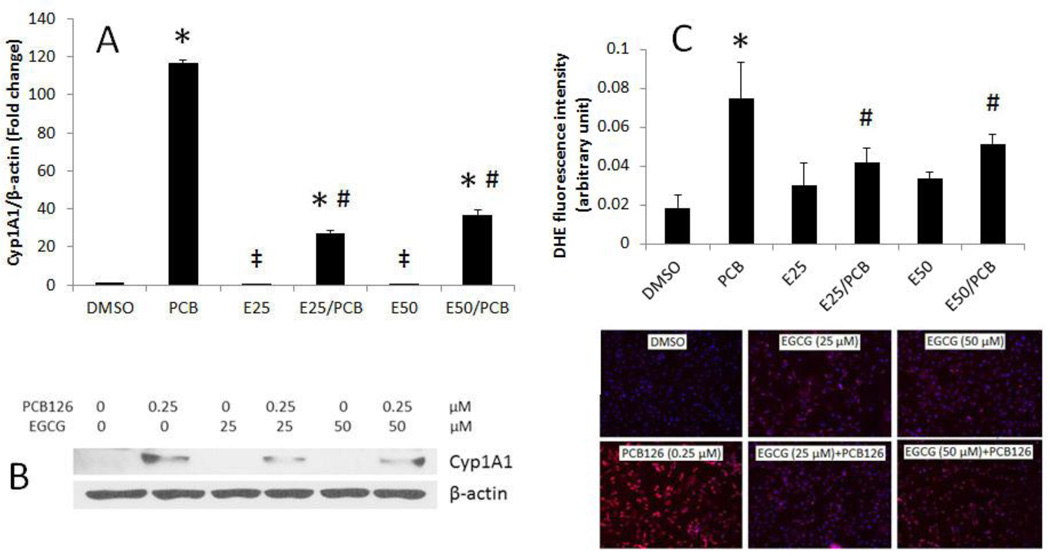
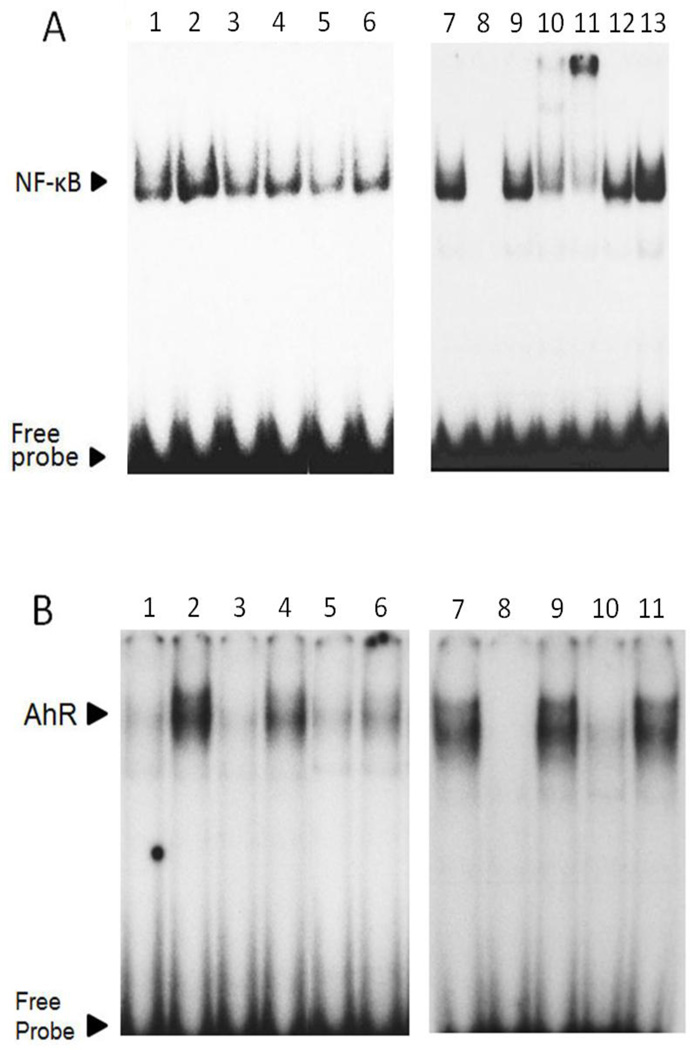
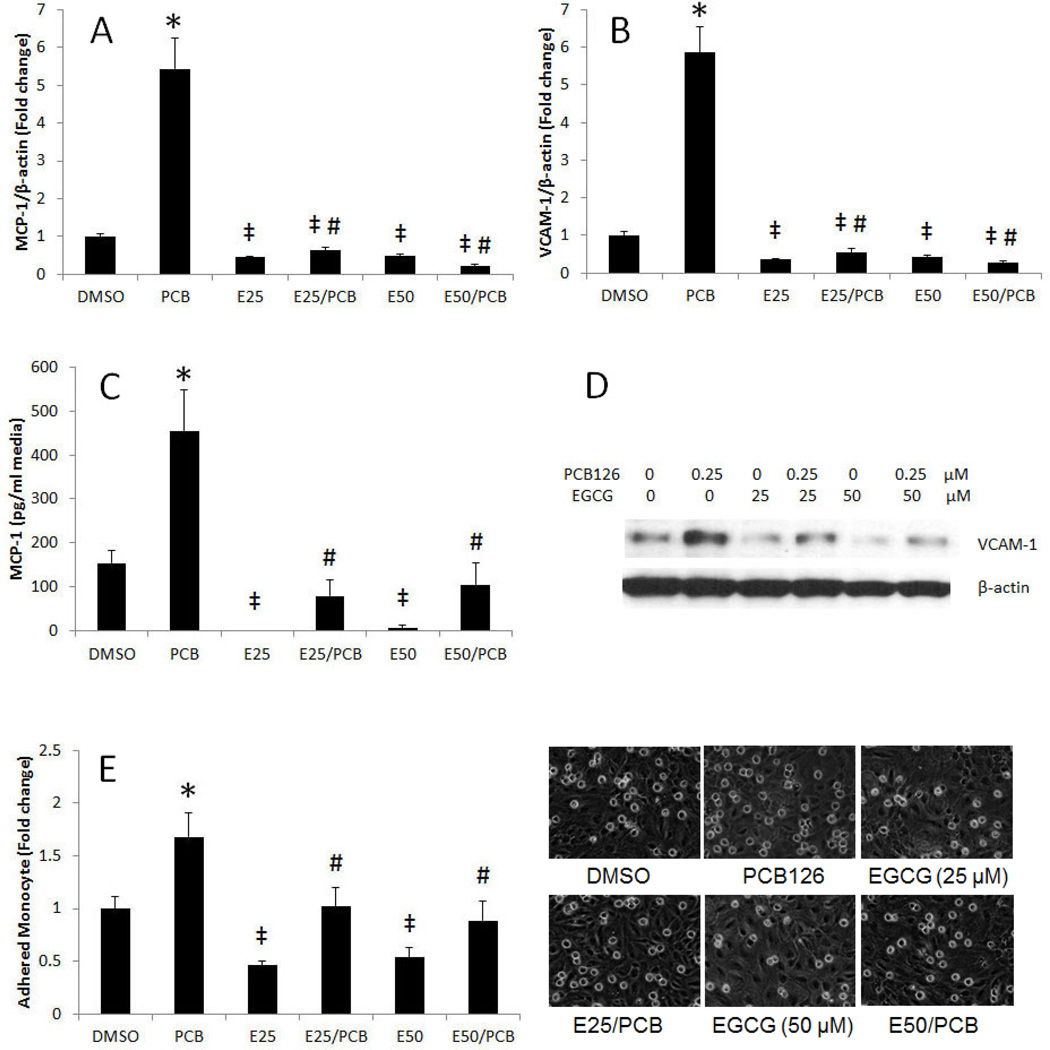
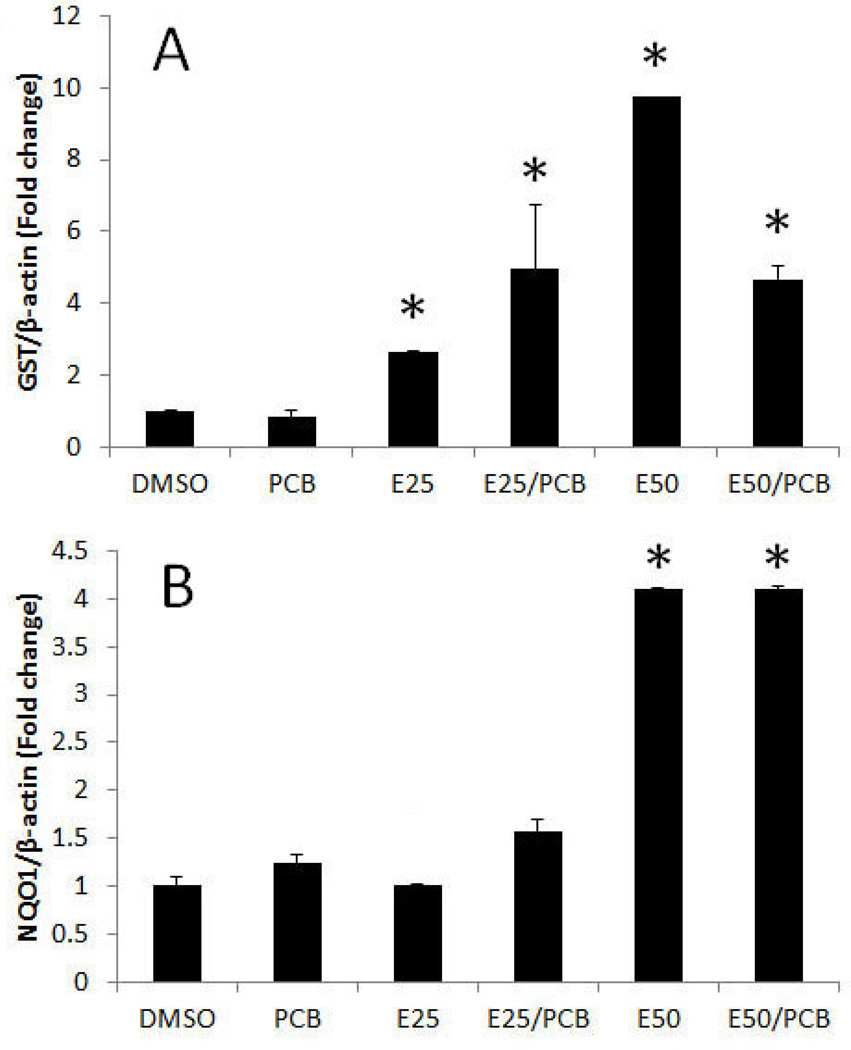
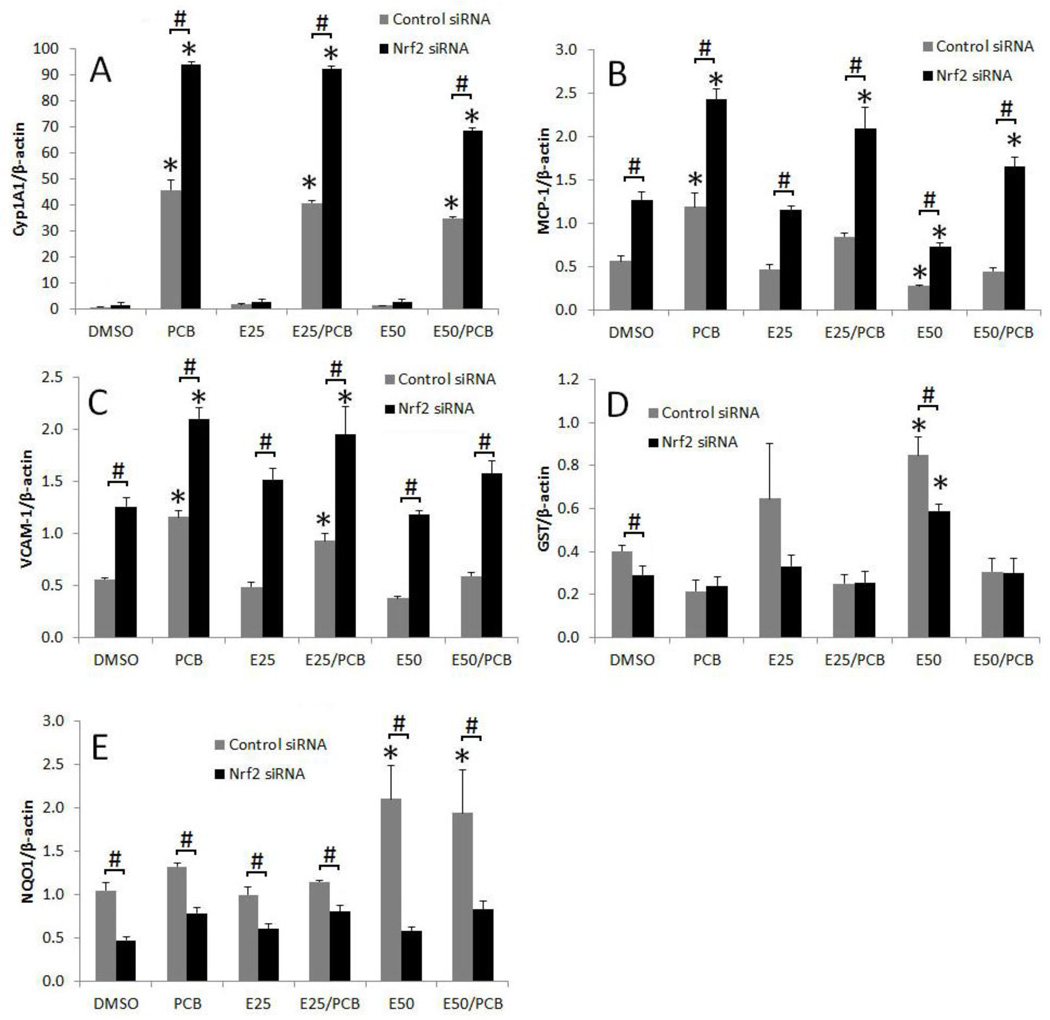
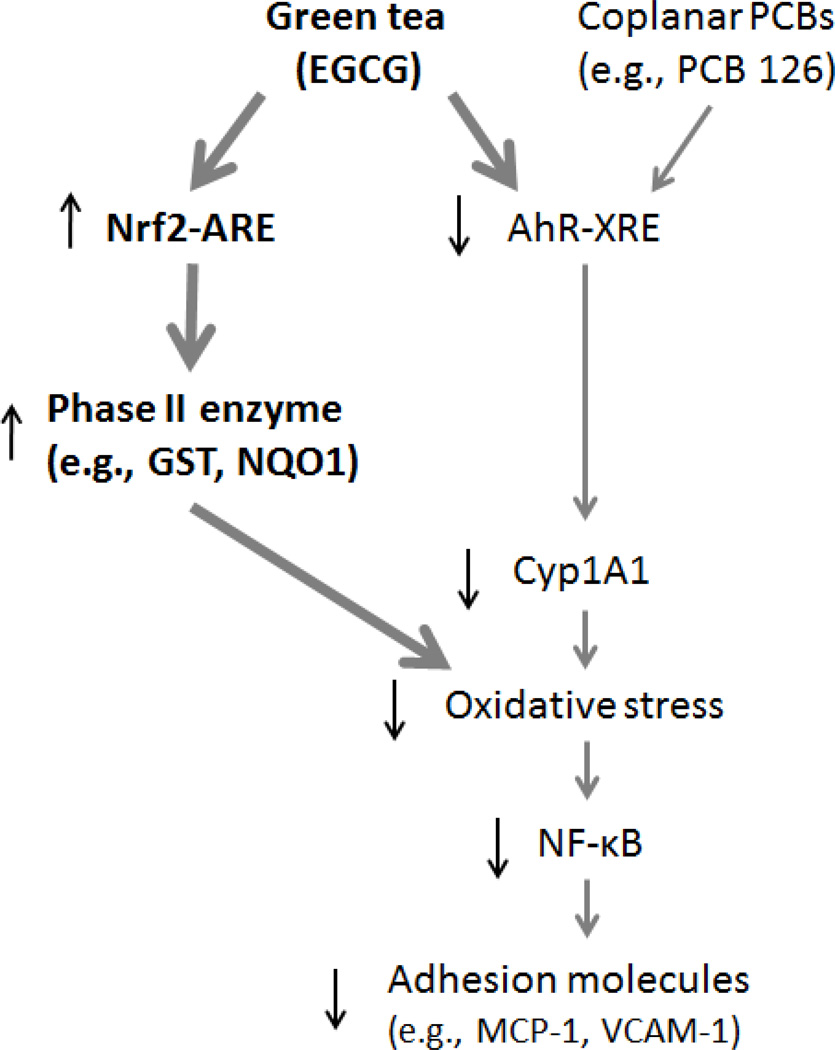
Tea flavonoids such as epigallocatechin gallate (EGCG) protect against vascular diseases such as atherosclerosis via their antioxidant and anti-inflammatory functions. Persistent and widespread environmental pollutants, including polychlorinated biphenyls (PCB), can induce oxidative stress and inflammation in vascular endothelial cells. Even though PCBs are no longer produced, they are still detected in human blood and tissues and thus considered a risk for vascular dysfunction. We hypothesized that EGCG can protect endothelial cells against PCB-induced cell damage via its antioxidant and anti-inflammatory properties. To test this hypothesis, primary vascular endothelial cells were pretreated with EGCG, followed by exposure to the coplanar PCB 126. Exposure to PCB 126 significantly increased cytochrome P450 1A1 (Cyp1A1) mRNA and protein expression and superoxide production, events which were significantly attenuated following pretreatment with EGCG. Similarly, EGCG also reduced DNA binding of NF-κB and downstream expression of inflammatory markers such as monocyte chemotactic protein-1 (MCP-1) and vascular cell adhesion protein-1 (VCAM-1) after PCB exposure. Furthermore, EGCG decreased endogenous or base-line levels of Cyp1A1, MCP-1 and VCAM-1 in endothelial cells. Most of all, treatment of EGCG upregulated expression of NF-E2-related factor 2 (Nrf2)-controlled antioxidant genes, including glutathione S transferase (GST) and NAD(P)H:quinone oxidoreductase 1 (NQO1), in a dose-dependent manner. In contrast, silencing of Nrf2 increased Cyp1A1, MCP-1 and VCAM-1 and decreased GST and NQO1 expression, respectively. These data suggest that EGCG can inhibit AhR regulated genes and induce Nrf2-regulated antioxidant enzymes, thus providing protection against PCB-induced inflammatory responses in endothelial cells.
Copyright © 2012 Elsevier Inc. All rights reserved.
Conflict of interest statement
The authors declare no conflict of interest.
Figures
References
-
- Badimon L, Storey RF, Vilahur G. Update on lipids, inflammation and atherothrombosis. Thromb Haemost. 2011 - PubMed
-
- Crespo I, Garcia-Mediavilla MV, Gutierrez B, Sanchez-Campos S, Tunon MJ, Gonzalez-Gallego J. A comparison of the effects of kaempferol and quercetin on cytokine-induced pro-inflammatory status of cultured human endothelial cells. Br J Nutr. 2008;100:968–976. - PubMed
-
- Everett CJ, Mainous AG, 3rd, Frithsen IL, Player MS, Matheson EM. Association of polychlorinated biphenyls with hypertension in the 1999–2002 National Health and Nutrition Examination Survey. Environ Res. 2008;108:94–97. - PubMed
Publication types
MeSH terms
Substances
Grants and funding
LinkOut - more resources
Full Text Sources
Research Materials
Miscellaneous
