


Hypoplasia-associated severe early childhood caries--a proposed definition
- PMID: 22529242
- PMCID: PMC3348067
- DOI: 10.1177/0022034512444929
Hypoplasia-associated severe early childhood caries--a proposed definition
Abstract
We propose a new classification of severe early childhood caries (S-ECC): hypoplasia-associated severe early childhood caries (HAS-ECC). This form of caries affects mostly young children living at or below poverty, characterized by structurally damaged primary teeth that are particularly vulnerable to dental caries. These predisposing developmental dental defects are mainly permutations of enamel hypoplasia (EHP). Anthropologists and dental researchers consider EHP an indicator for infant and maternal stresses including malnutrition, a variety of illnesses, and adverse birthing conditions. Differentiation of HAS-ECC from other forms of early childhood caries is warranted because of its distinct etiology, clinical presentation, and eventual management. Defining HAS-ECC has important clinical implications: Therapies that control or prevent other types of caries are likely to be less effective with HAS-ECC because the structural integrity of the teeth is compromised prior to their emergence into the oral cavity. By the time these children present to the dentist, the treatment options often become limited to surgical management under general anesthesia. To prevent HAS-ECC, dentists must partner with other health providers to develop interventions that begin with pregnant mothers, with the aim of eliminating or ameliorating the covariates accompanying poverty, including better pre- and post-natal care and nutrition.
Conflict of interest statement
The authors declare no potential conflicts of interest with respect to the authorship and/or publication of this article.
Figures
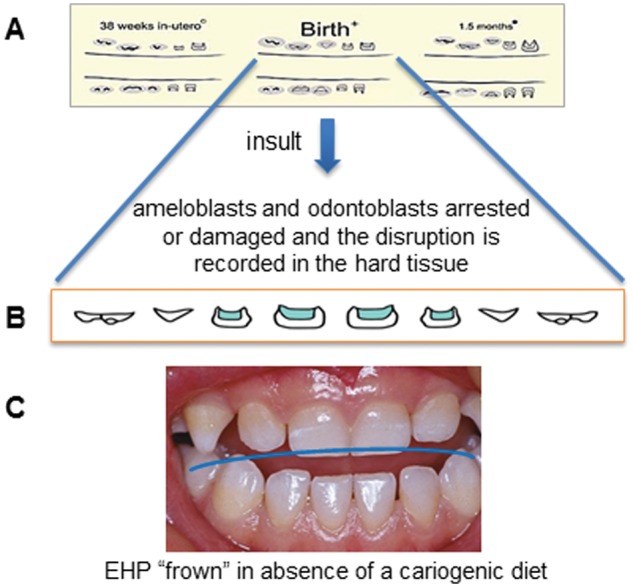
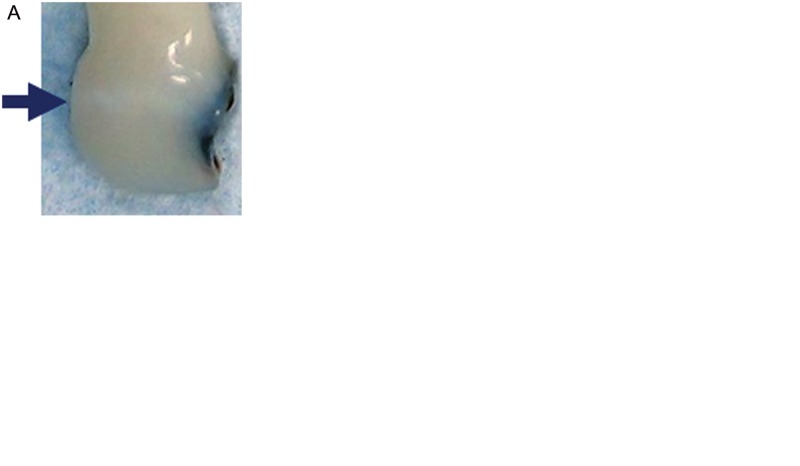
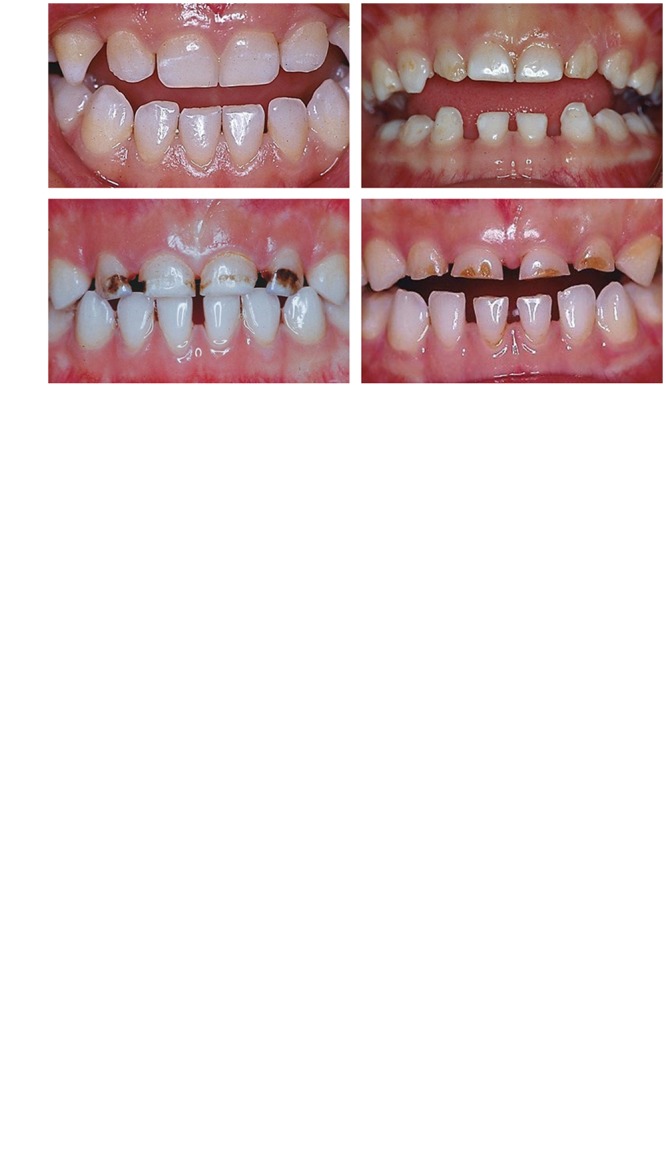

Comment in
-
Defining developmental enamel defect-associated childhood caries: where are we now?J Dent Res. 2012 Jun;91(6):525-7. doi: 10.1177/0022034512445634. Epub 2012 Apr 23. J Dent Res. 2012. PMID: 22529243 Review. No abstract available.
References
-
- AlQahtani SJ, Hector MP, Liversidge HM. (2010). Brief communication: the London atlas of human tooth development and eruption. Am J Phys Anthropol 142:481-490 - PubMed
-
- Alvarez JO, Caceda J, Woolley TW, Carley KW, Baiocchi N, Caravedo L, et al. (1993). A longitudinal study of dental caries in the primary teeth of children who suffered from infant malnutrition. J Dent Res 72:1573-1576 - PubMed
-
- American Academy of Pediatric Dentistry (2011). Policy on early childhood caries (ECC): classifications, consequences, and preventive strategies. http://www.aapd.org/media/policies_Guidelines/P_ECCClassifications.pdf - PubMed
-
- Berkowitz RJ, Turner J, Hughes C. (1984). Microbial characteristics of the human dental caries associated with prolonged bottle-feeding. Arch Oral Biol 29:949-951 - PubMed
Publication types
MeSH terms
Grants and funding
LinkOut - more resources
Full Text Sources
Medical
