


Cytotoxicity of silver dressings on diabetic fibroblasts
- PMID: 22533495
- PMCID: PMC7950609
- DOI: 10.1111/j.1742-481X.2012.00977.x
Cytotoxicity of silver dressings on diabetic fibroblasts
Abstract
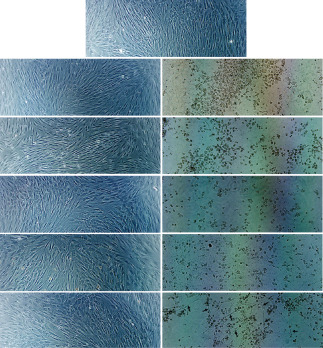
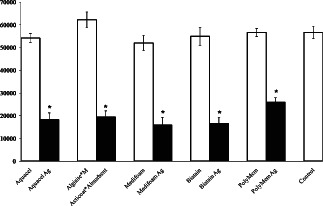
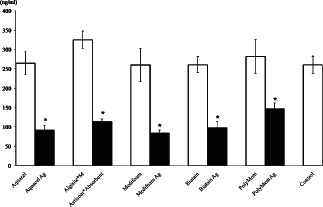
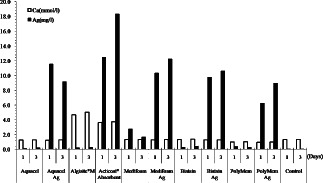
A large number of silver-based dressings are commonly used in the management of chronic wounds that are at risk of infection, including diabetic foot ulcers. However, there are still controversies regarding the toxicity of silver dressings on wound healing. The purpose of this study was to objectively test the cytotoxicity of silver dressings on human diabetic fibroblasts. Human diabetic fibroblasts were obtained from the foot skin of four diabetic foot ulcer patients and cultured. The effect of five silver-containing dressing products (Aquacel Ag, Acticoat*Absorbent, Medifoam Ag, Biatain Ag and PolyMem Ag) and their comparable silver-free dressing products on morphology, proliferation and collagen synthesis of the cultured human diabetic fibroblasts were compared in vitro. In addition, extracts of each dressing were tested in order to examine the effect of other chemical components found in the dressings on cytotoxicity. The diabetic fibroblasts cultured with each silver-free dressing adopted the typical dendritic and fusiform shape. On the other hand, the diabetic fibroblasts did not adopt this typical morphology when treated with the different silver dressings. All silver dressings tested in the study reduced the viability of the diabetic fibroblasts and collagen synthesis by 54-70 and 48-68%, respectively, when compared to silver-free dressings. Silver dressings significantly changed the cell morphology and decreased cell proliferation and collagen synthesis of diabetic fibroblasts. Therefore, silver dressings should be used with caution when treating diabetic wounds.
© 2012 The Authors. International Wound Journal © 2012 John Wiley & Sons Ltd and Medicalhelplines.com Inc.
Figures
Comment in
-
Cytotoxicity of silver dressings-time to rethink and react.Int Wound J. 2013 Oct;10(5):616. doi: 10.1111/iwj.12139. Epub 2013 Aug 6. Int Wound J. 2013. PMID: 23919756 Free PMC article. No abstract available.
References
-
- Russell AD, Hugo WB. Antimicrobial activity and action of silver. Prog Med Chem 1994;31:351–70. - PubMed
-
- Dunn K, Edwards‐Jones V. The role of Acticoat™ with nanocrystalline silver in the management of burns. Burns 2004;30:S1–S9. - PubMed
-
- Tomaselli N. The role of topical silver preparations in wound healing. J Wound Ostomy Continence Nurs 2006;33:367–80. - PubMed
-
- Hollinger MA. Toxicological aspects of topical silver pharmaceuticals. Crit Rev Toxicol 1996;26:225–60. - PubMed
-
- Wright B, Lam K, Buret A, Olson ME, Burrell RE. Early healing events in a porcine model of contaminated wounds: effects of nanocrystalline silver on matrix metalloproteinases, cell apoptosis, and healing. Wound Repair Regen 2002;10:141–51. - PubMed
Publication types
MeSH terms
Substances
LinkOut - more resources
Full Text Sources
Medical
