


Effectiveness of physiotherapy and GaAlAs laser in the management of temporomandibular joint disorders
- PMID: 22551049
- PMCID: PMC3339385
- DOI: 10.1089/pho.2011.3171
Effectiveness of physiotherapy and GaAlAs laser in the management of temporomandibular joint disorders
Abstract
Objective: Low-level laser therapy (LLLT) is a treatment method commonly used in physiotherapy for musculoskeletal disorders. The aim of this study was to monitor the function of temporomandibular joint (TMJ) and surrounding tissues and compare the objective measurements of the effect of LLLT.
Background data: LLLT has been considered effective in reducing pain and muscular tension; thus improving the quality of patients' lives.
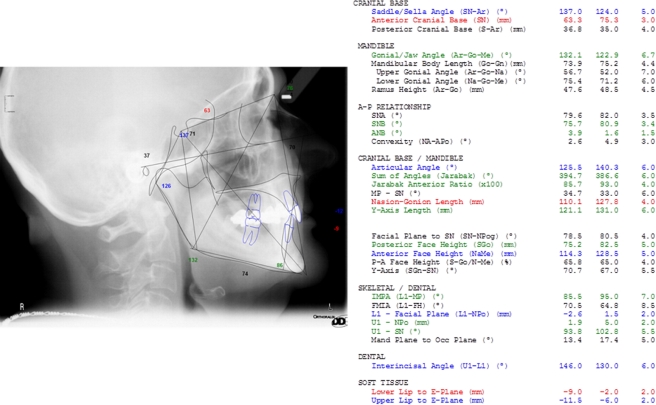
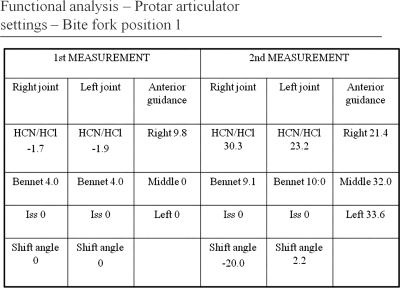
Materials and methods: TMJ function was evaluated by cephalometric tracing analysis, orthopantomogram, TMJ tomogram, and computer face-bow record. Interalveolar space between central incisors before and after therapy was measured. Patients evaluated pain on the Visual Analog Scale. LLLT was performed in five treatment sessions (energy density of 15.4 J/cm(2)) by semiconductive GaAlAs laser with an output of 280 mW, emitting radiation wavelength of 830 mm. The laser supplied a spot of ~0.2 cm(2).
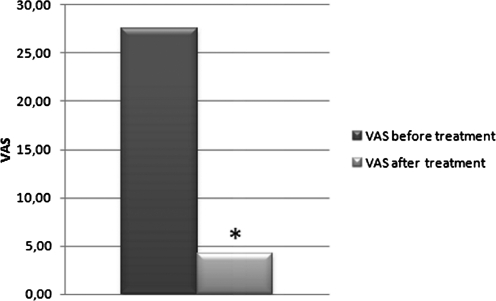
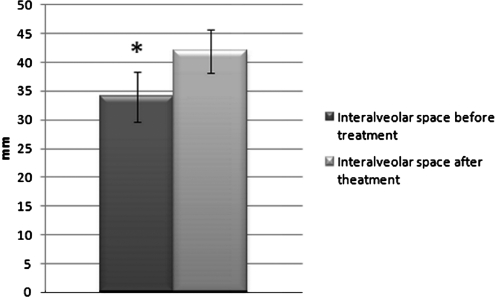
Results: Baseline comparisons between the healthy patients and patients with low-level laser application show that TMJ pain during function is based on anatomical and function changes in TMJ areas. Significant differences were seen in the posterior and anterior face height. The results comparing healthy and impaired TMJ sagittal condyle paths showed that patients with TMJ pain during function had significantly flatter nonanatomical movement during function. After therapy, the unpleasant feeling was reduced from 27.5 to 4.16 on the pain Visual Analog Scale. The pain had reduced the ability to open the mouth from 34 to 42 mm.
Conclusions: The laser therapy was effective in the improvement of the range of temporomandibular disorders (TMD) and promoted a significant reduction of pain symptoms.
Figures
References
-
- McNeill C. Temporomandibular disorders: guidelines for classification, assessment and management. Chicago: Quintessence Publishing Co., Inc; 1993.
-
- Dworkin S.F. LeResche L. Research diagnostic criteria for temporomandibular disorders: Review, criteria, examinations and specifications, criteria. J. Craniomandib. Disord. 1992;6:301–355. - PubMed
-
- Okeson J.P. Guidelines for assessment, diagnosis, and management. Chicago: Quintessence Publishing Co., Inc; 1996. Orofacial pain.
-
- Wilding R.J. Shaikh M. Muscle activity and jaw movements as predictors of chewing performance. J. Orofac. Pain. 1997;11:24–36. - PubMed
-
- Christensen L.V. Rassouli M.N. Experimental occlusal interferences. Part V. Mandibular rotations versus hemimandibular translations. J. Oral Rehabil. 1995;22:865–876. - PubMed
Publication types
MeSH terms
LinkOut - more resources
Full Text Sources
Medical
