


Unconscious relational inference recruits the hippocampus
- PMID: 22553020
- PMCID: PMC6622124
- DOI: 10.1523/JNEUROSCI.5639-11.2012
Unconscious relational inference recruits the hippocampus
Abstract
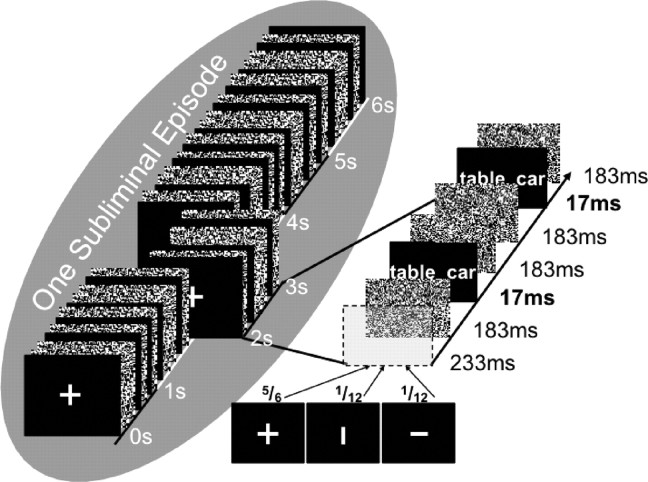
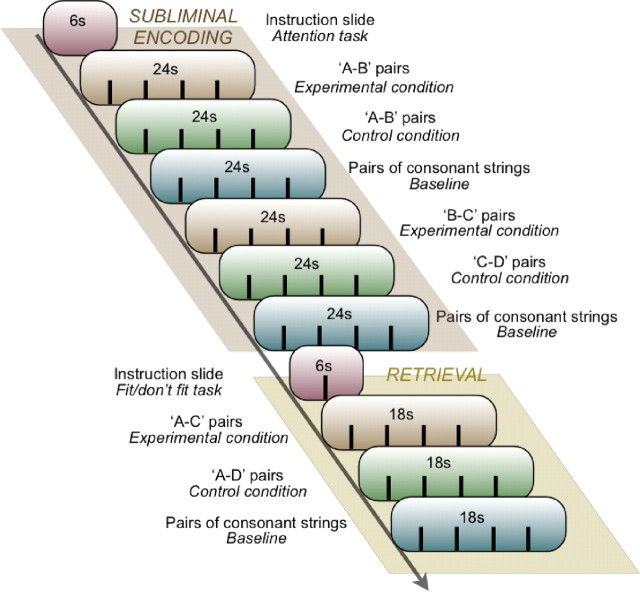
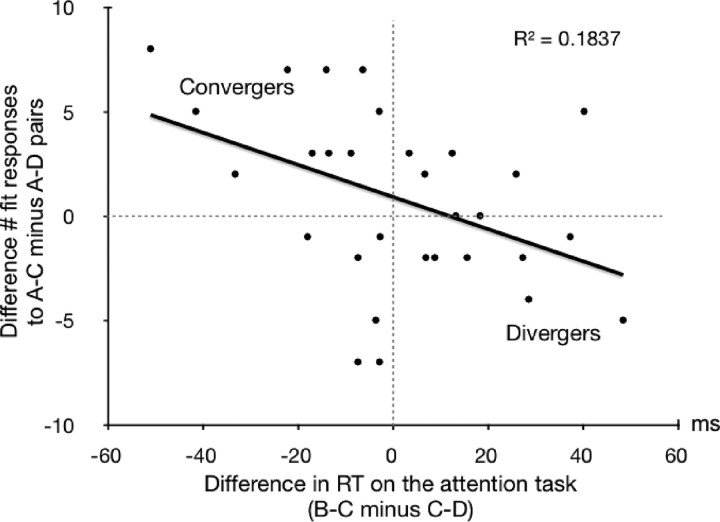
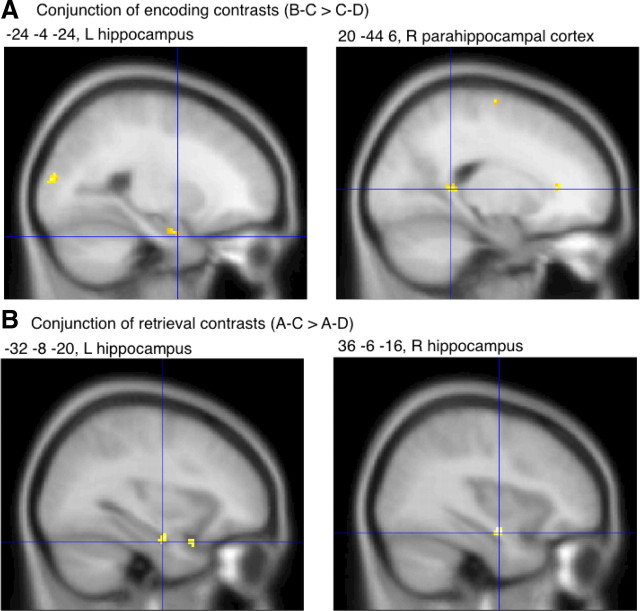
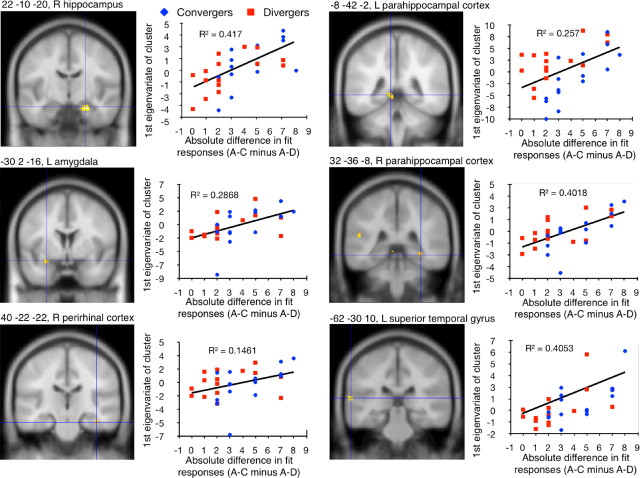
Relational inference denotes the capacity to encode, flexibly retrieve, and integrate multiple memories to combine past experiences to update knowledge and improve decision-making in new situations. Although relational inference is thought to depend on the hippocampus and consciousness, we now show in young, healthy men that it may occur outside consciousness but still recruits the hippocampus. In temporally distinct and unique subliminal episodes, we presented word pairs that either overlapped ("winter-red", "red-computer") or not. Effects of unconscious relational inference emerged in reaction times recorded during unconscious encoding and in the outcome of decisions made 1 min later at test, when participants judged the semantic relatedness of two supraliminal words. These words were either episodically related through a common word ("winter-computer" related through "red") or unrelated. Hippocampal activity increased during the unconscious encoding of overlapping versus nonoverlapping word pairs and during the unconscious retrieval of episodically related versus unrelated words. Furthermore, hippocampal activity during unconscious encoding predicted the outcome of decisions made at test. Hence, unconscious inference may influence decision-making in new situations.
Figures
References
-
- Biemann C, Bordag S, Heyer G, Quasthoff U, Wolf C. Language-independent methods for compiling monolingual lexical data. In: Gelbukh A, editor. Computational linguistics and intelligent text processing (Lecture notes in computer science, vol. 2945) Berlin/Heidelberg: Springer; 2004. pp. 217–228.
-
- Brown MW, Aggleton JP. Recognition memory: what are the roles of the perirhinal cortex and hippocampus? Nat Rev Neurosci. 2001;2:51–61. - PubMed
Publication types
MeSH terms
LinkOut - more resources
Full Text Sources
Miscellaneous
