Effect of filarial infection on serum inflammatory and atherogenic biomarkers in coronary artery disease (CURES-121)
- PMID: 22556082
- PMCID: PMC3335688
- DOI: 10.4269/ajtmh.2012.11-0773
Effect of filarial infection on serum inflammatory and atherogenic biomarkers in coronary artery disease (CURES-121)
Abstract
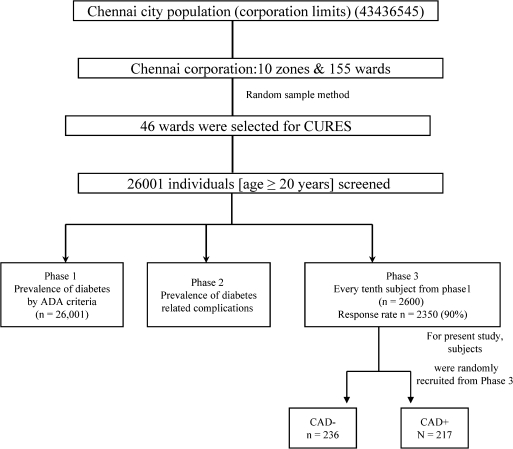
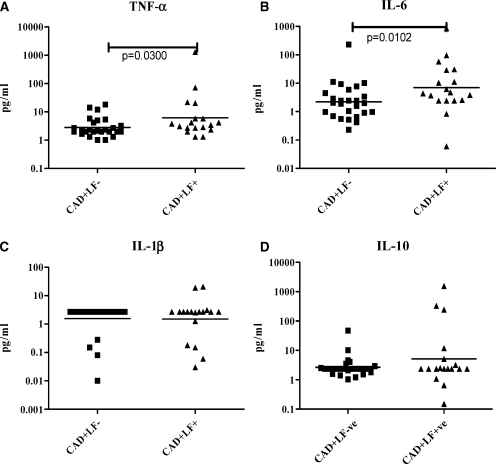
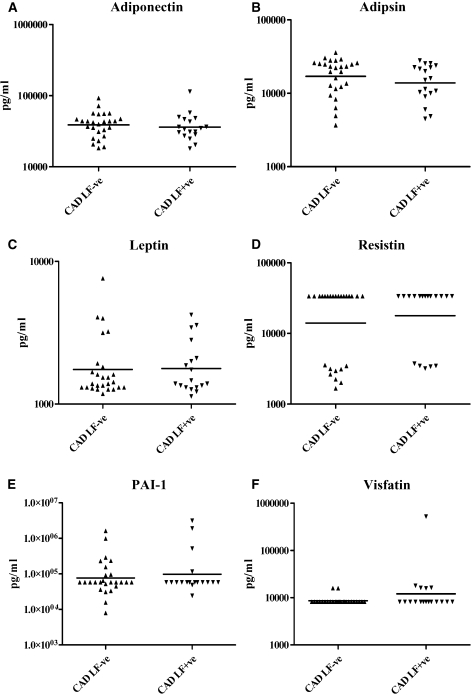
Helminth infections can potentially confer protection against metabolic disorders, possibly through immunomodulation. In this study, the baseline prevalence of lymphatic filariasis (LF) among subjects without (N = 236) and with (N = 217) coronary artery disease (CAD) was examined as part of the Chennai Urban Rural Epidemiological Study (CURES). The prevalence of LF was not significantly different between CAD(-) and CAD(+) subjects. The LF antigen load and antibody levels indicated comparable levels of infection and exposure between the groups. Within the CAD group, LF(+) and LF(-) subjects had no significant difference in the intimal medial thickness and high-sensitivity C-reactive protein values. However, LF infection was associated with augmented levels of tumor necrosis factor-α and interleukin-6 among CAD(+) subjects. The LF infection had no effect on serum adipocytokine profile. In conclusion, unlike type-2 diabetes, there is no association between the prevalence of LF and CAD and also no evidence of protective immunomodulation of LF infection on CAD in the Asian Indian population.
Figures
References
-
- Murray CJ, Lopez AD. Alternative projections of mortality and disability by cause 1990–2020: Global Burden of Disease Study. Lancet. 1997;349:1498–1504. - PubMed
-
- Gupta R, Misra A, Pais P, Rastogi P, Gupta VP. Correlation of regional cardiovascular disease mortality in India with lifestyle and nutritional factors. Int J Cardiol. 2006;108:291–300. - PubMed
-
- Nieto FJ. Viruses and atherosclerosis: a critical review of the epidemiologic evidence. Am Heart J. 1999;138:S453–S460. - PubMed
-
- Shah PK. Link between infection and atherosclerosis: who are the culprits: viruses, bacteria, both, or neither? Circulation. 2001;103:5–6. - PubMed
Publication types
MeSH terms
Substances
Grants and funding
LinkOut - more resources
Full Text Sources
Medical
Research Materials
Miscellaneous