


Erythropoietin in brain development and beyond
- PMID: 22567318
- PMCID: PMC3335485
- DOI: 10.1155/2012/953264
Erythropoietin in brain development and beyond
Abstract
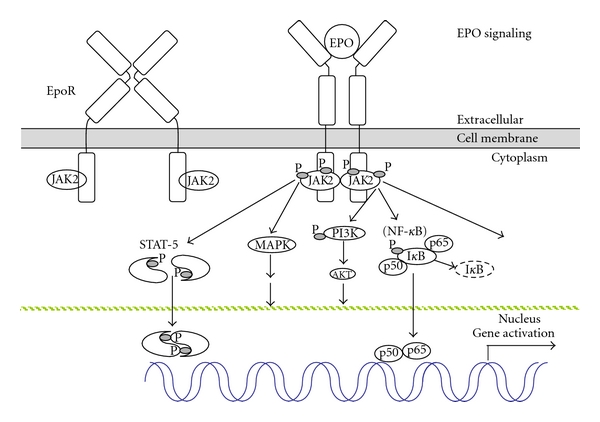
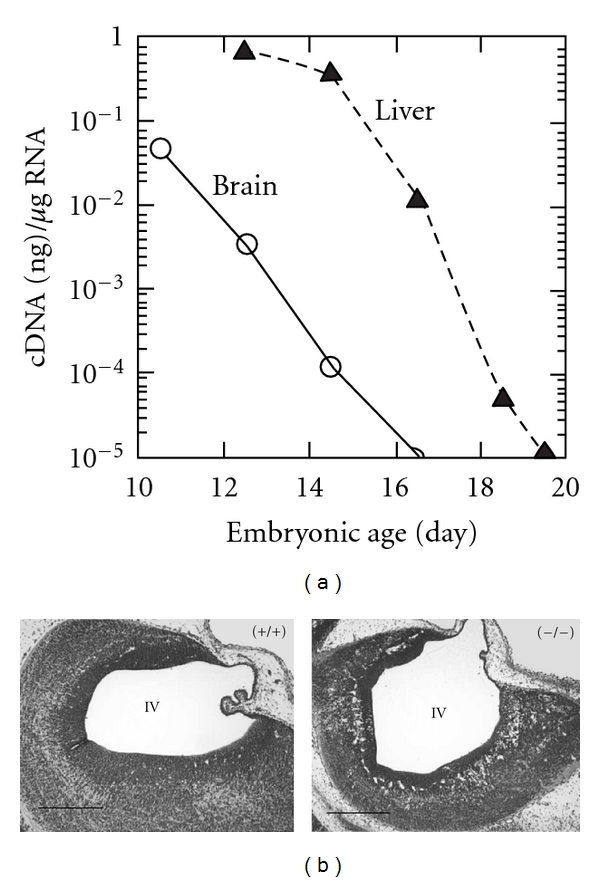
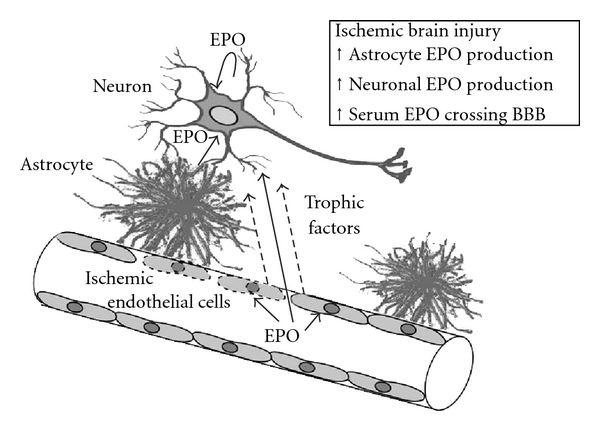
Erythropoietin is known as the requisite cytokine for red blood cell production. Its receptor, expressed at a high level on erythroid progenitor/precursor cells, is also found on endothelial, neural, and other cell types. Erythropoietin and erythropoietin receptor expression in the developing and adult brain suggest their possible involvement in neurodevelopment and neuroprotection. During ischemic stress, erythropoietin, which is hypoxia inducible, can contribute to brain homeostasis by increasing red blood cell production to increase the blood oxygen carrying capacity, stimulate nitric oxide production to modulate blood flow and contribute to the neurovascular response, or act directly on neural cells to provide neuroprotection as demonstrated in culture and animal models. Clinical studies of erythropoietin treatment in stroke and other diseases provide insight on safety and potential adverse effects and underscore the potential pleiotropic activity of erythropoietin. Herein, we summarize the roles of EPO and its receptor in the developing and adult brain during health and disease, providing first a brief overview of the well-established EPO biology and signaling, its hypoxic regulation, and role in erythropoiesis.
Figures
References
-
- Jacobs K, Shoemaker C, Rudersdorf R. Isolation and characterization of genomic and cDNA clones of human erythropoietin. Nature. 1985;313(6005):806–810. - PubMed
-
- Lai P-H, Everett R, Wang F-F. Structural characterization of human erythropoietin. Journal of Biological Chemistry. 1986;261(7):3116–3121. - PubMed
-
- Sasaki H, Bothner B, Dell A, Fukuda M. Carbohydrate structure of erythropoietin expressed in Chinese hamster ovary cells by a human erythropoietin cDNA. Journal of Biological Chemistry. 1987;262(25):12059–12076. - PubMed
-
- Fukuda MN, Sasaki H, Lopez L, Fukuda M. Survival of recombinant erythropoietin in the circulation: the role of carbohydrates. Blood. 1989;73(1):84–89. - PubMed
LinkOut - more resources
Full Text Sources
Research Materials
