


Gender differences in psychological morbidity and treatment in intensive care survivors--a cohort study
- PMID: 22578016
- PMCID: PMC3580623
- DOI: 10.1186/cc11338
Gender differences in psychological morbidity and treatment in intensive care survivors--a cohort study
Abstract
Introduction: Many hospitals have initiated follow-up to facilitate rehabilitation after critical illness and intensive care, although the efficacy of such an intervention is uncertain. Studies in trauma research indicate significant differences in psychological reactions to traumatic events between men and women. Our aim, in a quasi-experimental design, was to compare psychological morbidity and treatment effects between men and women enrolled in a multidisciplinary intensive care unit (ICU) follow-up programme (follow-up group) and ICU patients not offered such follow-up (control group).
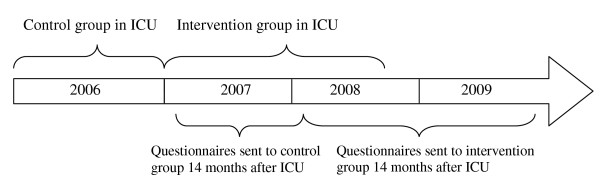
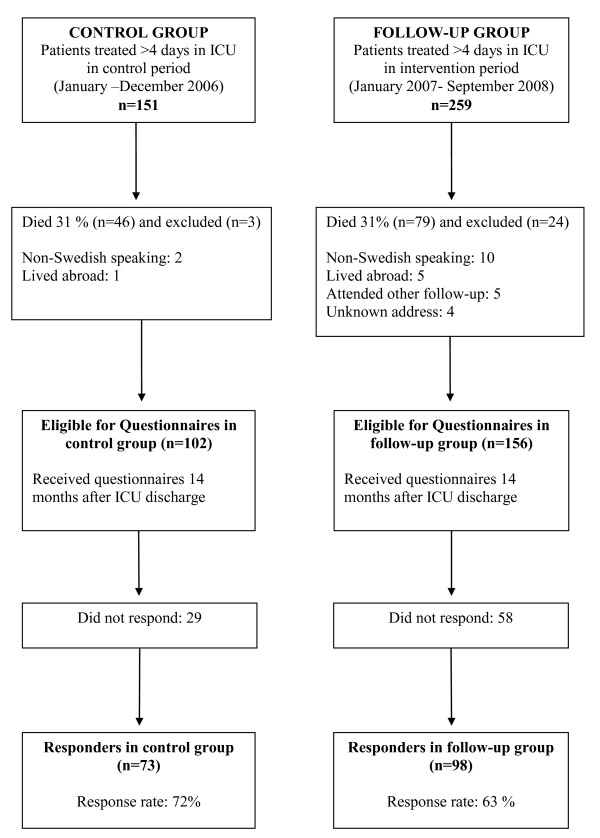
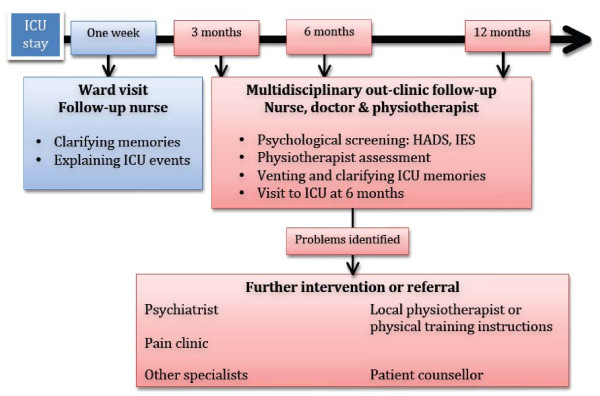
Methods: Men and women treated more than four days in the ICU in 2006, before ICU follow-up started, were compared with men and women treated in 2007 and 2008, when all patients with an ICU stay of more than four days were offered ICU follow-up at 3, 6 and 12 months post-ICU. Fourteen months after ICU discharge, psychological problems were measured with Impact of Event Scale (IES) for posttraumatic stress and Hospital Anxiety and Depression Scale (HADS) for anxiety and depression.
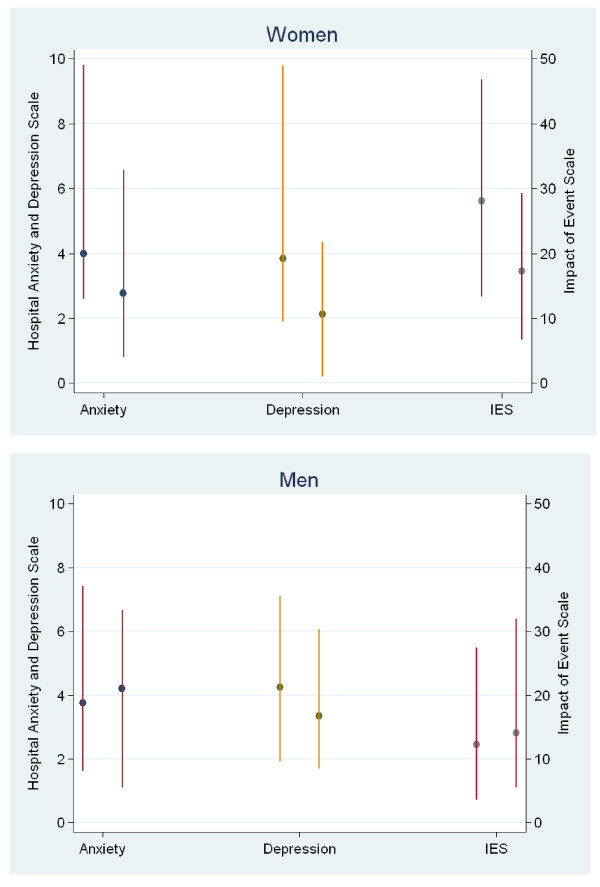
Results: Women with no follow-up reported significantly higher IES scores than men. Women in the follow-up group reported significantly lower IES scores compared to women in the control group, both in crude analysis and after adjusting for significant confounders/predictors (age, ICU length of stay and previous psychological problems). Furthermore, the 75th percentile for IES and HADS-Depression scores (high scores and degree of symptoms of psychological problems) in women in the follow-up group was lower than in those without follow-up (IES: -17.4 p, P <.01, HADS-depression: -4.9 p, P <.05). For men, no significant differences were found between the no follow-up and the follow-up group.
Conclusion: Psychological problems after critical illness and intensive care appear to be more common in women than in men. A multidisciplinary ICU follow-up may reduce the incidence of long-term symptoms of posttraumatic stress and depression for women.
Figures
References
-
- Desai SV, Law TJ, Needham DM. Long-term complications of critical care. Crit Care Med. 2010;39:371–379. - PubMed
-
- Girard TD, Shintani AK, Jackson JC, Gordon SM, Pun BT, Henderson MS, Dittus RS, Bernard GR, Ely EW. Risk factors for post-traumatic stress disorder symptoms following critical illness requiring mechanical ventilation: a prospective cohort study. Crit Care. 2007;11:R28. doi: 10.1186/cc5708. - DOI - PMC - PubMed
-
- Norris FH, Foster RG, Weishaar DL. In: Gender and PTSD. Kimerling R, Ouimette P, Wolfe J, editor. New York, NY: The Guilford Press; 2002. The epidemiology of sex differences in PTSD across developmental, societal, and research contexts; pp. 3–42.
