


Ventricular assist device implantation corrects myocardial lipotoxicity, reverses insulin resistance, and normalizes cardiac metabolism in patients with advanced heart failure
- PMID: 22586279
- PMCID: PMC3464497
- DOI: 10.1161/CIRCULATIONAHA.111.060889
Ventricular assist device implantation corrects myocardial lipotoxicity, reverses insulin resistance, and normalizes cardiac metabolism in patients with advanced heart failure
Abstract
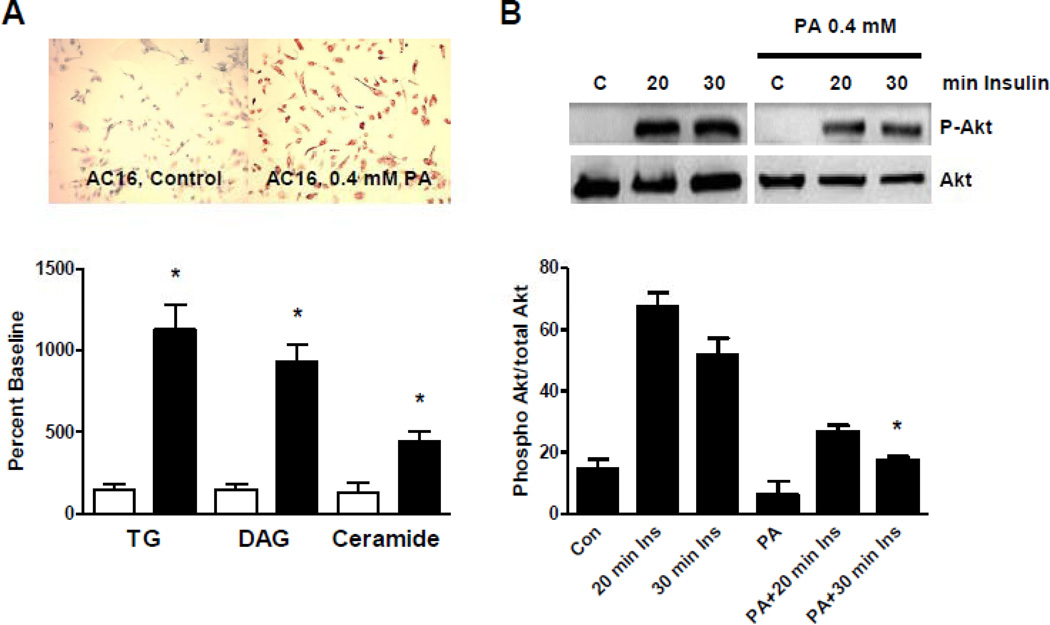
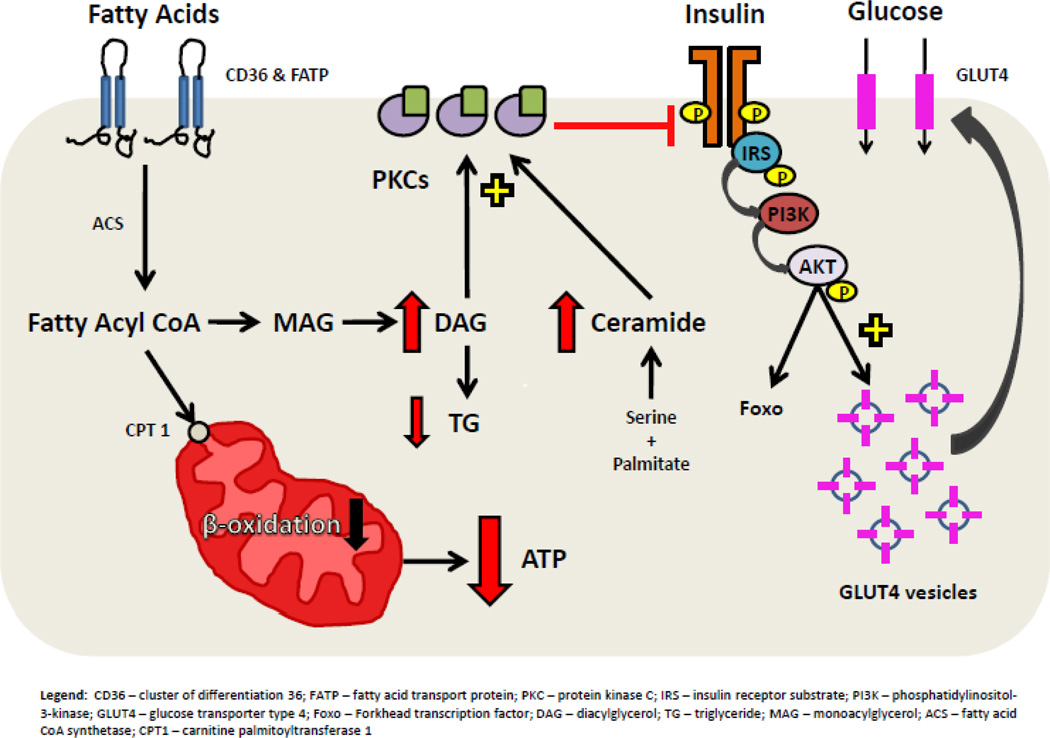
Background: Heart failure is associated with impaired myocardial metabolism with a shift from fatty acids to glucose use for ATP generation. We hypothesized that cardiac accumulation of toxic lipid intermediates inhibits insulin signaling in advanced heart failure and that mechanical unloading of the failing myocardium corrects impaired cardiac metabolism.
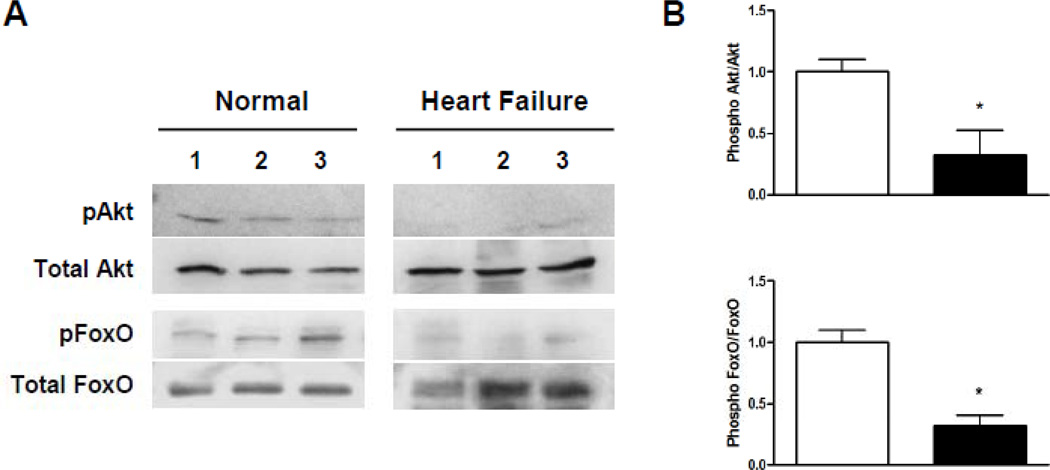
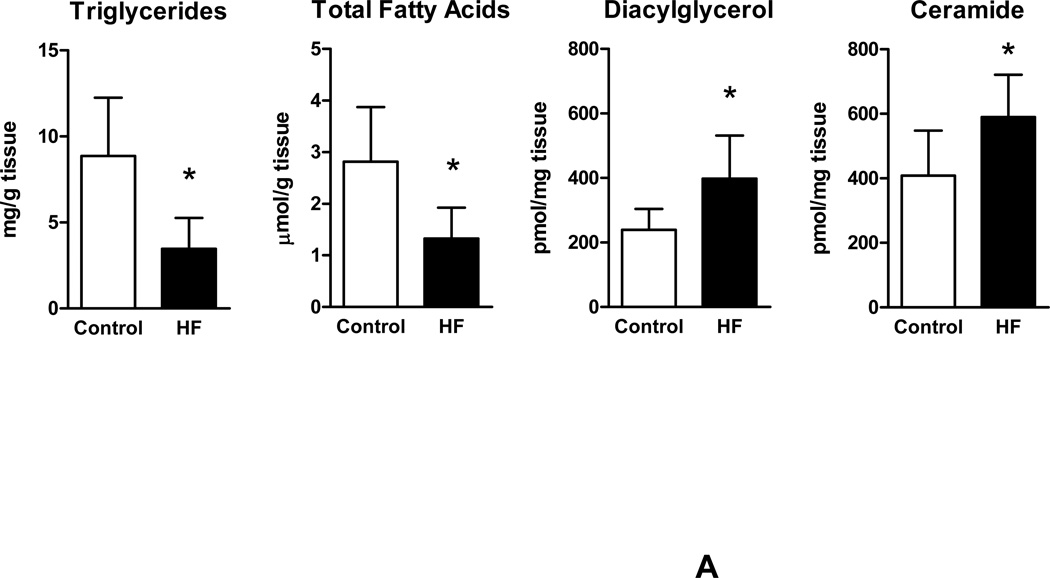
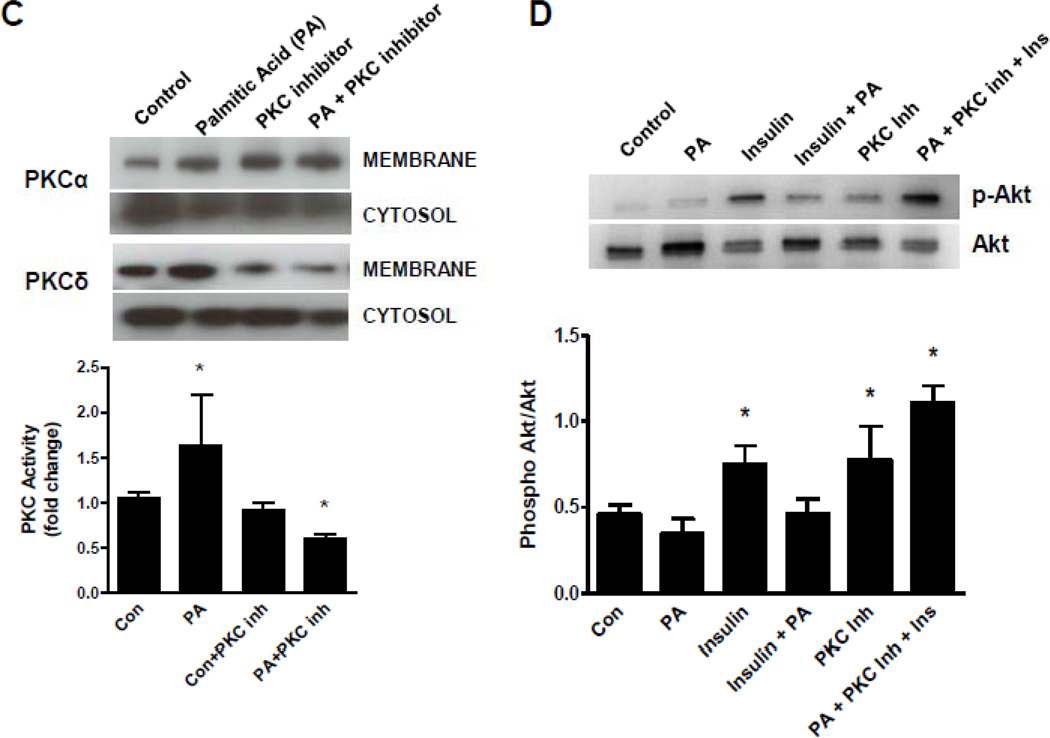
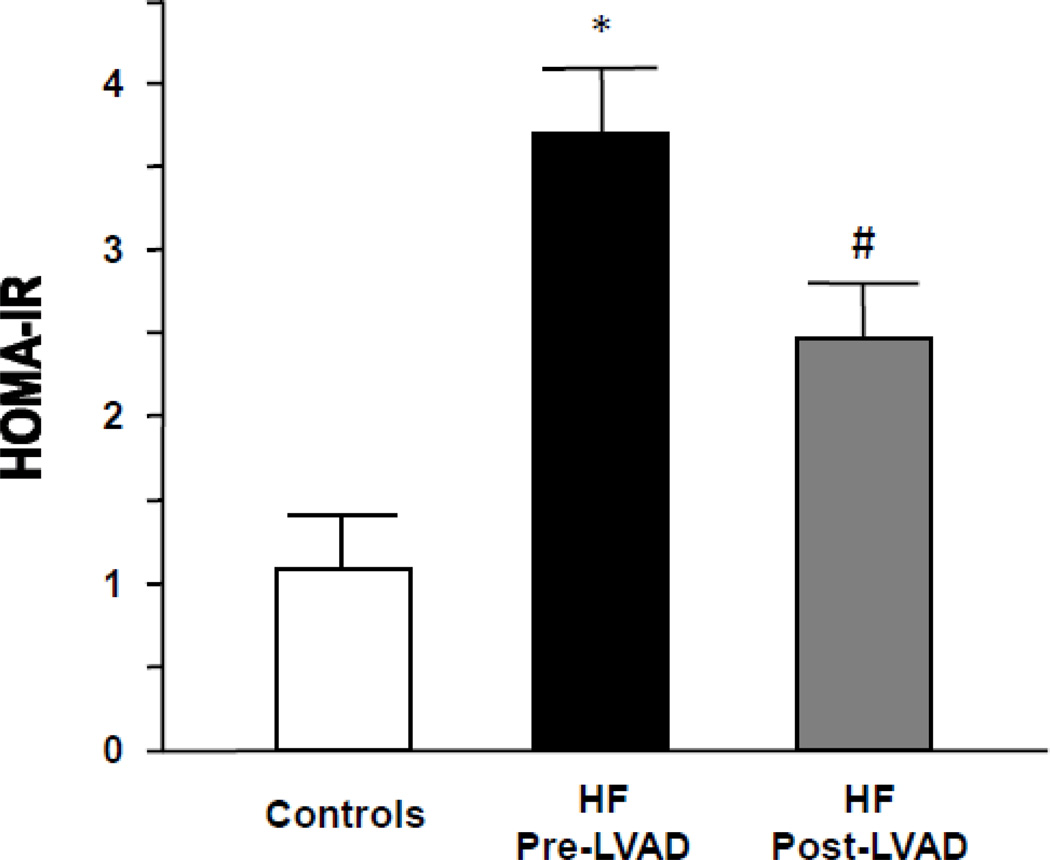
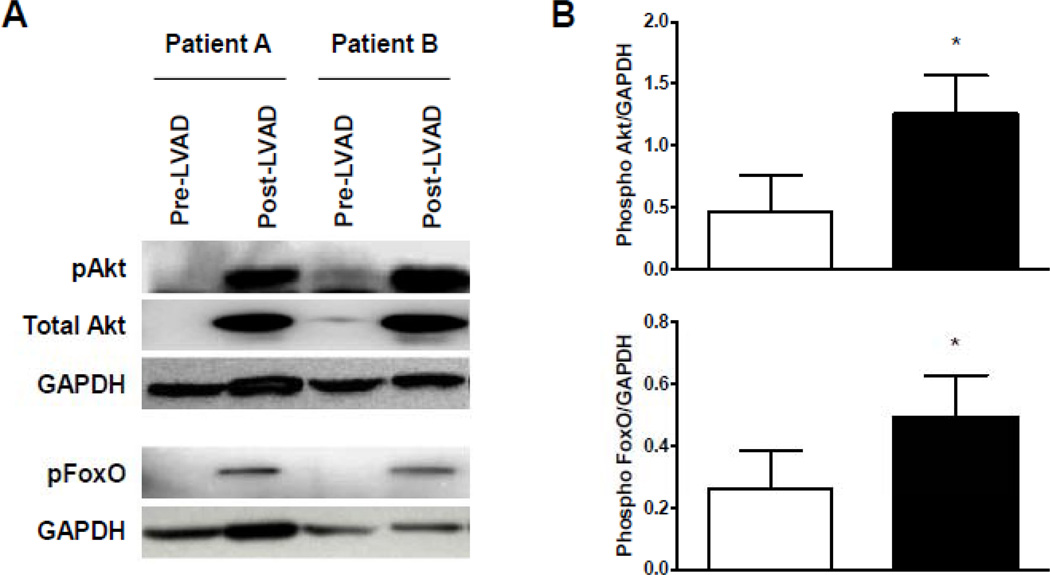
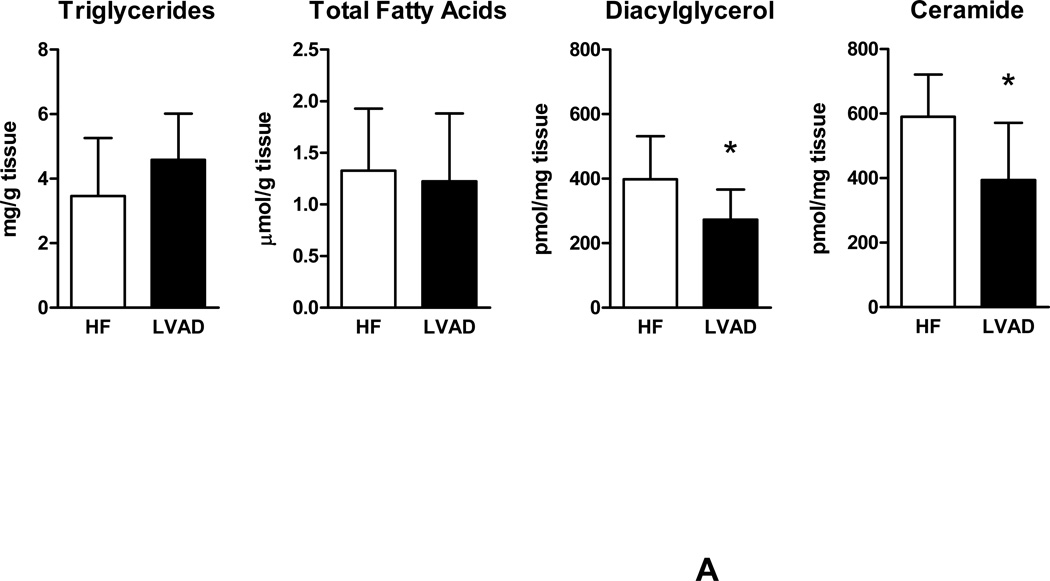
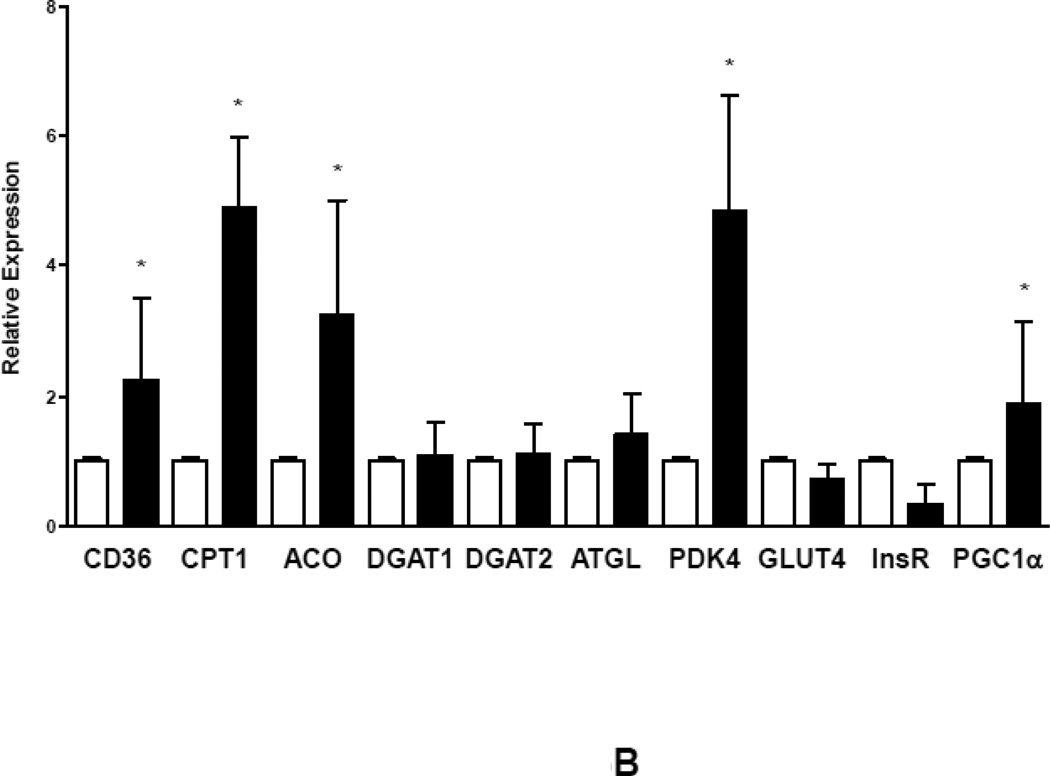
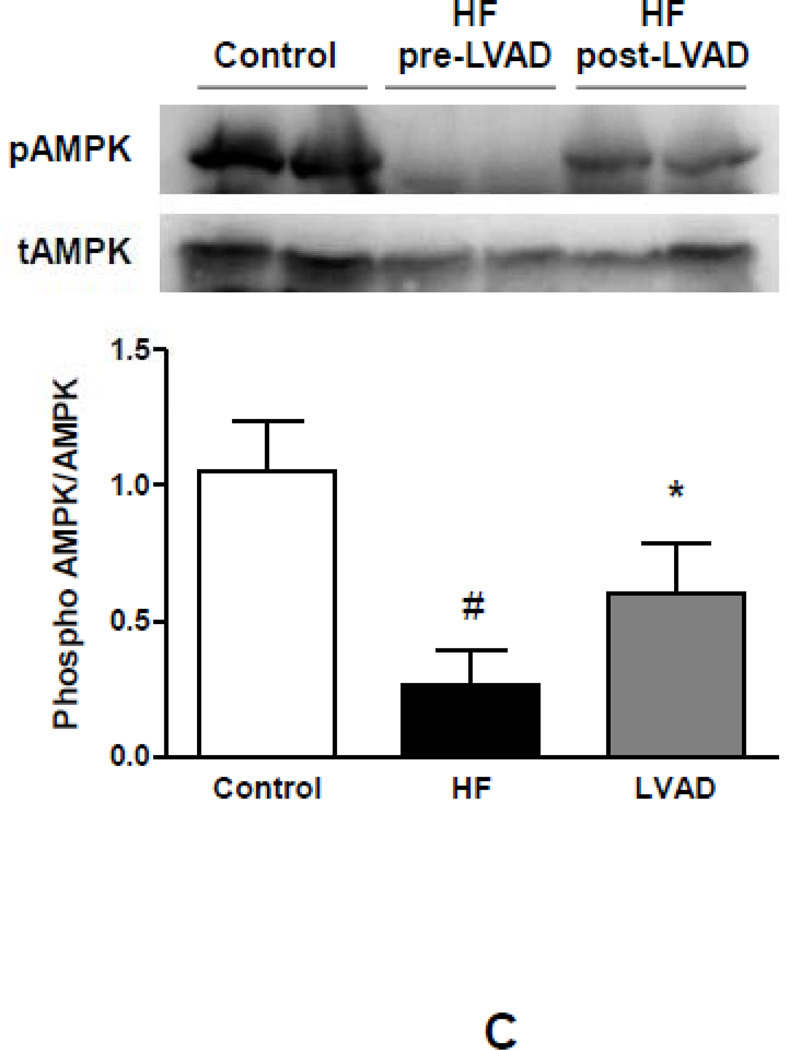
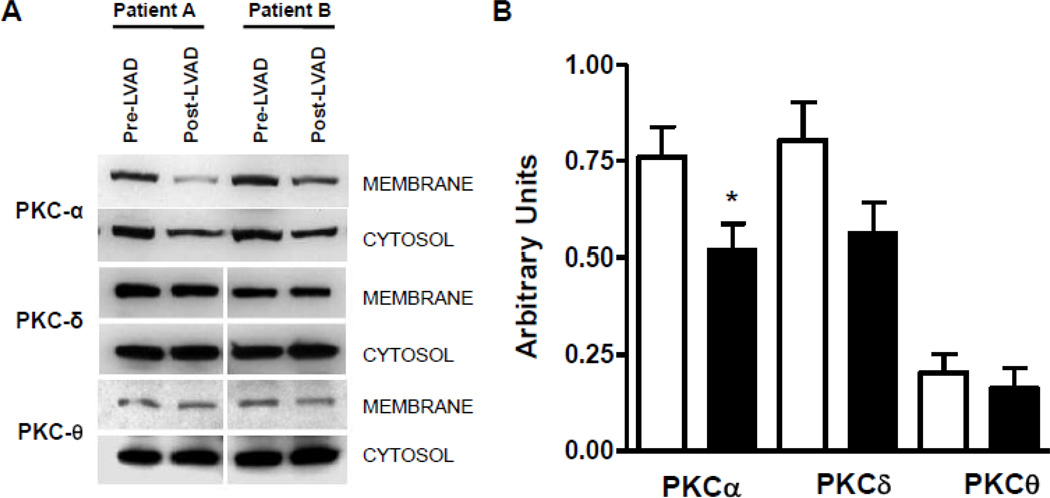
Methods and results: We analyzed the myocardium and serum of 61 patients with heart failure (body mass index, 26.5±5.1 kg/m(2); age, 51±12 years) obtained during left ventricular assist device implantation and at explantation (mean duration, 185±156 days) and from 9 control subjects. Systemic insulin resistance in heart failure was accompanied by decreased myocardial triglyceride and overall fatty acid content but increased toxic lipid intermediates, diacylglycerol, and ceramide. Increased membrane localization of protein kinase C isoforms, inhibitors of insulin signaling, and decreased activity of insulin signaling molecules Akt and Foxo were detectable in heart failure compared with control subjects. Left ventricular assist device implantation improved whole-body insulin resistance (homeostatic model of analysis-insulin resistance, 4.5±0.6-3.2±0.5; P<0.05) and decreased myocardial levels of diacylglycerol and ceramide, whereas triglyceride and fatty acid content remained unchanged. Improved activation of the insulin/phosphatidylinositol-3 kinase/Akt signaling cascade after left ventricular assist device implantation was confirmed by increased phosphorylation of Akt and Foxo, which was accompanied by decreased membrane localization of protein kinase C isoforms after left ventricular assist device implantation.
Conclusions: Mechanical unloading after left ventricular assist device implantation corrects systemic and local metabolic derangements in advanced heart failure, leading to reduced myocardial levels of toxic lipid intermediates and improved cardiac insulin signaling.
Conflict of interest statement
Figures
Comment in
-
Chronic heart failure: a reversible metabolic syndrome?Circulation. 2012 Jun 12;125(23):2809-11. doi: 10.1161/CIRCULATIONAHA.112.108316. Epub 2012 May 14. Circulation. 2012. PMID: 22586280 No abstract available.
References
-
- Hunter JJ, Chien KR. Signaling pathways for cardiac hypertrophy and failure. N Engl J Med. 1999;341:1276–1283. - PubMed
-
- Neubauer S. The failing heart--an engine out of fuel. N Engl J Med. 2007;356:1140–1151. - PubMed
-
- Tian R. Transcriptional regulation of energy substrate metabolism in normal and hypertrophied heart. Curr Hypertens Rep. 2003;5:454–458. - PubMed
-
- Ingwall JS. On substrate selection for atp synthesis in the failing human myocardium. Am J Physiol Heart Circ Physiol. 2007;293:H3225–H3226. - PubMed
-
- Razeghi P, Young ME, Alcorn JL, Moravec CS, Frazier OH, Taegtmeyer H. Metabolic gene expression in fetal and failing human heart. Circulation. 2001;104:2923–2931. - PubMed
Publication types
MeSH terms
Substances
Grants and funding
LinkOut - more resources
Full Text Sources
Other Literature Sources
Medical
