


Mechanisms, risk factors, and management of acquired long QT syndrome: a comprehensive review
- PMID: 22593664
- PMCID: PMC3347892
- DOI: 10.1100/2012/212178
Mechanisms, risk factors, and management of acquired long QT syndrome: a comprehensive review
Abstract
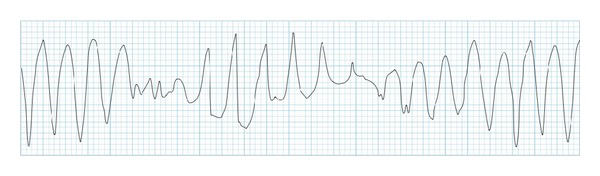
Long QT syndrome is characterized by prolongation of the corrected QT (QTc) interval on the surface electrocardiogram and is associated with precipitation of torsade de pointes (TdP), a polymorphic ventricular tachycardia that may cause sudden death. Acquired long QT syndrome describes pathologic excessive prolongation of the QT interval, upon exposure to an environmental stressor, with reversion back to normal following removal of the stressor. The most common environmental stressor in acquired long QT syndrome is drug therapy. Acquired long QT syndrome is an important issue for clinicians and a significant public health problem concerning the large number of drugs with this adverse effect with a potentially fatal outcome, the large number of patients exposed to these drugs, and our inability to predict the risk for a given individual. In this paper, we focus on mechanisms underlying QT prolongation, risk factors for torsades de pointes and describe the short- and long-term treatment of acquired long QT syndrome.
Figures
References
-
- Selzer A, Wray HW. Quinidine syncope. Paroxysmal ventricular fibrillation occurring during treatment of chronic atrial arrhythmias. Circulation. 1964;30:17–26. - PubMed
-
- Dessertenne F. Ventricular tachycardia with 2 variable opposing foci. Archives des Maladies du Coeur et des Vaisseaux. 1966;59(2):263–272. - PubMed
-
- Lasser KE, Allen PD, Woolhandler SJ, Himmelstein DU, Wolfe SM, Bor DH. Timing of new black box warnings and withdrawals for prescription medications. Journal of the American Medical Association. 2002;287(17):2215–2220. - PubMed
-
- Sadanaga T, Sadanaga F, Yao H, Fujishima M. An evaluation of ECG leads used to assess QT prolongation. Cardiology. 2006;105(3):149–154. - PubMed
-
- Indik JH, Pearson EC, Fried K, Woosley RL. Bazett and Fridericia QT correction formulas interfere with measurement of drug-induced changes in QT interval. Heart Rhythm. 2006;3(9):1003–1007. - PubMed
Publication types
MeSH terms
LinkOut - more resources
Full Text Sources
Other Literature Sources
