


Cancer vaccines targeting the epithelial-mesenchymal transition: tissue distribution of brachyury and other drivers of the mesenchymal-like phenotype of carcinomas
- PMID: 22595058
- PMCID: PMC3356569
- DOI: 10.1053/j.seminoncol.2012.02.005
Cancer vaccines targeting the epithelial-mesenchymal transition: tissue distribution of brachyury and other drivers of the mesenchymal-like phenotype of carcinomas
Abstract
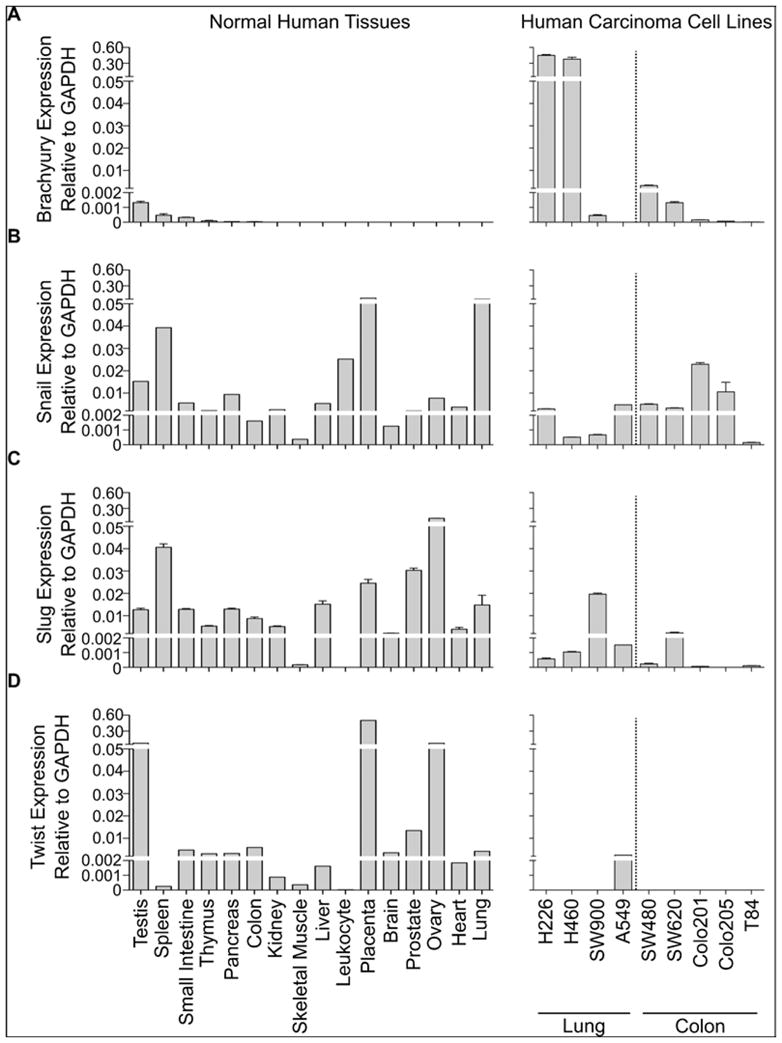
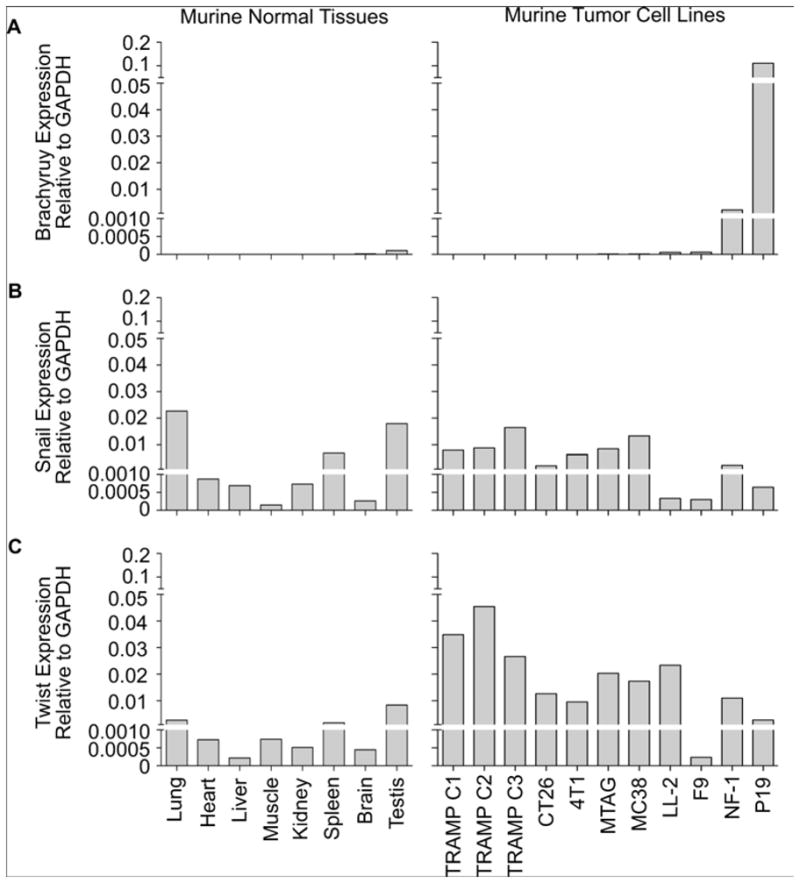
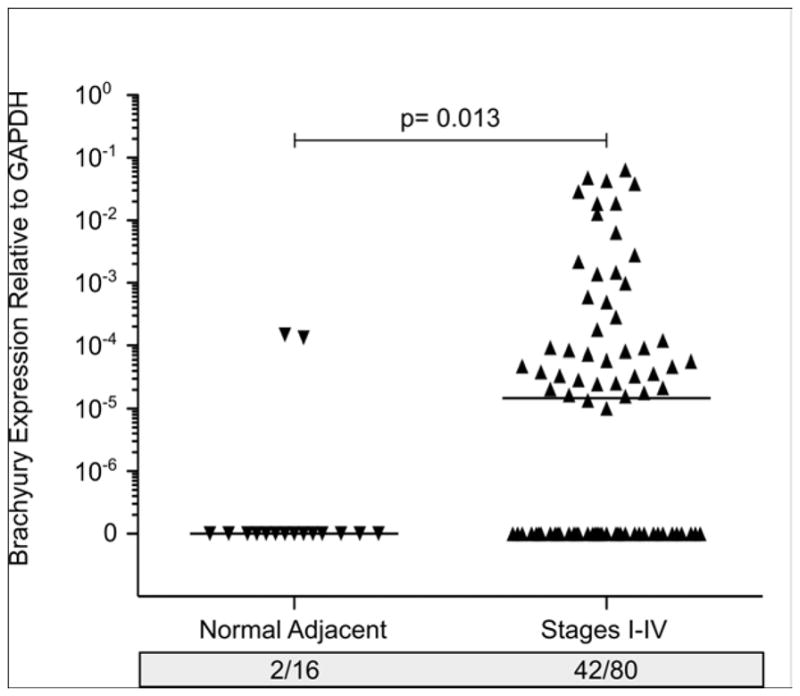
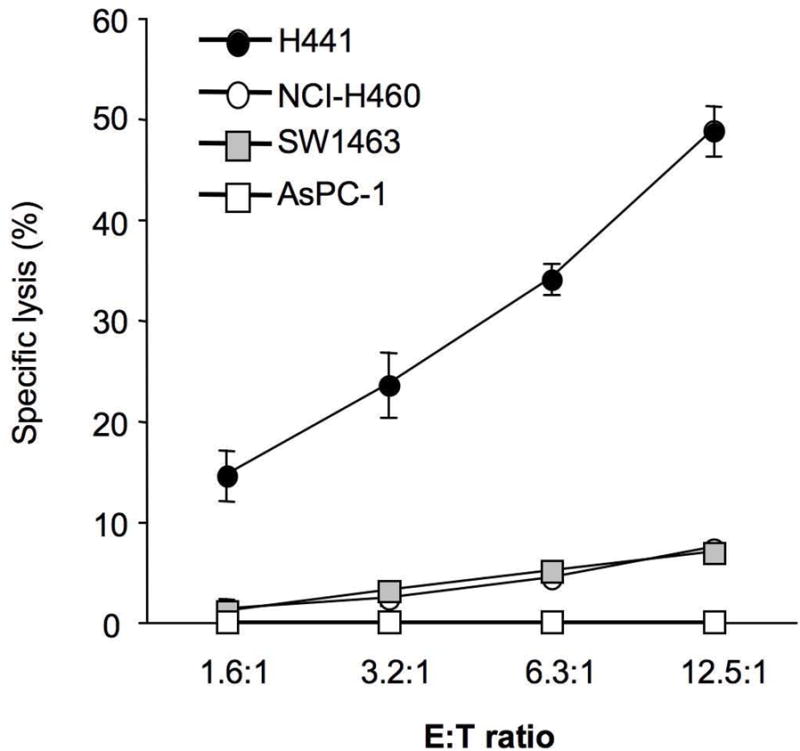
The epithelial-mesenchymal transition (EMT) is thought to be a critical step along the metastasis of carcinomas. In addition to gaining motility and invasiveness, tumor cells that undergo EMT also acquire increased resistance to many traditional cancer treatment modalities, including chemotherapy and radiation. As such, EMT has become an attractive, potentially targetable process for therapeutic interventions against tumor metastasis. The process of EMT is driven by a group of transcription factors designated as EMT transcription factors, such as Snail, Slug, Twist, and the recently identified T-box family member, Brachyury. In an attempt to determine which of these drivers of EMT is more amenable to targeted therapies and, in particular, T-cell-mediated immunotherapeutic approaches, we have examined their relative expression levels in a range of human and murine normal tissues, cancer cell lines, and human tumor biopsies. Our results demonstrated that Brachyury is a molecule with a highly restricted human tumor expression pattern. We also demonstrated that Brachyury is immunogenic and that Brachyury-specific CD8(+) T cells expanded in vitro are able to lyse Brachyury-positive tumor cells. We thus propose Brachyury as an attractive target for vaccination strategies designed to specifically target tumor cells undergoing EMT.
Published by Elsevier Inc.
Figures
References
-
- Thiery JP. Epithelial-mesenchymal transitions in tumour progression. Nat Rev Cancer. 2002;2(6):442–54. - PubMed
-
- Savagner P. Leaving the neighborhood: molecular mechanisms involved during epithelial-mesenchymal transition. Bioessays. 2001;23(10):912–23. - PubMed
-
- Thiery JP, Sleeman JP. Complex networks orchestrate epithelial-mesenchymal transitions. Nat Rev Mol Cell Biol. 2006;7(2):131–42. - PubMed
-
- Onder TT, Gupta PB, Mani SA, Yang J, Lander ES, Weinberg RA. Loss of E-cadherin promotes metastasis via multiple downstream transcriptional pathways. Cancer Res. 2008;68(10):3645–54. - PubMed
Publication types
MeSH terms
Substances
Grants and funding
LinkOut - more resources
Full Text Sources
Other Literature Sources
Research Materials
