


First record of autochthonous canine leishmaniasis in Hungary
- PMID: 22607079
- PMCID: PMC3398396
- DOI: 10.1089/vbz.2011.0906
First record of autochthonous canine leishmaniasis in Hungary
Abstract
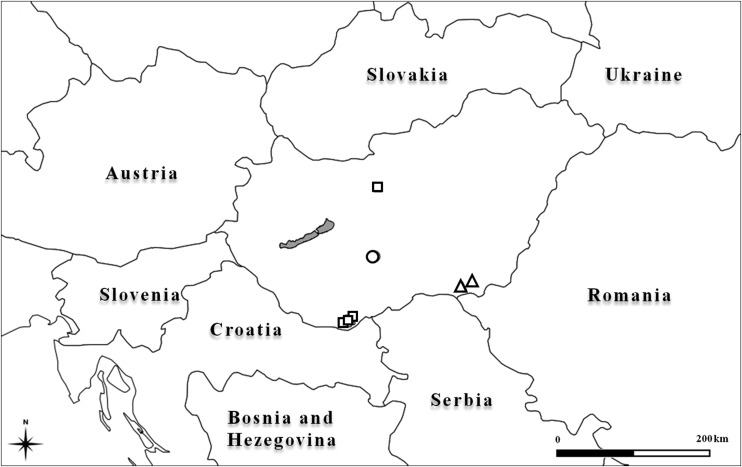
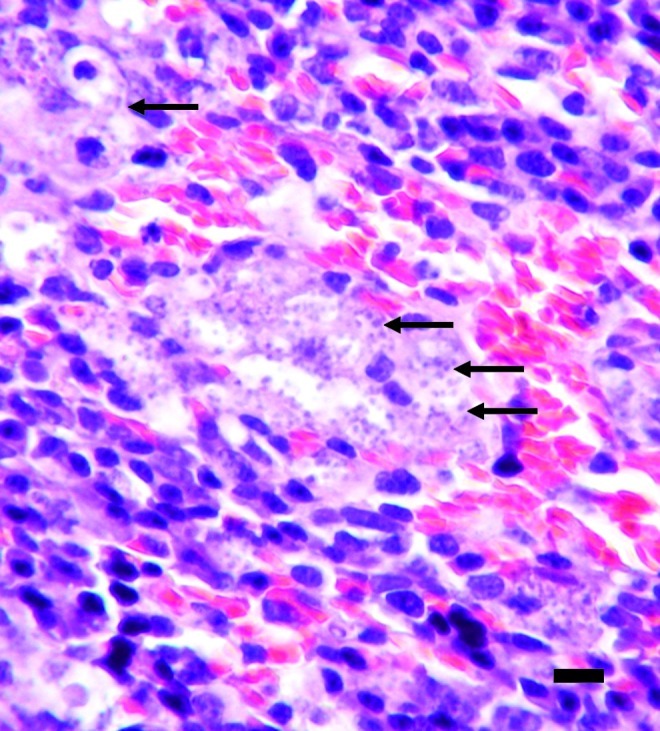
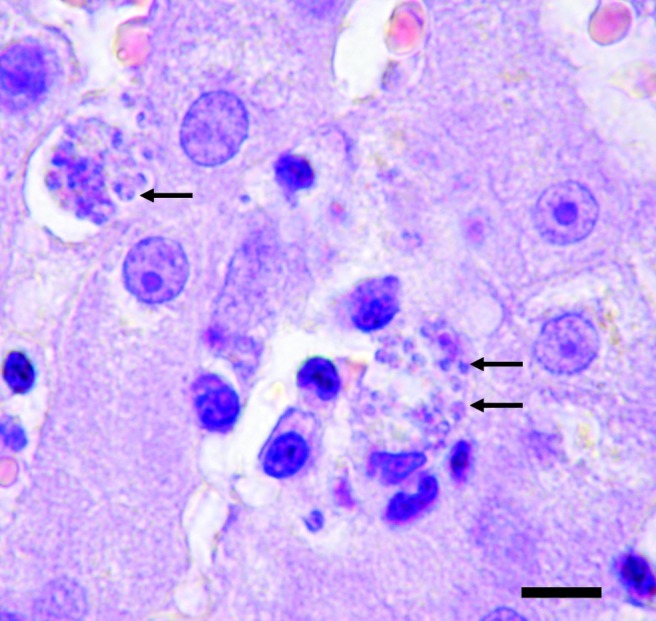
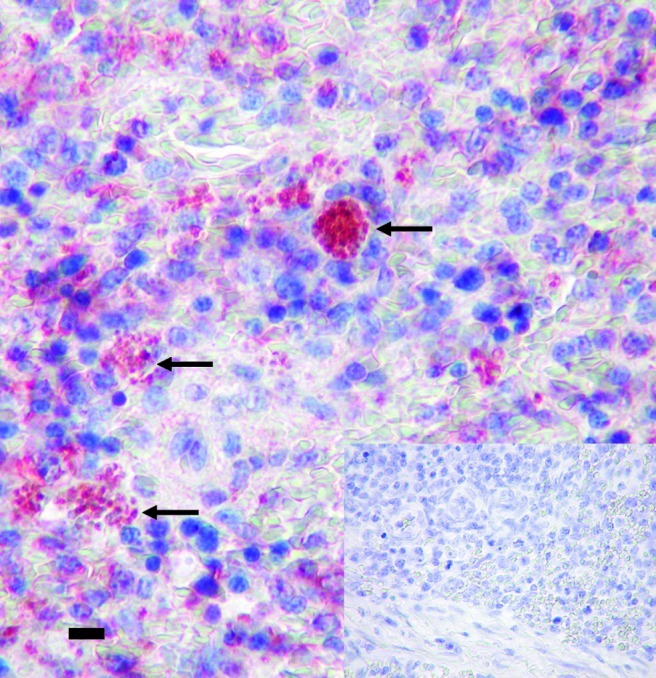
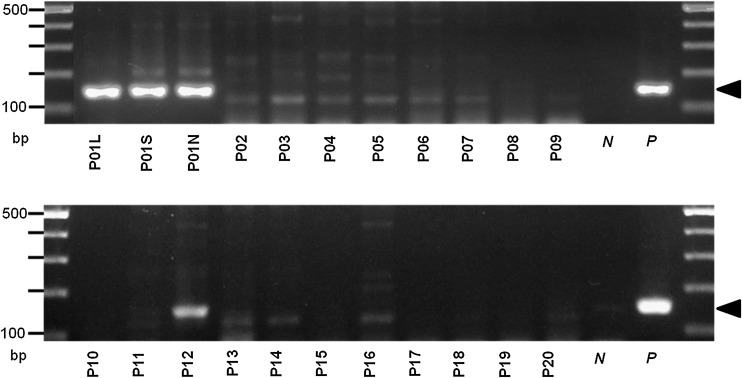
Hungary is traditionally regarded as a leishmaniasis-free country, and human or canine cases diagnosed locally have been recorded as imported. However, recent entomological surveys have verified the presence in Hungary of Phlebotomus neglectus and Phlebotomus perfiliewi perfiliewi, which have been incriminated as competent vectors of Leishmania infantum elsewhere in Europe. Following the occurrence in October 2007 of an undisputable clinical case of L. infantum canine leishmaniasis (CanL) in a 4-year-old female pug in a kennel of 20 dogs in Tolna province, an investigation was performed to assess the infection status in that canine population and to search for putative phlebotomine vectors. Another female pug became sick during the study period (May-November 2008) and L. infantum was confirmed as the causative agent. The other animals appeared clinically healthy; however, 4 additional dogs were found positive by indirect fluorescent antibody test (2 dogs), or by buffy-coat PCR (1 dog), or by both methods (1 dog). Hence the overall Leishmania infection prevalence in the kennel was 30% (6/20). All dogs were born in the same place and had been always kept outdoors. They had neither been abroad nor received a blood transfusion. No sand flies were collected with CDC Standard Miniature Light traps, Mosquito Magnet(®) X (MMX) dry ice-baited traps, or sticky traps placed either in or around the kennel and at nearby chicken yards during July and August of 2008 and 2009. Considering the dogs' historical background and the failure to trap any sand fly vectors in the kennel area, the origin of CanL in this site remains unexplained.
Figures
References
-
- Bosnić S. Gradoni L. Khoury C, et al. A review of leishmaniasis in Dalmatia (Croatia) and results from recent surveys on phlebotomine sand flies in three southern counties. Acta Trop. 2006;99:42–49. - PubMed
-
- Criado-Fornelio A. Gutierrez-Garcia L. Rodriguez-Caabeiro F, et al. A parasitological survey of wild red foxes (Vulpes vulpes) from the province of Guadalajara, Spain. Vet Parasitol. 2000;92:245–251. - PubMed
-
- Farkas R. Tánczos B. Bongiorno G, et al. First surveys to investigate the presence of canine leishmaniasis and its phlebotomine vectors in Hungary. Vector Borne Zoonotic Dis. 2011;11:823–834. - PubMed
Publication types
MeSH terms
Substances
LinkOut - more resources
Full Text Sources
