Safety, tolerability and pharmacokinetics of single and multiple doses of a novel sigma-1 receptor antagonist in three randomized phase I studies
- PMID: 22607269
- PMCID: PMC3555050
- DOI: 10.1111/j.1365-2125.2012.04333.x
Safety, tolerability and pharmacokinetics of single and multiple doses of a novel sigma-1 receptor antagonist in three randomized phase I studies
Abstract
Aim: To assess the safety, tolerability, pharmacodynamics and pharmacokinetics in healthy subjects of a novel, highly selective, sigma-1 receptor antagonist (S1RA).
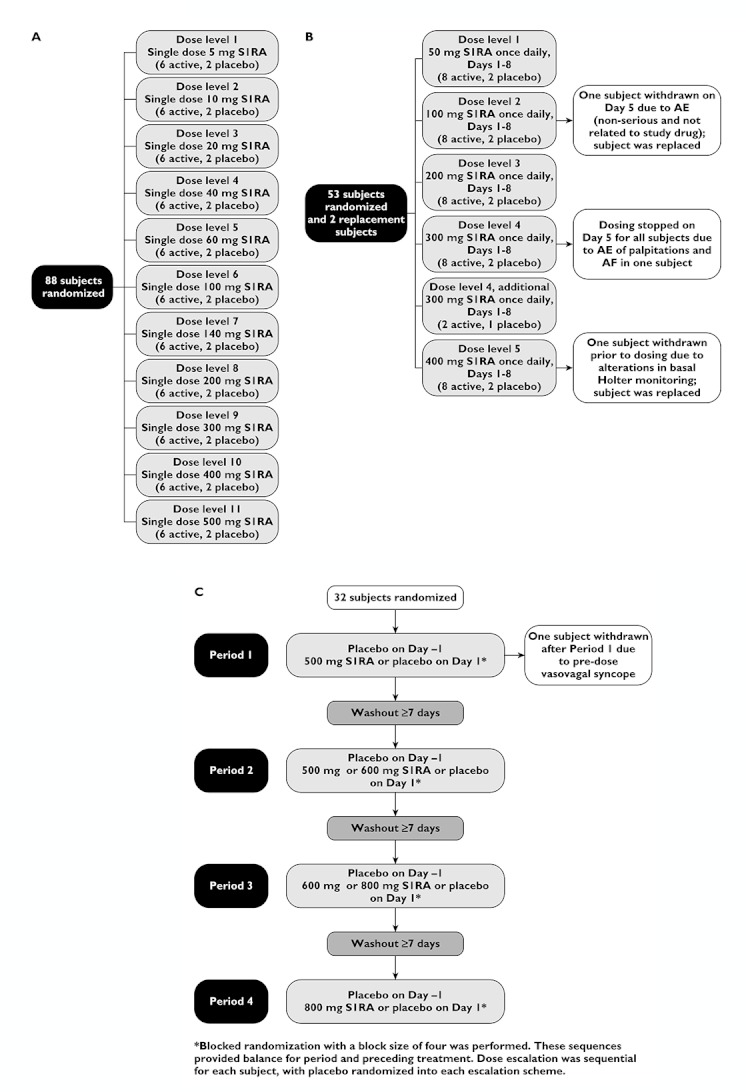
Methods: Three randomized, double-blind, placebo-controlled trials evaluated single oral doses (5-500 mg, study 101; 500-800 mg, study 106) and multiple doses (50-400 mg once daily for 8 days, study 102) of S1RA. Safety and tolerability were assessed by adverse event reporting, clinical laboratory, physical examinations, vital signs and electrocardiography, including Holter monitoring. Pharmacodynamic assessments included computerized cognitive testing. Plasma samples were analyzed using validated HPLC-MS/MS methods.
Results: One hundred and seventy-five subjects were enrolled. Single and multiple doses were safe and well tolerated, with no serious adverse events. The most common side effects were headache and dizziness. The highest single doses were associated with some mild to moderate transient CNS effects. The maximum tolerated dose was not reached. There were no clinically significant changes in the electrocardiogram (ECG), 24 h Holter monitoring, or in vital signs and laboratory assessments. Subjective CNS pharmacodynamics evaluations showed no relevant differences vs. placebo. Cognitive testing showed no effects on visual memory, executive function, attention or somnolence, while revealing some transient slowing of response for simple reaction time and choice reaction time at 2 h following the administration of higher doses. A fast absorption, rapid distribution and slow elimination were observed (t(max) 0.75-2.0 h, t(1/2) compatible with once a day administration) and steady-state was reached. No gender differences were observed.
Conclusions: S1RA exhibited an acceptable safety, tolerability, pharmacodynamic and pharmacokinetic profile in healthy subjects over the dose range studied.
© 2012 LABORATORIOS DR. ESTEVE, S. A.. British Journal of Clinical Pharmacology © 2012 The British Pharmacological Society.
Figures
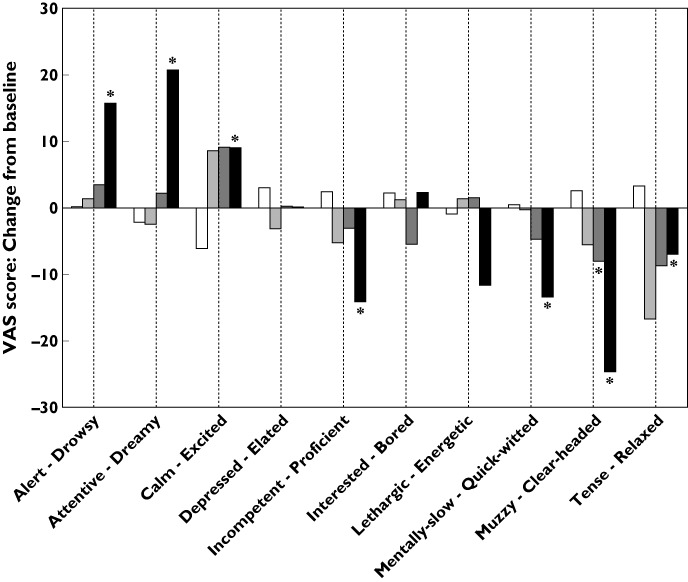
 , 500 mg;
  , 600 mg,
  , 800 mg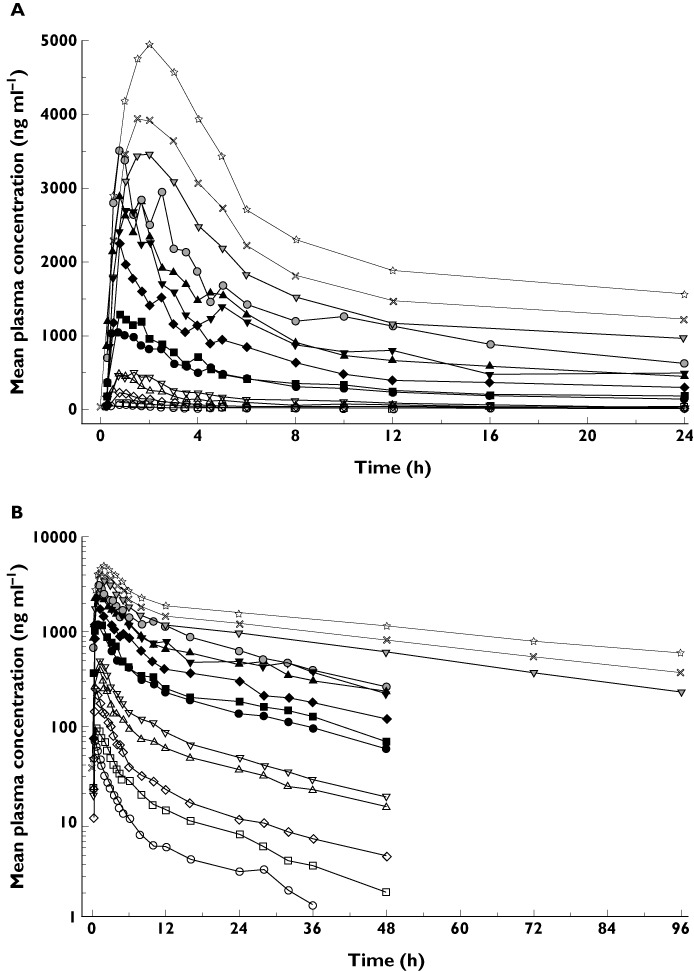
 , 5 mg;
  , 10 mg;
  , 20 mg;
  , 40 mg;
  , 60 mg;
  , 100 mg;
  , 140 mg;
  , 200 mg;
  , 300 mg;
  , 400 mg;
  , 500 mg. Study 106:
  , 500 mg;
  , 600 mg;
  , 800 mg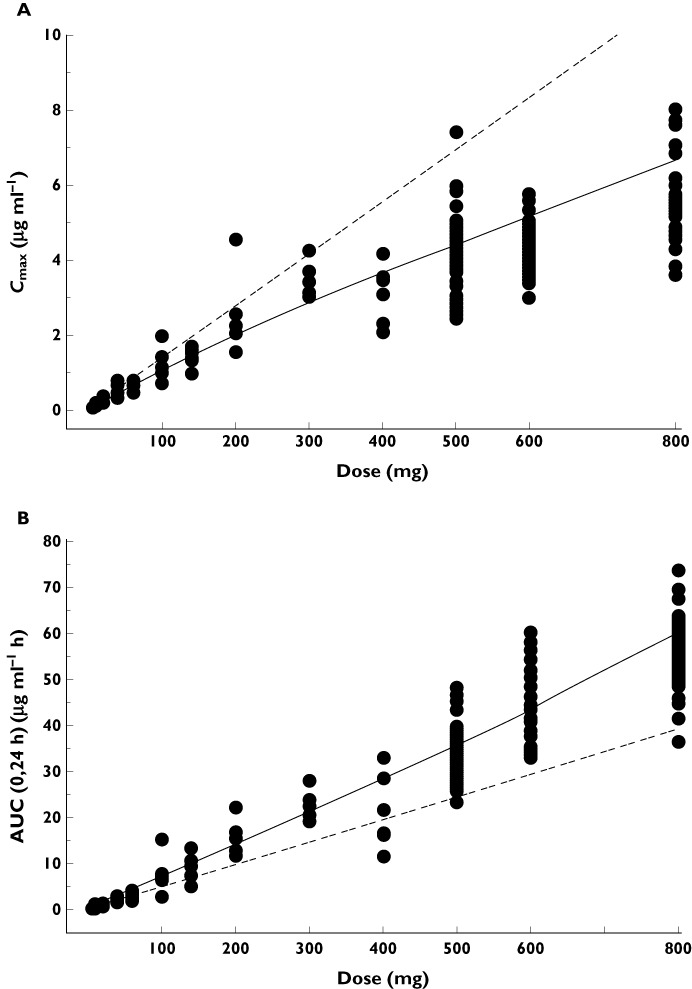
 , Power model;
  , Linearity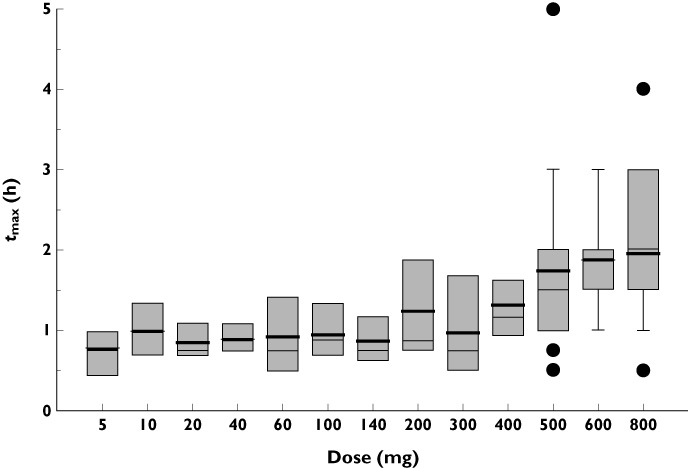
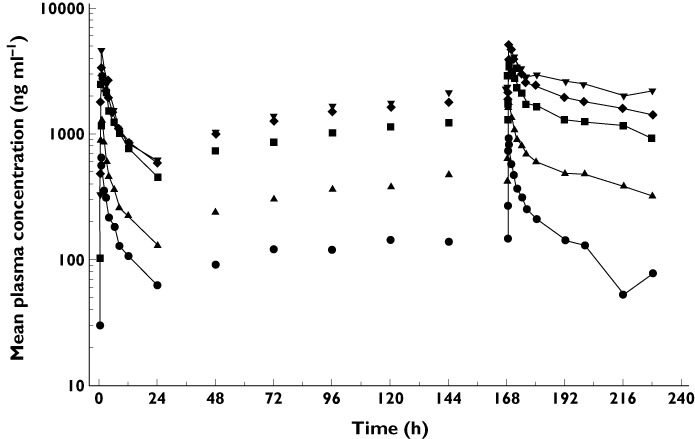
 , 50 mg;
  , 100 mg;
  , 200 mg;
  , 300 mg;
  , 400 mg
References
Publication types
MeSH terms
Substances
LinkOut - more resources
Full Text Sources
Other Literature Sources