


Introduced pathogens and native freshwater biodiversity: a case study of Sphaerothecum destruens
- PMID: 22615866
- PMCID: PMC3352871
- DOI: 10.1371/journal.pone.0036998
Introduced pathogens and native freshwater biodiversity: a case study of Sphaerothecum destruens
Abstract
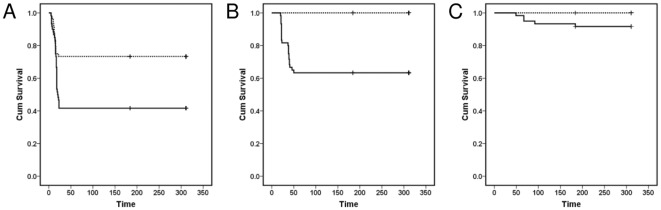
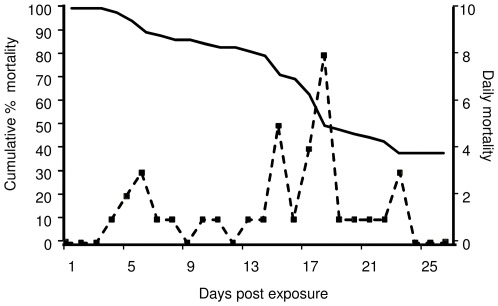
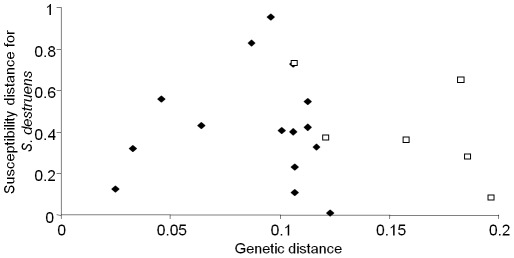
A recent threat to European fish diversity was attributed to the association between an intracellular parasite, Sphaerothecum destruens, and a healthy freshwater fish carrier, the invasive Pseudorasbora parva originating from China. The pathogen was found to be responsible for the decline and local extinction of the European endangered cyprinid Leucaspius delineatus and high mortalities in stocks of Chinook and Atlantic salmon in the USA. Here, we show that the emerging S. destruens is also a threat to a wider range of freshwater fish than originally suspected such as bream, common carp, and roach. This is a true generalist as an analysis of susceptible hosts shows that S. destruens is not limited to a phylogenetically narrow host spectrum. This disease agent is a threat to fish biodiversity as it can amplify within multiple hosts and cause high mortalities.
Conflict of interest statement
Figures
References
-
- Daszak P, Cunningham AA, Hyatt AD. Wildlife ecology - Emerging infectious diseases of wildlife - Threats to biodiversity and human health. Science. 2000;287:443–449. - PubMed
-
- Gozlan RE, Peeler EJ, Longshaw M, St-Hilaire S, Feist SW. Effect of microbial pathogens on the diversity of aquatic populations, notably in Europe. Microbes Infect. 2006;8:1358–1364. - PubMed
-
- Price PW. Host populations as resources defining parasite community organization. In: Esch GB A, Aho J, editors. Parasite communities: patterns and processes. London: Chapman and Hall Ltd; 1990. pp. 21–40.
-
- Torchin ME, Lafferty KD, Dobson AP, McKenzie VJ, Kuris AM. Introduced species and their missing parasites. Nature. 2003;421:628–630. - PubMed
-
- Gozlan RE. Introduction of non-native freshwater fish: is it all bad? Fish Fish. 2008;9:106–115.
Publication types
MeSH terms
LinkOut - more resources
Full Text Sources
Research Materials
