


Social cognitive deficits and their neural correlates in progressive supranuclear palsy
- PMID: 22637582
- PMCID: PMC3381722
- DOI: 10.1093/brain/aws128
Social cognitive deficits and their neural correlates in progressive supranuclear palsy
Abstract
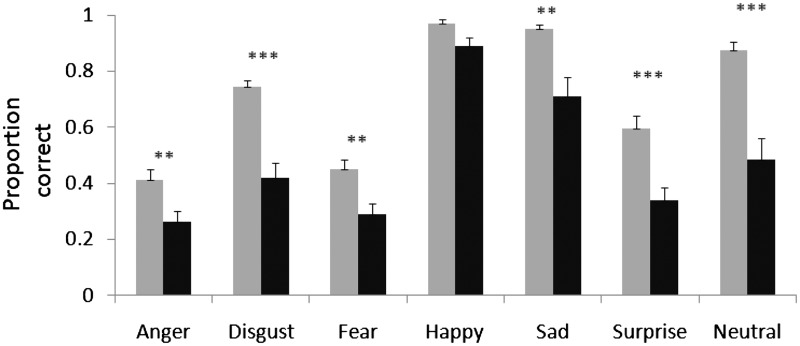
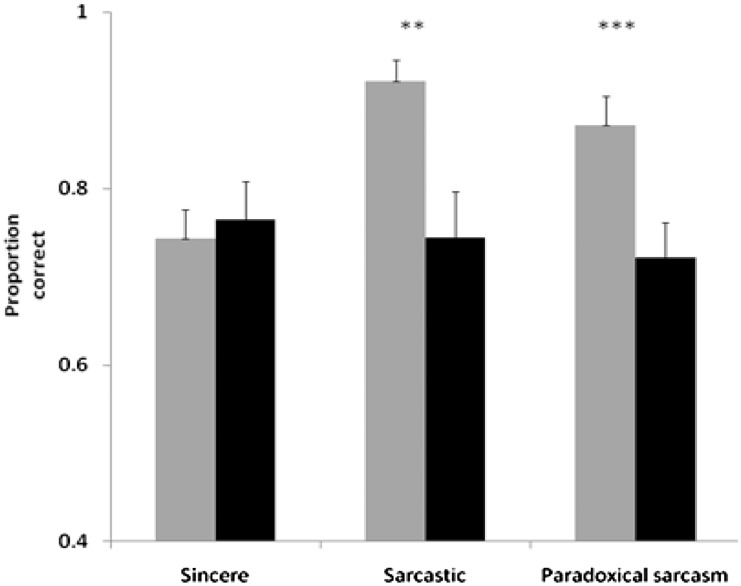
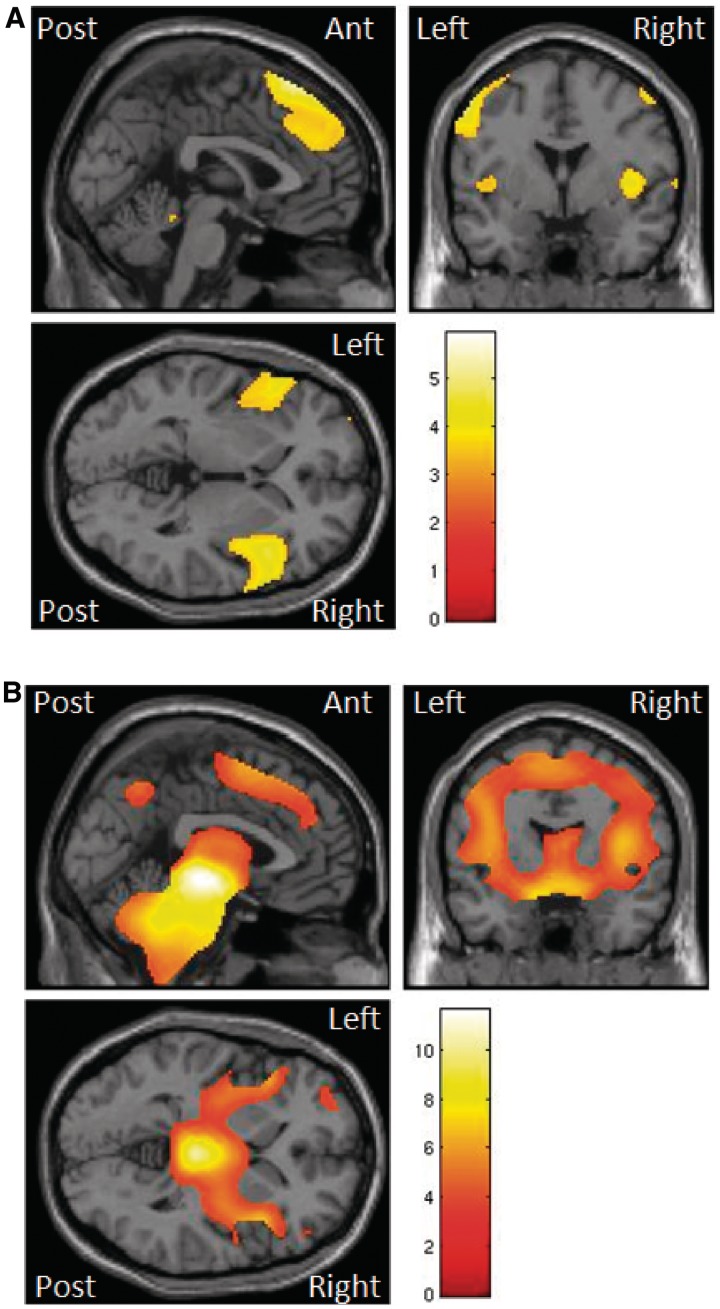
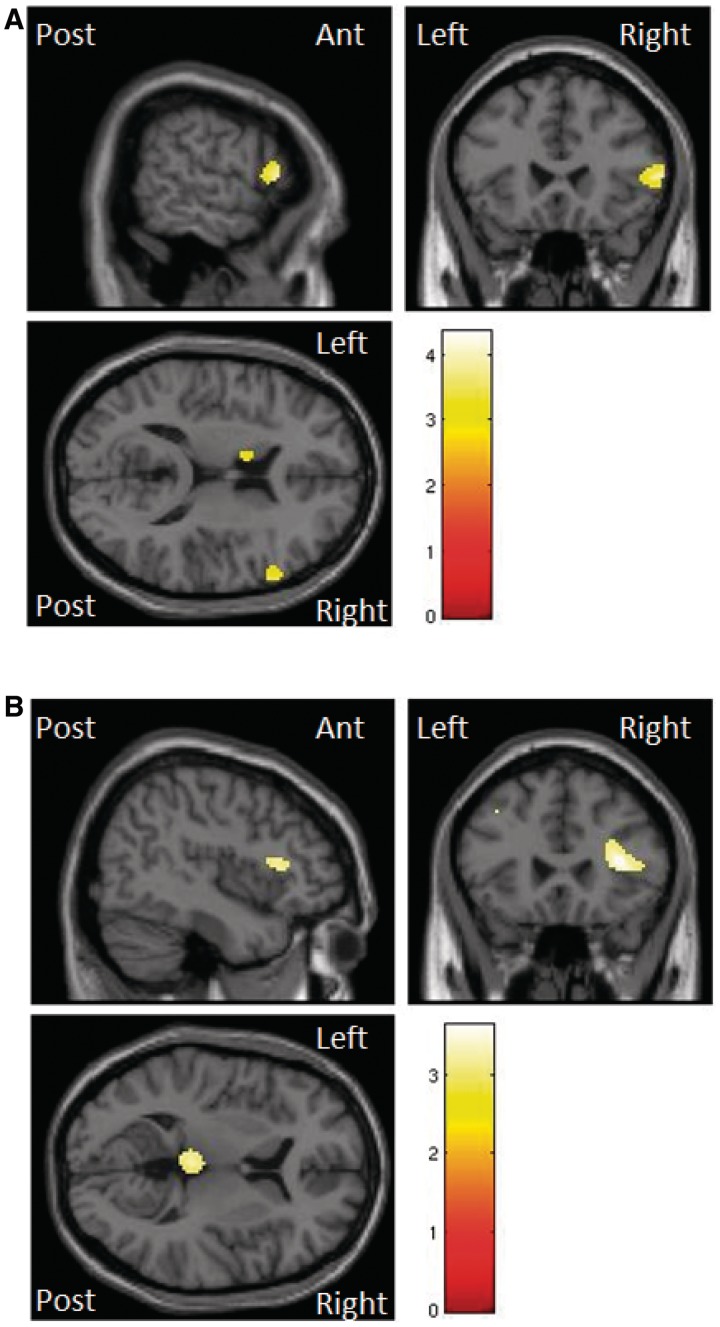
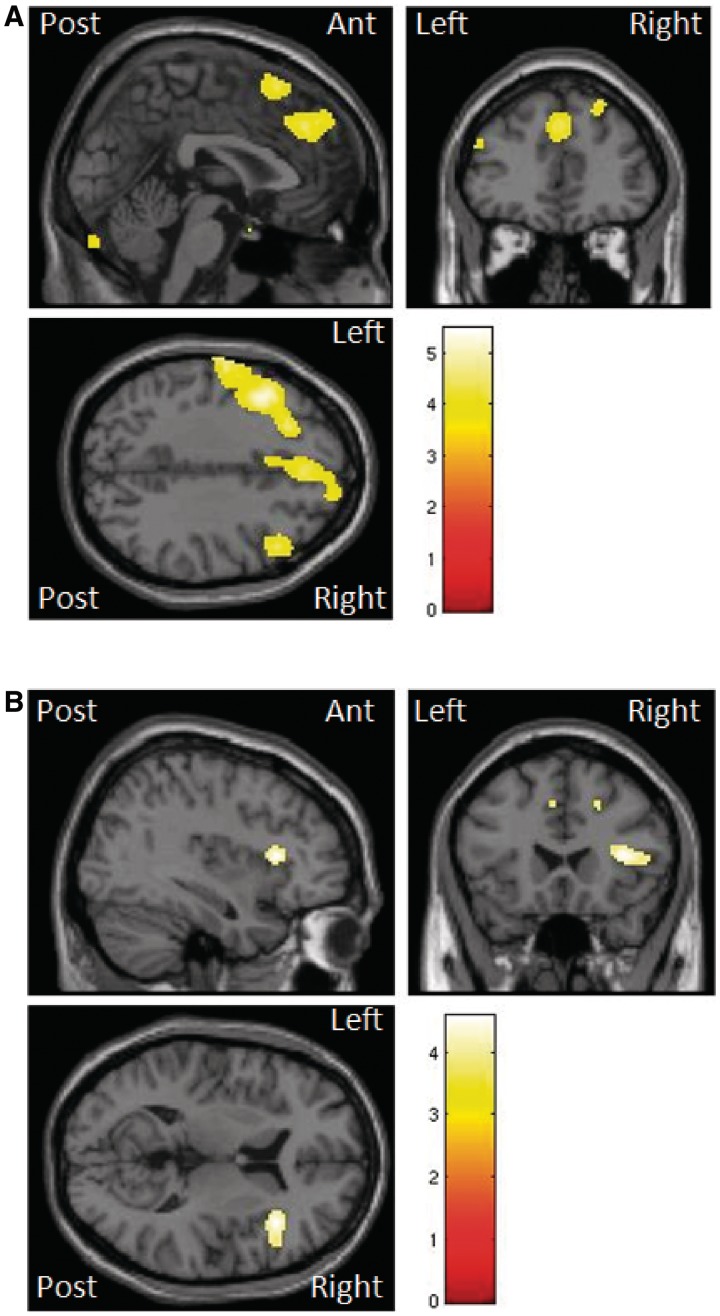
Although progressive supranuclear palsy is defined by its akinetic rigidity, vertical supranuclear gaze palsy and falls, cognitive impairments are an important determinant of patients' and carers' quality of life. Here, we investigate whether there is a broad deficit of modality-independent social cognition in progressive supranuclear palsy and explore the neural correlates for these. We recruited 23 patients with progressive supranuclear palsy (using clinical diagnostic criteria, nine with subsequent pathological confirmation) and 22 age- and education-matched controls. Participants performed an auditory (voice) emotion recognition test, and a visual and auditory theory of mind test. Twenty-two patients and 20 controls underwent structural magnetic resonance imaging to analyse neural correlates of social cognition deficits using voxel-based morphometry. Patients were impaired on the voice emotion recognition and theory of mind tests but not auditory and visual control conditions. Grey matter atrophy in patients correlated with both voice emotion recognition and theory of mind deficits in the right inferior frontal gyrus, a region associated with prosodic auditory emotion recognition. Theory of mind deficits also correlated with atrophy of the anterior rostral medial frontal cortex, a region associated with theory of mind in health. We conclude that patients with progressive supranuclear palsy have a multimodal deficit in social cognition. This deficit is due, in part, to progressive atrophy in a network of frontal cortical regions linked to the integration of socially relevant stimuli and interpretation of their social meaning. This impairment of social cognition is important to consider for those managing and caring for patients with progressive supranuclear palsy.
Figures
References
-
- Aarsland D, Litvan I, Larsen JP. Neuropsychiatric symptoms of patients with progressive supranuclear palsy and Parkinson's disease. J Neuropsychiatry Clin Neurosci. 2001;13:42–9. - PubMed
-
- Aboulafia-Brakha T, Christe B, Martory MD, Annoni JM. Theory of mind tasks and executive functions: a systematic review of group studies in neurology. J Neuropsychol. 2011;5:39–55. - PubMed
-
- Acosta-Cabronero J, Williams GB, Pereira JMS, Pengas G, Nestor PJ. The impact of skull-stripping and radio-frequency bins correction on grey-matter segmentation for voxel-based morphometry. Neuroimage. 2008;39:1654–65. - PubMed
-
- Adenzato M, Cavallo M, Enrici I. Theory of mind ability in the behavioural variant of frontotemporal dementia: an analysis of the neural, cognitive, and social levels. Neuropsychologia. 2010;48:2–12. - PubMed
-
- Adolphs R, Damasio H, Tranel D. Neural systems for recognition of emotional prosody: a 3-D lesion study. Emotion. 2002;2:23–51. - PubMed
Publication types
MeSH terms
Grants and funding
LinkOut - more resources
Full Text Sources
Other Literature Sources
Medical
