Orthopedics and biofilm--what do we know? A review
- PMID: 22648264
- PMCID: PMC3560733
- DOI: 10.12659/msm.882893
Orthopedics and biofilm--what do we know? A review
Abstract
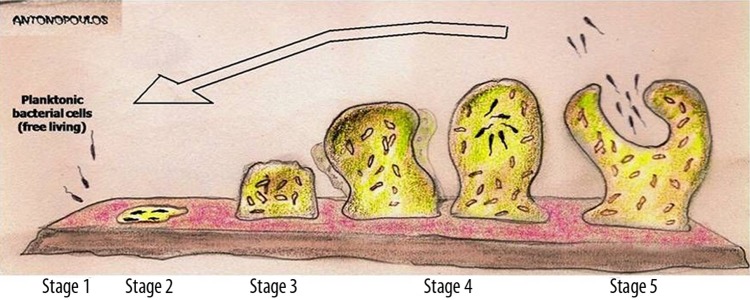
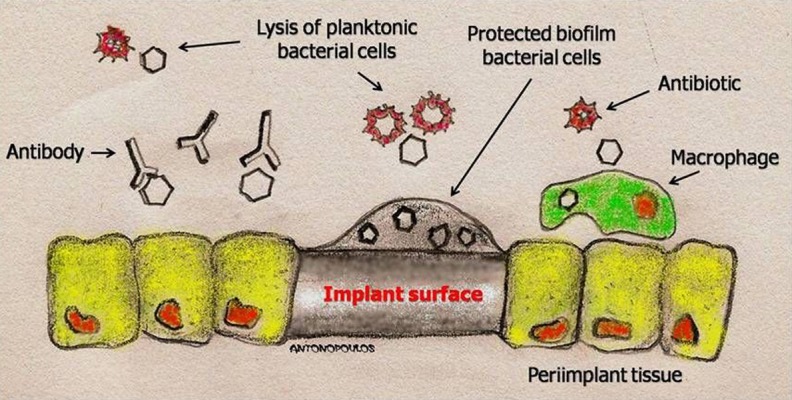
Bacteria have been found to grow predominantly in biofilms. The initial stage includes the attachment of bacteria to the substratum. Bacterial growth and division then leads to the colonization of the surrounding area and the formation of the biofilm. The environment in a biofilm is not homogeneous; the bacteria in a multispecies biofilm are not randomly distributed, but rather are organized to best meet their needs. Although there is an initial understanding on the mechanisms of biofilm-associated antimicrobial resistance, this topic is still under investigation. A variety of approaches are being explored to overcome biofilm-associated antimicrobial resistance. A greater understanding of biofilm processes should lead to novel, effective control strategies for biofilm control and a resulting improvement in patient management.
Figures
References
-
- Costerton JW, Geesey GG, Cheng KJ. How bacteria stick. Sci Am. 1978;238:86–95. - PubMed
-
- Costerton JW, Lewandowski Z, Caldwell DE, et al. Microbial biofilms. Ann Rev Micro. 1995;49:711–45. - PubMed
-
- Costerton JW, Stewart PS, Greenberg EP. Bacterial biofilms: A common cause of persistent infections. Science. 1999;284:1318–22. - PubMed
Publication types
MeSH terms
LinkOut - more resources
Full Text Sources