


Scared stiff: the influence of anxiety on the perception of action capabilities
- PMID: 22650350
- PMCID: PMC3434322
- DOI: 10.1080/02699931.2012.667391
Scared stiff: the influence of anxiety on the perception of action capabilities
Abstract
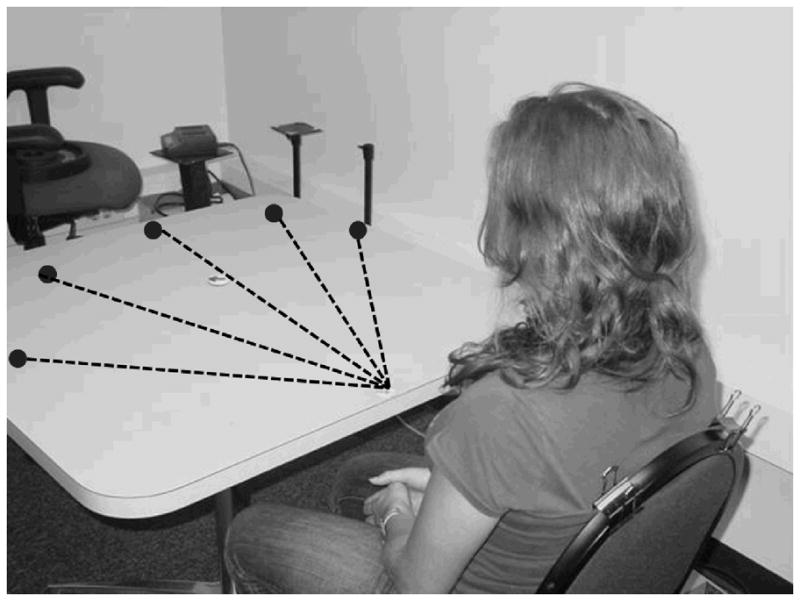
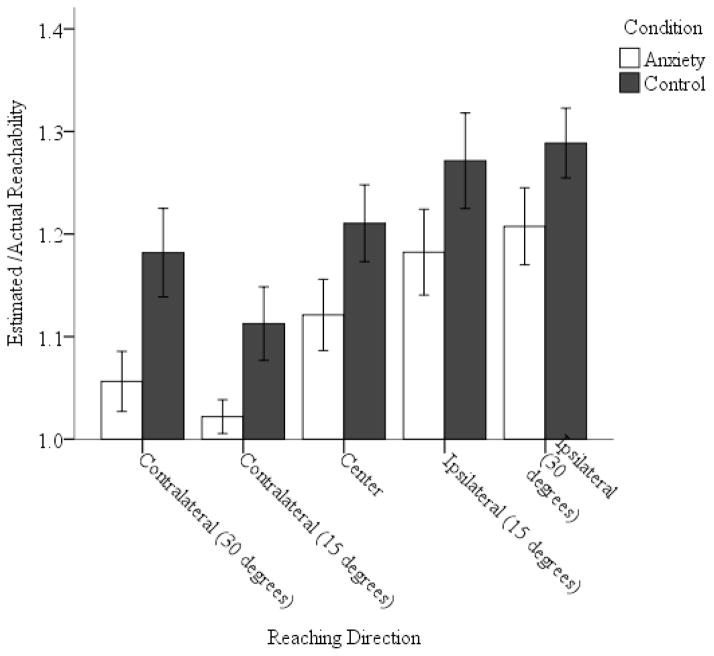
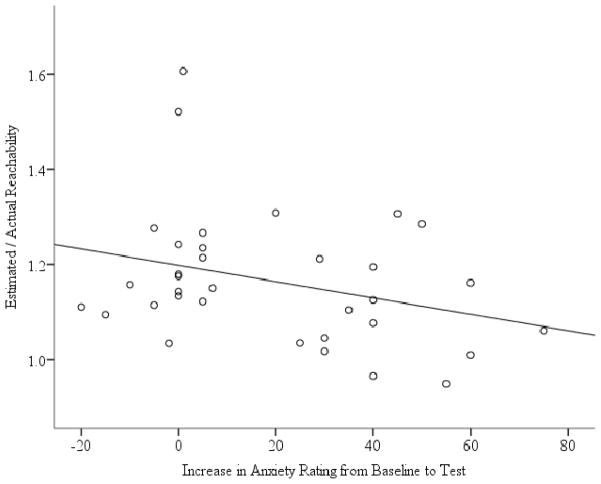
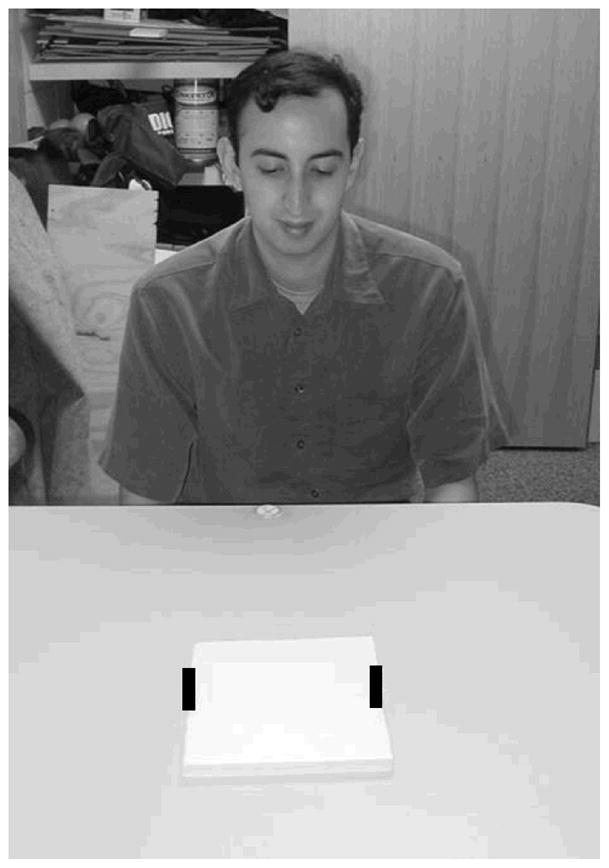
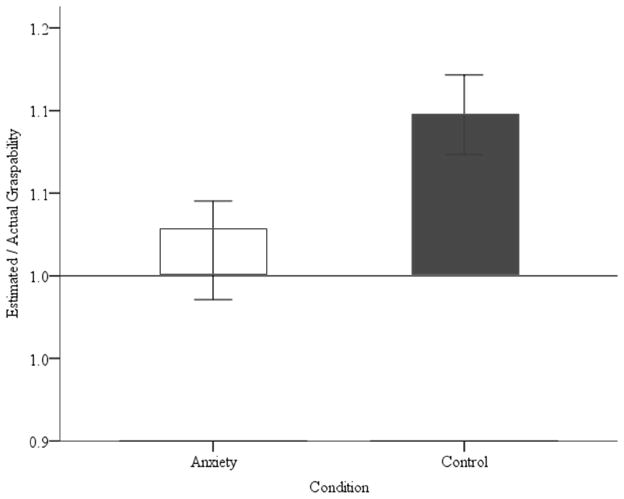
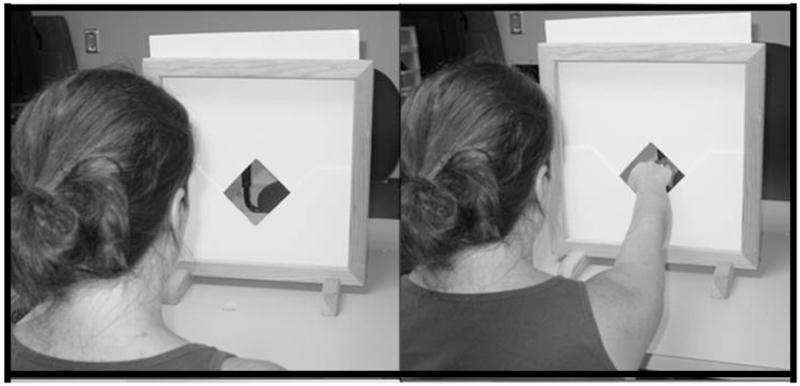
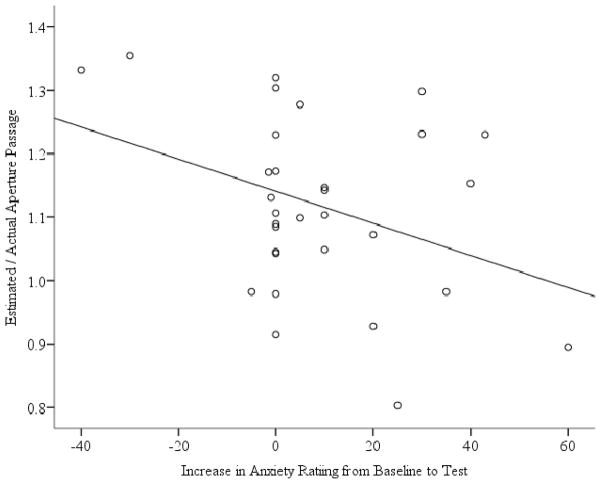
Influences on the perception of affordances (i.e., opportunities for actions) have been primarily studied by manipulating the functional morphology of the body. However, affordances are not just determined by the functional morphology of the perceiver, but also by the physiological state of the perceiver. States of anxiety have been shown to lead to marked changes in individuals' physiological state and their behaviour. To assess the influence of emotional state on affordance perception, the perception of action capabilities in near space was examined after participants completed an anxiety-provoking task. Anxiety was induced immediately prior to tasks that assessed participants' perceived reaching ability in Experiment 1, grasping ability in Experiment 2, and the ability to pass their hands through apertures in Experiment 3. Results indicated that those participants who experienced changes in anxiety underestimated their reaching, grasping, and passing ability compared to non-anxious participants. In other words, anxious participants were more conservative in their estimations of their action capabilities. These results suggest that anxiety influences the perception for affordances in near space and are consistent with the notion that anxiety induces withdrawal behaviours.
Figures
References
-
- Adolph KE. Learning in the development of infant locomotion. Monographs of the Society for Research in Child Development. 1997;62(3) Serial No. 251. - PubMed
-
- Barlow DH. Anxiety and its disorders: the nature and treatment of anxiety and panic. 2. New York, NY: Guilford Press; 2002.
-
- Barlow DH, Craske M. Mastery of your anxiety and panic-II. San Antonio, TX: The Psychological Corporation; 1994.
-
- Beuter A, Duda JL. Analysis of the arousal/motor performance relationship in children using movement kinematics. Journal of Sport Psychology. 1985;7:229–243.
-
- Beuter A, Duda JL, Widule CJ. The effect of arousal on joint kinematics and kinetics in children. Research Quarterly for Exercise and Sport. 1989;60:109–116. - PubMed
Publication types
MeSH terms
Grants and funding
LinkOut - more resources
Full Text Sources
Medical
