


Pleural tumor seeding following percutaneous cryoablation of hepatocellular carcinoma
- PMID: 22654274
- PMCID: PMC3193330
- DOI: 10.1055/s-0031-1280677
Pleural tumor seeding following percutaneous cryoablation of hepatocellular carcinoma
Abstract
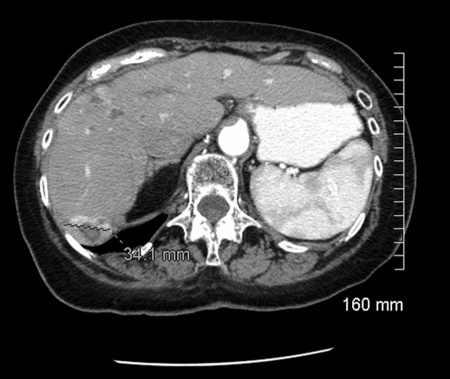
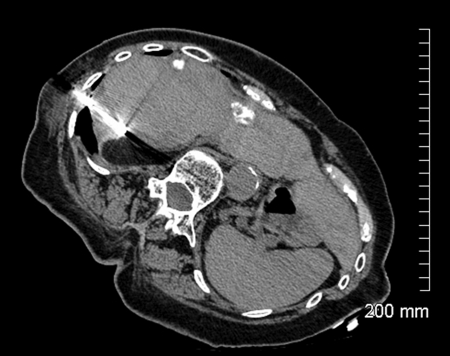
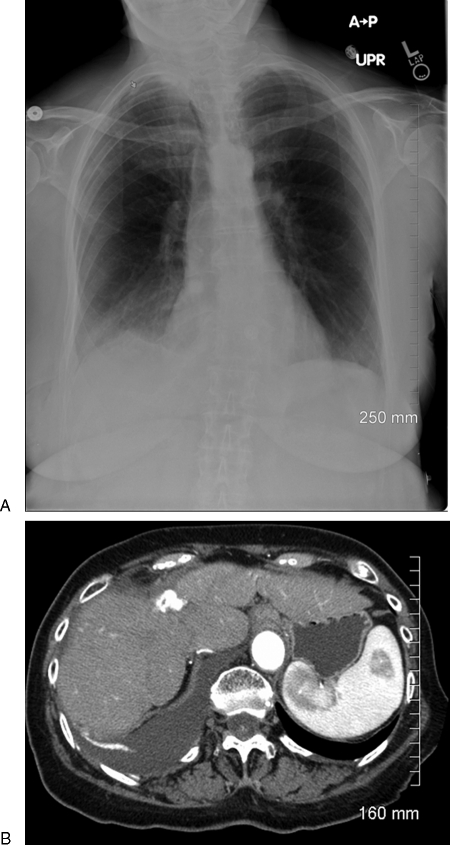
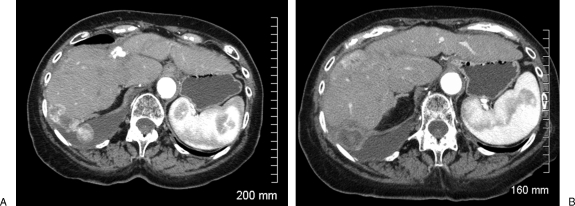
Numerous modalities for hepatic tumor ablation are currently used including ethanol injection, radiofrequency ablation (RFA), cryoablation, and microwave ablation. The results and complications of these various tumor ablation techniques have been reported extensively, with the most data existing for percutaneous RFA. One of the most serious complications from tumor ablation is the seeding of cancer cells along the ablation tract. The incidence and risk factors for tract seeding in RFA have been reported, but little information regarding this complication with other ablation modalities has been reported. We report a case of tumor seeding into the pleural space following percutaneous cryoablation of hepatocellular carcinoma (HCC).
Keywords: Hepatocellular; carcinoma; cryoablation; tumor seeding.
Figures
References
-
- Silva M A, Hegab B, Hyde C, Guo B, Buckels J A, Mirza D F. Needle track seeding following biopsy of liver lesions in the diagnosis of hepatocellular cancer: a systematic review and meta-analysis. Epub 2008 Jul 31. Review. Gut. 2008;57:1592–6. - PubMed
-
- Stigliano R, Marelli L, Yu D, Davies N, Patch D, Burroughs A K. Seeding following percutaneous diagnostic and therapeutic approaches for hepatocellular carcinoma. What is the risk and the outcome? Seeding risk for percutaneous approach of HCC. Cancer Treat Rev. 2007;33(5):437–447. - PubMed
-
- Takamori R, Wong L L, Dang C, Wong L. Needle-tract implantation from hepatocellular cancer: is needle biopsy of the liver always necessary? Liver Transpl. 2000;6(1):67–72. - PubMed
-
- Dodd G D, III, Soulen M C, Kane R A, et al. Minimally invasive treatment of malignant hepatic tumors: at the threshold of a major breakthrough. Radiographics. 2000;20(1):9–27. - PubMed
