


A brief review on anti diabetic plants: Global distribution, active ingredients, extraction techniques and acting mechanisms
- PMID: 22654401
- PMCID: PMC3358964
- DOI: 10.4103/0973-7847.95854
A brief review on anti diabetic plants: Global distribution, active ingredients, extraction techniques and acting mechanisms
Abstract
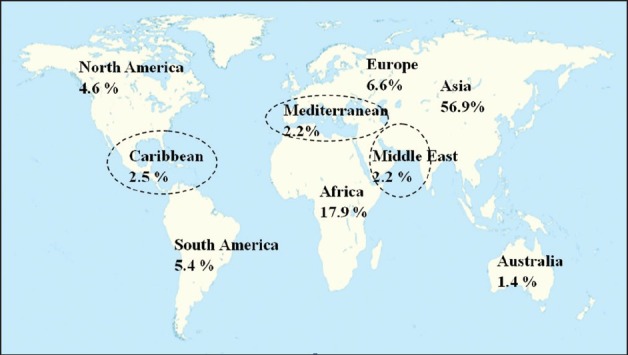
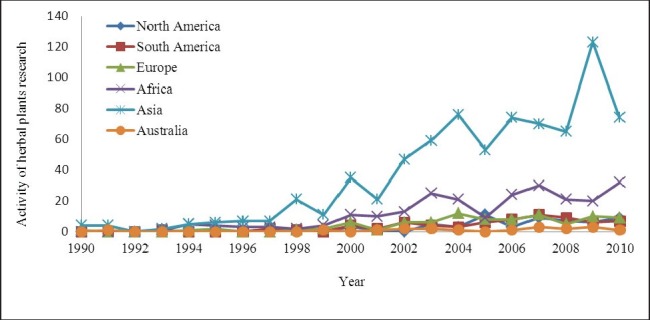
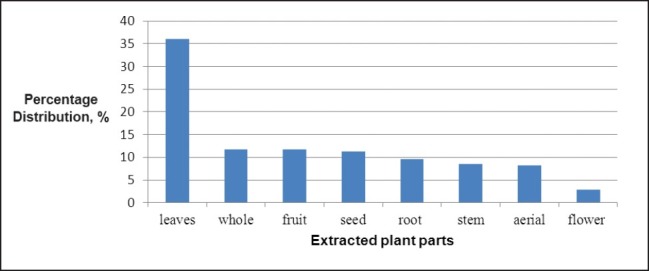
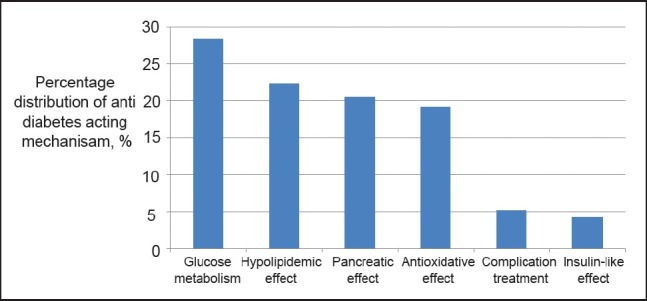
A study has been conducted with the aim to provide researchers with general information on anti diabetic extracts based on relevant research articles collected from 34 reliable medical journals. The study showed that Asian and African continents have 56% and 17% share of the worldwide distribution of therapeutic herbal plants, respectively. In Asia, India and China are the leading countries in herbal plants research, and there has been an increase in medicinal research on plants extract for diabetes treatment since 1995 in these regions. The information collected shows that plant leaves are about 20% more favorable for storing active ingredients, as compared to other parts of herbal plants. A brief review on the extraction techniques for the mentioned parts is also included. Furthermore, the acting mechanisms for the anti diabetic activity were described, and the related active ingredients were identified. The findings reveal that most of the anti diabetic research is focused on the alteration of glucose metabolism to prevent diabetes.
Keywords: Active ingredient; Anti diabetic treatment; extraction technique; herbal plants extract.
Conflict of interest statement
Figures
References
-
- Shaw JE, Sicree RA, Zimmet PZ. Global estimates of the prevalence of diabetes for 2010 and 2030. Diabetes Res Clin Pract. 2010;87:4–14. - PubMed
-
- Das AK, Bag S, Sahu R, Dua TK, Sinha MK, Gangpodahyay M, et al. Protective effect of Corchorus olitorius leaves on sodium arsenite-induced toxicity in experimental rats. Food Chem Toxicol. 2010;48:326–35. - PubMed
-
- Harnafi H, Aziz M, Amrani S. Sweet basil (Ocimum basilicum L.) improves lipid metabolism in hypercholesterolemic rats. E Spen Eur E J Clin Nutr Metab. 2009;4:181–6.
-
- Khan SA, Priyamvada S, Farooq N, Khan S, Khan MW, Yusufi AN. Protective effect of green tea extract on gentamicin-induced nephrotoxicity and oxidative damage in rat kidney. Pharmacol Res. 2009;59:254–62. - PubMed
-
- Meddah B, Ducroc R, Faouzi ME, Eto B, Mahraoui L, Benhaddou-Andaloussi A, et al. Nigella sativa inhibits intestinal glucose absorption and improves glucose tolerance in rats. J Ethnopharmacol. 2009;121:419–24. - PubMed
LinkOut - more resources
Full Text Sources