


Induction of neuronal death by microglial AGE-albumin: implications for Alzheimer's disease
- PMID: 22662249
- PMCID: PMC3360664
- DOI: 10.1371/journal.pone.0037917
Induction of neuronal death by microglial AGE-albumin: implications for Alzheimer's disease
Abstract
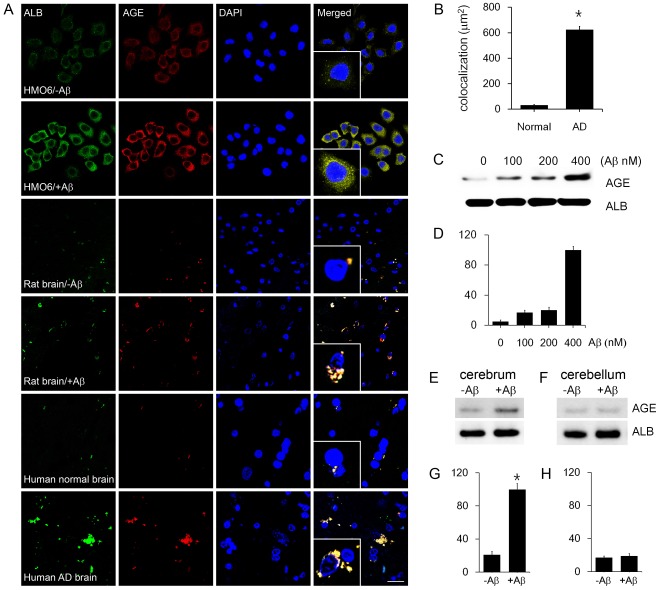
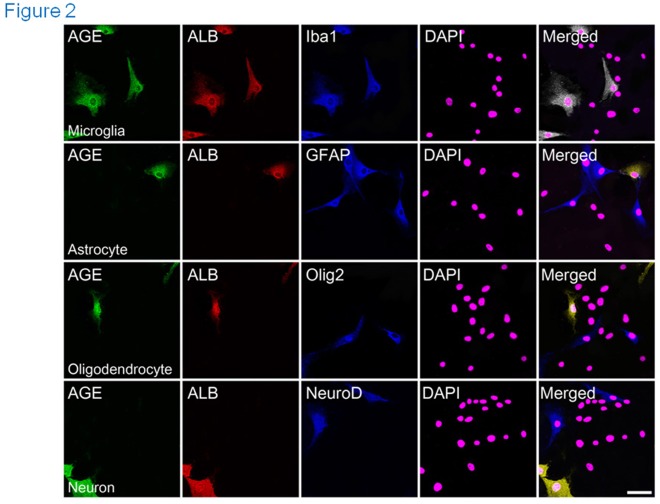
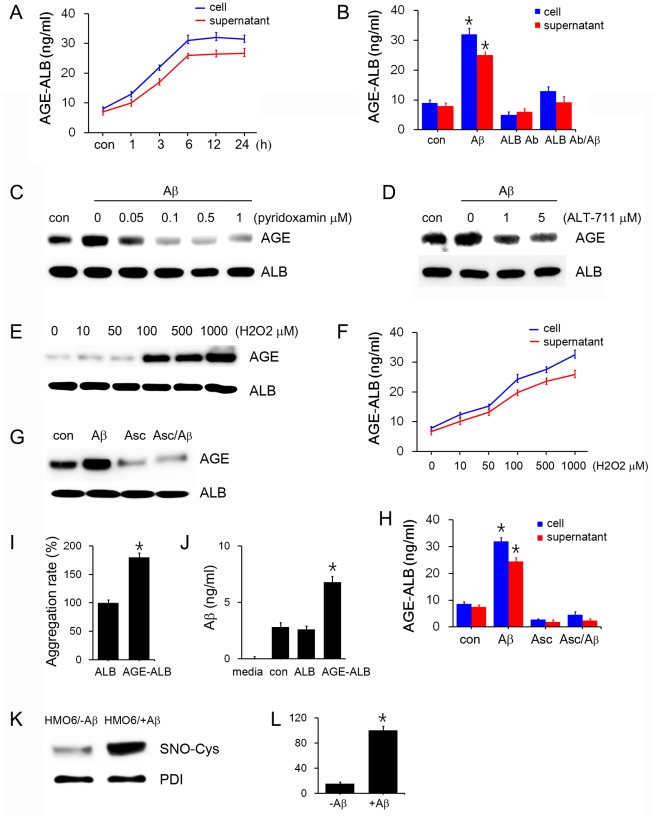
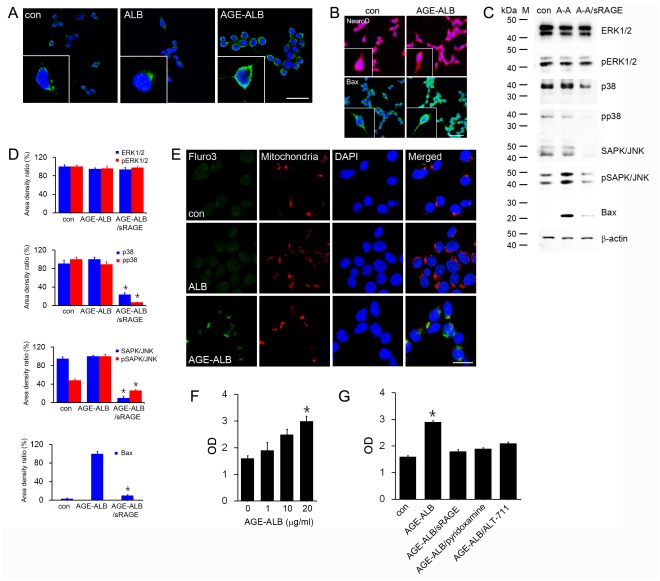
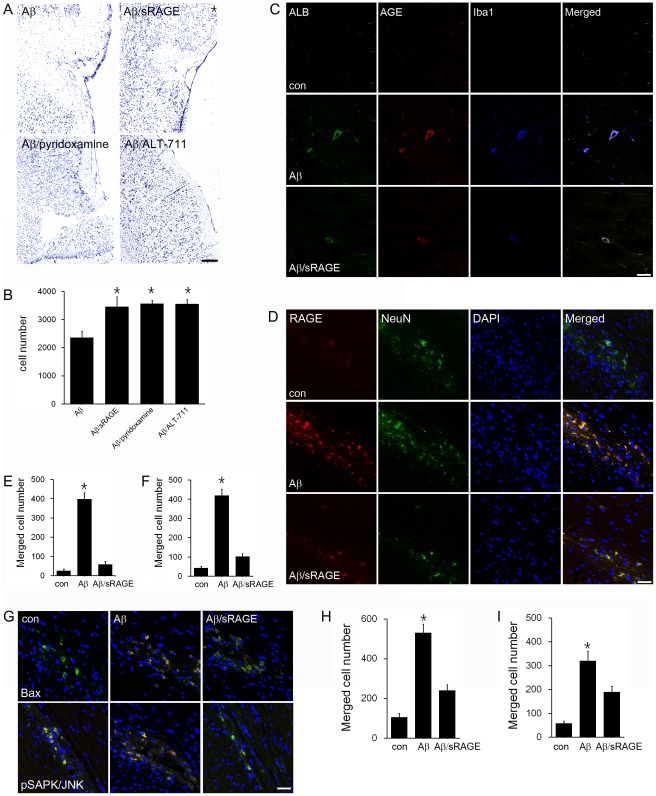
Advanced glycation end products (AGEs) have long been considered as potent molecules promoting neuronal cell death and contributing to neurodegenerative disorders such as Alzheimer's disease (AD). In this study, we demonstrate that AGE-albumin, the most abundant AGE product in human AD brains, is synthesized in activated microglial cells and secreted into the extracellular space. The rate of AGE-albumin synthesis in human microglial cells is markedly increased by amyloid-β exposure and oxidative stress. Exogenous AGE-albumin upregulates the receptor protein for AGE (RAGE) and augments calcium influx, leading to apoptosis of human primary neurons. In animal experiments, soluble RAGE (sRAGE), pyridoxamine or ALT-711 prevented Aβ-induced neuronal death in rat brains. Collectively, these results provide evidence for a new mechanism by which microglial cells promote death of neuronal cells through synthesis and secretion of AGE-albumin, thereby likely contributing to neurodegenerative diseases such as AD.
Conflict of interest statement
Figures
References
-
- Itagaki S, McGeer PL, Akiyama H, Zhu S, Selkoe D. Relationship of microglia and astrocytes to amyloid deposits of Alzheimer’s disease. J Neuroimmunol. 1989;24:173–182. - PubMed
-
- Luber-Narod J, Rogers J. Immune system associated antigens expressed by cells of the human central nervous system. Neurosci Lett. 1988;94:17–22. - PubMed
-
- McGeer PL, Itagaki S, Tago H, McGeer EG. Reactive microglia in patients with senile dementia of the Alzheimer type are positive for the histocompatibility glycoprotein HLA-DR. Neurosci Lett. 1987;79:195–200. - PubMed
-
- Eikelenboom P, Rosemuller AJ, Hoozemans JI, Veerhuis R, van Gool WA. Neuroinflammation and Alzheimer’s disease: Clinical and therapeutic implications. Alzheimer Dis Assoc Disord. 2000;14:S54–61. - PubMed
Publication types
MeSH terms
Substances
LinkOut - more resources
Full Text Sources
Other Literature Sources
