


Review
Legalization, decriminalization & medicinal use of cannabis: a scientific and public health perspective
Affiliations
- PMID: 22675784
- PMCID: PMC6181739
Item in Clipboard
Review
Legalization, decriminalization & medicinal use of cannabis: a scientific and public health perspective
Mo Med.
2012 Mar-Apr.
Abstract
Empirical and clinical studies clearly demonstrate significant adverse effects of cannabis smoking on physical and mental health as well as its interference with social and occupational functioning. These negative data far outweigh a few documented benefits for a limited set of medical indications, for which safe and effective alternative treatments are readily available. If there is any medical role for cannabinoid drugs, it lies with chemically defined compounds, not with unprocessed cannabis plant. Legalization or medical use of smoked cannabis is likely to impose significant public health risks, including an increased risk of schizophrenia, psychosis, and other forms of substance use disorders.
Figures
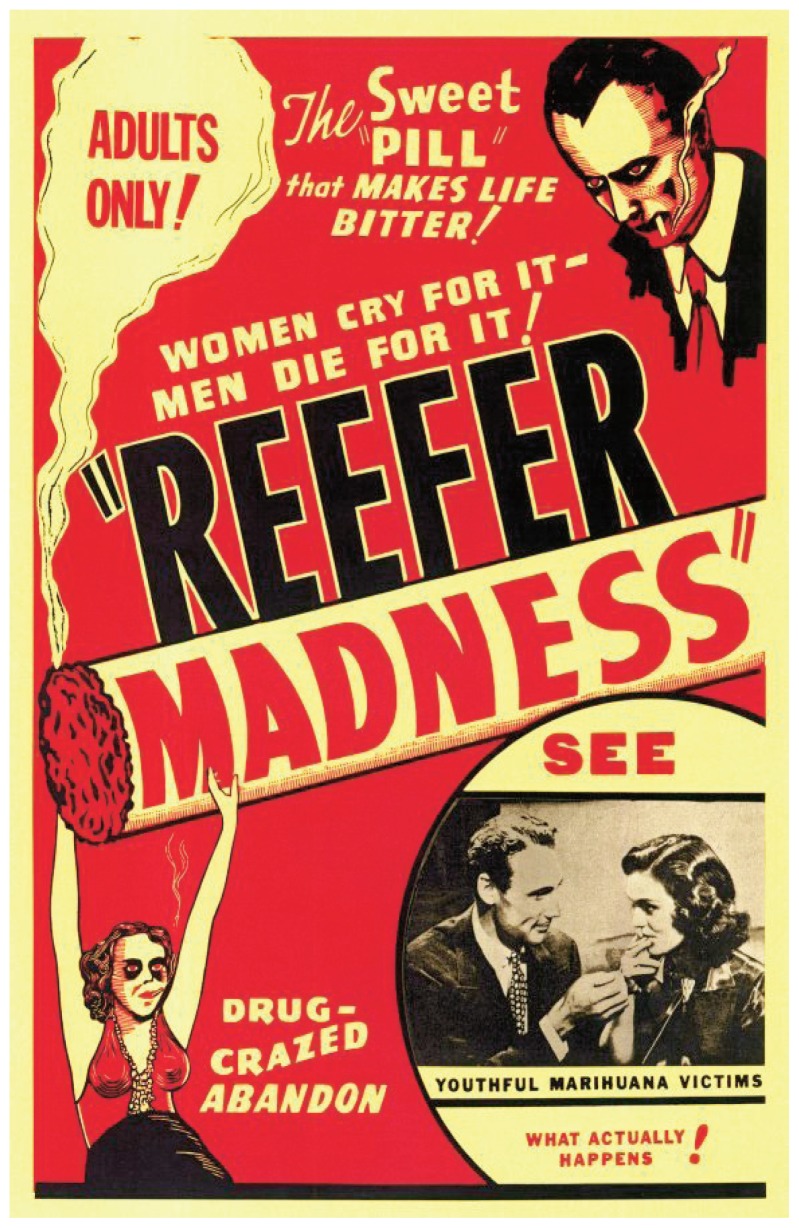
Reefer Madness is a well-known 1936 American propaganda exploitation film revolving around the melodramatic events that ensue when high school students are lured by pushers to try “marijuana” — from a hit and run accident, to manslaughter, suicide, attempted rape, and descent into madness.
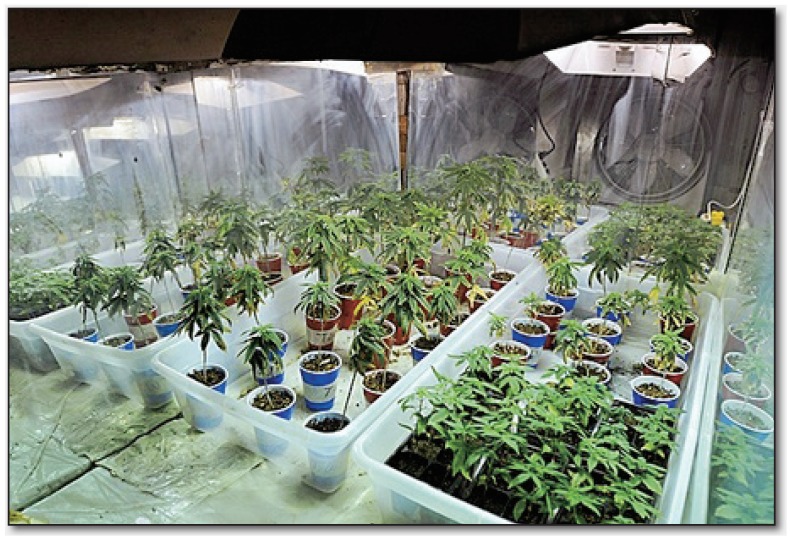
Taking advantage of the obscure legal status of cannabis, businesses involving sales of cannabis are flourishing and even stock-market investments are available.
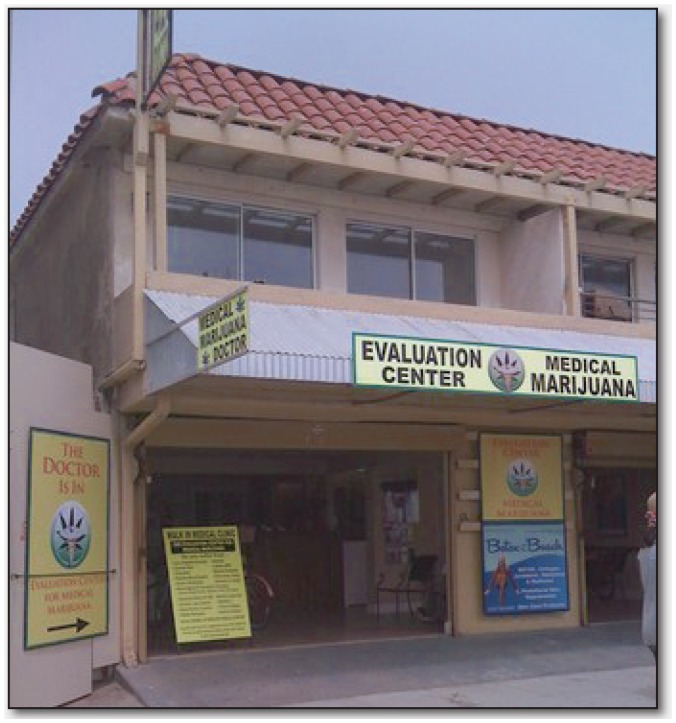
For example, CannabisInvestments. com provides information on ways one can invest in hemp-related and medical marijuana products and companies.

Comment in
-
Mary Jane still dulls the pain.Mo Med. 2013 Mar-Apr;110(2):121. Mo Med. 2013. PMID: 23724481 Free PMC article. No abstract available.
References
-
-
FDA Press Office, 2006
-
-
- van Os J, Krabbendama L, Inez Myin-Germeysa, Delespaula P. 2005 The schizophrenia envirome. Current Opinion in Psychiatry. 2005;18:141–145. - PubMed
-
- van Os J, Kenis G, Rutten BPF. The environment and schizophrenia. Nature. 2010;468(7321):203–12. - PubMed
-
- SAMSHA (Substance Abuse and Mental Health Services Administration) Results from the 2004 National Survey on Drug Use and Health 2004: national findings. Rockville, MD: Office of Applied Studies; 2005. (NSDUH Series H-28, DHHS Publication No. SMA 05-4062).
-
- SAMSHA (Substance Abuse and Mental Health Services Administration) Office of Applied Studies. National Survey on Drug Use and Health 2006. Research Triangle Park, NC: Research Triangle Institute; Ann Arbor, MI: Inter-university Consortium for Political and Social Research; 2008.
Publication types
MeSH terms
LinkOut - more resources
Full Text Sources
Medical