


Potential adverse cardiovascular effects from excessive endurance exercise
- PMID: 22677079
- PMCID: PMC3538475
- DOI: 10.1016/j.mayocp.2012.04.005
Potential adverse cardiovascular effects from excessive endurance exercise
Erratum in
- Mayo Clin Proc. 2012 Jul;87(7):704
Abstract
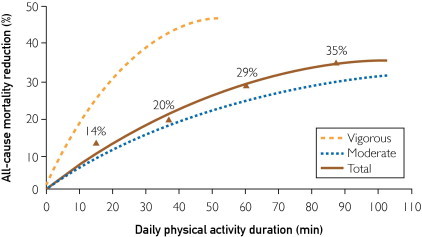
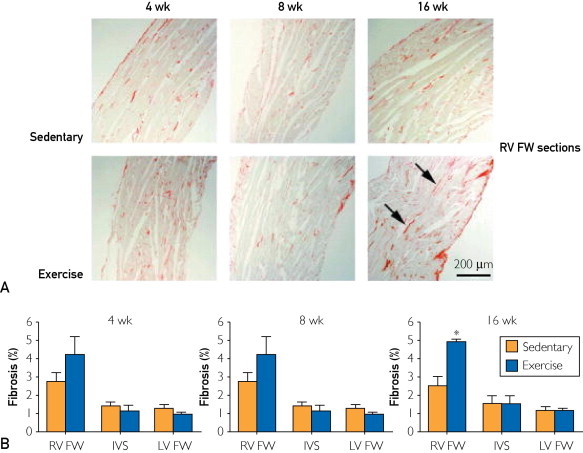
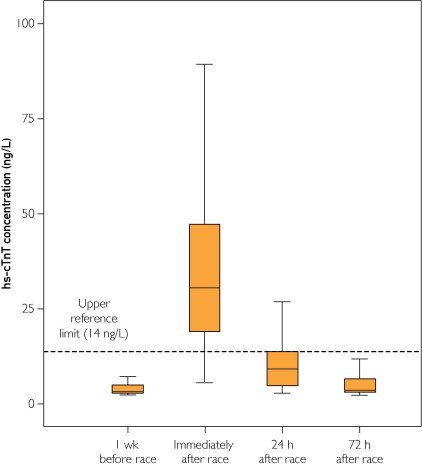
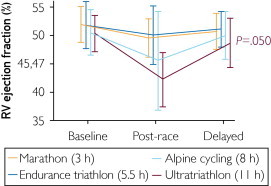
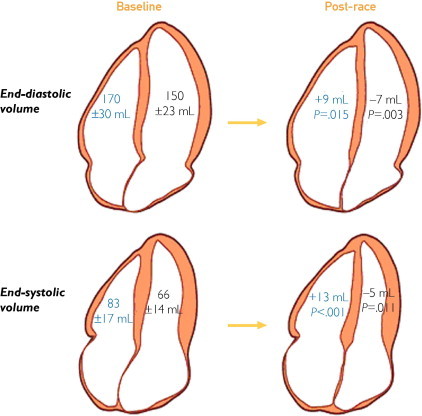
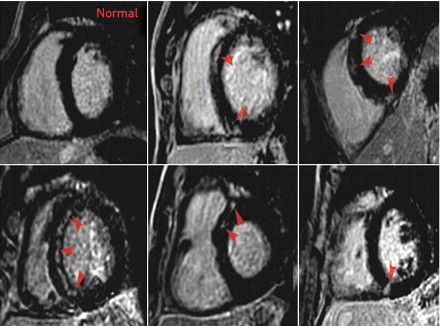
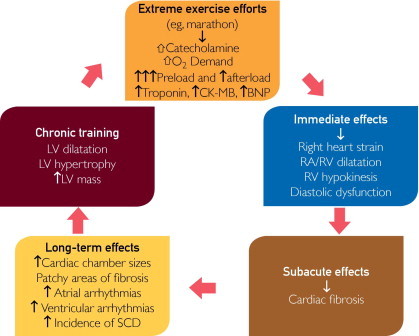
A routine of regular exercise is highly effective for prevention and treatment of many common chronic diseases and improves cardiovascular (CV) health and longevity. However, long-term excessive endurance exercise may induce pathologic structural remodeling of the heart and large arteries. Emerging data suggest that chronic training for and competing in extreme endurance events such as marathons, ultramarathons, ironman distance triathlons, and very long distance bicycle races, can cause transient acute volume overload of the atria and right ventricle, with transient reductions in right ventricular ejection fraction and elevations of cardiac biomarkers, all of which return to normal within 1 week. Over months to years of repetitive injury, this process, in some individuals, may lead to patchy myocardial fibrosis, particularly in the atria, interventricular septum, and right ventricle, creating a substrate for atrial and ventricular arrhythmias. Additionally, long-term excessive sustained exercise may be associated with coronary artery calcification, diastolic dysfunction, and large-artery wall stiffening. However, this concept is still hypothetical and there is some inconsistency in the reported findings. Furthermore, lifelong vigorous exercisers generally have low mortality rates and excellent functional capacity. Notwithstanding, the hypothesis that long-term excessive endurance exercise may induce adverse CV remodeling warrants further investigation to identify at-risk individuals and formulate physical fitness regimens for conferring optimal CV health and longevity.
Copyright © 2012 Mayo Foundation for Medical Education and Research. Published by Elsevier Inc. All rights reserved.
Figures
Comment in
-
Potential, but unobserved, adverse cardiovascular effects from endurance exercise.Mayo Clin Proc. 2012 Nov;87(11):1133; author reply 1133-4. doi: 10.1016/j.mayocp.2012.08.011. Mayo Clin Proc. 2012. PMID: 23127741 Free PMC article. No abstract available.
References
-
- Haskell W.L., Lee I.M., Pate R.R. Physical activity and public health: updated recommendation for adults from the American College of Sports Medicine and the American Heart Association. Circulation. 2007;116(9):1081–1093. - PubMed
-
- Sarna S., Sahi T., Koskenvuo M., Kaprio J. Increased life expectancy of world class male athletes. Med Sci Sports Exerc. 1993;25(2):237–244. - PubMed
-
- Wen C.P., Wai J.P., Tsai M.K. Minimum amount of physical activity for reduced mortality and extended life expectancy: a prospective cohort study. Lancet. 2011;378(9798):1244–1253. - PubMed
Publication types
MeSH terms
LinkOut - more resources
Full Text Sources
Medical
Molecular Biology Databases
