. 2012;7(6):e38793.
doi: 10.1371/journal.pone.0038793. Epub 2012 Jun 7.

Specific evolution of F1-like ATPases in mycoplasmas

Affiliations

Specific evolution of F1-like ATPases in mycoplasmas

Laure Béven et al. PLoS One. 2012.

Abstract

F(1)F(0) ATPases have been identified in most bacteria, including mycoplasmas which have very small genomes associated with a host-dependent lifestyle. In addition to the typical operon of eight genes encoding genuine F(1)F(0) ATPase (Type 1), we identified related clusters of seven genes in many mycoplasma species. Four of the encoded proteins have predicted structures similar to the α, β, γ and ε subunits of F(1) ATPases and could form an F(1)-like ATPase. The other three proteins display no similarity to any other known proteins. Two of these proteins are probably located in the membrane, as they have three and twelve predicted transmembrane helices. Phylogenomic studies identified two types of F(1)-like ATPase clusters, Type 2 and Type 3, characterized by a rapid evolution of sequences with the conservation of structural features. Clusters encoding Type 2 and Type 3 ATPases were assumed to originate from the Hominis group of mycoplasmas. We suggest that Type 3 ATPase clusters may spread to other phylogenetic groups by horizontal gene transfer between mycoplasmas in the same host, based on phylogeny and genomic context. Functional analyses in the ruminant pathogen Mycoplasma mycoides subsp. mycoides showed that the Type 3 cluster genes were organized into an operon. Proteomic analyses demonstrated that the seven encoded proteins were produced during growth in axenic media. Mutagenesis and complementation studies demonstrated an association of the Type 3 cluster with a major ATPase activity of membrane fractions. Thus, despite their tendency toward genome reduction, mycoplasmas have evolved and exchanged specific F(1)-like ATPases with no known equivalent in other bacteria. We propose a model, in which the F(1)-like structure is associated with a hypothetical X(0) sector located in the membrane of mycoplasma cells.


Conflict of interest statement

Competing Interests: The authors have declared that no competing interests exist.

Figures

Figure 1
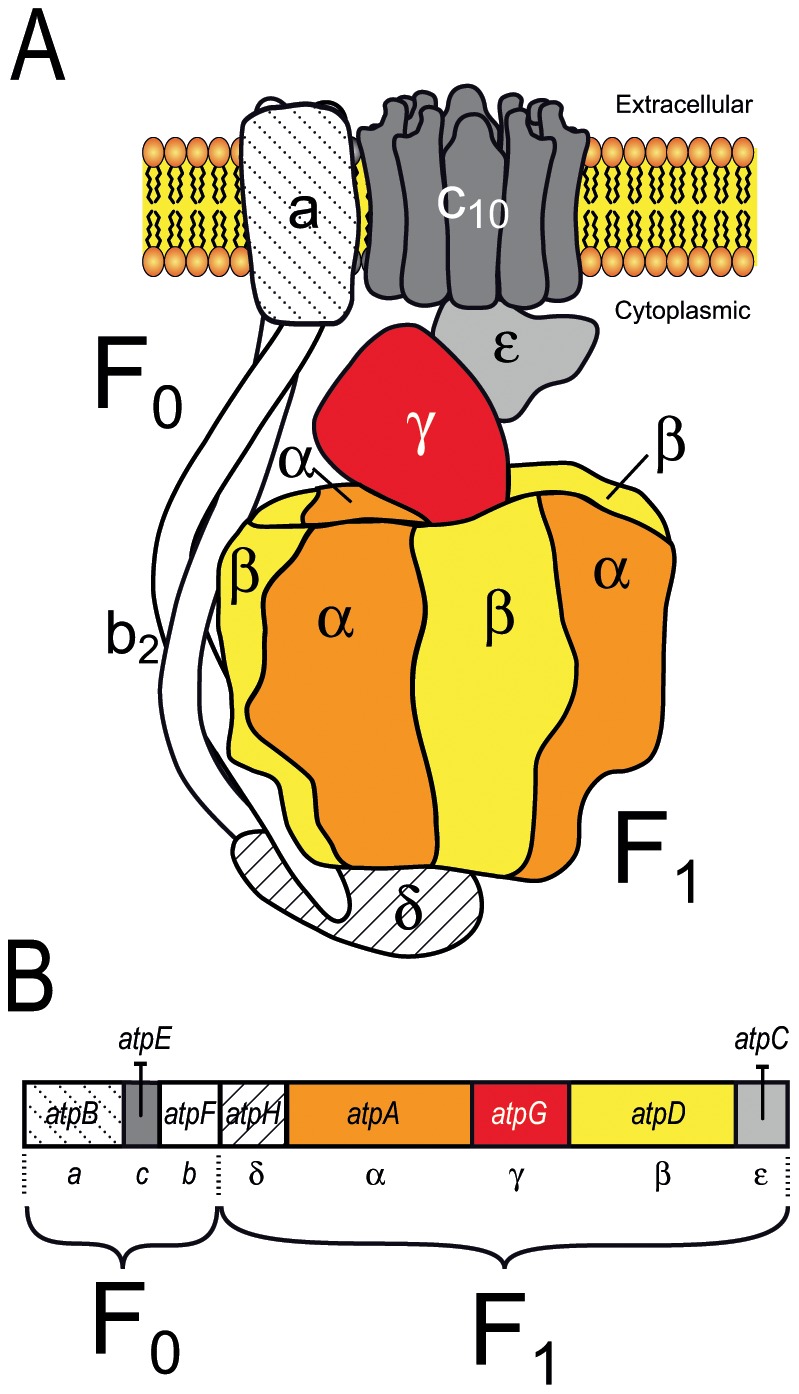
Figure 1. ATPase F1F0 in mycoplasmas.
A. Bacterial ATPase F1F0. B. Organization of the operon encoding the ATPase F1F0 in mycoplasmas. In E. coli and mycoplasma species, the F1F0 ATPase operon and likely the 3D structure are similar.
Figure 2
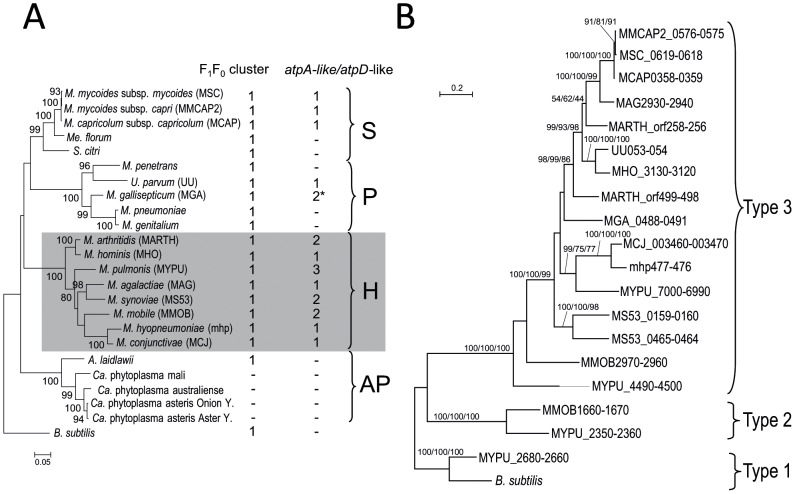
Figure 2. Distribution and evolution of extra copies of atpA-like and atpD-like genes in mollicutes.
A. The number of typical F1F0 ATPase operons and of extra copies of atpA-like/atpD-like pairs of genes are indicated for each species. * In M. gallisepticum, one of the two extra copies only contains a truncated atpD-like gene. The 16S rDNA phylogenetic tree was generated by the ML method; bootstrap values of more than 50% are indicated. Bacillus subtilis was chosen as an outgroup species. Phylogenetic groups are indicated: S, Spiroplasma; H, Hominis; P, Pneumoniae; AP, Acholeplasma/Phytoplasma. Mnemonic codes are indicated in brackets besides species names when useful. B. The amino acid sequences of the proteins encoded by the atpA-like and atpD-like genes were concatenated and a multiple alignment was generated. Protein sequences of Type 1 atpA and atpD genes from M. pulmonis and B. subtilis (GenBank ID: atpA, NP_391564.1; atpD, NP_391562.1) were used as outgroup. The multiple sequence alignment was curated with GBLOCK to remove unreliable sites and a final round of manual editing was performed with Jalview. Phylogenetic trees were generated by ML, NJ and MP methods. The tree represented was obtained by the ML method. The aLRT/Bootstrap values corresponding to these three methods are indicated on the branches, in the following order: ML/NJ/MP. Sequences are labelled by their mnemonics, see also Table S2 for details.
Figure 3
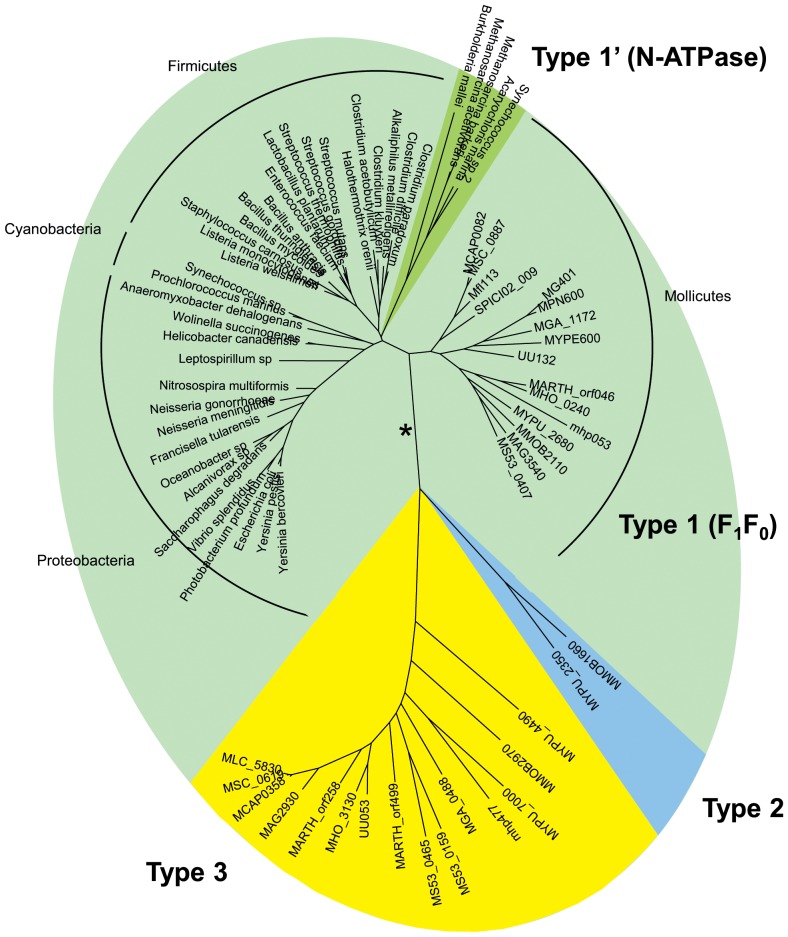
Figure 3. Evolution of atpA and atpA-like genes in bacteria.
The phylogenetic tree was inferred from the amino acid sequences of ATPase alpha subunits encoded by atpA and atpA-like genes. Multiple alignment was generated with MUSCLE. The phylogenetic tree was generated by the ML method. Branches corresponding to Type 1, Type 1′, Type 2 and Type 3 proteins were supported by 96–100% bootstrap values. The ML, NJ, MP and ME methods generated trees with similar topologies, except alternative branching of N-ATPases using NJ or ME (indicated by a star). Main bacterial groups are indicated. Proteins from mollicutes are named by their mnemonics, others by the species name. See Table S2 for details.
Figure 4
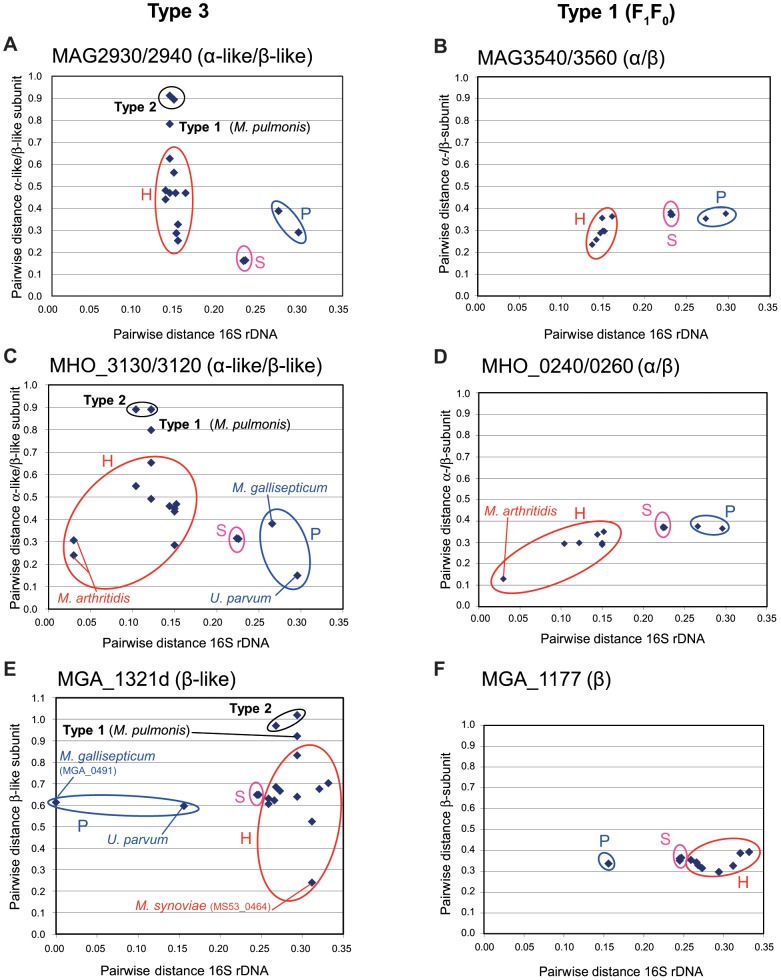
Figure 4. Evolutionary distance between clusters.
Amino acid sequences of genes encoding α-like and β-like proteins of the Type 2 and Type 3 clusters (panels A, C and E) and α- and β-subunits of F1F0 Type 1 clusters (panels B, D and F) were concatenated and multiple alignments were generated. Multiple sequence alignments were curated with GBLOCK to remove unreliable sites and a final round of manual editing was performed with Jalview. Evolutionary distances were calculated with Type 3 pairs thought to have been exchanged through HGT as references. These distances are shown as a function of the evolutionary distance between species inferred from 16S rDNA data. The Type 3 pairs concerned were MAG2930/2940 (M. agalactiae), MHO_3130/3120 (M. hominis) and MGA_1321d (M. gallisepticum). In the last case, the analysis was based exclusively on the truncated atpD-like gene. Homologs from a phylogenetic group are circled: H, Hominis; P, Pneumoniae; S, Spiroplasma.
Figure 5
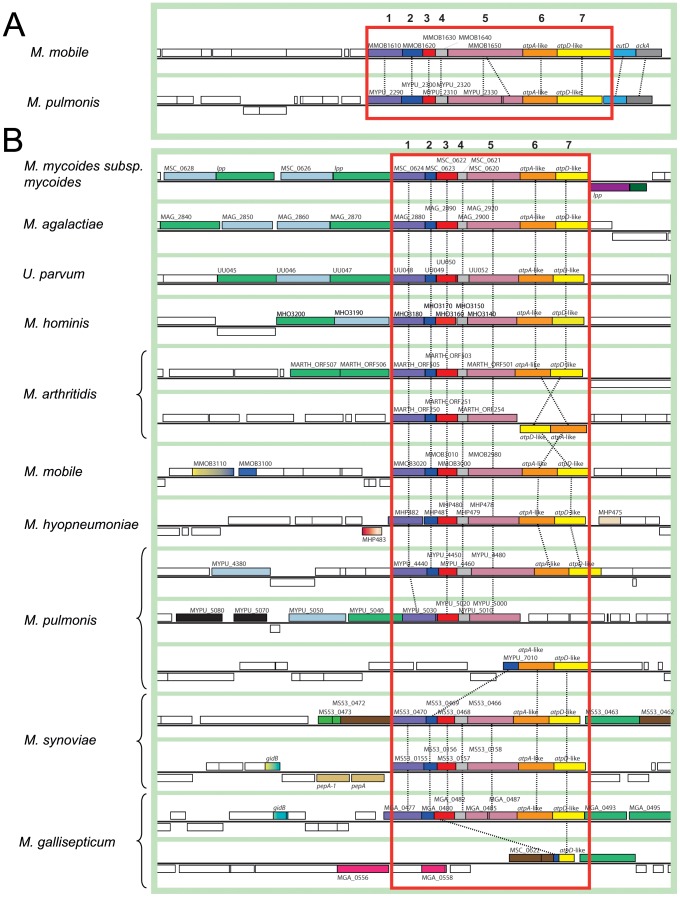
Figure 5. Genomic contexts of Type 2 and Type 3 clusters in mycoplasmas.
Homologous genes are indicated by boxes of the same colour, connected by dashed lines. The genomic regions containing the Type 2 (A) and Type 3 (B) clusters are framed in red. The schematic diagram was generated from screenshots obtained from the MBGD database. Mnemonics and gene names are indicated; genes from the clusters are numbered arbitrarily from 1 to 7. The genome structures of M. mycoides subsp. capri and M. capricolum subsp. capricolum were identical to that of Mmm.
Figure 6
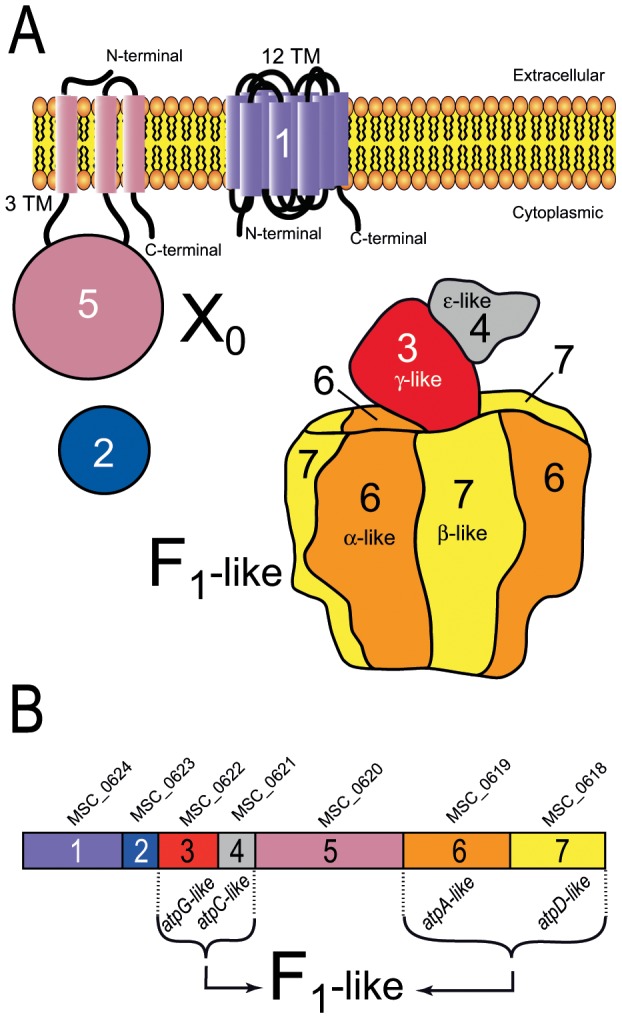
Figure 6. Model of an F1-likeX0 ATPase encoded by the seven-gene clusters of Types 2 and 3 specific to mycoplasmas.
A. The F1-like complex model of Mmm was drawn by similarity with the crystal structure of the E. coli F1-ATPase (Pdb id: 3oaa) with the help of the Pymol software (http://www.pymol.org) . The X0 complex proteins of Mmm were schematized on the basis of 2D structure predictions. Proteins 1 and 5 are depicted associated with the membrane, in accordance with the predicted transmembrane segments. Based on in silico and experimental results, the F1-like complex, Protein 2 and the main part of Protein 5 were predicted to be cytoplasmic. Within this model, the F1-like and the X0 sectors are represented, but the way they could interact remains largely unclear. B. The genes of the clusters were arbitrarily numbered from 1 to 7. Gene names are indicated above the boxes representing the genes. TM, transmembrane segments. The proteins encoded by genes 3, 4, 6 and 7 were found to be related to the subunits γ, ε, α and β of the F1F0 ATPase, respectively.
Figure 7
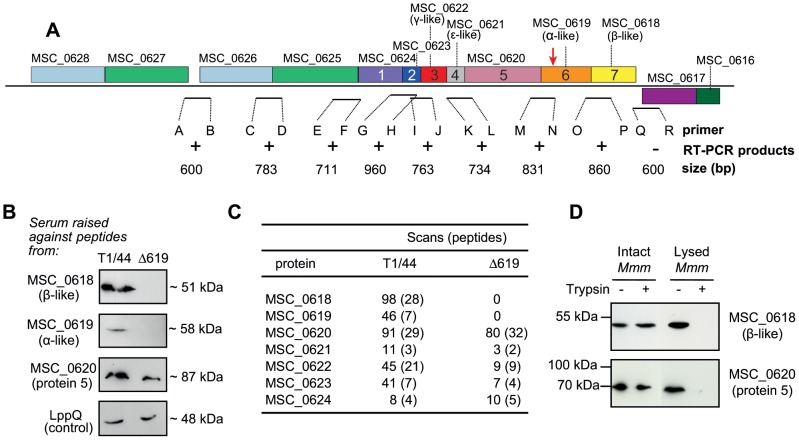
Figure 7. Operon structure and expression of the genes of the Type 3 cluster in Mmm.
A. RT-PCR experiments were carried out on intergenic regions to demonstrate the co-transcription of the MSC_0618 to MSC_0627 genes. The region of the genome region surrounding the Type 3 cluster in Mmm is shown. Gene mnemonics and numbers are shown for the Type 3 cluster. The site of transposon insertion in the MSC_0619 disrupted mutant (Δ619) is indicated by an arrow. Expected sizes of the putative transcripts are indicated. Amplification products of the expected sizes were obtained with primers binding within and upstream from the cluster (+) but not downstream from the cluster (−). B. Immunodetection of proteins from the Type 3 cluster of T1/44 and Δ619. A control for membrane protein detection was included, in the form of an antibody against a membrane protein, LppQ (anti-LppQ serum kindly supplied by Prof. J. Frey). C. Nano-LC-MS/MS detection of Type 3 ATPase proteins. Numbers of scans and distinct peptides detected are indicated. D. Evaluation of the sensitivity of Protein 5 and β-like subunit to trypsin degradation. Intact and lysed cells of Mmm T1/44 were incubated with (+) or without (−) trypsin enzyme coated on beads for six hours. Protection against hydrolysis was assessed by immunodetection with antibodies raised against Protein 5 (MSC_0620) and β-like subunit (MSC_0618).
Figure 8
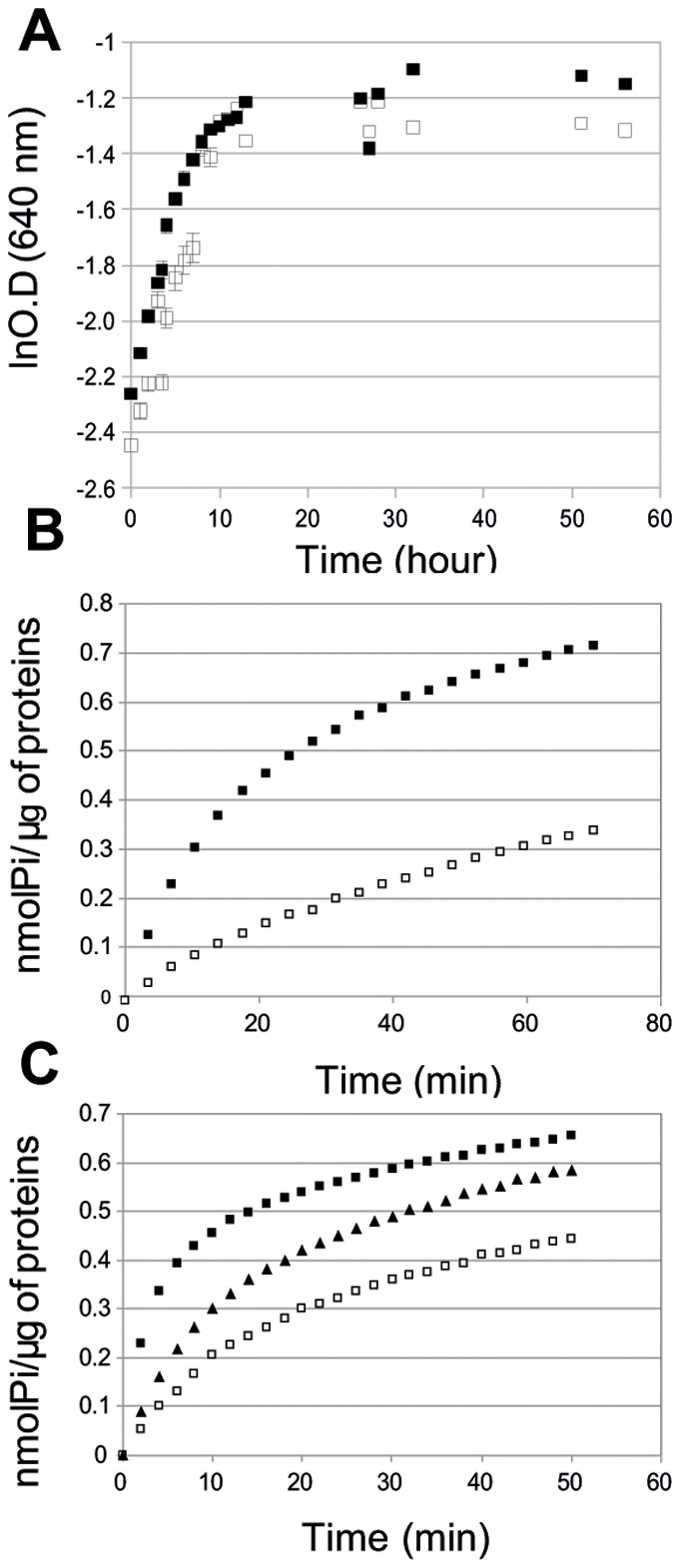
Figure 8. Growth and ATPase activity of Mmm T1/44 and the Δ619 mutant.
A. Growth of Mmm T1/44 (▪) and Δ619 (□) in Hayflick medium at 37°C. B. Rate of release of Pi from ATP in the presence of membrane preparations from T1/44 (▪) and Δ619 (□). The figure shows representative results of five independent experiments. C. Rate of release of Pi from ATP in the presence of membrane preparations from T1/44 (▪) and Δ619 (□) transformed with the control plasmid pMYSO1, and Δ619 complemented with the MSC_0619 (α-like) and MSC_0618 (β-like) proteins, generated from the plasmid pCC1 (▴).

References

    1. Razin S, Yogev D, Naot Y. Molecular biology and pathogenicity of mycoplasmas. Microbiol Mol Biol Rev. 1998;62:1156. - PMC - PubMed
    1. Sirand-Pugnet P, Citti C, Barre A, Blanchard A. Evolution of mollicutes: down a bumpy road with twists and turns. Res Microbiol. 2007;158:766. - PubMed
    1. Pereyre S, Sirand-Pugnet P, Beven L, Charron A, Renaudin H. Life on arginine for Mycoplasma hominis: clues from its minimal genome and comparison with other human urogenital mycoplasmas. PLoS Genet. 2009;5:e1000677. - PMC - PubMed
    1. Ciccarelli FD, Doerks T, von Mering C, Creevey CJ, Snel B. Toward automatic reconstruction of a highly resolved tree of life. Science. 2006;311:1287. - PubMed
    1. Vasconcelos AT, Ferreira HB, Bizarro CV, Bonatto SL, Carvalho MO. Swine and poultry pathogens: the complete genome sequences of two strains of Mycoplasma hyopneumoniae and a strain of Mycoplasma synoviae. J Bacteriol. 2005;187:5577. - PMC - PubMed

Publication types

MeSH terms