


Preventive interventions for ADHD: a neurodevelopmental perspective
- PMID: 22692794
- PMCID: PMC3441940
- DOI: 10.1007/s13311-012-0123-z
Preventive interventions for ADHD: a neurodevelopmental perspective
Abstract
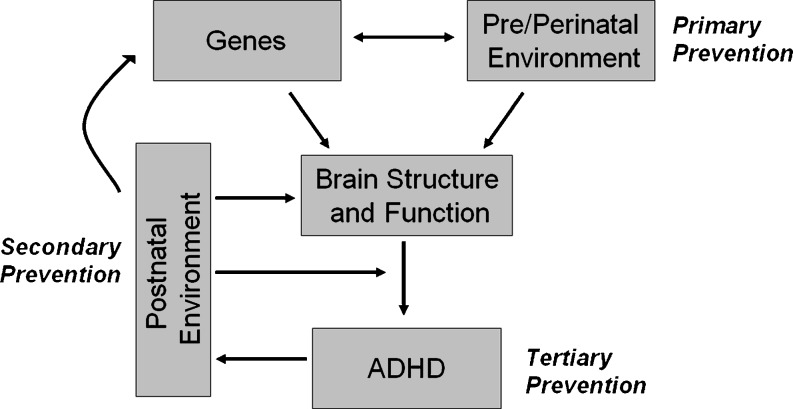
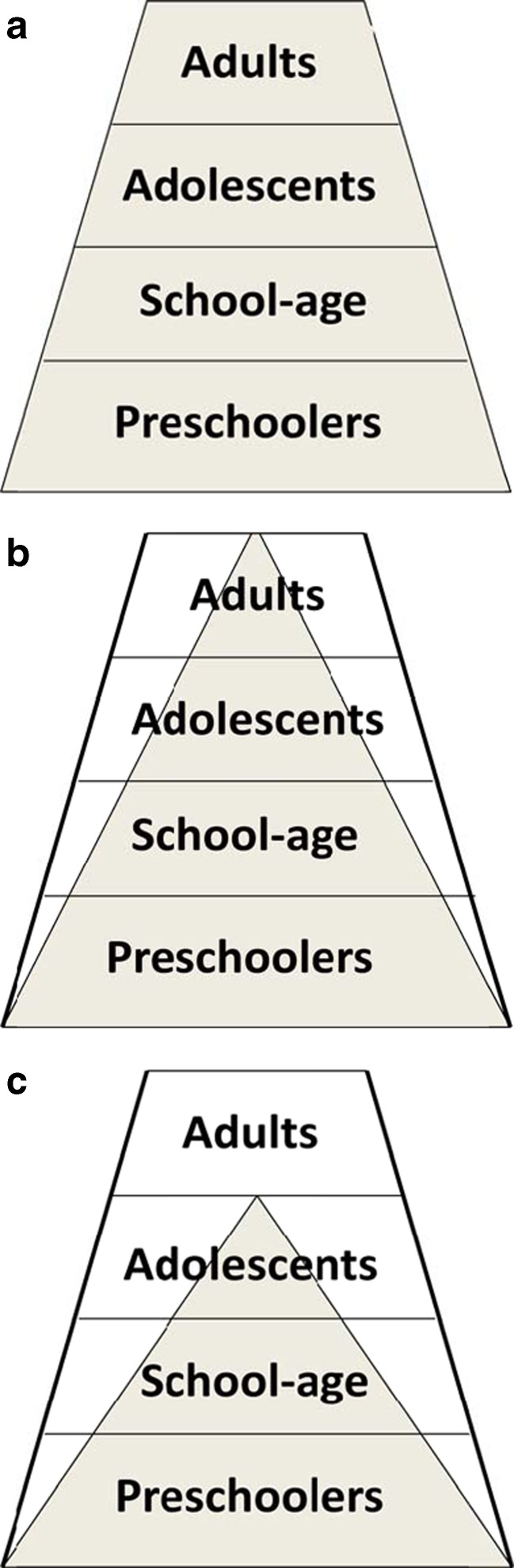
It is proposed that the time is ripe for the development of secondary preventive interventions for attention-deficit/hyperactivity disorder (ADHD). By targeting preschool children, a developmental stage during which ADHD symptoms first become evident in most children with the disorder, many of the adverse long-term consequences that typify the trajectory of ADHD may be avoided. A dynamic/interactive model of the biological and environmental factors that contribute to the emergence and persistence of ADHD throughout the lifespan is proposed. Based on this model, it is argued that environmental influences and physical exercise can be used to enhance neural growth and development, which in turn should have an enduring and long-term impact on the trajectory of ADHD. Central to this notion are 2 hypotheses: 1) environmental influences can facilitate structural and functional brain development, and 2) changes in brain structure and function are directly related to ADHD severity over the course of development and the degree to which the disorder persists or remits with time. We present experimental and correlational data supporting the first hypothesis and longitudinal data in individuals with ADHD supporting the second. The case is made for initiating such an intervention during the preschool years, when the brain is likely to be more "plastic" and perhaps susceptible to lasting modifications, and before complicating factors, such as comorbid psychiatric disorders, academic failure, and poor social and family relationships emerge, making successful treatment more difficult. Finally, we review recent studies in young children with ADHD that might fall under the umbrella of secondary prevention.
Figures
References
-
- American Psychiatric Association. Diagnostic and statistical manual of mental disorders, 4th ed. (Text revision). Washington, D.C. 2000.
-
- Garcia CR, Bau CH, Silva KL, et al. The burdened life of adults with ADHD: Impairment beyond comorbidity. Eur Psychiatry 2010. doi:10.1016/j.eurpsy.2010.08.002 - PubMed
Publication types
MeSH terms
Grants and funding
LinkOut - more resources
Full Text Sources
Other Literature Sources
Medical
