


Neural responses to advantageous and disadvantageous inequity
- PMID: 22701414
- PMCID: PMC3370647
- DOI: 10.3389/fnhum.2012.00165
Neural responses to advantageous and disadvantageous inequity
Abstract
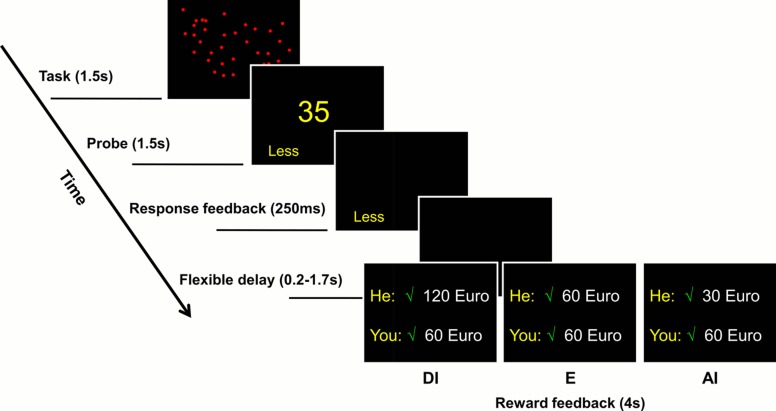
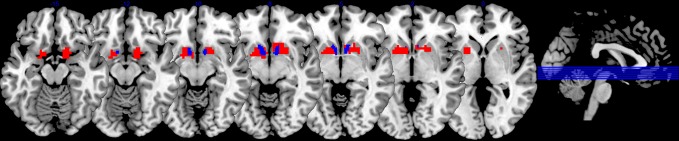
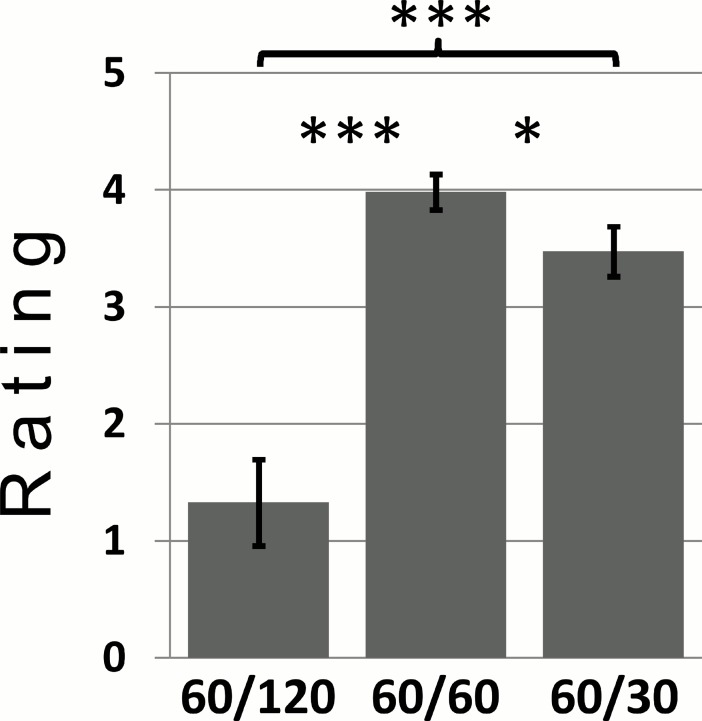
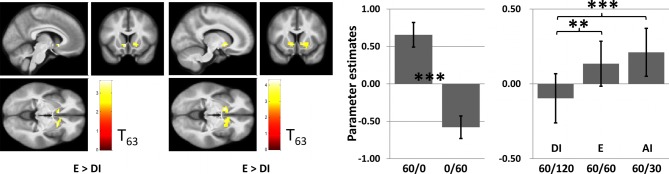
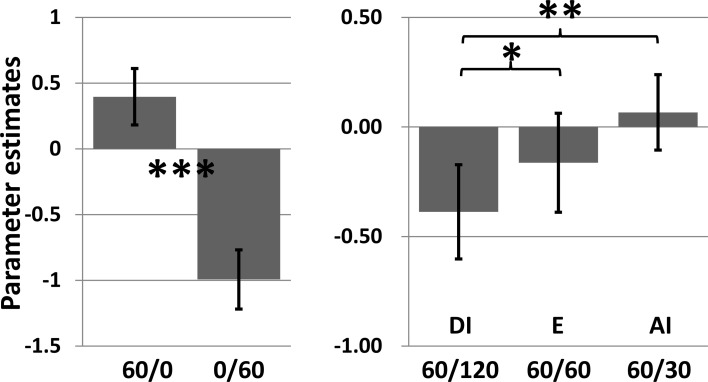
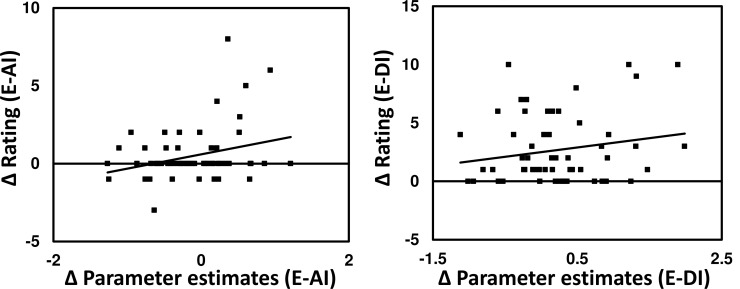
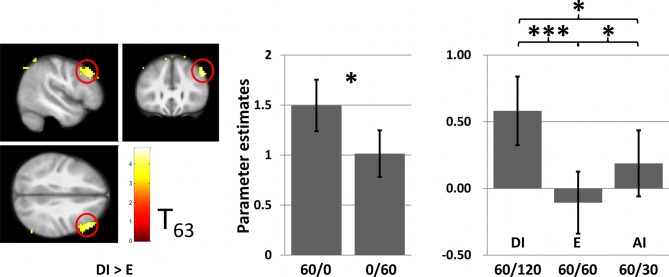
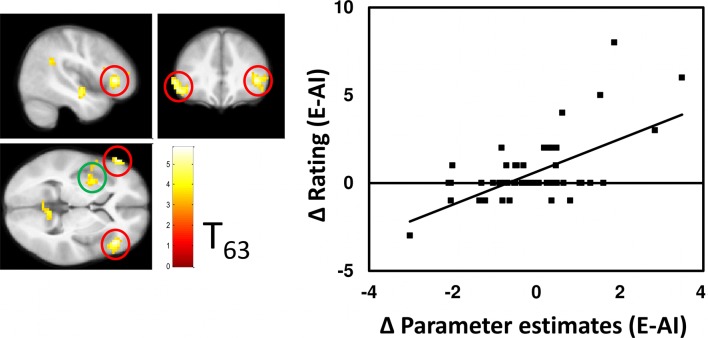
In this paper we study neural responses to inequitable distributions of rewards despite equal performance. We specifically focus on differences between advantageous inequity (AI) and disadvantageous inequity (DI). AI and DI were realized in a hyperscanning functional magnetic resonance imaging (fMRI) experiment with pairs of subjects simultaneously performing a task in adjacent scanners and observing both subjects' rewards. Results showed (1) hypoactivation of the ventral striatum (VS) under DI but not under AI; (2) inequity induced activation of the right dorsolateral prefrontal cortex (DLPFC) that was stronger under DI than under AI; (3) correlations between subjective evaluations of AI evaluation and bilateral ventrolateral prefrontal and left insular activity. Our study provides neurophysiological evidence for different cognitive processes that occur when exposed to DI and AI, respectively. One possible interpretation is that any form of inequity represents a norm violation, but that important differences between AI and DI emerge from an asymmetric involvement of status concerns.
Keywords: equity norm; functional magnetic resonance imaging (fMRI); social preferences; ventral striatum.
Figures
References
-
- Akitsuki Y., Sugiura M., Watanabe J., Yamashita K., Sassa Y., Awata S., Matsuoka H., Maeda Y., Matsue Y., Fukuda H., Kawashima R. (2003). Context-dependent cortical activation in response to financial reward and penalty: an event-related fMRI study. Neuroimage 19, 1674–1685 10.1016/S1053-8119(03)00250-7 - DOI - PubMed
-
- Brosnan S. F. (2009). “Responses to inequity in non-human primates,” in Neuroeconomics. Decision Making and the Brain, eds Glimcher P. W., Camerer C., Fehr E., Poldrack R. A. (London, San Diego, Burlington: Elsevier; ), 285–302
LinkOut - more resources
Full Text Sources
