


Petrous apex cholesterol granuloma: maintenance of drainage pathway, the histopathology of surgical management and histopathologic evidence for the exposed marrow theory
- PMID: 22710556
- PMCID: PMC3846394
- DOI: 10.1097/MAO.0b013e31825d63ea
Petrous apex cholesterol granuloma: maintenance of drainage pathway, the histopathology of surgical management and histopathologic evidence for the exposed marrow theory
Abstract
Objectives: (1) To assess the maintenance of drainage pathway patency in patients who undergo surgical management of cholesterol granulomas, (2) to review the histopathologic and radiologic changes associated with surgical drainage of petrous apex (PA) cholesterol granulomas, and (3) to provide histopathologic evidence regarding the exposed marrow theory of PA cholesterol granulomas.
Study design: Retrospective case review and histopathologic analysis.
Setting: Tertiary referral center.
Patients: Records of 17 patients with surgically managed PA cholesterol granulomas were reviewed. Histopathologic analysis was performed on temporal bones of 11 patients with PA cholesterol granulomas from the Temporal Bone repository at the House Research Institute.
Interventions: Surgical drainage of PA cholesterol granulomas; follow-up radiologic imaging (computed tomography or magnetic resonance imaging), when available.
Main outcome measures: Primary outcome is demonstrated maintenance of a PA outflow drainage pathway after the surgical drainage procedure as assessed by radiologic imaging, available histopathology, and/or recurrence of symptoms indicating failure of maintenance. Other measures include need for revision surgery and histopathology findings.
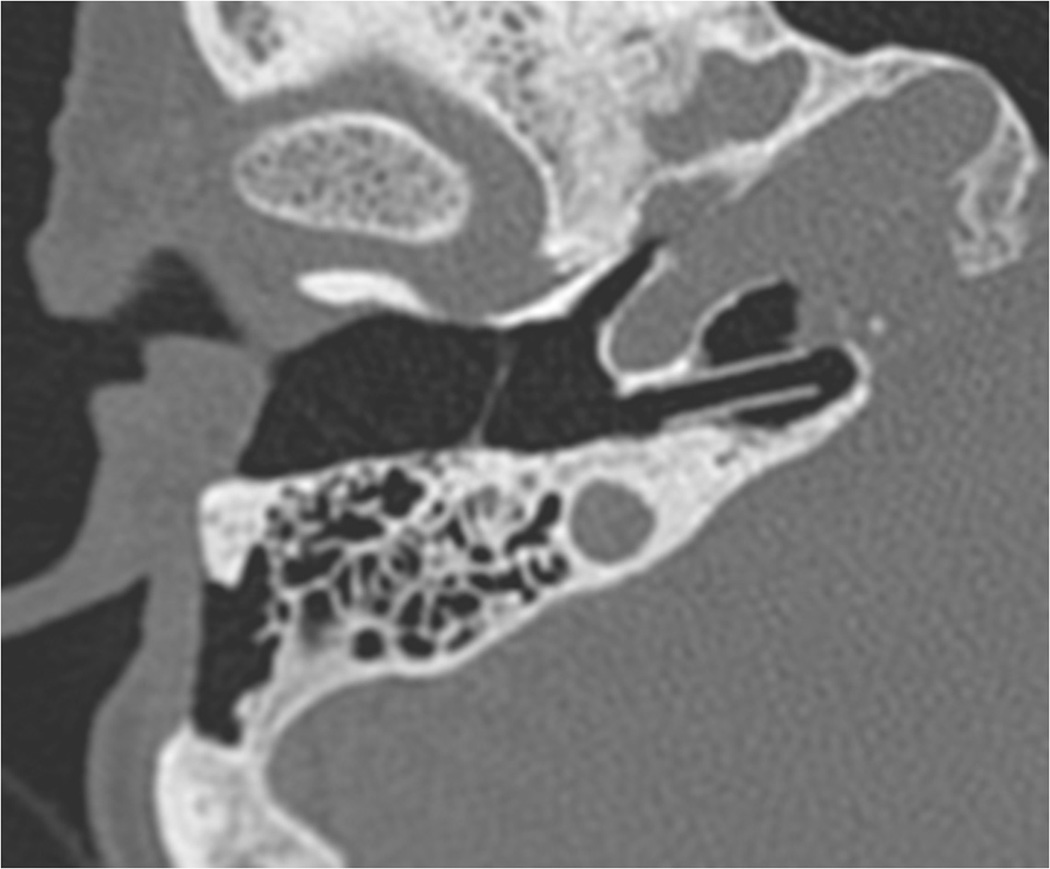
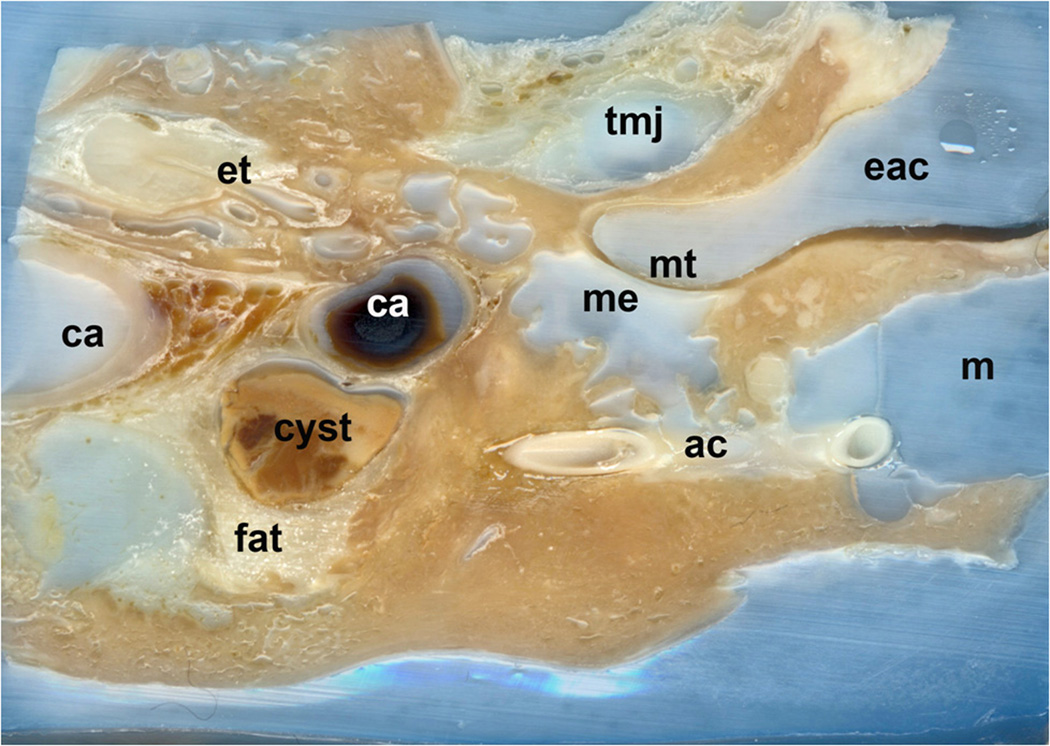
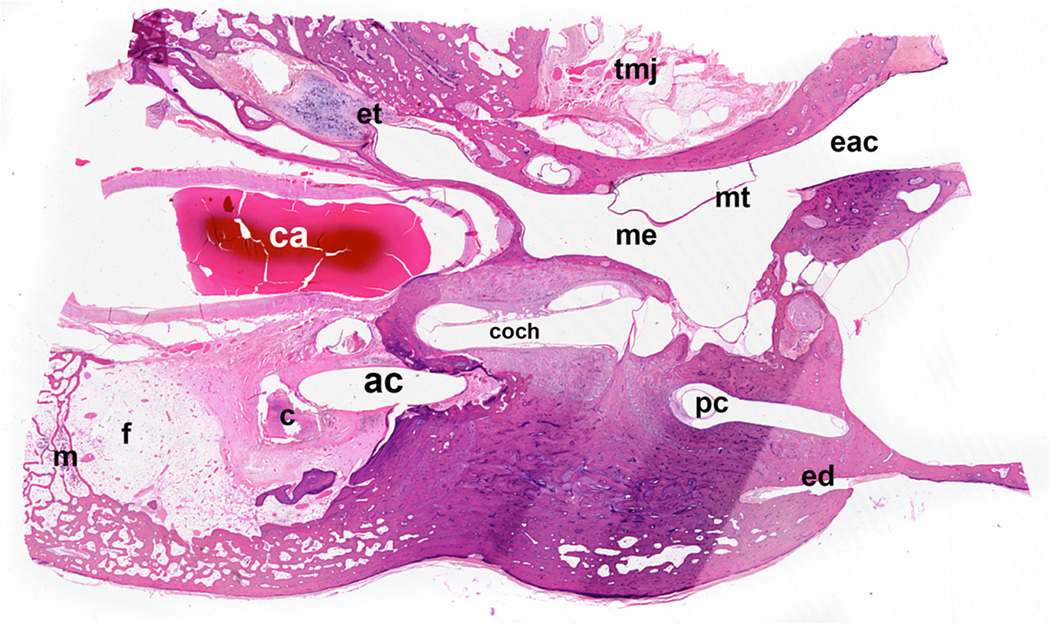
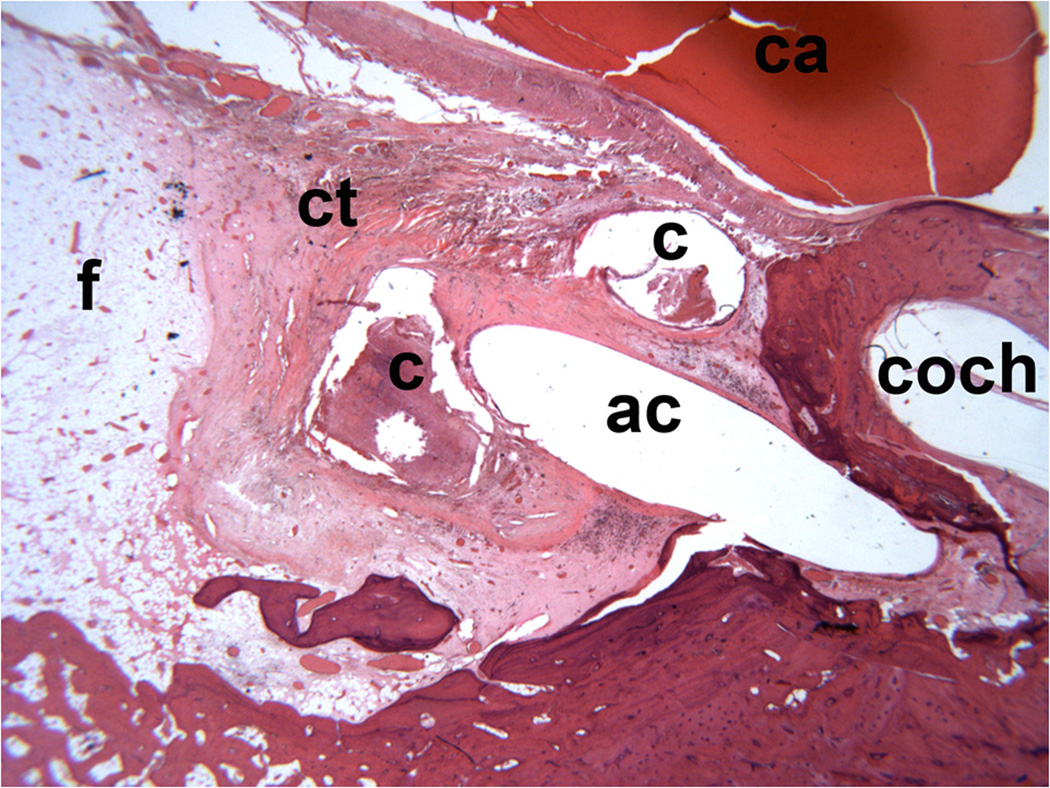
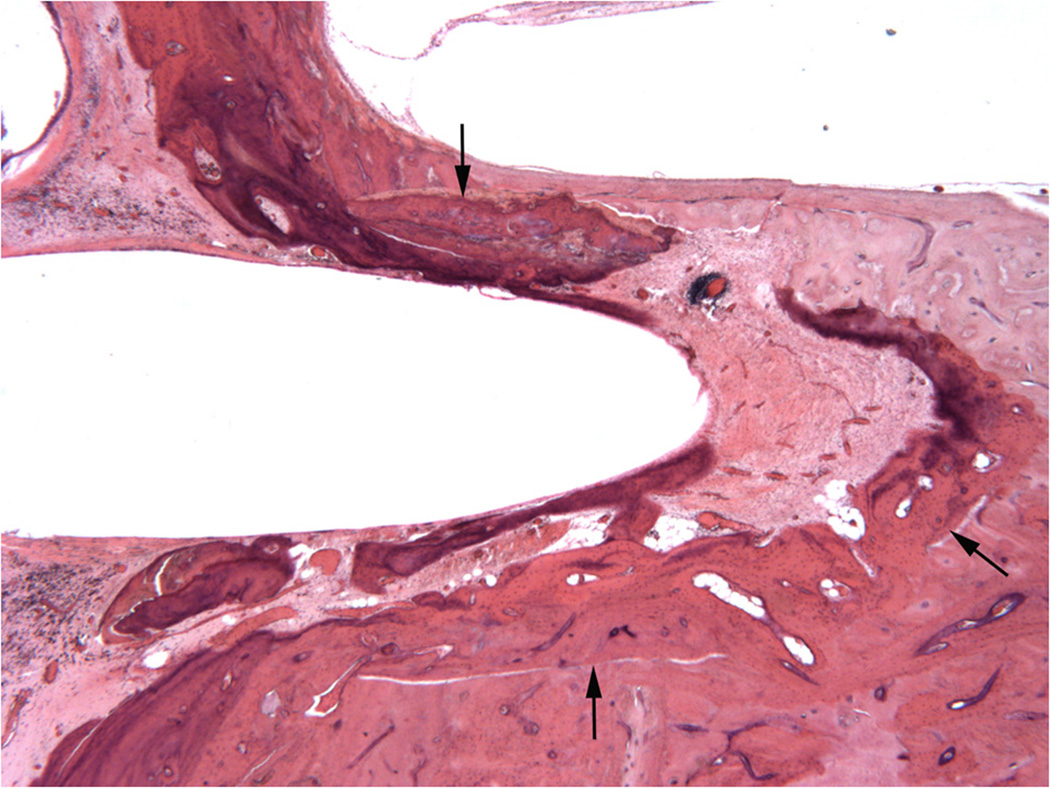
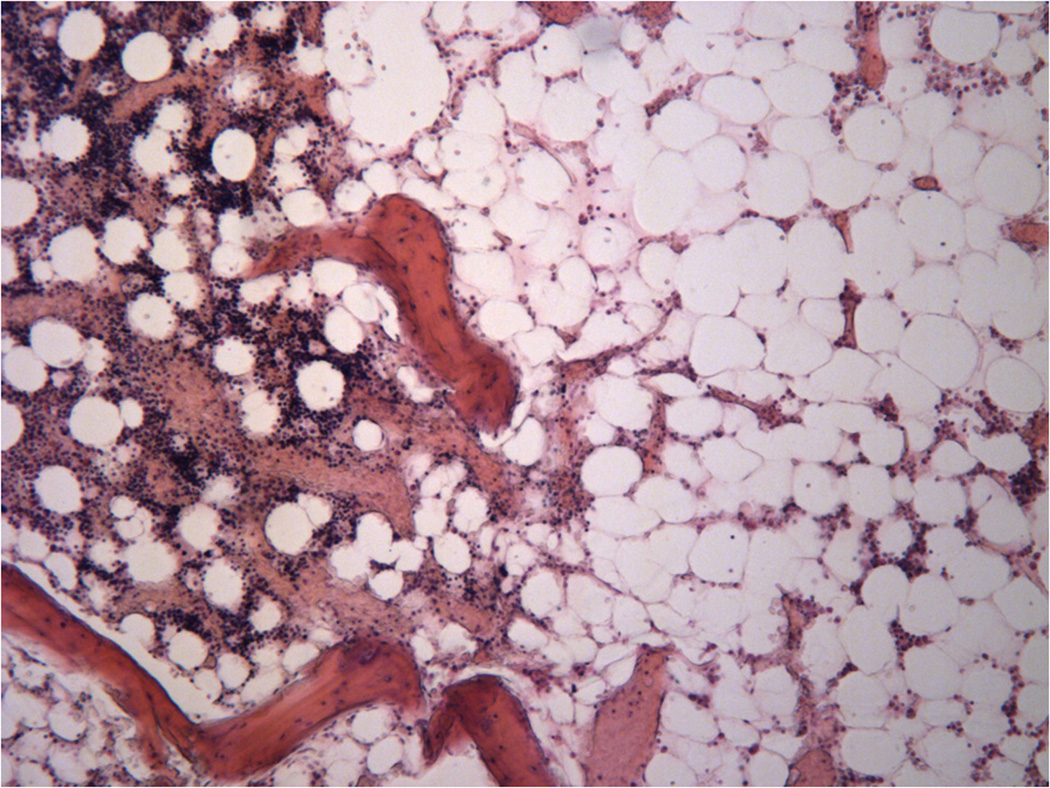
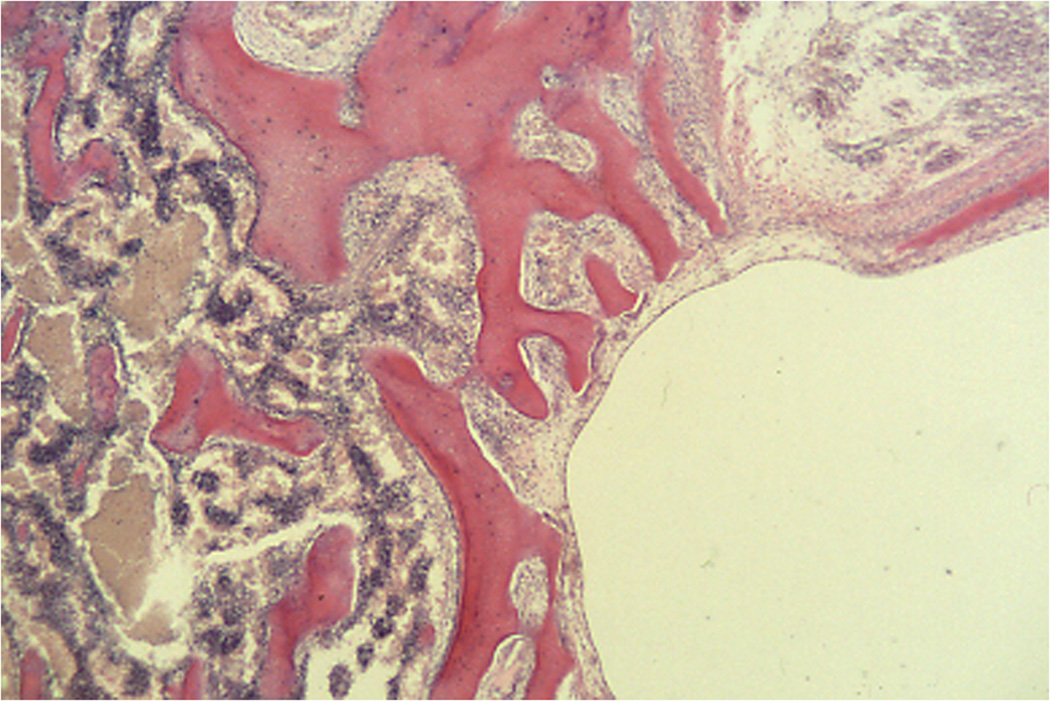
Results: A majority (65%) of patients exhibited maintenance of their PA drainage pathway. Histopathologic evidence suggests that the PA drainage pathway can be maintained for many years after surgical drainage. Recurrence of symptoms was related to obstruction of the drainage pathway by fibrous tissue and/or granulomatous tissue. Placement of a stent improved the patient's chance of remaining symptom-free, with recurrence of symptoms and revision surgery required in only 2 stent cases (18%) as compared with 83% of those with no stent (p ≤ 0.035). Histopathologic evidence for the exposed marrow theory of PA cholesterol granulomas was found.
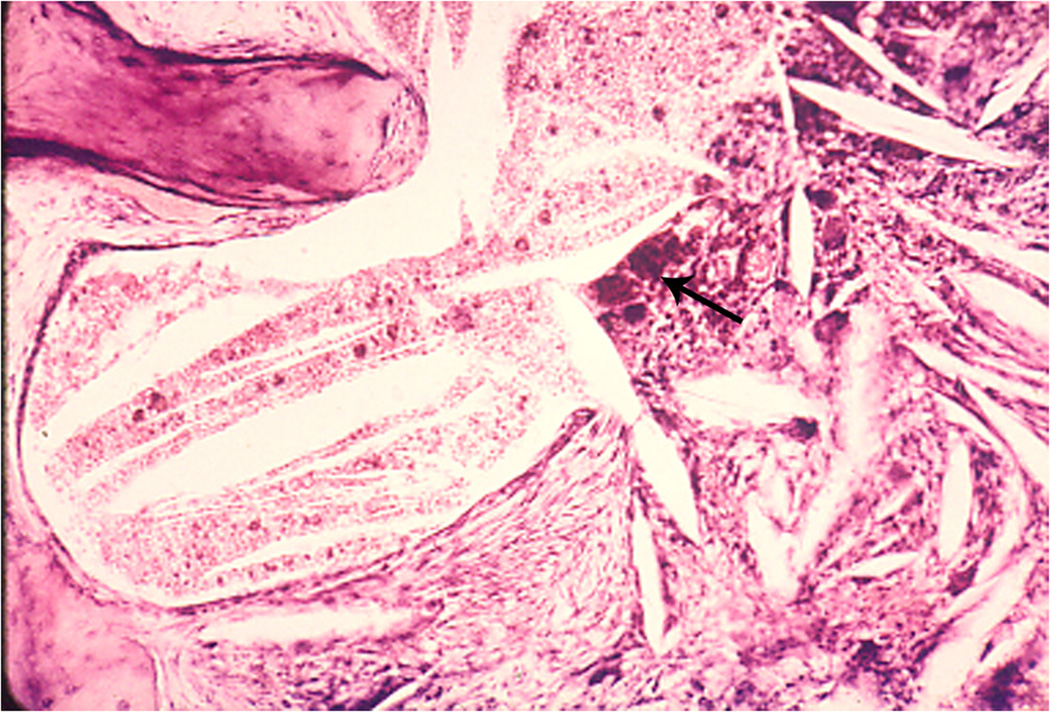
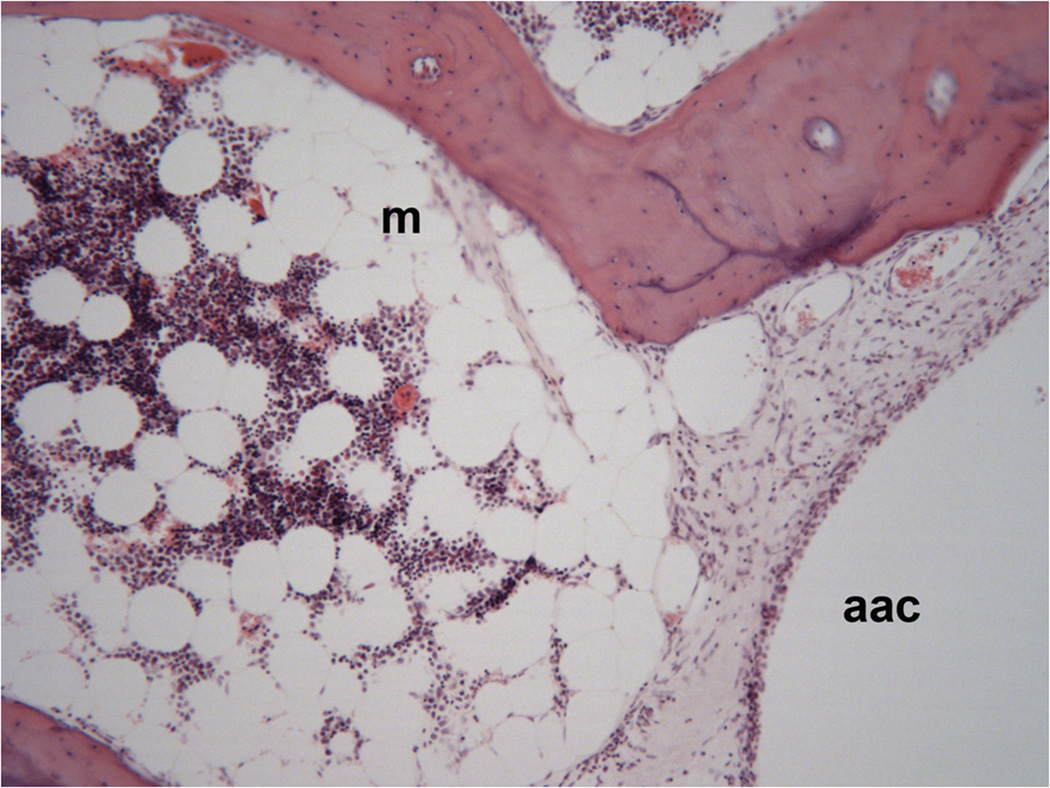
Conclusion: The majority of patients who undergo surgical drainage of PA cholesterol granulomas remain symptom-free after surgical drainage. Histopathologic analysis of temporal bone specimens provides evidence supporting the exposed marrow theory of PA cholesterol granuloma formation. Loss of patency of the PA drainage pathway may be an important predictor for symptomatic recurrence of PA cholesterol granulomas. Placement of a stent may decrease the likelihood of symptomatic recurrence.
Figures
References
-
- Jackler RK, Cho M. A new theory to explain the genesis of petrous apex cholesterol granulomas. Otol Neurotol. 2003;24:96–106. - PubMed
-
- Mosnier I, Cyna-Gorse F, Grayeli AB, Fraysse B, Martin C, Robier A, Gardini B, Chelikh L, Sterkers O. Management of cholesterol granulomas of the petrous apex based on clinical and radiologic evaluation. Otol Neurotol. 2002;23:522–528. - PubMed
-
- Brackmann DE, Toh EH. Surgical management of petrous apex cholesterol granulomas. Otol Neurotol. 2002;23:529–533. - PubMed
-
- Sanna M, Dispenza F, Mathur N, De Stefano A, De Donato G. Otoneurological management of petrous apex cholesterol granulomas. Am J Otolaryngol. 2009;30:407–414. - PubMed
-
- Isaacson B, Kutz JW, Roland PS. Lesions of the Petrous Apex: Diagnosis and Management. Otolaryngol Clin N Am. 2007;40:479–519. - PubMed
MeSH terms
Substances
Grants and funding
LinkOut - more resources
Full Text Sources
Medical
Miscellaneous
