


But I trust my teen: parents' attitudes and response to a parental monitoring intervention
- PMID: 22720144
- PMCID: PMC3376478
- DOI: 10.1155/2012/396163
But I trust my teen: parents' attitudes and response to a parental monitoring intervention
Abstract
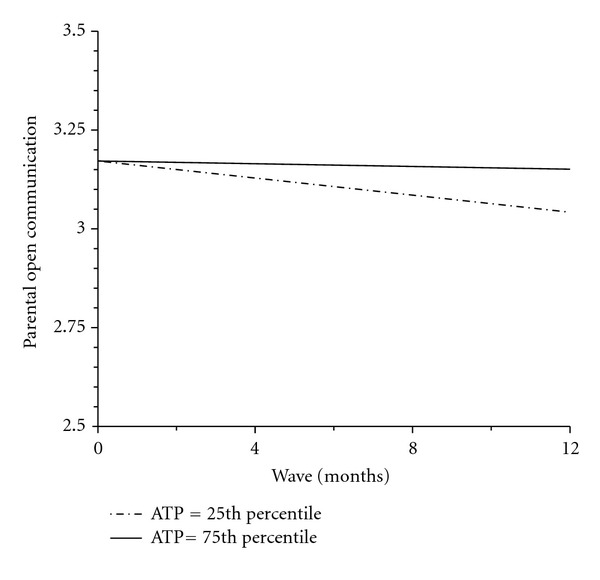
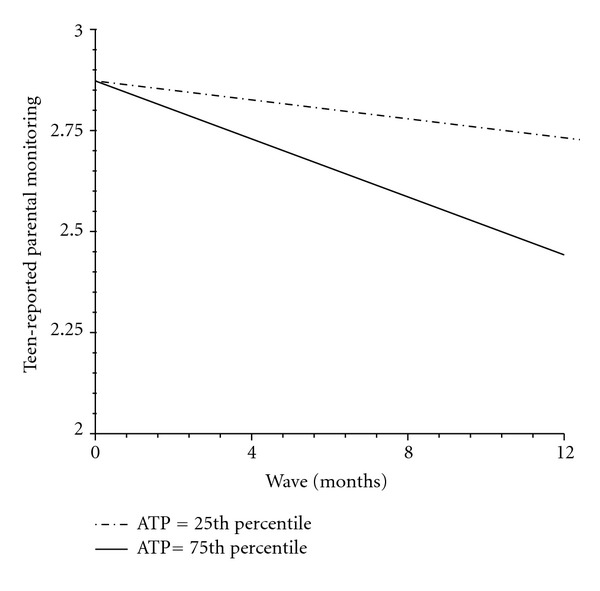
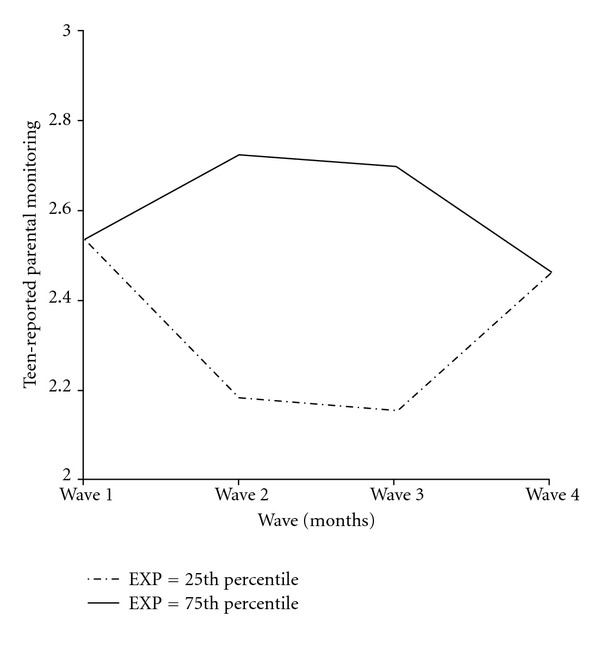
Parental knowledge gained from monitoring activities protects against adolescent risk involvement. Parental monitoring approaches are varied and may be modified with successful interventions but not all parents or adolescents respond to monitoring programs the same way. 339 parent-adolescent dyads randomized to receive a parental monitoring intervention and 169 parent-adolescent dyads in the control group were followed for one year over four measurement periods. Parent attitudes about the usefulness of monitoring, the importance of trust and respecting their teens' privacy, and the appropriateness of adolescent risk-taking behavior and experimentation were examined as predictors of longitudinal change in parental monitoring and open communication. Similar effects were found in both the intervention and control group models regarding open communication. Parental attitudes impacted longitudinal patterns of teen-reported parent monitoring, and these patterns differed across experimental groups. In the intervention group, parents' beliefs about the importance of trust and privacy were associated with a steeper decline in monitoring across time. Finally, parents' attitudes about the normative nature of teen experimentation were associated with a quadratic parental monitoring time trend in the intervention but not the control group. These findings suggest that parental attitudes may impact how families respond to an adolescent risk intervention.
Figures
References
-
- DiClemente RJ, Brown LK, Beausoleil NI, Lodico M. Comparison of AIDS knowledge and HIV-related sexual risk behaviors among adolescents in low and high AIDS prevalence communities. Journal of Adolescent Health. 1993;14(3):231–236. - PubMed
-
- Basen-Engquist K, Parcel GS. Attitudes, norms, and self-efficacy: a model of adolescents’ HIV-related sexual risk behavior. Health Education Quarterly. 1992;19(2):263–277. - PubMed
-
- Perrino T, González-Soldevilla A, Pantin H, Szapocznik J. The role of families in adolescent HIV prevention: a review. Clinical Child and Family Psychology Review. 2000;3(2):81–96. - PubMed
-
- Ellen JM, Gurvey JE, Pasch L, Tschann J, Nanda JP, Catania J. A randomized comparison of A-CASI and phone interviews to assess STD/HIV-related risk behaviors in teens. Journal of Adolescent Health. 2002;31(1):26–30. - PubMed
LinkOut - more resources
Full Text Sources
